
The interior design industry has experienced a quiet revolution in ceiling treatments over the past decade. Where once exposed timber beams represented a specific aesthetic—typically rustic, traditional, or farmhouse—manufacturers of faux wood beams have expanded possibilities dramatically. Today's lightweight faux wood ceiling beams serve as genuine universal design elements that adapt to virtually any interior style while offering practical advantages that genuine timber simply cannot match.
This evolution matters because ceiling design significantly impacts how we experience interior spaces. The fifth wall, as designers call the ceiling, often receives the least attention despite occupying substantial visual real estate in our fields of vision. Adding ceiling beams creates visual interest, establishes scale, and introduces textures that make rooms feel more complete. The challenge has always been that traditional timber beams suited only certain aesthetics. Universal lightweight beams solve this limitation entirely.
Contemporary and Modern Minimalist Applications
Modern and contemporary interiors often emphasize clean lines, subtle textures, and restrained color palettes. The assumption might be that substantial wooden beams would clash with this aesthetic—that the warmth and organic irregularity of timber would undermine the carefully curated minimalism these spaces require. Yet this assumption misses how effectively faux beams can serve contemporary design when properly specified.
The key lies in beam selection and installation approach. Contemporary spaces benefit most from beams with clean, consistent profiles—straight edges, minimal texturing, and uniform coloring. Rather than rough-hewn rustic beams, contemporary installations use smooth-faced faux beams with subtle grain patterns that add visual interest without introducing chaos. Single beams often prove more effective than complex groupings, creating singular architectural moments that punctuate otherwise minimal spaces.
Consider a minimalist loft apartment with polished concrete floors, white walls, and sparse furnishings. The space achieves its aesthetic through restraint, yet something feels missing—perhaps the ceiling feels too flat, the room lacks visual anchors, or the scale seems ambiguous. A single substantial faux beam crossing the main living area solves these problems without compromising the contemporary aesthetic. The beam introduces warmth that softens hard surfaces, creates visual weight that establishes human scale, and provides the architectural interest the space needed.
Color selection in contemporary applications typically favors lighter tones or even painted finishes that recede rather than dominate. White-painted faux beams disappear into the ceiling plane while still providing subtle texture and visual interest at close inspection. Alternatively, beams in cool gray tones complement contemporary color palettes while maintaining the warmth that makes spaces inviting rather than sterile.
Transitional Spaces and Design Bridges
Transitional design—that broad territory between strictly traditional and purely contemporary—offers fertile ground for faux beam applications. These spaces typically blend elements from multiple eras, incorporating both ornate and streamlined pieces in comfortable harmony. Faux beams serve as excellent bridging elements that connect disparate design elements through material warmth and architectural consistency.
The flexibility of polyurethane beams allows designers to specify elements that match transitional spaces' dual nature. Beams might feature traditional proportions—substantial depth and width that echo classical millwork—while presenting clean surfaces and consistent quality that contemporary elements require. This combination creates visual interest without committing fully to either traditional or modern aesthetics.
In a transitional great room combining an antique dining table with contemporary seating and transitional upholstery, faux beams overhead provide unifying presence. The beams don't match any single element but relate to all of them—traditional in their warmth and material, contemporary in their consistency and quality. This mediating role proves valuable in homes where family members have different aesthetic preferences but share a desire for cohesive spaces.
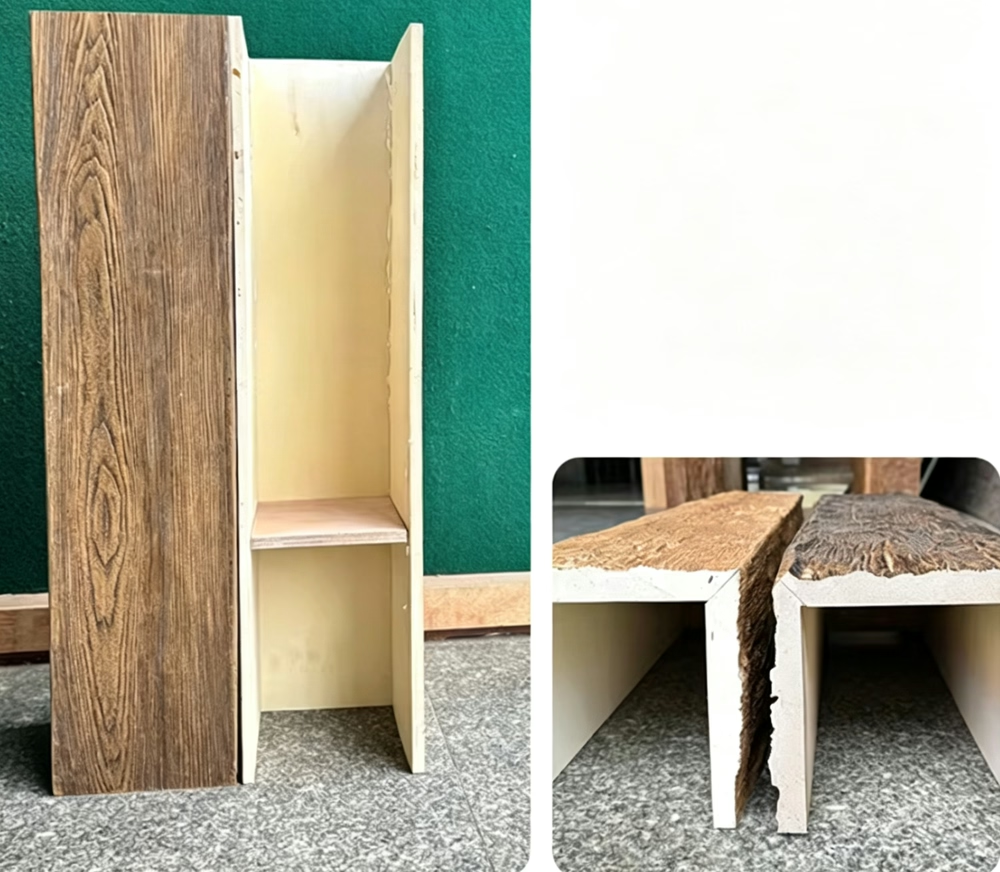
Coastal and Hamptons Style Adaptations
Coastal design aesthetics—from Hamptons to California beach to nautical-inspired interiors—emphasize light, airiness, and relaxed sophistication. These spaces typically feature white or light-colored walls, natural textures, and blue or sandy accent colors. Wooden beams in these settings must contribute warmth without introducing heaviness or country rustic associations that clash with coastal sophistication.
Light-toned faux beams work beautifully in coastal applications. Whitewashed or light oak finishes reflect available light while providing the organic warmth that prevents spaces from feeling sterile. The beams should typically appear more subtle than their counterparts in rustic applications—perhaps narrower proportions, cleaner profiles, and restrained texturing that maintains the breezy feeling coastal design pursues.
A Hamptons-style beach house demonstrates these principles effectively. The living room features white shiplap walls, linen-upholstered furniture, and driftwood-inspired accent pieces. Overhead, light-toned faux beams in natural oak finish add architectural interest while complementing rather than overwhelming the coastal palette. The beams relate visually to the home's wood accents—cafe blinds, hardwood floors, and reclaimed wood furniture—without introducing the heavy darkness that traditional rustic beams would create.
Industrial and Urban Loft Interpretations
Industrial design celebrates raw materials, honest construction, and the beauty of functional elements. Originally inspired by converted warehouses and manufacturing spaces, industrial aesthetics have influenced mainstream interior design for decades. Faux beams fit naturally into industrial contexts, though specification approaches differ from other styles.
Industrial applications often favor beams with more substantial presence—deep profiles, pronounced textures, and finishes that suggest genuine aged timber. The aesthetic goal is authenticity within the industrial context, where exposed structure and honest materials represent core values. Faux beams in these settings should appear genuinely structural rather than merely decorative, with proportions and details that suggest real load-bearing members.
The lighter weight of polyurethane beams proves particularly valuable in industrial loft conversions, where existing floor structures may limit additional loading. Authentic timber beams could require structural calculations and potential reinforcement. Faux beams install without these concerns, providing the visual effect without adding significant weight to ceiling structures that weren't designed for substantial loads.
Color choices in industrial settings typically run darker—deep browns, near-black stains, and weathered grays that suggest aged timber. These finishes complement industrial color palettes heavy in concrete grays, brick reds, and metal blacks while providing the warmth that makes industrial spaces livable rather than merely impressive.

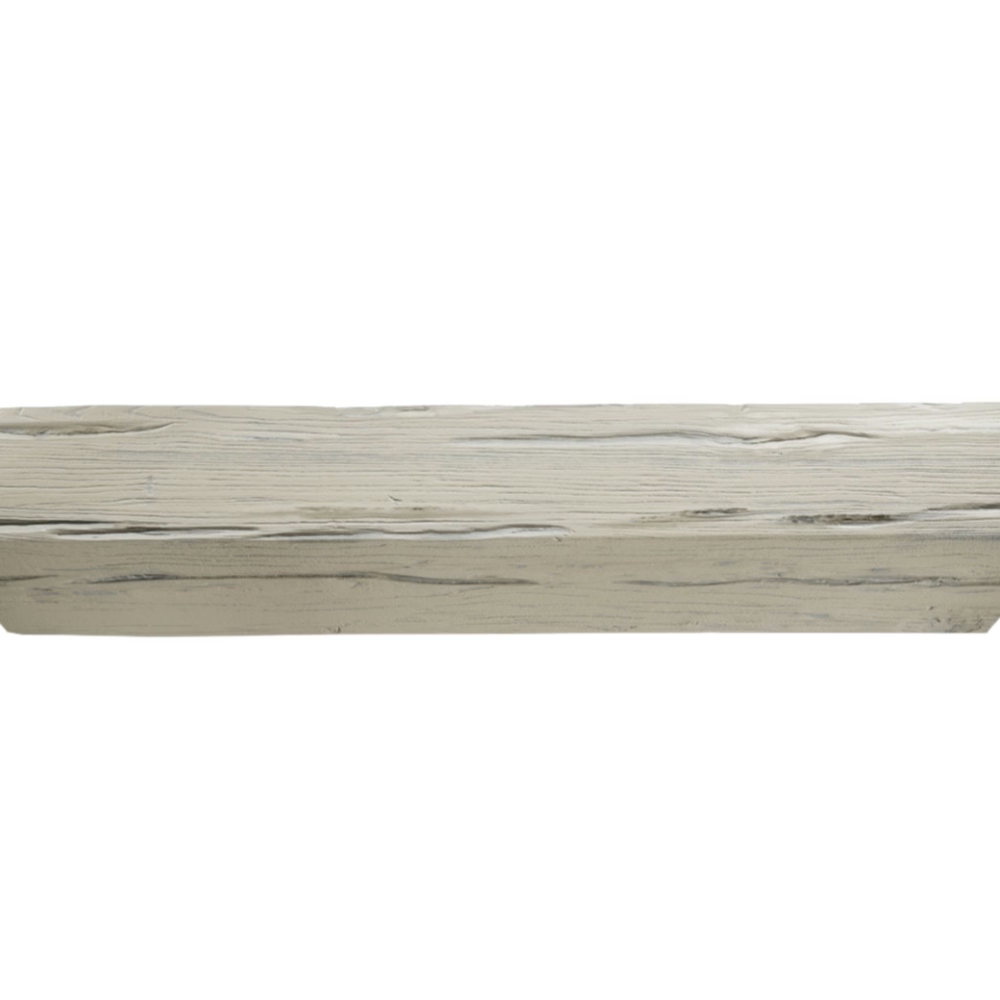
Global and Eclectic Design Contexts
Eclectic and globally-inspired interiors present the most challenging but also most rewarding opportunities for faux beam application. These spaces combine elements from multiple traditions and periods, creating rooms that feel collected rather than designed. The challenge lies in choosing beams that unify rather than complicate already complex compositions.
The strategy in eclectic spaces involves selecting beams that provide neutral foundation rather than adding additional strong visual elements. Beams in mid-tone finishes—neither too light nor too dark—serve as visual connectors that relate to multiple design elements without dominating any. Proportions should match the overall scale of the room and the other major elements, creating balance that allows the room's variety to coexist harmoniously.
A globally-inspired living room might incorporate Moroccan lighting, Chinese ceramics, African textiles, and European furniture alongside American pieces. In such a space, beams needn't reference any specific tradition but should instead provide the warmth and grounding that makes diverse elements feel cohesive. Medium-toned faux beams with subtle texture accomplish this unifying role effectively.
Practical Advantages Across All Styles
Beyond aesthetic versatility, faux beams offer practical advantages that apply regardless of design context. These benefits influence project outcomes in ways that affect homeowners, designers, and installers alike.
Installation speed represents a significant advantage. Where genuine timber beams might require multiple installers, specialized equipment, and several days of work, faux beams can often be installed in hours by a single person using standard tools. This efficiency translates to lower labor costs, faster project completion, and less disruption to household routines during renovation.
Material consistency ensures predictable results. Each faux beam matches its specifications precisely—no variations in grain pattern, no defects hidden in knots, no warping that requires accommodation. This predictability simplifies design planning and installation while ensuring that completed projects match the vision that inspired them. For designers presenting concepts to clients, this reliability means promises made can be promises kept.
The durability of polyurethane beams ensures long-term satisfaction regardless of how design trends evolve. Beams installed today will remain appropriate as styles shift and preferences change. Unlike fashion items that date quickly, quality faux beams maintain their appeal through trend cycles, providing lasting value rather than temporary fashion statements.
Technical References
ASTM standards cited in every specification
Test Data
Lab results from internal testing program
Updated 2026
Reviewed against current product specs


