
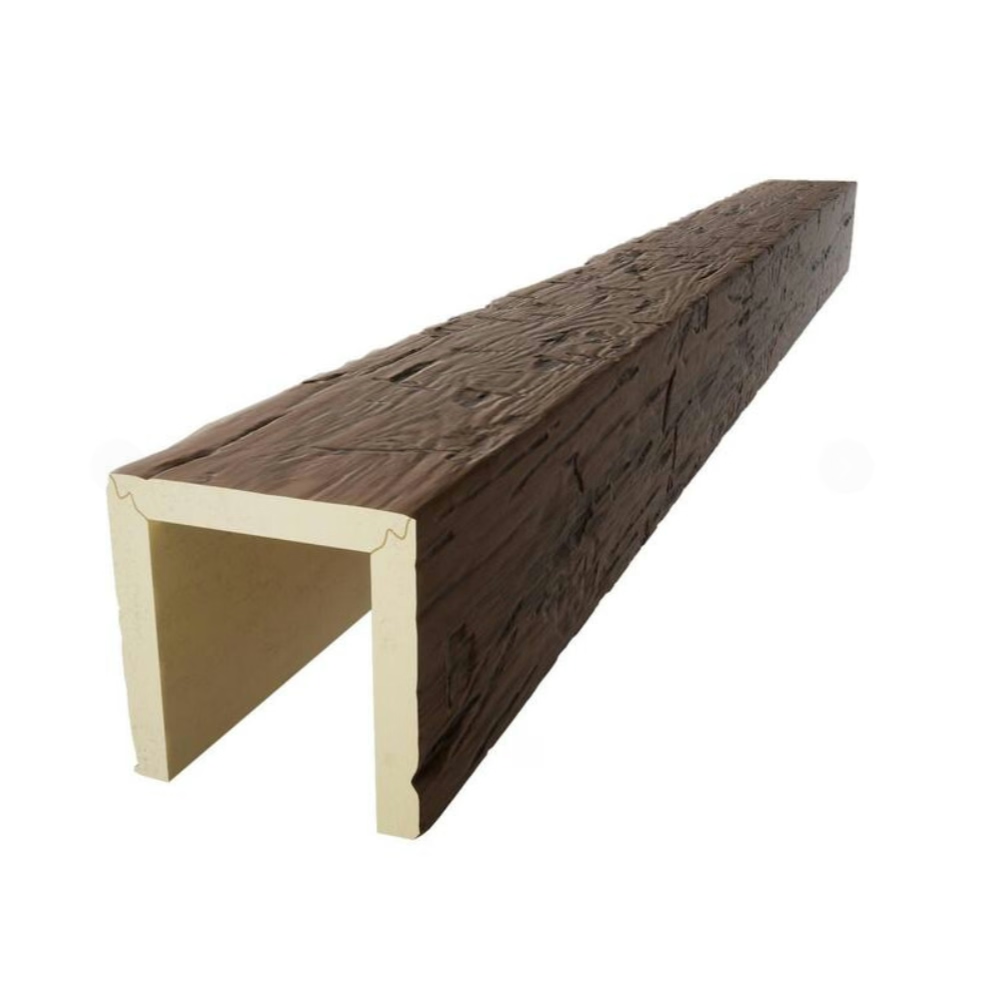
The modern approach to residential design increasingly blurs boundaries between interior and exterior spaces. Covered patios extend living areas outdoors, screened porches become outdoor living rooms, and transitional spaces like sunrooms blur the distinction between inside and outside entirely. These design trends create beautiful, functional spaces but present specific material challenges. Elements that perform beautifully indoors often fail when exposed to outdoor conditions, while outdoor-rated materials frequently lack the aesthetic refinement that interior spaces require. Universal PU faux wood beams occupy a unique position in this context, offering genuine dual-purpose capability that serves both environments effectively.
The material science behind polyurethane beams enables this versatility. Unlike genuine timber, which responds dramatically to moisture and temperature changes, polyurethane maintains consistent dimensions and appearance regardless of environmental conditions. This stability translates to outdoor performance that genuine wood cannot match without extensive treatment and ongoing maintenance. For homeowners seeking to extend their design vision seamlessly from interior to exterior, polyurethane beams provide the material bridge that makes such continuity possible.
Understanding Outdoor Exposure Challenges
Outdoor ceiling installations face environmental stresses that interior applications never encounter. Sun exposure brings ultraviolet radiation that degrades many materials, causing fading, chalking, and surface degradation. Rain, dew, and humidity introduce moisture that damages organic materials and promotes biological growth. Temperature fluctuations cause expansion and contraction that stresses mechanical bonds and finishing materials.
Genuine timber experiences all these challenges acutely. Untreated wood absorbs moisture, leading to swelling, warping, and eventual rot. Even treated timber requires regular maintenance—restaining, sealing, and periodic replacement of damaged sections—to maintain its appearance outdoors. The cost and effort of this maintenance often surprises homeowners who assumed wooden outdoor structures would remain beautiful indefinitely.
Polyurethane beams sidestep these outdoor challenges fundamentally. The material doesn't absorb moisture, won't rot regardless of exposure, and resists the biological growth that plagues timber in humid environments. UV resistance varies by formulation and finish, but quality outdoor-rated polyurethane beams maintain their appearance through years of sun exposure without the fading that plagues many materials.
Covered Patio Applications
Covered patios represent the most common outdoor application for faux wood beams. These structures—typically constructed with a solid roof or substantial overhang—provide shade and shelter while maintaining open connection to the outdoors. The covered ceiling provides perfect opportunity for beam installation that adds warmth and architectural character to spaces that might otherwise feel utilitarian.
Beam selection for covered patios should consider the degree of exposure the beams will experience. Fully covered ceilings under solid roofs face minimal direct weather exposure, making most beam types appropriate. Partially covered spaces with substantial overhang might still receive some rain splash or wind-driven moisture, suggesting beams with enhanced moisture resistance. Understanding the specific exposure conditions helps ensure appropriate beam specification.
The aesthetic benefits of beam installation on covered patios extend beyond simple decoration. Beams introduce visual weight and scale that covered patios often lack. Without treatment, covered patio ceilings can feel like nothing more than roof underside—functional but architecturally neutral. Beams transform these spaces into designed outdoor rooms that feel intentional and complete.
Consider a backyard entertaining area featuring a covered patio with kitchen, seating, and dining zones. The roof provides essential shade but the space feels incomplete without architectural treatment. Adding parallel faux beams across the covered area accomplishes multiple objectives: defines the entertaining zone, adds warmth that contrasts with stone and metal outdoor materials, and creates visual interest that makes the space photograph well for social media or family documentation.
Screened Porch Integration
Screened porches occupy a unique position between indoor and outdoor spaces—they exclude insects and larger pests while maintaining ventilation and visual connection to the outdoors. This intermediate nature makes them challenging spaces to design, as materials must work both indoors and outdoors while accommodating the ventilation that screens provide.
Faux beams on screened porches face less direct weather exposure than fully exposed installations but still encounter humidity, temperature fluctuations, and occasional insect intrusion. Polyurethane beams handle these conditions without concern. The material won't absorb the humidity that screening admits, won't suffer from temperature changes that occur with morning and evening cooling, and provides no food source that might attract insects.
The visual effect of beams on screened porches often exceeds expectations because the space benefits from the warmth that interior beam installations provide while maintaining outdoor connection. Family time on a screened porch—swinging in hammocks, playing games, simply relaxing—feels more complete with beams overhead that create defined ceiling treatment rather than the open roof structure that screened porches sometimes feature.
Color selection on screened porches often favors slightly darker finishes than interior applications. The outdoor light that filters through screens can make light-colored beams appear washed out, while medium to dark tones maintain visual presence despite the ambient brightness. Natural wood tones typically perform well, providing warmth without appearing too dark against the outdoor environment beyond the screens.
Transitional Sunroom Beams
True sunrooms—spaces with substantial glass area that blur distinction between indoor and outdoor—present specific beam opportunities and challenges. These rooms typically feature ceiling heights that accommodate beams well, often with cathedral or vaulted configurations that beams can follow or enhance. Yet sunrooms also experience temperature extremes and UV exposure that standard interior applications don't face.
Beam installation in sunrooms must consider the specific glazing and insulation characteristics of the space. Rooms with single-pane glass and minimal insulation experience temperature swings that might affect certain materials. Quality polyurethane beams handle these variations without issue, maintaining appearance through temperature cycles that might cause condensation on some surfaces.
The orientation of sunrooms affects beam specification significantly. South and west-facing rooms experience more intense sun exposure than north-facing spaces, potentially affecting finish longevity. In these high-exposure situations, choosing beams with premium UV-resistant finishes or considering slightly darker tones that show less fading helps maintain appearance over time.
Sunroom beam installation often involves coordination with other ceiling elements—potentially recessed lighting, ceiling fans, or solar tube installations. The light weight of polyurethane beams means that mounting points for these accessories can attach directly to beam surfaces when appropriate, adding decorative and functional elements without requiring separate ceiling mounting.

Garage and Workshop Ceiling Treatment
While not typically considered living spaces, garages and workshops often benefit from beam installation that improves appearance and functionality. These utilitarian spaces typically feature exposed ceiling structures—rafters, trusses, or joists—that lack visual appeal despite serving structural purposes effectively.
Beam installation in garages can transform these spaces from purely functional to genuinely attractive. A homeowner who spends significant time in a home workshop deserves an environment that feels designed rather than merely equipped. Beams overhead provide the visual warmth that makes extended time in these spaces more pleasant while maintaining the practical characteristics that garage and workshop functions require.
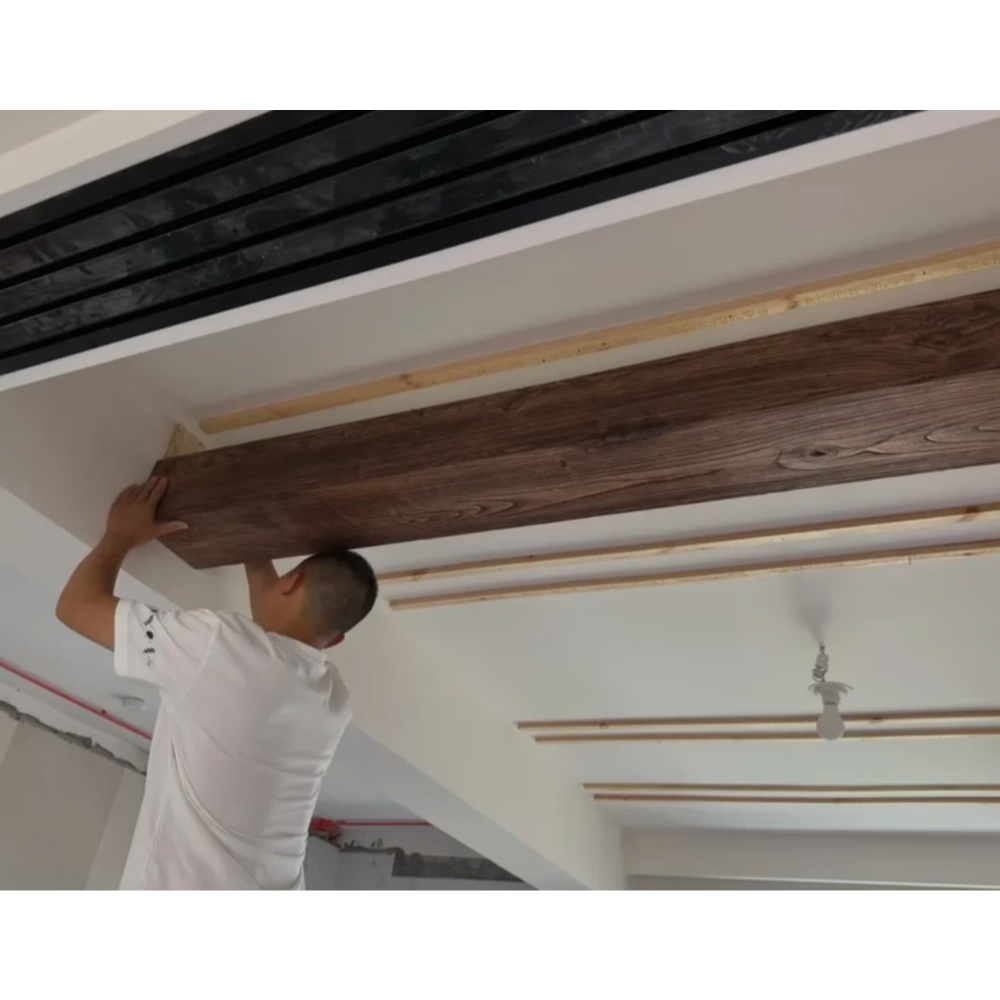
The light weight of polyurethane beams proves particularly valuable in garage applications because ceiling structures in these spaces often consist of exposed rafters or trusses that might not support substantial additional loading. Faux beams can attach directly to these structures or span between them without adding meaningful weight, enabling aesthetic improvement without structural concerns.
Moisture considerations in garages depend on whether the space is conditioned (heated and cooled) or unconditioned. Climate-controlled garages can treat beams like interior applications, while unconditioned spaces benefit from the moisture resistance that polyurethane provides. In either case, beams add the character that makes garages feel less like separate utility buildings and more like extensions of the main home.
Pool House and Outdoor Kitchen Applications
Pool houses and outdoor kitchens represent premium outdoor living applications where design expectations match interior standards. These spaces serve important entertainment functions, often hosting guests and serving as showcases for outdoor living ambitions. Material selections in these spaces reflect the investment homeowners make in creating beautiful outdoor environments.
Outdoor kitchen ceilings—typically covered structures housing grills, sinks, and food preparation areas—benefit from beam installation that elevates the space architecturally. These areas might feature extensive stone, tile, and stainless steel surfaces that, while functional and attractive, lack the warmth that wooden elements provide. Beams introduce exactly this warmth, creating visual balance that makes outdoor kitchens feel complete.
Pool house ceilings, whether covering changing areas, lounge spaces, or full living areas, present similar opportunities for beam installation. The typically open architecture of pool houses—large openings, substantial glass, minimal walls—makes ceiling treatment particularly important for establishing visual boundaries and defining spaces. Beams provide exactly this architectural definition while adding the warmth that makes pool houses feel inviting rather than merely functional.
Material selection for these premium applications should favor quality products with proven outdoor performance. While polyurethane beams generally perform well outdoors, specific formulations and finishes vary in their weather resistance. Products specifically designed for outdoor use offer the best long-term performance, maintaining appearance through years of exposure that less robust products might not survive intact.
Indoor Outdoor Design Continuity
Perhaps the most compelling argument for dual-purpose polyurethane beams involves design continuity across indoor-outdoor boundaries. Homes with strong connections between interior and exterior spaces benefit enormously from material choices that maintain consistency across this boundary.
Consider a contemporary home featuring an open floor plan that flows from living room through sliding glass doors onto a covered patio. Treating these spaces as separate design zones—different materials, different colors, different styles—creates visual discontinuity that undermines the design intent. Using the same faux wood beams in both spaces creates material continuity that reinforces the connection, making the outdoor space feel like a natural extension of the interior rather than a separate area.
This continuity benefits daily life as well as design aesthetics. Family activities that move between indoor and outdoor spaces feel more cohesive when materials support that movement. Meals that begin indoors and extend outside, gatherings that flow between spaces, and daily life that incorporates both interior and exterior benefit from the visual and material consistency that matching beams provide.
The practical advantages of polyurethane enable this continuity without the maintenance complications that genuine timber would present. Interior beams might require only occasional dusting, while outdoor beams might need occasional washing to remove accumulated debris. Beyond this simple maintenance, no additional care is required regardless of exposure conditions. The homeowner achieves beautiful, consistent design without ongoing maintenance burden.
Technical References
ASTM standards cited in every specification
Test Data
Lab results from internal testing program
Updated 2026
Reviewed against current product specs


