
Authentic rustic design celebrates imperfection. The beauty of genuinely aged timber lies in its departure from manufactured perfection—saw marks that record the blade's passage, weathering that reveals decades of exposure, knots that mark where branches once joined the trunk, and grain patterns that trace years of growth. This organic character distinguishes real timber from synthetic alternatives, yet genuine rough-hewn beams present practical challenges that modern materials can solve without sacrificing the authentic appearance that makes rustic design compelling.
Unpolished raw texture PU faux timber beams capture this authentic aesthetic through sophisticated manufacturing techniques that replicate the surface characteristics of genuine rough-cut timber. These beams feature the irregular surfaces, varied textures, and natural inconsistencies that define rustic character while providing the consistency, lightness, and durability that genuine timber cannot offer. The result bridges authentic beauty with practical performance, enabling rustic design visions that would otherwise require compromises.
The Aesthetics of Raw Texture
Understanding what makes rough-hewn timber visually compelling helps appreciate how raw texture faux beams achieve their effect. The surface characteristics of genuine timber result from specific processes and conditions that manufacturing can replicate.
Saw marks record the cutting process that liberated each board from the log. The depth, spacing, and direction of these marks vary based on saw type, blade condition, and wood hardness. Quality raw texture beams capture this variation, featuring surface irregularities that suggest the saw's passage without appearing artificially repetitive.
Weathering patterns develop on timber exposed to sun, rain, and temperature changes over years or decades. The silver-gray tones of aged cedar, the dark patina of weathered oak, the bleach-pale surfaces of reclaimed barn wood—each represents specific exposure conditions that create distinct appearances. Raw texture beams can simulate any of these weathered looks through careful color application and surface treatment.
Knots and grain variations create the natural character that distinguishes timber from manufactured materials. Knots vary from tight, small formations to large, loose clusters. Grain patterns range from straight and subtle to wild and dramatic. Raw texture beam manufacturing captures this natural variation through techniques that avoid the monotony of perfectly consistent surfaces.
Manufacturing Authentic Raw Texture
The manufacturing process that creates raw texture faux beams involves multiple techniques working together to produce convincing authenticity.
Mold creation starts with genuine rough-hewn timber that provides the original surfaces to be replicated. Careful selection of authentic specimens ensures that captured textures represent genuine rather than manufactured character. Multiple specimens might be used to capture different texture variations, enabling manufacturing that produces variety rather than exact repetition.
Surface texturing in the mold transfer process captures not just overall surface characteristics but also the subtle variations that distinguish authentic timber. The three-dimensional surface information stored in quality molds enables production of beams that feel authentic to touch, not merely look authentic from a distance.
Color application follows surface texturing, using techniques that deposit pigment in ways that respect texture rather than filling it flat. Stains pool in recesses, highlight edges, and create depth that matches genuine weathered timber. Multiple color applications might build layers that simulate the complex coloration of naturally aged wood.
Post-processing techniques add final authenticity through manual treatment that breaks manufactured perfection. Subtle edge chipping, selective distressing, and targeted wear patterns create the evidence of age that manufactured surfaces might otherwise lack. These techniques require skilled artisans who understand how genuine timber ages and can replicate those patterns convincingly.
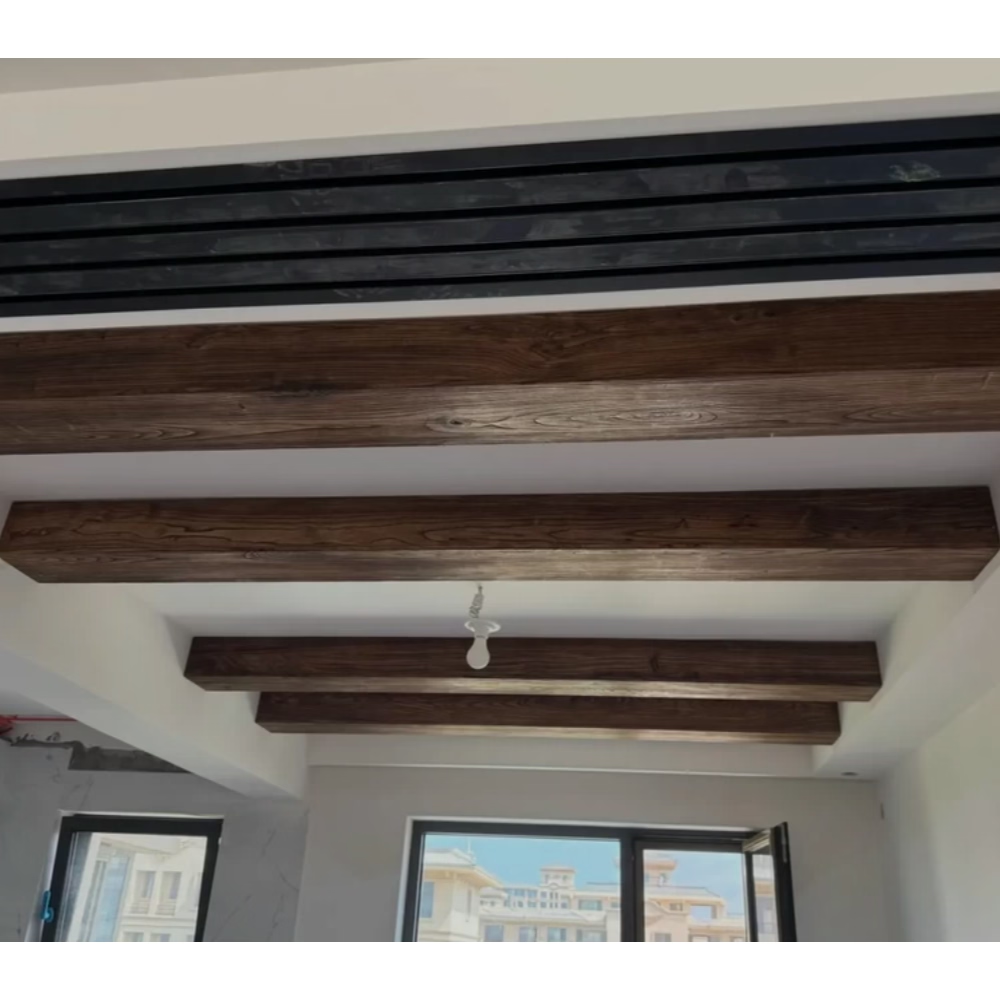
Design Applications
Raw texture beams serve design visions that seek authentic rustic character across diverse applications. The specific characteristics of raw texture influence where these beams work most effectively.
Cabin and lodge interiors represent the most obvious application for raw texture beams. These spaces celebrate natural materials, outdoor connection, and rugged authenticity. Raw texture beams contribute exactly the character these spaces require—substantial presence that anchors interior spaces while connecting them to the natural environment beyond. Whether the cabin aesthetic runs toward traditional hunting lodge, modern mountain retreat, or somewhere between, raw texture beams provide appropriate visual foundation.
Farmhouse design incorporates rustic elements within more refined contexts. The raw texture beam suits this hybrid aesthetic, providing enough roughness to satisfy rustic preferences while maintaining proportions that work within contemporary farmhouse proportions. These beams bridge gaps between farmhouse authenticity and modern livability, enabling designs that honor tradition while accommodating contemporary needs.
Eclectic and bohemian interiors benefit from the organic character that raw texture beams provide. These design approaches embrace imperfection and celebrate materials with history and story. Raw texture beams contribute exactly this quality—surfaces that suggest history and authenticity while providing the warm presence that bohemian aesthetics value.
Urban industrial spaces sometimes benefit from raw texture treatment despite their modern context. The contrast between rough timber surfaces and contemporary finishes creates visual interest that uniform materials cannot achieve. Raw texture beams in industrial settings provide warmth that softens concrete, steel, and brick while maintaining the honest materials aesthetic that industrial design celebrates.
Integration with Other Materials
Rusting design typically involves material combinations that raw texture beams must integrate successfully. Understanding these relationships helps ensure design coherence.
Stone and masonry pair naturally with rough timber, creating the mountain lodge and farmhouse associations that both materials evoke. Raw texture beams over stone fireplaces, adjacent to stone walls, or spanning across stone-floored rooms create material combinations that feel timeless and grounded. The key lies in proportional balance—ensuring that neither stone nor timber dominates inappropriately.
Metal elements in rustic contexts might include wrought iron fixtures, aged brass hardware, or copper accents that develop patina over time. Raw texture beams complement these metal elements by providing warmth that prevents metal from feeling cold or sterile. The organic texture of the beams creates visual connection with metal's own aged patinas and weathered surfaces.
Natural textiles including leather, wool, and linen enhance rustic aesthetics while complementing raw texture beams. These materials share the organic, imperfect character that rough timber embodies. When beams, textiles, and other natural materials appear together, they reinforce each other's contributions to cohesive rustic environments.
Modern materials create contrast rather than harmony with raw texture beams, which can produce striking results when intentionally combined. Glass, steel, and polished surfaces against rough timber create visual tension that contemporary design sometimes pursues. This approach requires confident design judgment to avoid feeling random or arbitrary, but when executed well, it creates spaces that feel both modern and rooted.

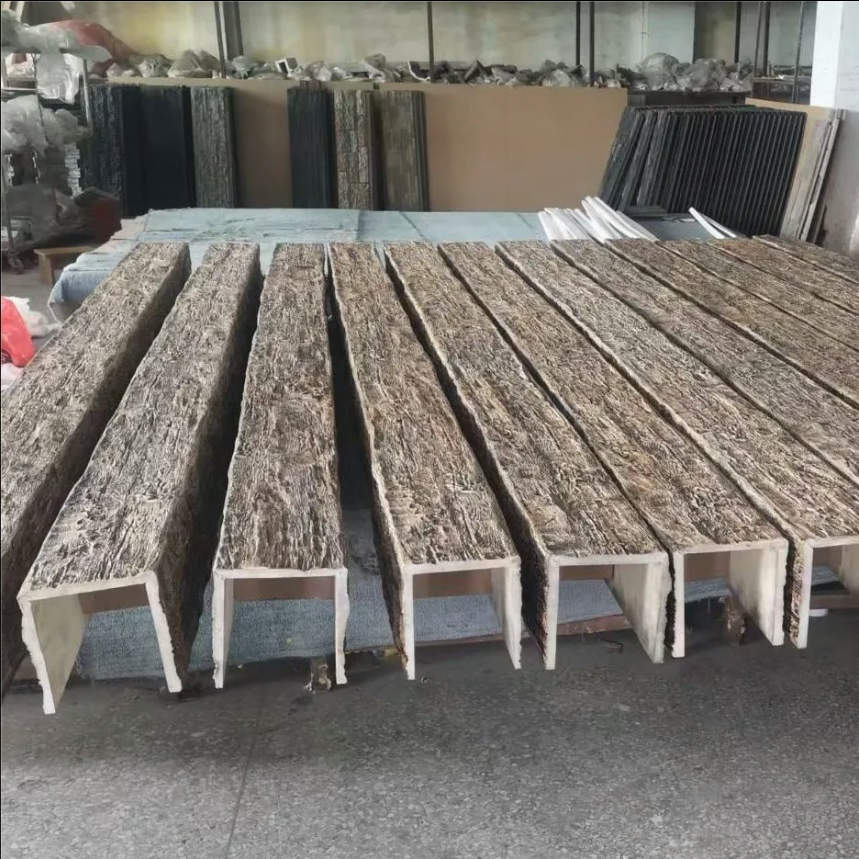
Installation Considerations
Raw texture beams present specific installation considerations related to their authentic surface characteristics.
The irregular surfaces of raw texture beams affect how mounting hardware interacts with beam surfaces. Where smooth beams might accept hardware at consistent depths, raw texture surfaces vary throughout. installers must account for this variation, potentially using longer fasteners that ensure secure engagement despite surface irregularities.
Finishing techniques for raw texture beams differ from smooth alternatives. The textured surfaces trap finish in ways that smooth surfaces don't, affecting how color appears and how much material is required for complete coverage. Quality installers understand these characteristics and adjust techniques accordingly.
Adjacent materials require consideration when rough texture beams meet smoother surfaces. The transition between rough beam and smooth drywall creates visual contrast that might require treatment—perhaps trim pieces that ease the transition, or deliberate emphasis of the contrast as design feature. Planning these relationships before installation ensures satisfying results.
Lighting integration affects how raw texture surfaces read in completed spaces. The shadows that rough surfaces create can enhance texture when properly illuminated, or appear as dirt or damage when lighting is inadequate. Planning lighting to highlight texture ensures that the investment in authentic surfaces pays dividends visually.
Long-Term Performance
The practical advantages of polyurethane over genuine timber become particularly valuable with raw texture products because texture increases the surface area that would require maintenance on genuine wood.
Genuine rough-hewn timber requires ongoing maintenance that raw texture faux beams eliminate entirely. Staining, sealing, and occasional repair maintain authentic timber appearance, with frequency depending on exposure conditions and wood species. Raw texture faux beams maintain their appearance indefinitely without any of this maintenance.
Surface durability proves excellent for raw texture products despite their irregular surfaces. The textured areas that might seem vulnerable actually prove quite resistant to damage because impacts distribute across irregular surfaces rather than concentrating at single points. This durability ensures that the authentic appearance remains intact through years of use.
Color stability in quality raw texture products ensures that the weathered appearance remains consistent over time. UV exposure, temperature changes, and normal aging don't affect polyurethane finishes the way they affect genuine wood stains. The authentic appearance you install remains the appearance you maintain indefinitely.
Value Assessment
Raw texture faux beams provide genuine value compared to both smooth faux alternatives and authentic rough-hewn timber.
Against smooth faux beams, raw texture products offer enhanced authenticity that might justify additional cost for rustic applications. The visual impact of raw texture beams exceeds smooth alternatives in spaces where rustic character is the goal. If the design vision specifically requires rough, organic aesthetics, raw texture beams deliver where smooth products cannot.
Against genuine rough-hewn timber, raw texture faux beams offer substantial practical advantages at reduced cost. The weight difference alone—faux beams weighing perhaps one-fifth of genuine timber—transforms installation from major construction project to manageable improvement. The elimination of ongoing maintenance adds value that compounds over time, often making faux products less expensive over their lifetimes than genuine alternatives that require continuous care.
The authentic appearance that quality raw texture beams provide often surprises people unfamiliar with modern faux products. The combination of sophisticated manufacturing and skilled finishing produces results that convince even experienced observers. For most applications, the only way to distinguish authentic from faux involves touching surfaces—polyurethane feels different than wood to the touch—while visual appearance achieves genuine equivalence.
Technical References
ASTM standards cited in every specification
Test Data
Lab results from internal testing program
Updated 2026
Reviewed against current product specs


