
American interior design encompasses diverse traditions that reflect the country's multicultural heritage, regional variations, and evolving aesthetic values. From the handcrafted simplicity of early colonial homes to the clean lines of contemporary design, American style embraces eclecticism while maintaining core commitments to comfort, craftsmanship, and democratic beauty. Polyurethane faux wood beams designed with American styles in mind capture these traditions authentically, providing design solutions that honor the past while addressing contemporary needs.
Understanding American interior styles helps homeowners and designers select beams that create coherent environments rather than mismatched collections. Each tradition carries specific characteristics that distinguish it from alternatives, characteristics that beam selection should respect for authentic results.
Colonial and Early American Traditions
Colonial-era homes established design principles that continue influencing American aesthetics today, characterized by handcrafted quality, honest materials, and restrained ornamentation.
Timber framing defined colonial construction, with substantial oak or chestnut beams providing structural support that became visual features. Exposed structural timbers established the ceiling beam tradition that faux products continue today. Authentic colonial-style beams feature hewn surfaces, mortise and tenon joinery marks, and the patina of centuries-old wood.
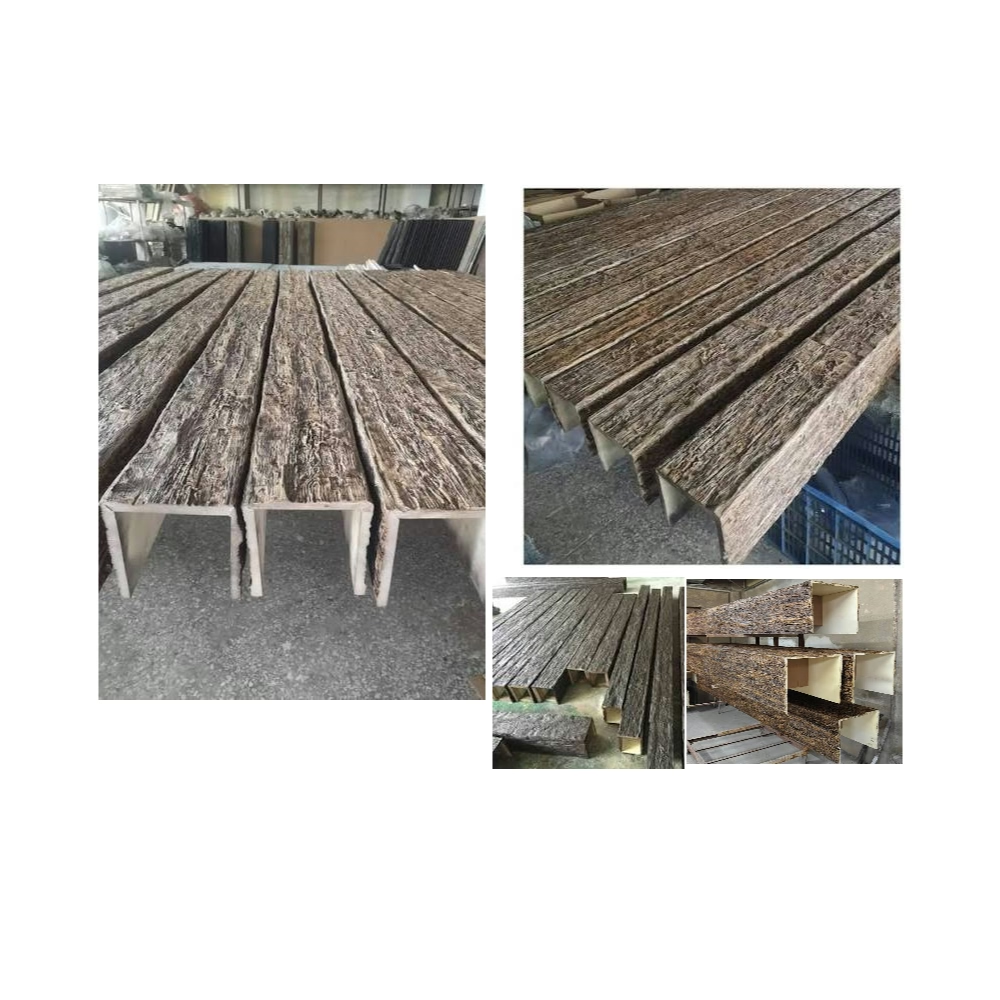
Faux beam reproduction of colonial aesthetics should emphasize hand-crafted appearance over manufactured perfection. Surface irregularities, uneven edges, and varied grain patterns suggest the genuine article. Color treatments in warm browns and honey tones evoke original timber that colonial builders used.
Federal and Georgian refinements introduced more sophisticated details to colonial aesthetics, including decorative cornices and refined moldings. Beams in these traditions might feature simpler profiles than rustic farmhouse versions while maintaining the substantial proportions that distinguished quality colonial construction.
Wainscoting and beam combinations appear in formal colonial rooms where walls received paneled treatment while ceilings featured exposed timbers. This coordination between wall and ceiling treatment created formal interiors that remain influential in American design.
Craftsman and Arts and Crafts Movement
The American Arts and Crafts movement, often called Craftsman style, emerged in the early twentieth century as reaction against industrialization, emphasizing hand craftsmanship, natural materials, and honest construction.
Craftsman ceilings feature beams that appear structural while remaining decorative, with proportions suggesting substantial support. The signature coffered beam pattern—creating grid-like ceiling sections—distinguishes Craftsman interiors from other traditions. Beams typically feature dark finishes that complement the warm wood tones characteristic of Craftsman interiors.
Faux beam specification for Craftsman applications should consider the dark, rich color palette that defines this style. Walnut, mahogany, and deep oak finishes create the warmth that Craftsman designers pursued. Lighter finishes would feel inconsistent with the established aesthetic.
Quarter-sawn oak grain patterns appear throughout Craftsman interiors, and beam surfaces should suggest this distinctive figure when possible. The straight, tight grain of quarter-sawn oak differs from the wilder patterns of plain-sawn timber, creating different visual effects.
Built-in cabinetry and beams should coordinate visually, with wood tones flowing throughout the space. Craftsman interiors achieved visual unity through consistent material treatment, a principle that faux beam selection should respect.

Farmhouse and Country American
Farmhouse and country aesthetics represent the most popular American style applications for faux wood beams, emphasizing comfort, practicality, and welcoming warmth.
American farmhouse design borrows from colonial, Victorian, and rural traditions while maintaining its own character through specific materials, colors, and proportions. The style emphasizes family comfort and practical livability over formal elegance, creating spaces that welcome rather than impress.
Rustic barn wood appearances suit farmhouse aesthetics, with weathered gray finishes, visible saw marks, and irregular surfaces suggesting authentic aged timber. These characteristics distinguish farmhouse beams from the smoother, more refined profiles appropriate for other styles.
Whitewashed finishes appear in farmhouse applications where painted wood adds warmth without the darkness of natural stains. These treatments soften timber appearance while maintaining organic character that pure white paint would lose.
Open shelving and beam combinations create the practical storage that farmhouse living requires. Beams often appear above shelving installations, creating visual weight that prevents open shelving from feeling insubstantial.
Contemporary and Transitional American
Contemporary American interiors blend modern simplicity with traditional comfort, creating spaces that feel current without abandoning established values.
Clean-lined beams with minimal texture suit contemporary American interiors, providing warmth without visual complexity. These beams should suggest rather than replicate rustic authenticity, maintaining refined appearance that contemporary spaces require.
Neutral finish palettes—grays, beiges, and natural wood tones—characterize contemporary American color schemes. Beam selection should fit within these palettes rather than introducing strong color that would compete with the carefully coordinated environments contemporary design creates.
Open floor plans that dominate contemporary construction benefit from beam installation that defines zones without walls. The beam's ability to create visual separation while maintaining openness makes them valuable tools in contemporary design.
Minimal ornamentation defines contemporary American interiors, with architectural details providing visual interest rather than decorative objects. Beams serve exactly this function, providing presence without requiring objects to fill space.
Traditional and Formal American
Formal American interiors borrow European traditions while maintaining distinctly American character through scale, material choices, and color preferences.
Classical proportions define formal American design, with substantial but not overwhelming beams providing architectural presence. Beams in formal rooms typically coordinate with crown molding, wainscoting, and other traditional trim elements that establish formal character.
Refined finishes in warm browns, mahoganies, and polished woods suit formal American interiors. These finishes complement the upholstery, drapery, and carpeting that formal rooms typically feature.
Tray ceilings and coffers create the formal ceiling treatment that distinguishes primary formal rooms from secondary spaces. Beams contribute to these ceiling treatments, defining architectural zones that formal interiors require.
Period-appropriate styling ensures that beams enhance rather than undermine formal character. Victorian, Georgian, and Colonial Revival interiors each carry specific characteristics that authentic beam selection should respect.
Regional American Variations
American design varies significantly by region, reflecting climate, available materials, and cultural influences that distinguish different parts of the country.
Southwestern American style incorporates adobe, terracotta, and handcrafted woodwork with Spanish and Native American influences. Beams in these applications might feature lighter treatments and more rustic profiles than eastern American traditions.
Pacific Northwest American style emphasizes natural materials, environmental connection, and craftsman influences. Beams in these regions should complement Douglas fir, cedar, and other locally-available woods that characterize Pacific Northwest construction.
New England traditional style carries the weight of centuries-old colonial architecture, with beams that respect this heritage while functioning in contemporary homes. The formality varies from simple cottage to grand estate, but authenticity within each tradition matters.
Southern American style blends antebellum grandeur with casual hospitality, creating spaces that feel both elegant and welcoming. Beams in these applications should contribute to both comfort and sophistication.
Coastal and Beach American
Coastal American design adapts general American traditions to beach and waterfront living, emphasizing light, airiness, and relaxed sophistication.
Light, airy beam treatments suit coastal interiors, with whitewashed, blonde, or gray finishes reflecting the sun and salt that characterize coastal environments. Dark, heavy beams would overwhelm the lightness that coastal design pursues.
Weathered appearance that suggests exposure without decay characterizes appropriate coastal beam selection. The texture should feel natural without appearing damaged, implying that beams have aged gracefully in the coastal environment.
Natural textures that evoke driftwood and weathered pier construction suit coastal aesthetics. These textures add interest while remaining consistent with the organic, beach-influenced design language.
Blue and white color schemes common in coastal interiors coordinate with beam selection, ensuring that wood tones complement rather than conflict with the nautical palette.
Making Style Selections
Successful American style beam selection requires understanding which traditions suit specific spaces and homeowner preferences.
Authenticity within chosen styles ensures that beams enhance rather than undermine design intentions. Generic "wood-look" beams fail to capture specific tradition characteristics that make different styles distinctive.
Cohesion with existing elements maintains visual unity throughout spaces. New beams should feel like natural additions to rooms featuring other wood elements, furniture, and architectural features.
Flexibility that accommodates evolving tastes provides lasting satisfaction. American style evolves continuously, and beam selection should enable adaptation without requiring replacement.
Quality investment that lasts ensures that beams serve chosen styles throughout their service life without appearing dated as preferences evolve.
Technical References
ASTM standards cited in every specification
Test Data
Lab results from internal testing program
Updated 2026
Reviewed against current product specs

