The American farmhouse aesthetic has experienced a remarkable revival over the past decade, with its clean lines, practical elegance, and connection to traditional craftsmanship finding appreciation across generations. Porch exteriors play a crucial role in achieving authentic farmhouse style, and exposed ceiling beams contribute significantly to that rustic, inviting character. UV-resistant polyurethane faux beams make this aesthetic achievable without the significant maintenance commitment that natural wood requires.
Farmhouse porches traditionally featured exposed structural elements because construction methods of the era made concealment impractical. Today's building codes and construction techniques allow for either hidden structure or exposed decorative elements, but the visual language of exposed beams remains central to farmhouse identity. Polyurethane faux beams capture this aesthetic while performing far better than natural wood in exterior conditions.
Farmhouse Porch Design Principles
Successful farmhouse porch design balances visual warmth with practical durability. The porch serves as a transitional space between the formality of interior rooms and the openness of outdoor living, requiring materials that bridge these different environments. Exposed beams contribute to this bridging function by suggesting structural honesty while providing visual warmth through their wood-like appearance.
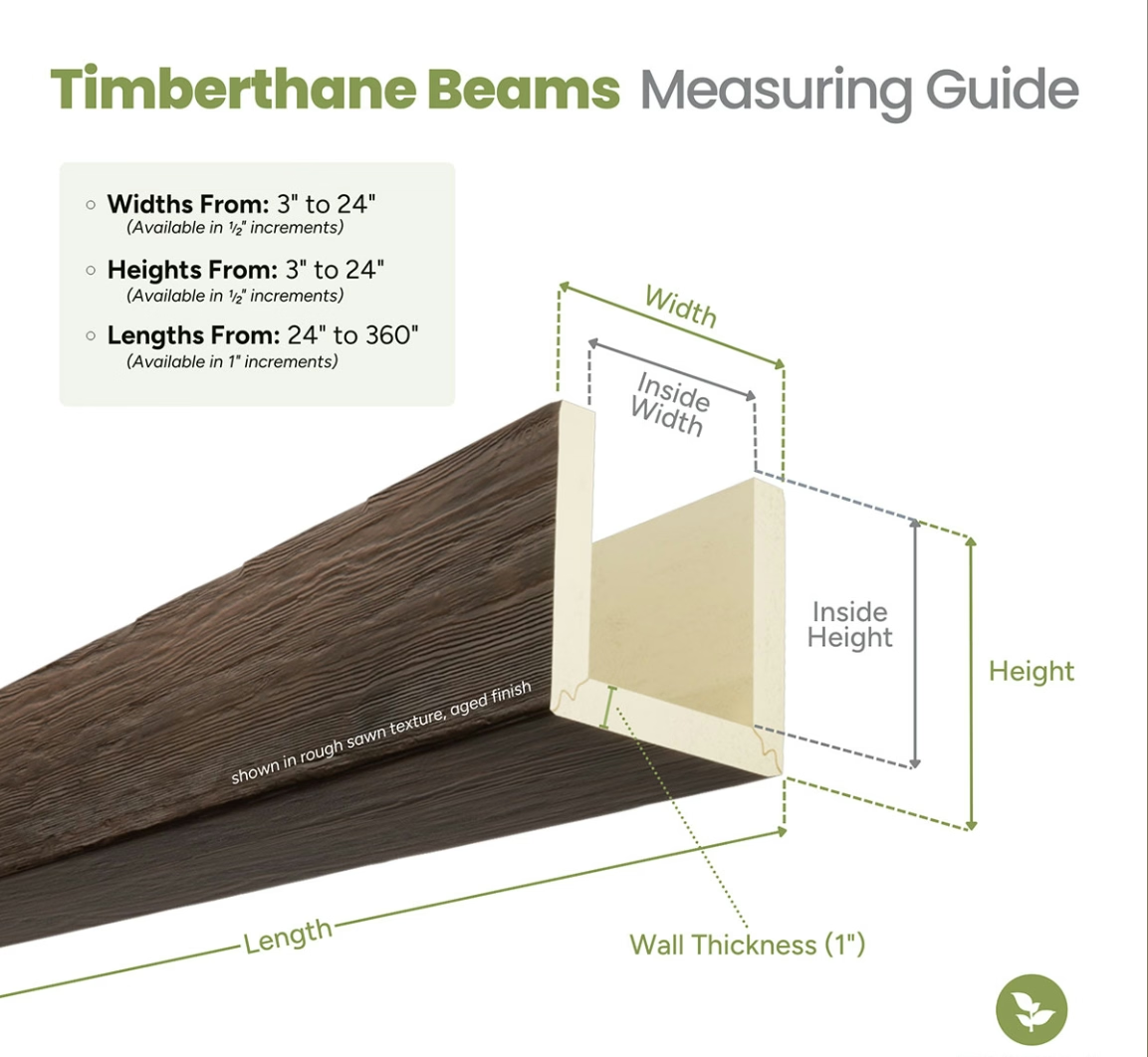
The scale of beams matters significantly in farmhouse applications. Proportionally oversized beams read as authentic to the style, while undersized elements can appear decorative in a way that contradicts farmhouse sensibilities. Quality faux beam manufacturers offer a range of sizes that accommodate proper scaling, allowing designers to specify beams that read as genuine structural elements rather than thin装饰.
Color selection for farmhouse porch beams typically leans toward natural wood tones rather than painted finishes. Weathered grays, honey tones, and medium browns all work well within the farmhouse palette. UV-resistant polyurethane faux beams maintain their selected color indefinitely, eliminating the graying and uneven weathering that natural wood inevitably experiences.
Exterior Exposure Challenges
Porch exteriors face exposure conditions that vary throughout the day and across seasons. Morning dew, afternoon sun, evening humidity, and overnight temperature fluctuations create a cycling environment that stresses building materials continuously. UV-resistant formulations specifically address the radiation component of this stress, while proper product selection addresses moisture and thermal challenges.
South and west-facing porches receive the most intense sun exposure and benefit most from UV-resistant formulations. Even covered porches can receive significant indirect sunlight through gaps in the roof structure or reflected light from surrounding surfaces. The UV resistance built into quality polyurethane faux beams protects against this exposure whether beams receive direct or indirect sunlight.
Moisture management remains important even for UV-resistant materials. Proper installation techniques that prevent standing water and promote drying after rain events extend beam service life significantly. The polyurethane material itself resists moisture absorption, but debris accumulation and poor ventilation can create localized problem areas.

Matching Existing Farmhouse Architecture
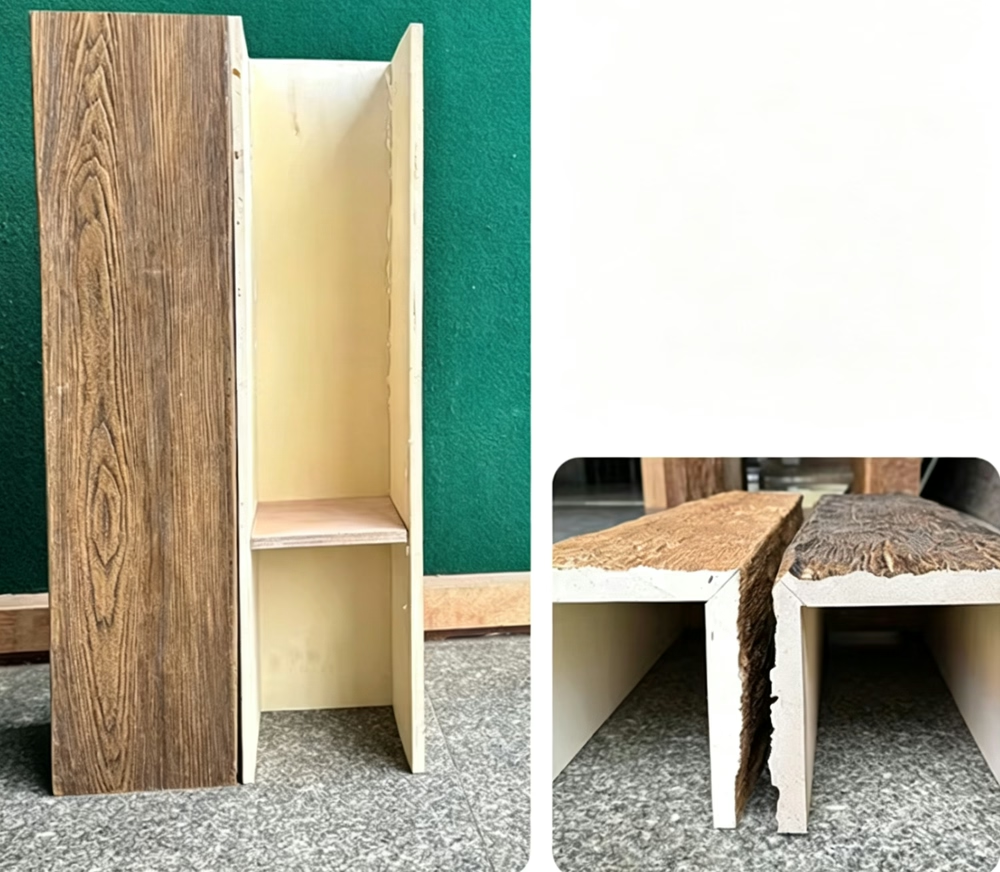
New construction projects can incorporate UV-resistant faux beams as part of the original design, but these products also work beautifully in renovation contexts. Existing porches that have accumulated weather damage to natural wood beams can often be retrofitted with polyurethane replacements that match or complement the original design intent.
Matching specific wood species appearances becomes straightforward with the range of finishes available in quality faux beam products. Whether the farmhouse aesthetic calls for oak, walnut, reclaimed pine, or another species appearance, manufacturers offer options that capture the grain patterns, color variations, and textural qualities of natural wood.
Architectural details such as beam cheeks, corbels, and decorative end treatments can all be replicated in polyurethane, creating a cohesive appearance that extends throughout the porch structure. This consistency of material and finish contributes to the unified visual impact that defines successful farmhouse design.
Structural Considerations for Porch Applications
While polyurethane faux beams are typically decorative rather than structural, they must still perform reliably in their supporting role. Proper fastening to underlying structural elements ensures that beams remain secure through wind loads, thermal cycling, and occasional maintenance contact. The lightweight nature of polyurethane compared to natural wood can actually simplify installation in some contexts.
Span limitations for faux beams follow similar principles to those for natural wood of similar size, though the manufactured consistency of polyurethane allows more confident specification. Design professionals can reference established span tables and installation guidelines to ensure adequate support for the selected beam profile.
For applications requiring authentic structural beams, some manufacturers offer reinforced options with internal steel or engineered wood cores. These hybrid products provide genuine load-bearing capability while maintaining the UV-resistant exterior that makes polyurethane attractive for exterior applications.
Maintenance-Free Farmhouse Living
The most compelling argument for UV-resistant polyurethane faux beams in farmhouse porch applications is the elimination of ongoing maintenance. Natural wood beams require regular inspection, periodic cleaning, and eventual refinishing or replacement. Even pressure-treated wood experiences checking, splitting, and surface degradation over time.
Polyurethane faux beams maintain their as-installed appearance with minimal intervention. Occasional cleaning with mild soap and water removes accumulated dirt and biological growth. The material resists insect damage, fungal decay, and the moisture-related issues that challenge natural wood in exterior applications.
This maintenance-free characteristic proves particularly valuable for rental properties, vacation homes, and other situations where regular maintenance attention cannot be guaranteed. Farmhouse porch aesthetics no longer require maintenance commitments that some property owners find burdensome.
Investment Considerations
While UV-resistant polyurethane faux beams represent a higher initial investment than natural wood alternatives, the total cost of ownership over the life of the installation typically favors the synthetic option. Maintenance labor, refinishing materials, and eventual replacement costs accumulate significantly over decades of service.
Professional designers and builders increasingly specify polyurethane faux beams for farmhouse porch projects where long-term appearance matters and maintenance budgets are constrained. The predictability of manufactured products, combined with their proven durability, makes them increasingly attractive in professional contexts.
Homeowners undertaking personal projects appreciate the straightforward installation characteristics of polyurethane beams. The material cuts cleanly with standard woodworking tools, fastens securely, and produces no splinters or problematic grain patterns that require special handling.

Bringing Farmhouse Vision to Life
UV-resistant polyurethane faux beams make authentic farmhouse porch aesthetics accessible to a broader range of projects and budgets. The combination of realistic wood appearance, genuine UV resistance, and minimal maintenance requirements addresses the practical concerns that might otherwise discourage adoption of exposed beam designs.
Whether undertaking new construction, comprehensive renovation, or modest porch improvement, designers and homeowners can specify these products with confidence. The farmhouse aesthetic they've envisioned—warm, welcoming, and rooted in traditional American craftsmanship—becomes achievable without accepting the maintenance obligations that natural wood would impose.
Technical References
ASTM standards cited in every specification
Test Data
Lab results from internal testing program
Updated 2026
Reviewed against current product specs


