Pergolas and covered porches occupy a special position in residential architecture. These structures define outdoor living spaces while maintaining connection to the natural environment. The beams that form these structures contribute significantly to their visual impact, creating the overhead definition that transforms open spaces into inhabitable rooms. UV-stabilized modified PU faux wood beams provide the aesthetic contribution these structures require while engineering durability specific to their demanding outdoor applications.
The term "modified PU" indicates formulations enhanced beyond standard polyurethane characteristics. These modifications improve specific performance properties—impact resistance, thermal stability, UV protection, or surface hardness—depending on the intended application requirements. For outdoor porch and pergola use, UV stabilization receives particular emphasis while other properties may be balanced for overall performance.
Outdoor Exposure Requirements
Porch and pergola structures face environmental conditions that test materials severely. Direct sunlight, precipitation, humidity, and temperature extremes create a combination of stresses that degrades many materials over time. Natural wood requires constant maintenance to withstand these conditions, and even treated wood eventually succumbs to the accumulated effects of outdoor exposure.
UV radiation represents the most consistent stress factor for porch and pergola applications. Unlike weather events that may occur sporadically, sunlight exposure occurs daily during daylight hours. This constant radiation exposure breaks down organic compounds in unprotected materials, causing fading, chalking, and surface degradation that gradually compromises appearance and integrity.
Modified PU formulations address UV exposure through carefully balanced stabilizer packages. The modification process allows manufacturers to optimize stabilization for specific exposure levels while maintaining other desirable properties. Porch applications under roof overhangs may require different stabilization than fully exposed pergola top members, and modified formulations can address these variations.
Design Flexibility with Modified PU
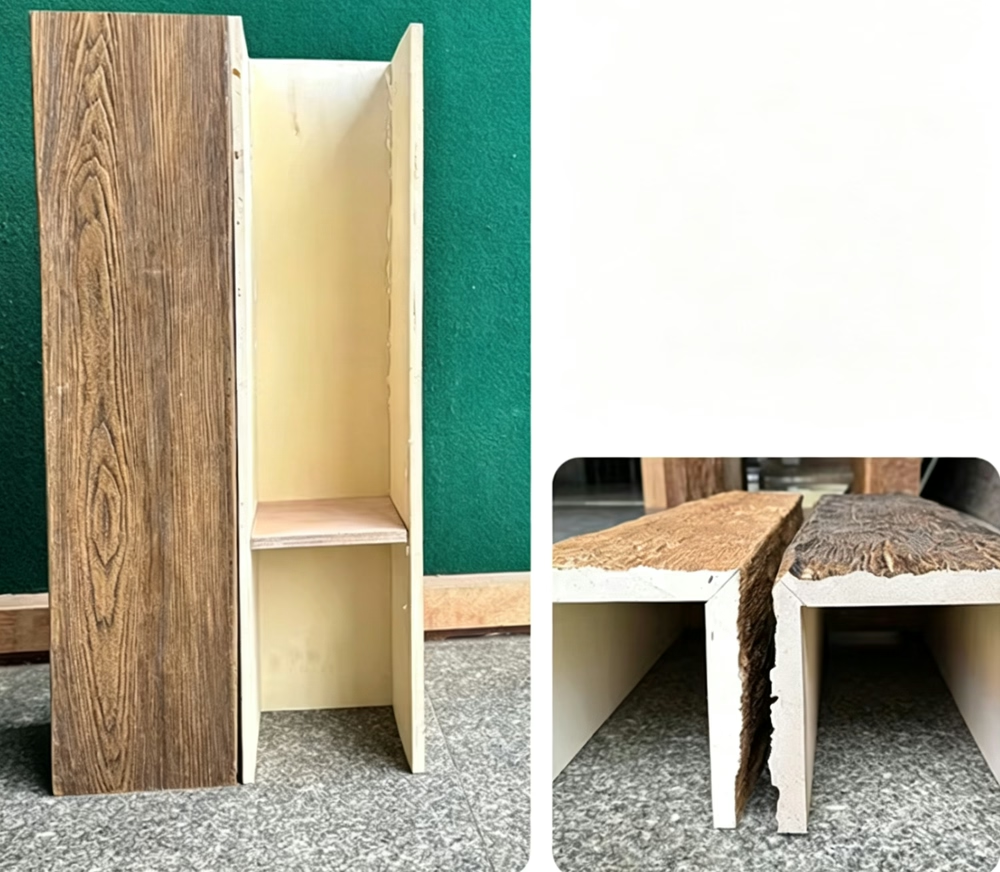
One of the significant advantages of manufactured faux wood beams is the design flexibility they provide. Natural wood availability constrains design options based on species, sizes, and qualities that logging operations produce. Modified PU beams can be produced in virtually any profile, size, and finish that designers specify, limited only by manufacturing capabilities rather than biological constraints.
This flexibility proves particularly valuable for pergola applications where custom dimensions often determine structural adequacy and visual proportion. The ability to specify exact dimensions ensures that beams contribute properly to the overall design regardless of natural wood availability constraints.
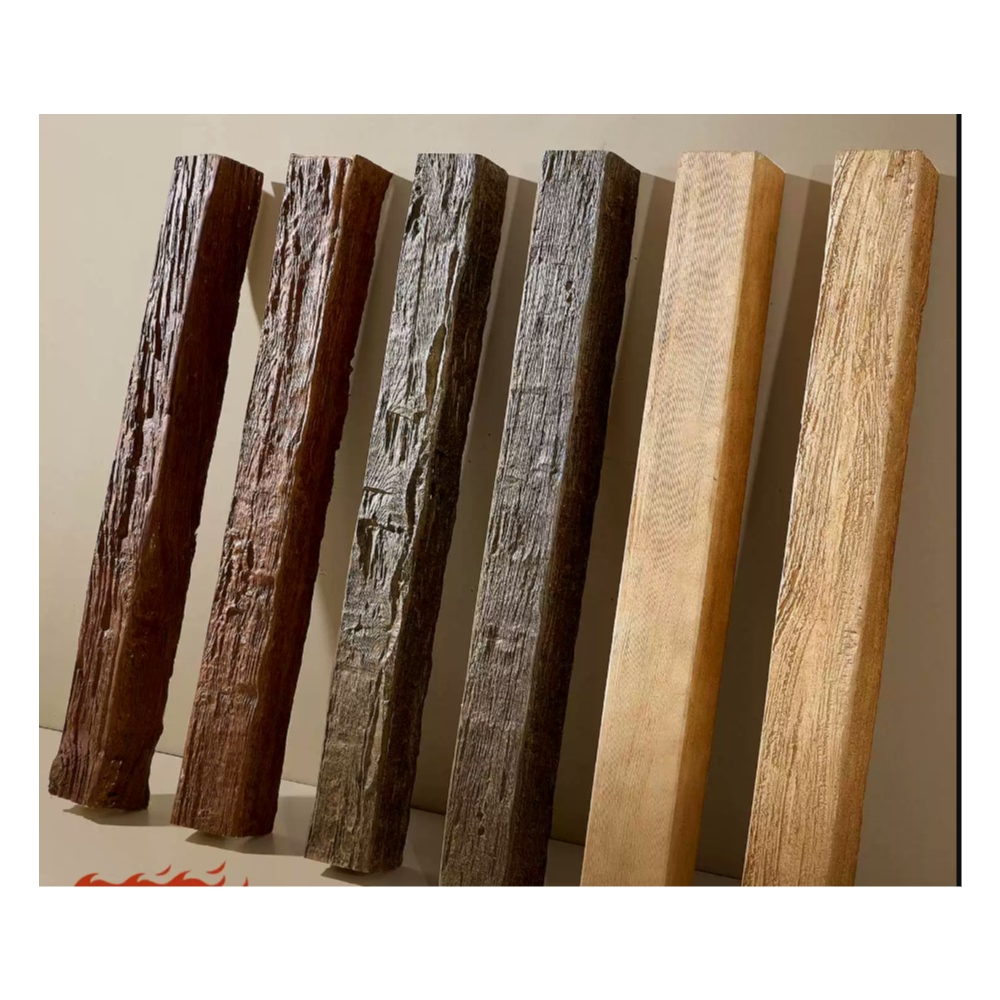
Finish options similarly expand with manufactured products. Custom colors, specialized textures, and unique profiles can be produced consistently across entire installations. This consistency supports design vision execution in ways that natural wood's inherent variability cannot match.
Pergola Applications and Considerations
Freestanding pergolas present the most demanding outdoor exposure conditions for beam materials. The overhead members receive direct sun exposure from above with minimal protective shelter from roof overhangs. UV-stabilized modified PU formulations specifically address this exposure level, providing protection appropriate for the harshest porch and pergola conditions.
Attached pergolas and shade structures may receive somewhat reduced exposure depending on their orientation and surrounding structures. The modification process allows manufacturers to offer products optimized for these varying conditions, balancing UV stabilization levels against cost considerations for different application requirements.
Span capabilities of faux beams require appropriate consideration for pergola applications. While modified PU offers good structural properties, these beams typically serve decorative rather than load-bearing functions. Adequate support spacing and appropriate beam sizing ensure that installations perform reliably without sagging or failure.
Porch Beam Applications
Covered porch applications benefit from the same UV stabilization technology while often facing somewhat reduced exposure compared to freestanding pergolas. The roof overhang provides shade that reduces direct UV exposure, though reflected light and indirect radiation still create meaningful exposure levels that require appropriate protection.
Porch ceiling beams face particularly challenging exposure. The horizontal orientation maximizes UV receipt, and the proximity to reflective hardscaping can amplify radiation intensity. Modified PU formulations with enhanced UV stabilization address these challenging positions effectively.
Structural porch beams supporting roof loads may require different considerations than purely decorative elements. Some manufacturers offer reinforced options with internal structural members that provide genuine load-bearing capability while maintaining the authentic wood appearance that makes faux beams attractive.
Installation Best Practices
Successful outdoor installation of modified PU beams requires attention to detail that ensures long-term performance. Proper fastening to structural supports provides security against wind loads and other forces. The specific fastening requirements depend on beam size, application, and local building codes.
Moisture management around beam installations prevents the accumulation of water that could compromise performance. Appropriate clearances from adjacent surfaces, proper flashing, and consideration of water drainage patterns all contribute to installations that last.
Thermal movement accommodation ensures that beams maintain their appearance and structural integrity through seasonal temperature variations. Modified PU expands and contracts with temperature changes, and appropriate installation techniques prevent buckling, distortion, or joint opening that could compromise appearance.
Weathering and Environmental Stress
Beyond UV exposure, porch and pergola beams face additional environmental stresses that modified PU handles effectively. Temperature extremes cause expansion and contraction cycling, with modified formulations designed to maintain properties across the expected temperature range.
Moisture exposure from rain, dew, and humidity creates conditions that challenge many materials. Polyurethane's inherent moisture resistance provides an advantage here, with modified formulations maintaining this resistance despite prolonged outdoor exposure.
Wind exposure, particularly in exposed locations, creates mechanical stress on beam installations. Quality fastening and appropriate structural support ensure that installations resist wind loads without damage or displacement.
Maintenance Requirements
One of the most significant advantages of UV-stabilized modified PU beams is their minimal maintenance requirement compared to natural wood. Natural wood requires regular inspection, periodic refinishing, and eventual replacement as weathering progresses. Modified PU maintains its appearance with simple occasional cleaning.
Cleaning protocols for outdoor beams involve washing with mild soap and water to remove accumulated dirt, pollen, and biological growth. Pressure washing can be used carefully with appropriate nozzles and distances to avoid surface damage. The goal is simply clean appearance rather than restoration of degraded surfaces.
The UV stabilization in modified formulations ensures that color and surface integrity persist indefinitely under normal outdoor exposure. This permanence eliminates the refinishing cycles that natural wood requires, saving both time and money over the life of the installation.
Cost Considerations
Initial cost comparison between modified PU beams and natural wood alternatives requires consideration of total ownership costs. Natural wood carries lower initial material cost but requires ongoing maintenance investment that accumulates significantly over time.
Refinishing labor for outdoor wood beams can be substantial, particularly for elevated porch ceilings or tall pergola structures. Scaffolding, lifts, and specialized access equipment add to the cost of each maintenance intervention. UV-stabilized modified PU eliminates these recurring expenses.
Replacement costs for failed wood beams represent another factor in total cost analysis. Even maintained natural wood eventually requires replacement, while properly installed modified PU beams provide service across decades without requiring replacement for UV-related degradation.

Selection Guidance
Product selection for porch and pergola applications should consider specific exposure conditions. Fully exposed freestanding pergolas may require higher UV stabilization levels than covered porch installations. Quality manufacturers provide guidance matching products to specific applications.
Technical specifications including impact resistance, thermal stability, and UV weathering results help buyers evaluate products against their requirements. These specifications reflect the modification process that distinguishes these products from standard formulations.
Warranty coverage provides manufacturer assurance of product performance. Comprehensive warranty terms that cover fade resistance, surface integrity, and physical properties demonstrate confidence in the modified formulation technology.
Technical References
ASTM standards cited in every specification
Test Data
Lab results from internal testing program
Updated 2026
Reviewed against current product specs


