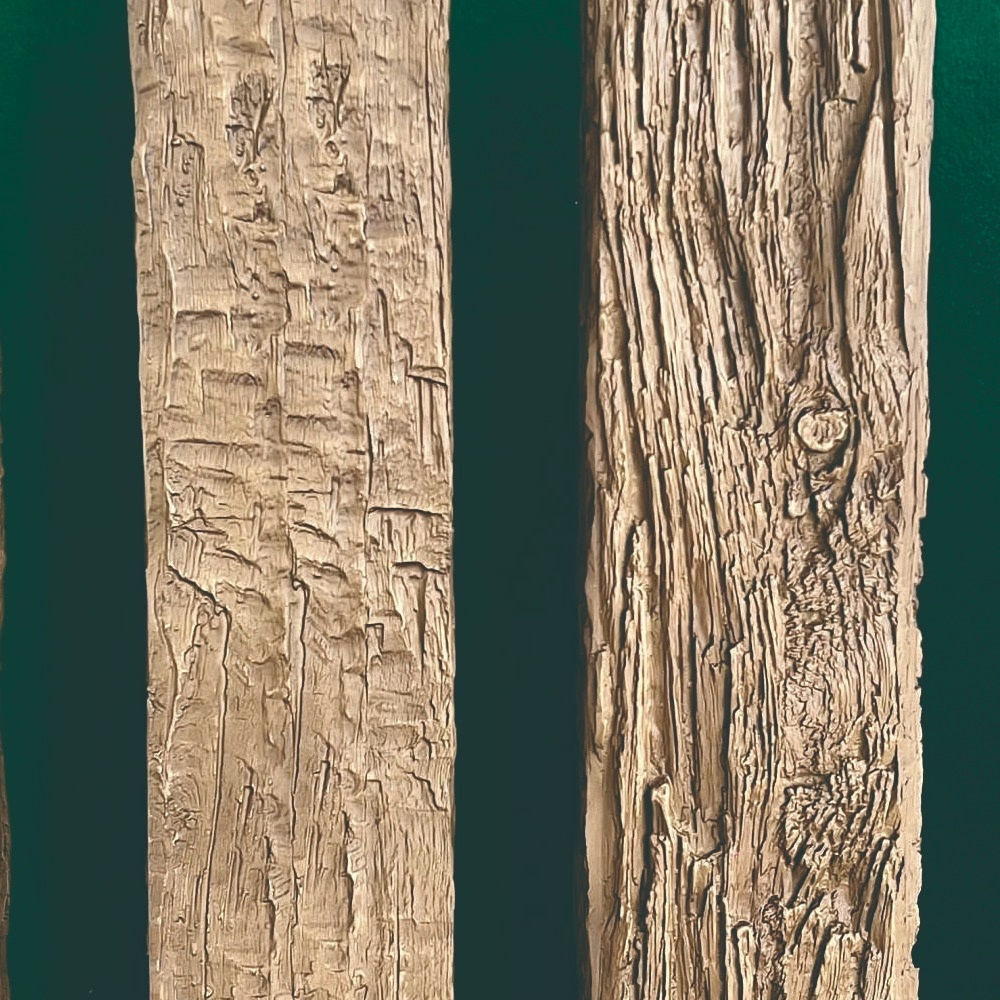
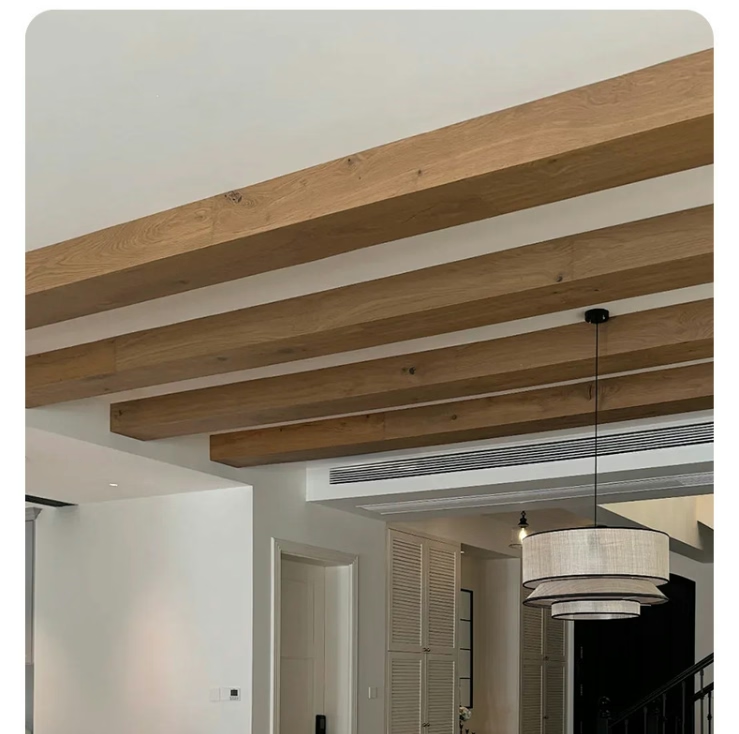
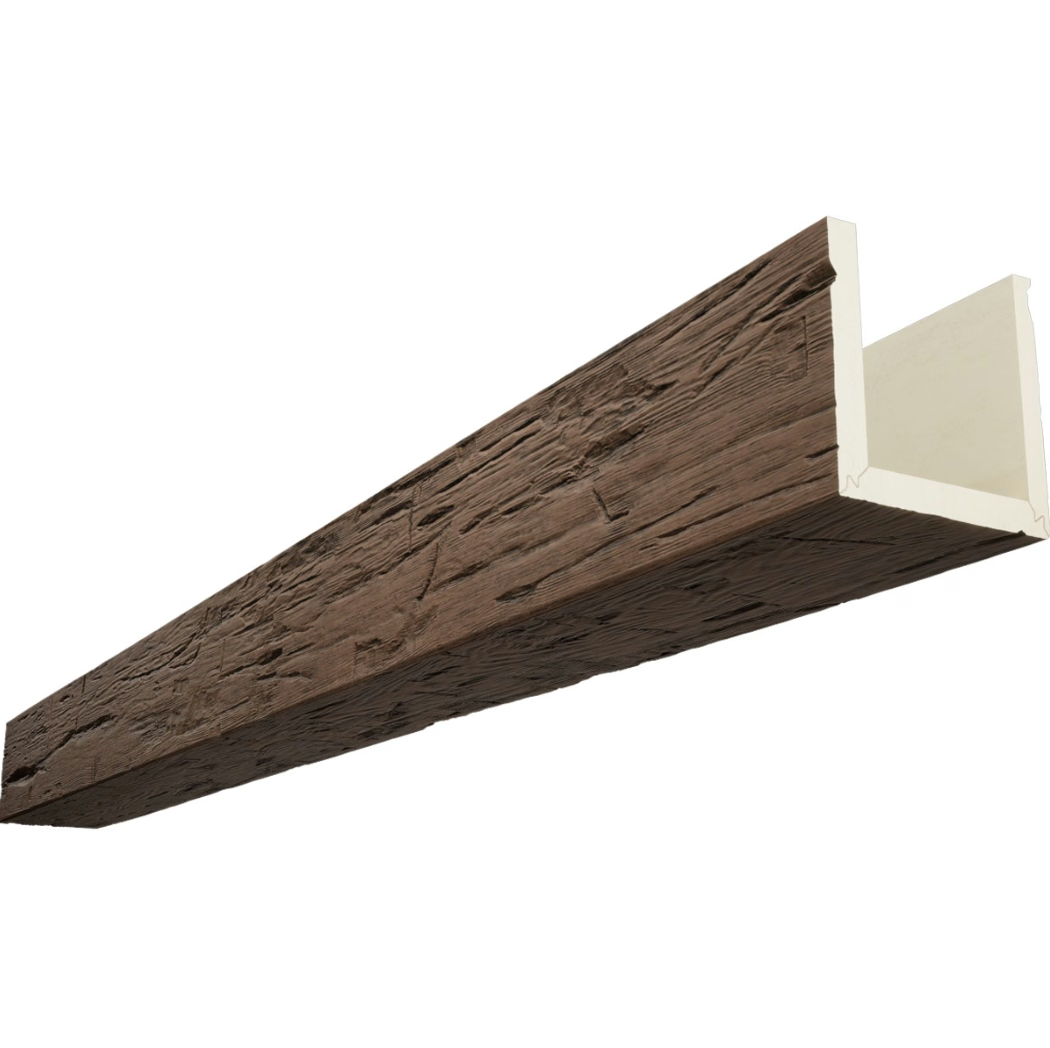
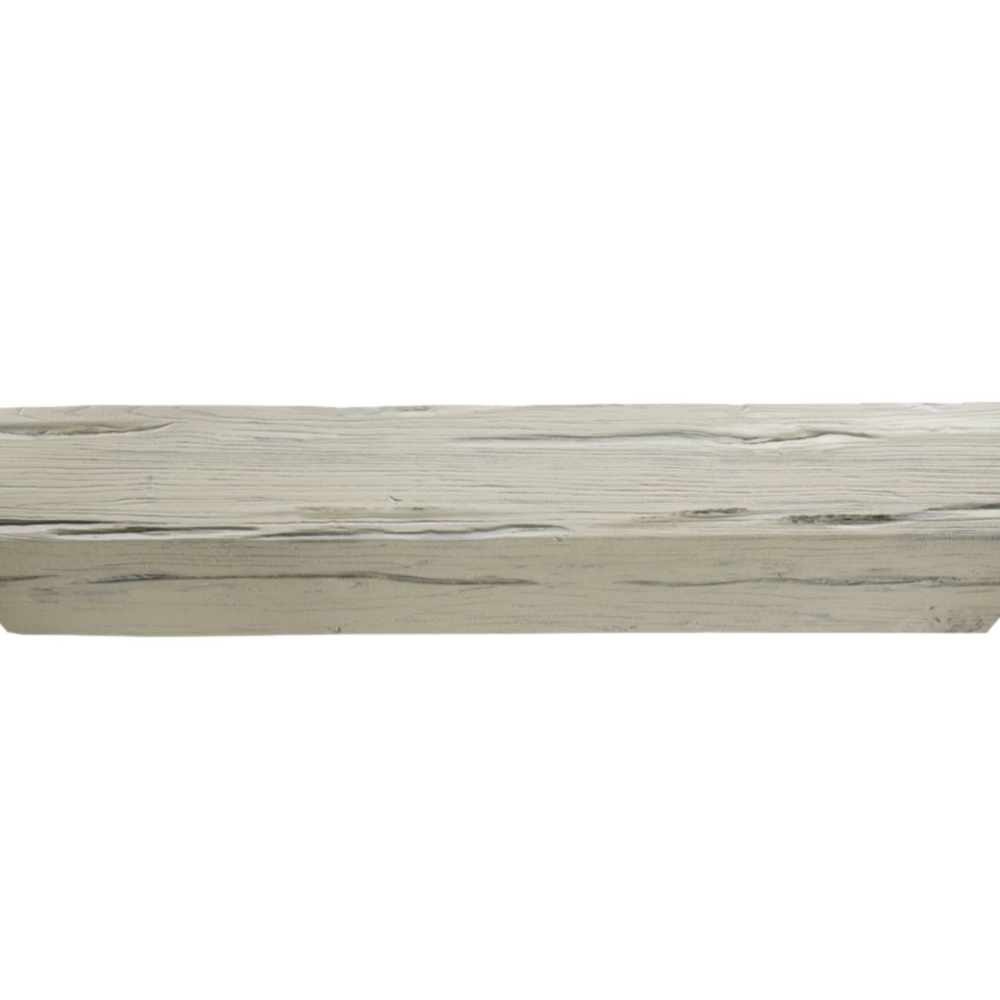
Carports serve essential shelter functions while representing significant exterior design opportunities. The roofed structure protecting vehicles from weather also defines the architectural character of home entrances and contributes substantially to curb appeal. UV-stabilized polyurethane faux beams add warmth and visual interest to carport designs, transforming utilitarian structures into attractive home features.

The carport environment differs from covered patio or porch applications in ways that affect material performance. Vehicle traffic introduces vibration, occasional impacts from loading and unloading, and proximity to vehicle emissions. Understanding these specific conditions helps ensure beam selections appropriate for carport applications.
Carport Environmental Conditions
Vehicle proximity generates exhaust emissions that settle on nearby surfaces. Hydrocarbons, nitrogen oxides, and particulate matter from combustion engines create films on surfaces that may affect appearance over time. Quality polyurethane formulations resist these contaminants, maintaining clean appearance through periodic washing without requiring aggressive cleaning methods.
Temperature variations in carport spaces often exceed those in enclosed structures. Direct sun exposure heats carport roofs significantly, while nighttime temperatures drop rapidly once sun exposure ends. This thermal cycling creates stress that demands materials capable of repeated expansion and contraction without cracking or delaminating.
Humidity variation between dry and humid conditions affects carport spaces differently than enclosed areas. Open-sided carports experience natural ventilation that prevents humidity accumulation but may experience condensation during temperature transitions. The combination of moisture with varying temperatures tests material performance in ways enclosed spaces avoid.
UV Exposure in Carport Applications
Carport roofs experience intense UV exposure that demands explicit stabilization in beam formulations. Unlike covered porches with deep shade, carport beams often mount under roofing materials with limited UV protection. Reflected radiation from vehicle hoods, pavement, and nearby surfaces adds to direct exposure in ways that increase effective UV intensity.
Morning and afternoon sun angles in carport orientations affect exposure patterns throughout the day. East-facing carports experience intense morning exposure, while west-facing structures endure peak afternoon radiation. North-south orientations distribute exposure more evenly but may still face significant UV loads during summer months when radiation angles are most direct.
Overhead UV exposure in carport applications differs from wall-mounted or vertical surface exposure. Gravity affects how degradation byproducts accumulate, with degraded material potentially accumulating on surfaces below rather than washing away as on vertical surfaces. This accumulation can create visible discoloration patterns that differ from those on other exposure orientations.
Material Performance Requirements
Impact resistance proves important in carport applications where activity around vehicles creates collision opportunities. Loading cargo, maintaining vehicles, and general carport use occasionally results in accidental impacts that might damage less-robust materials. Quality polyurethane formulations maintain adequate impact resistance for these challenging applications.
Chemical resistance ensures that beam surfaces withstand exposure to common carport contaminants. Gasoline, motor oil, antifreeze, and cleaning products may contact beam surfaces occasionally. Premium polyurethane formulations resist these substances without staining, swelling, or surface degradation that might compromise appearance.
Moisture resistance addresses the humid conditions and occasional wet exposure that carports experience. While carport beams should not receive direct rainfall exposure, wind-driven rain may contact surfaces during storms. Roof runoff and vehicle splash can create localized wet conditions that demand moisture-resistant materials throughout the beam structure.

Design Integration Approaches
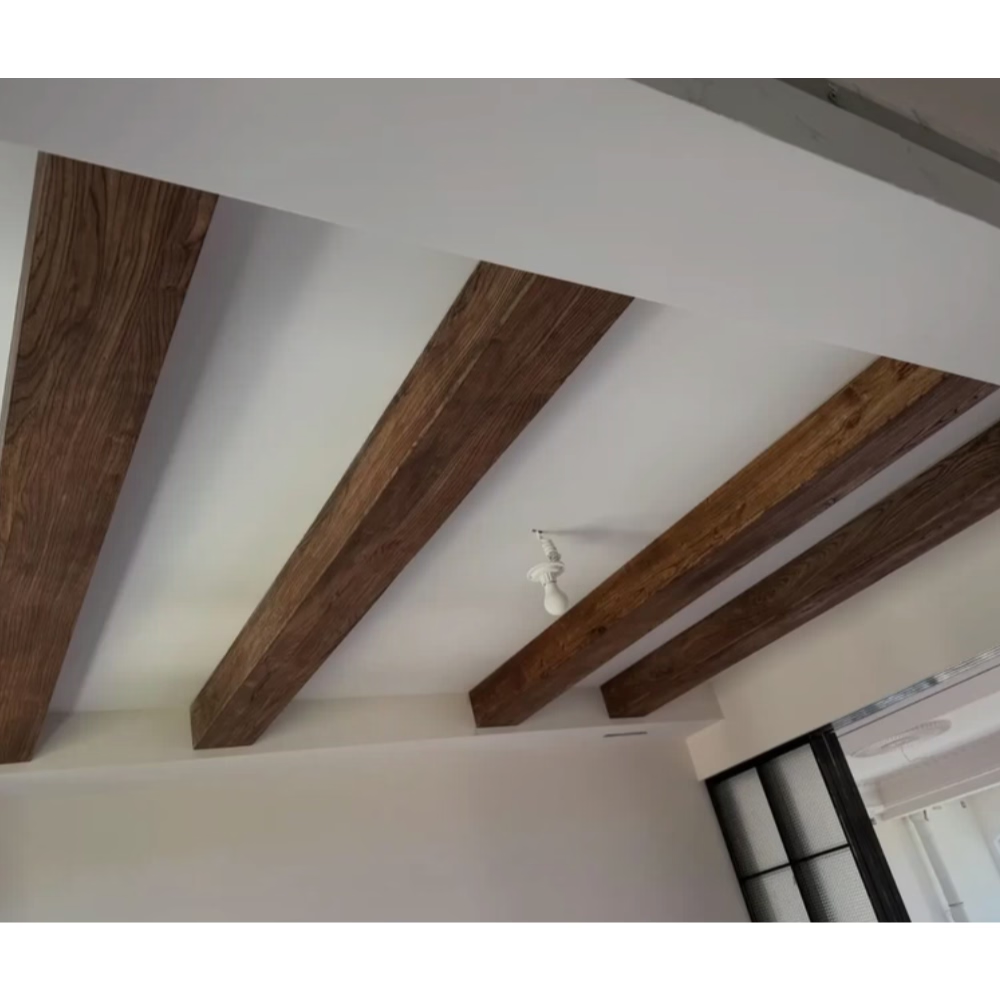
Coordinating beam aesthetics with home exterior materials creates cohesive architectural statements. Wood-look beams complement various exterior finishes including natural wood siding, brick veneer, and fiber cement panels. The warmth of wood tones balances the cooler appearances of many exterior cladding materials.
Beam sizing should relate appropriately to carport proportions. Large carports accommodate substantial beams that create visual mass proportional to the overall structure. Smaller carports may require more modest beam sizing that maintains proportional relationships without overwhelming the carport design.
Support column beams transform structural supports into design features that enhance carport appearance. Columns wrapped or covered with faux beams provide continuity with overhead beam installations while adding visual interest to vertical elements. This design language creates complete architectural treatments rather than isolated decorative additions.
Installation for Carport Performance
Mounting hardware selection considers the outdoor conditions carport installations experience. Stainless steel or coated fasteners prevent corrosion that might compromise connections over time. The galvanic corrosion potential between dissimilar metals in humid conditions demands careful fastener selection that accounts for moisture exposure.
Flashing and water diversion prevent water infiltration at beam-to-roof junctions. Proper detailing ensures that roof runoff does not contact beam surfaces directly, extending the appearance maintenance interval. The investment in weatherproofing details during installation pays dividends through reduced maintenance requirements throughout the beam service life.
Ventilation provisions behind covered beam elements prevent moisture accumulation that might compromise mounting or promote biological growth. Small gaps and drainage provisions maintain airflow that dries any moisture before it creates problems. These details prove particularly important in humid climates where moisture management determines long-term performance.
UV-stabilized polyurethane faux beams enhance carport aesthetics while delivering the performance outdoor vehicle shelter applications demand. The combination of UV resistance, temperature tolerance, and chemical exposure resilience ensures lasting beauty that justifies the investment in these architectural enhancements.
Technical References
ASTM standards cited in every specification
Test Data
Lab results from internal testing program
Updated 2026
Reviewed against current product specs