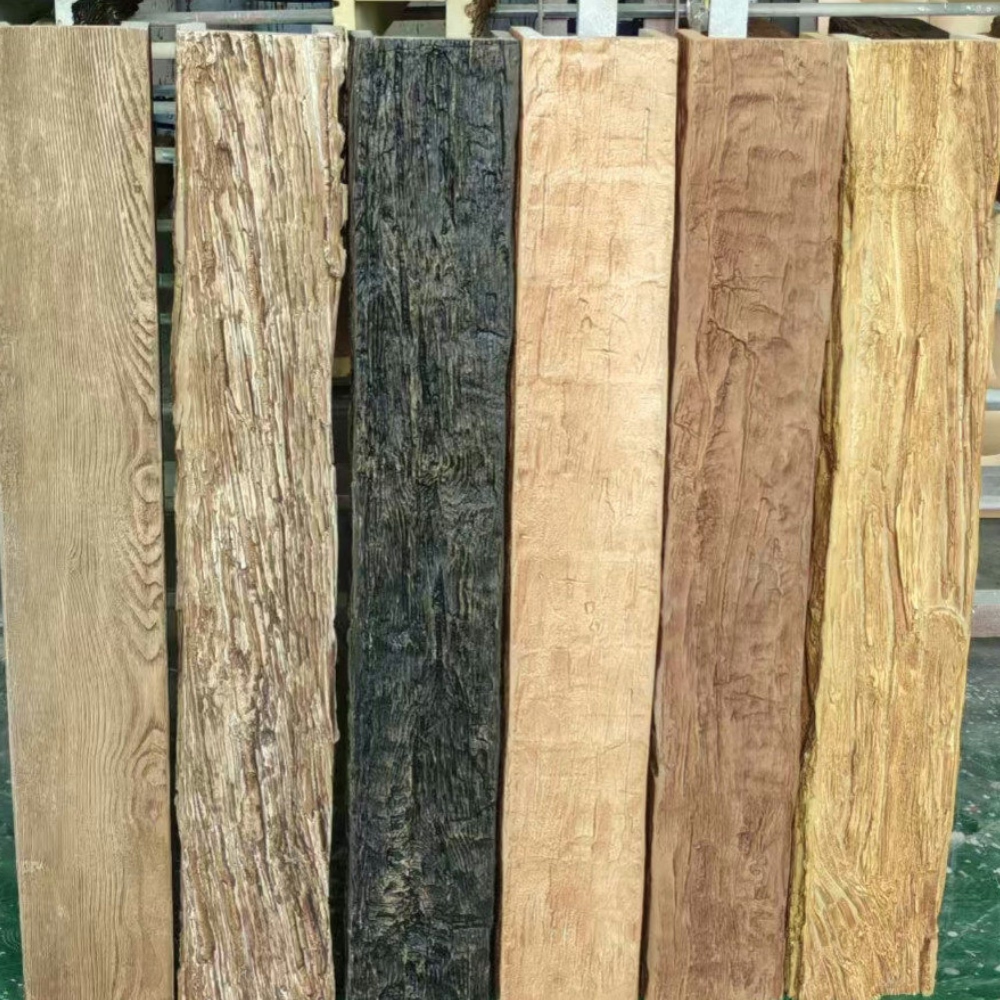
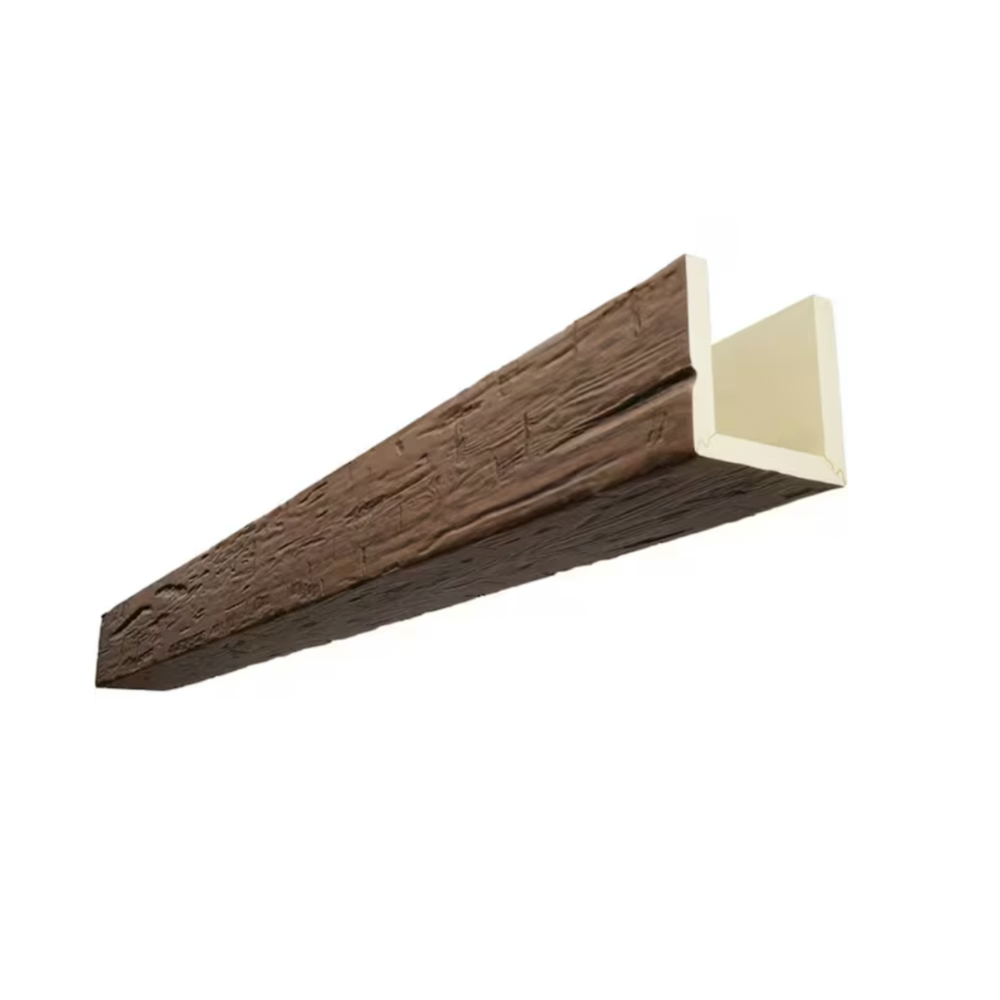
Vaulted and cathedral ceilings transform ordinary rooms into dramatic spaces that inspire and impress. The vertical expansion these ceiling styles create adds architectural interest while improving natural light distribution and perceived spaciousness. Realizing the full potential of vaulted ceilings often involves incorporating beams that complement the scale while adding warmth and character. Vaulted ceiling dedicated PU faux wood beams provide the proportions, aesthetics, and practical benefits that these ambitious ceiling designs require.
The challenge with vaulted ceilings lies in achieving visual balance. Small-scale details disappear in the large volumes these ceilings create, while oversized elements can appear cartoonish or out of proportion. Vaulted ceiling dedicated beams address this challenge through sizing and styling specifically engineered for dramatic ceiling applications.
The Scale Challenge in Vaulted Spaces
Vaulted ceilings create architectural volumes that dwarf human scale, requiring elements of corresponding size to maintain visual balance. Standard beam sizes that work beautifully in conventional eight-foot ceiling applications can appear trivial when installed in fifteen or twenty-foot vaulted spaces. The proportional requirements shift dramatically.
Visual weight becomes a critical consideration in vaulted applications. The ceiling plane expands dramatically, reducing the perceived weight of architectural elements within the space. Beams that lack adequate mass can appear insubstantial, failing to contribute meaningfully to the spatial experience.
The sightlines within vaulted spaces also affect beam perception. Visitors typically view vaulted ceilings from angles that emphasize length and height rather than width. Beams oriented along these sightlines should maintain interest and presence despite the challenging viewing geometry.
Dedicated Engineering for Vaulted Applications
Vaulted ceiling dedicated beams address scale challenges through increased dimensions that maintain presence in large spaces. Larger cross-sections, wider flange widths, and deeper profiles create visual weight appropriate to vaulted applications. These dimensions aren't simply scaled-up standard sizes—they're engineered specifically for dramatic ceiling environments.
Profile design for vaulted beams emphasizes visual interest from multiple viewing angles. Standard beams may show only limited surface area from typical viewing positions, but vaulted beams incorporate details visible from below that maintain interest despite challenging sightlines.
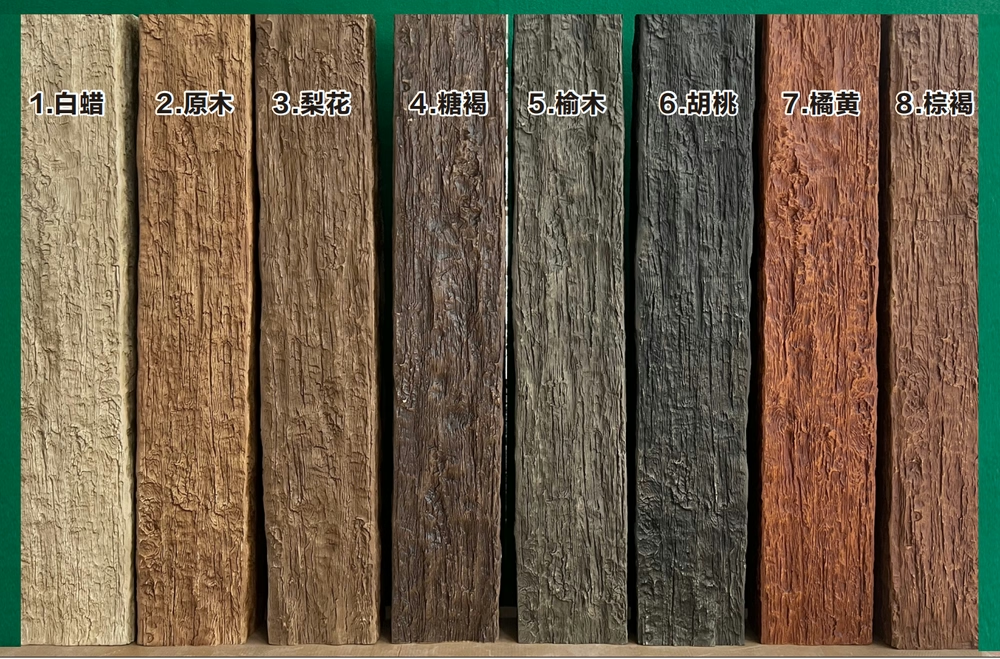
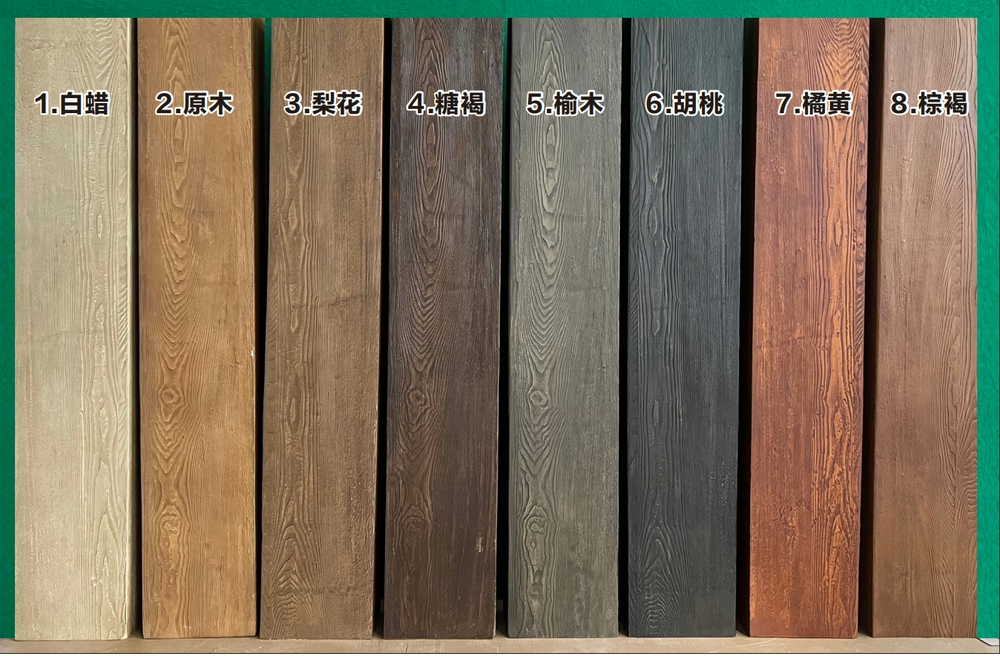
Finish selection for vaulted beams should account for the lighting conditions these spaces typically create. Vaulted ceilings often feature more natural light than conventional ceilings, with light arriving from angles that highlight surface texture and grain patterns. Finishes that respond well to these lighting conditions enhance rather than compromise the beam appearance.
Aesthetic Contributions
Beams in vaulted spaces serve primarily aesthetic purposes while potentially also addressing structural or architectural requirements. The wood-like appearance adds warmth to what might otherwise be stark, cavernous spaces. This warmth transforms intimidating volumes into inviting environments.
Visual division represents another important function of vaulted ceiling beams. Without beams, large vaulted ceiling planes can feel featureless and disorienting. Beams create visual breaks that help occupants understand and appreciate the space without claustrophobic confinement.
The architectural character that beams provide supports interior design themes throughout the space. Rustic farmhouse aesthetics, contemporary minimalism, and traditional elegance all can incorporate vaulted beams as defining elements of their design vocabulary.
Style Options for Vaulted Ceilings
Contemporary vaulted spaces often favor clean-lined beams with minimal detailing. The sleek, modern aesthetic suits spaces with clean surfaces and simple geometries. Polyurethane beams can achieve this contemporary character with smooth surfaces and precise proportions.
Traditional and rustic vaulted ceilings benefit from more detailed beam treatments. Decorative corbels, chamfered edges, and detailed textures support period-appropriate aesthetics while maintaining the scale these spaces require. Variable texture options enhance authenticity in traditional applications.
Industrial and transitional styles also accommodate vaulted beams effectively. The raw material character that industrial design pursues can be authentically replicated in polyurethane, while transitional spaces benefit from the flexibility that manufactured beams provide.
Installation Approaches
Vaulted ceiling beam installation requires planning appropriate to the unique conditions these spaces present. Access for installation may be challenging, particularly in extremely high ceilings where lift equipment becomes necessary. This access requirement affects both installation cost and scheduling.
Support structure preparation ensures that vaulted beams install securely. The visual weight of large beams requires adequate structural attachment, with appropriate fasteners and support systems ensuring that beams remain secure despite gravity and seismic forces.
Alignment precision matters more in vaulted applications than in conventional ceiling work. The scale of vaulted spaces amplifies any alignment errors, making precision installation essential for achieving the visual perfection these spaces demand.
Lighting Integration
Vaulted ceiling beams often interact with lighting systems in ways that conventional ceiling installations don't encounter. Recessed lighting between beams, exposed beam lighting fixtures, and indirect lighting effects all require coordination between beam installation and lighting design.
Beam placement should account for natural light patterns that vaulted ceilings often feature. Skylights, clerestory windows, and roof configurations create lighting conditions that vary throughout the day. Beams positioned to complement these lighting patterns enhance rather than conflict with natural illumination.
Fixture attachment to vaulted beams requires appropriate hardware and consideration of beam load limits. Light fixtures, ceiling fans, and decorative elements attached to beams add weight that the installation must accommodate securely.
Structural and Decorative Considerations
Distinguishing between structural and decorative beam installations affects both specification and installation approach. Structural beams must meet load-bearing requirements that decorative beams do not. This distinction influences sizing, attachment, and potentially product selection.
Hybrid approaches combine structural and decorative functions in single installations. Exposed real structural members receive wrapping or covering treatments that provide decorative appearance while maintaining structural capability. Vaulted ceiling dedicated beams can accommodate these hybrid approaches effectively.
Genuine structural beams made from engineered materials can be finished to match decorative faux beams, creating cohesive appearances that include both structural and decorative elements. This coordination enables comprehensive design approaches that address aesthetic and structural requirements simultaneously.
Maintenance Access
Planning for maintenance access proves important even in decorative beam installations. Vaulted ceilings may require specialized access equipment for cleaning, inspection, or repair. Considering these requirements during design prevents difficult situations later.
Cleaning protocols for vaulted beams should account for the difficulty of access. Lower-maintenance finishes that don't require frequent attention prove particularly valuable in vaulted applications where cleaning access is challenging and expensive.
Inspection requirements for attached fixtures should also inform installation decisions. Light fixtures, fans, and other elements that will require future maintenance should attach in ways that facilitate that maintenance without requiring extensive beam disturbance.
Cost Considerations
Vaulted ceiling beam installations typically cost more than conventional ceiling work due to increased material quantities and more challenging installation conditions. Larger beams require more material, and the access difficulties of vaulted spaces increase installation labor.
The investment in vaulted beams pays dividends through the dramatic spatial effects they create. The transformation from unadorned vaulted ceiling to beam-enhanced space often exceeds the proportional cost increase, creating value beyond the simple addition of architectural elements.
Quality vaulted ceiling beams deliver value through decades of service without maintenance requirements that affect the overall investment picture. The absence of refinishing, staining, or other upkeep contributes to lifecycle value that justifies initial investment.
Design Coordination
Successful vaulted beam installations require coordination between multiple design disciplines. Architectural drawings should indicate beam locations and sizes, while structural engineering should verify support adequacy. Interior design should coordinate finish selection and lighting integration.
Sample approvals ensure that beams meet expectations before commitment to full installation. The scale of vaulted installations makes sample verification particularly important, as viewing samples at actual scale provides the most accurate preview of finished appearance.
Contractor coordination ensures that installation follows design intent while addressing practical conditions encountered during construction. Experienced contractors understand vaulted ceiling challenges and can advise on approaches that achieve design goals efficiently.
Achieving Dramatic Impact
Vaulted ceiling dedicated PU faux wood beams enable dramatic interior transformations that define spaces and create lasting impressions. The combination of appropriate scale, authentic aesthetics, and practical durability makes these products uniquely suited for ambitious ceiling projects.
Professional design involvement helps ensure that vaulted beam installations achieve their full potential. Designers experienced with vaulted spaces understand the subtleties that distinguish successful installations from disappointing ones.
The investment in quality beams and professional installation pays returns through spaces that inspire and delight. Vaulted ceilings represent significant architectural commitments, and dedicated beams complete these spaces appropriately.

Spacious Living with Vaulted Beams
Vaulted ceilings with appropriately scaled beams create living spaces that feel expansive and inspiring. The wood-like warmth that beams provide transforms potentially stark volumes into comfortable, inviting environments.
Quality PU faux beams deliver the aesthetic benefits of vaulted design without the maintenance obligations that natural wood would impose. The permanence of manufactured appearance ensures that vaulted spaces remain beautiful indefinitely.
For homeowners and design professionals pursuing dramatic ceiling effects, vaulted ceiling dedicated beams provide the means to achieve ambitious spatial visions with confidence.
Technical References
ASTM standards cited in every specification
Test Data
Lab results from internal testing program
Updated 2026
Reviewed against current product specs