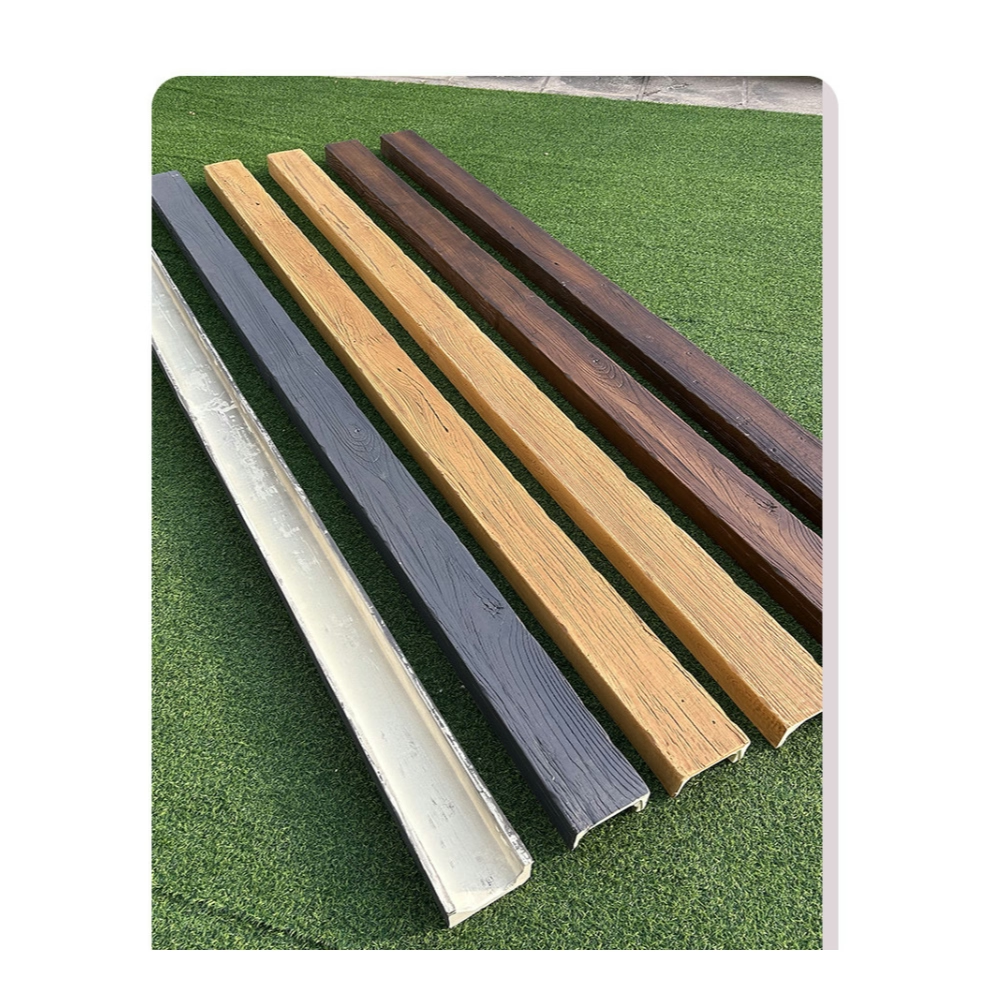
Property refresh projects and comprehensive renovations share a common challenge: adding meaningful value without triggering construction chaos. Complete tear-outs and extensive rebuilding deliver dramatic results, but the disruption, cost, and timeline often prove prohibitive. Smart renovation strategy focuses on high-impact elements that transform perception without requiring structural intervention. Ceiling beams occupy an exceptional position in this calculus, delivering architectural sophistication that fundamentally changes how spaces feel.
Faux beams present renovation opportunities that genuine timber cannot match. The installation process generates minimal dust and debris, requires no structural reinforcement, and completes in hours rather than days. Property owners can remain in residence during installation in many cases, avoiding the displacement that makes major renovations so disruptive to daily life. These practical advantages translate directly into cost savings and schedule compression.
Strategic Value Addition Through Beam Installation
The perceived value of beam installations extends beyond mere aesthetics. Properties featuring ceiling beams consistently command higher prices in real estate markets, with buyers recognizing the architectural significance these elements provide. In competitive housing markets, beam installations differentiate properties and accelerate sales. For renovation projects targeting resale, beams represent exceptionally high return on investment.
Beyond resale considerations, beam installations enhance livability in ways that matter to current occupants. The visual warmth that beams introduce softens contemporary interiors that might otherwise feel cold or institutional. The architectural interest creates psychological comfort associated with established, crafted spaces rather than generic new construction. These intangibles translate into daily satisfaction that pure financial analysis cannot capture.
The scope of transformation achievable through beam installation surprises many property owners. A dated ceiling that previously went unnoticed becomes a defining feature. Flat, uninspired rooms gain the character that previously required expensive architectural intervention. The change affects not just the room containing beams but adjacent spaces connected visually through doorways and sight lines.
Planning Comprehensive Beam Installations
Successful refurbishment projects require coordinated planning that addresses ceiling condition, structural considerations, and overall design integration. Before specifying beams, examine the existing ceiling carefully. Surface condition affects both preparation requirements and installation options. Minor imperfections can be concealed behind beams, but water damage, structural issues, or significant unevenness require attention before cosmetic work begins.
Lighting integration deserves early consideration in any comprehensive plan. Existing ceiling fixtures may require relocation, and new fixture positioning should account for beam placement. Some renovation projects use beam installations as opportunities to upgrade lighting entirely, adding recessed fixtures, track lighting, or statement pendants that complement the new ceiling treatment.
The relationship between beams and other ceiling elements—crown moldings, ceiling medallions, architectural trim—requires thoughtful resolution. In some cases, beams replace these elements entirely. In others, beams integrate with existing trim to create layered treatments that enhance both components. Our technical documentation addresses these junction details with specific guidance for common scenarios.

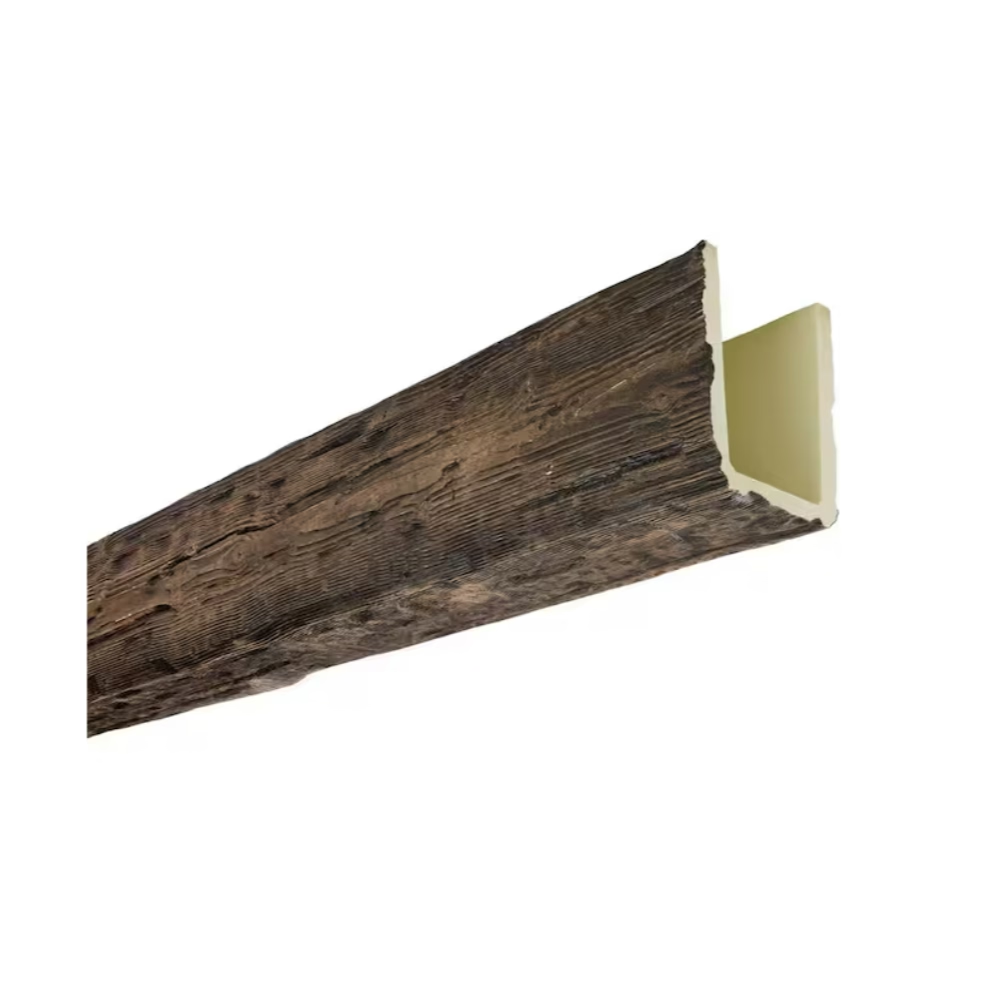
Room-by-Room Installation Strategies
Living rooms represent the most common beam installation location and often deliver the most dramatic results. Standard ceiling heights accommodate single beams, parallel pairs, or complete ceiling grid patterns depending on room dimensions and design goals. The visual center that beams create provides natural furniture arrangement guidance, with seating typically orienting toward beam patterns.
Kitchens with ceiling beams create warmth that balances the mechanical nature of cooking spaces. Beams above islands or peninsulas define work zones without obstructing sight lines or open sight lines that make kitchen spaces feel connected to adjacent rooms. The wood texture introduces organic warmth that softens cabinet finishes and countertop materials.
Bedroom beam installations require sensitivity to scale. Master bedrooms with generous ceiling heights accommodate substantial beams that create intimate, cocoon-like retreats. Guest bedrooms or children's rooms may work better with smaller-scale beams or accent treatments that add interest without overwhelming smaller dimensions.
Bathroom beam installations benefit particularly from polyurethane's moisture resistance. Real timber in bathroom ceilings faces constant humidity challenges that eventually compromise appearance and structure. Polyurethane eliminates these concerns while providing the wood character that makes bathroom spaces feel luxurious rather than institutional.
Coordinating with Other Renovation Work
Comprehensive refurbishment projects often proceed in phases, with beam installation occurring as part of larger renovation scopes. Timing beam installation relative to other trades requires coordination to prevent damage and ensure proper integration. Ideally, beams install after major structural and mechanical work completes but before final finishes and furnishings arrive.
If beams must install during active construction, protecting them from dust, debris, and physical damage becomes essential. Temporary coverings during painting and finishing work prevent damage that would require remediation. Coordinating delivery timing with installation crews prevents storage concerns and ensures beams arrive when needed.
Electrical work should complete before beam installation when possible. Running wiring through beam mounting zones, installing junction boxes, and positioning fixtures avoids the need to work around installed beams. Similarly, HVAC modifications addressing ductwork or ventilation should resolve before beams occupy ceiling space.
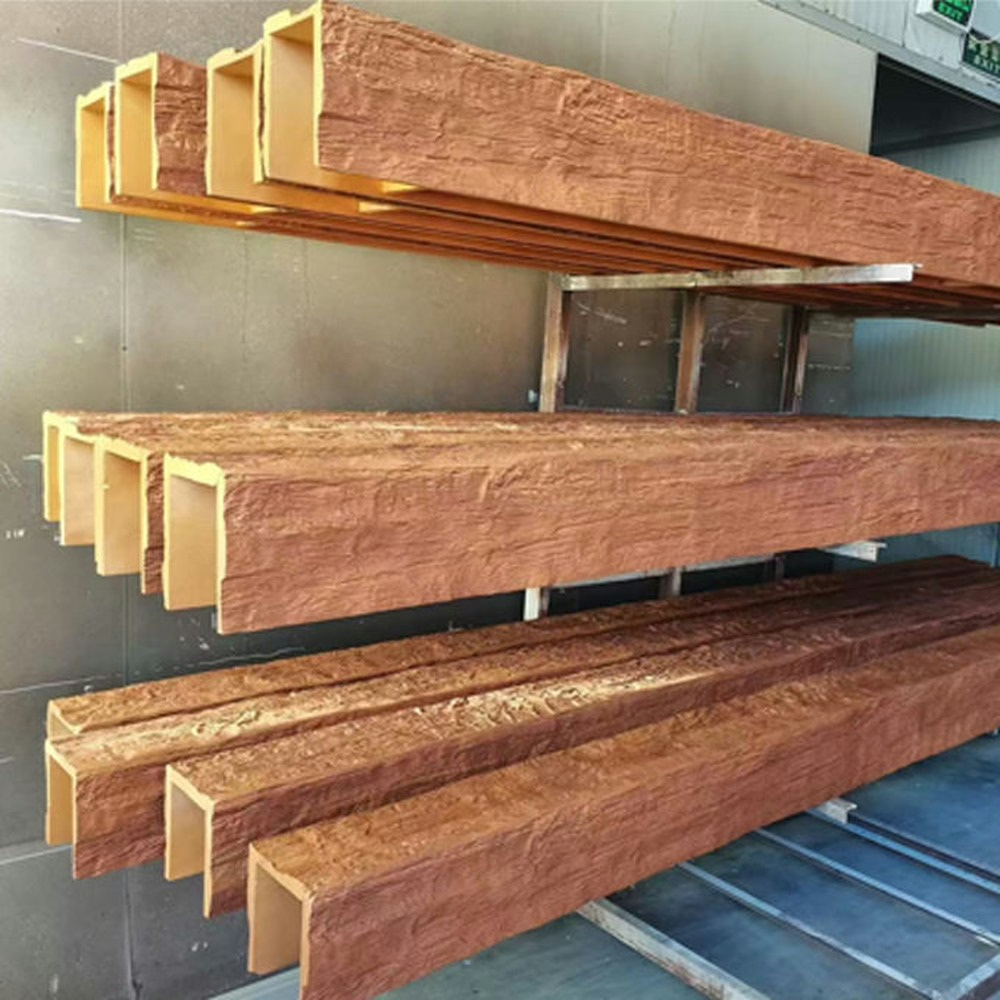
Long-Term Performance and Care
Polyurethane beam maintenance proves remarkably simple compared to real timber. No periodic sealing or staining maintains appearance. No monitoring for insect activity or moisture damage. No concern about accidental impacts causing permanent damage. The finish remains stable across years of use, requiring only routine cleaning to maintain appearance.
Minor repairs, if ever needed, can be addressed with materials included in our maintenance kits. These kits contain color-matched repair compounds, finishing materials, and instructions for addressing common issues. More significant damage can be addressed through section replacement, with individual beam segments removed and new pieces installed without disturbing adjacent elements.
Our warranty coverage protects against manufacturing defects, providing additional confidence for comprehensive renovation investments. Discuss your specific project scope with our renovation specialists to receive detailed specifications and installation guidance tailored to your property's requirements.
Technical References
ASTM standards cited in every specification
Test Data
Lab results from internal testing program
Updated 2026
Reviewed against current product specs