
The home improvement landscape encompasses everything from fifteen-minute fixes to multi-month construction projects. Faux timber beams occupy a unique position in this spectrum, offering transformation potential that rivals major construction while accommodating installation approaches ranging from straightforward weekend projects to professionally managed installations integrated with comprehensive renovations.
Understanding how beam installations fit within different improvement scales helps homeowners and contractors alike plan appropriate approaches. The same product can serve radically different project scopes depending on selection, preparation, and installation choices.
Weekend Warrior Beam Projects
Some of the most satisfying home improvement work requires nothing more than an afternoon and basic tools. Faux timber beam installations for this context typically focus on single-beam accents, small decorative installations, or beam wrapping projects that address specific problem areas rather than comprehensive ceiling treatment.
A single beam positioned above a dining table creates an immediate focal point that transforms the entire room's perception. This focused intervention draws attention upward, making ceilings feel higher and spaces more interesting. The simplicity of execution—no need to coordinate multiple beams, establish repeating patterns, or achieve professional-grade finish work—allows weekend warriors to achieve professional-looking results.
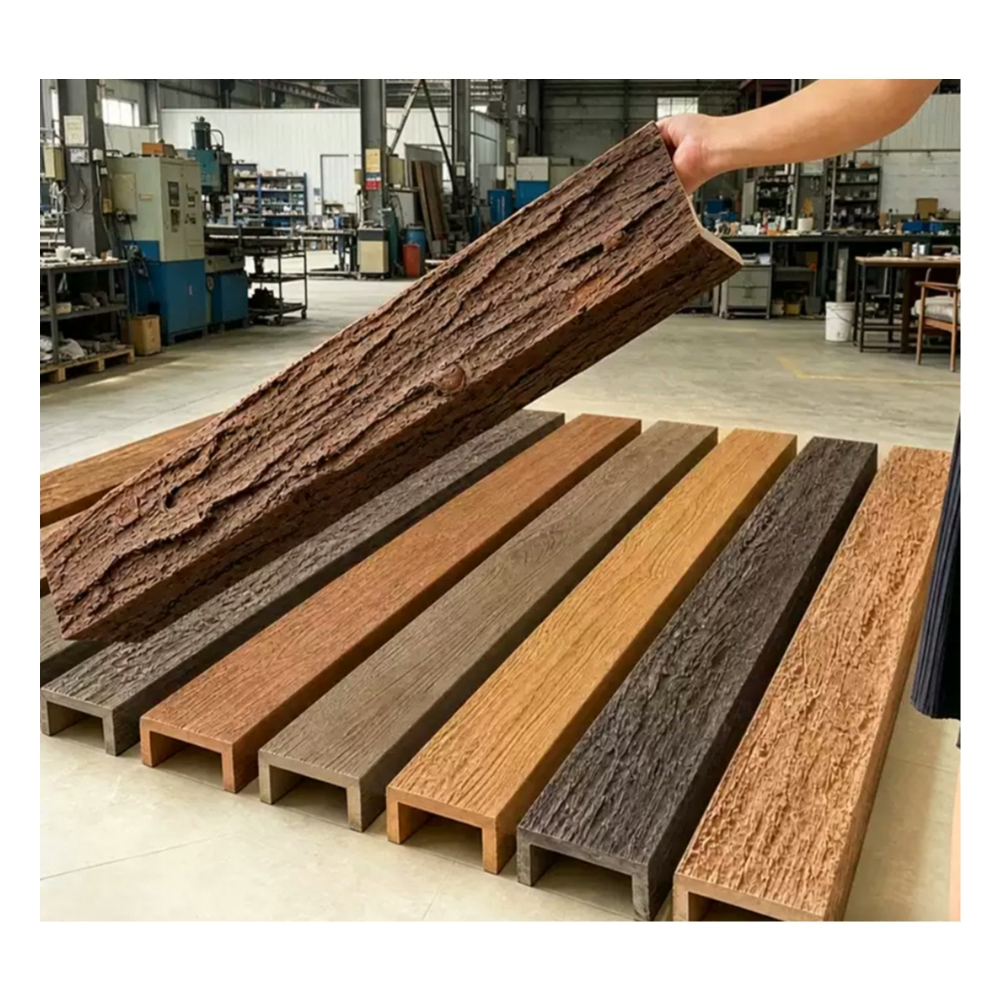
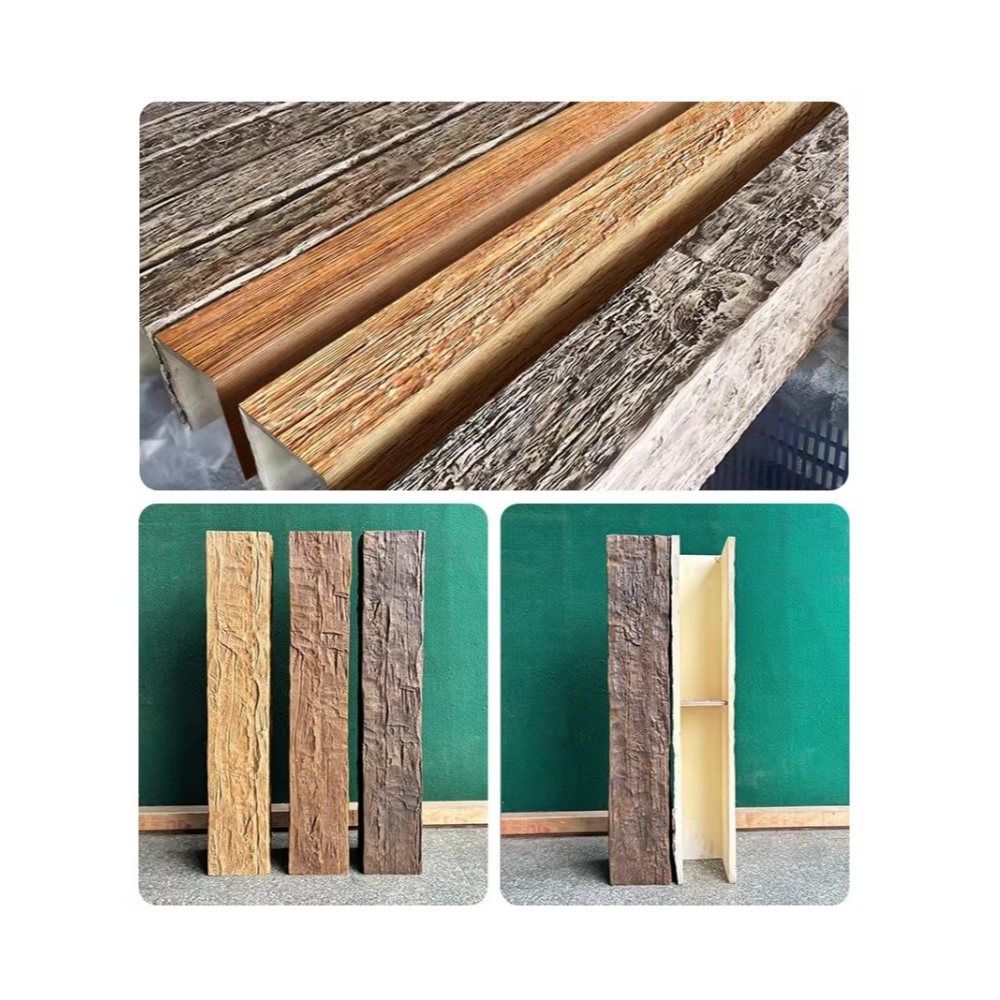
Beam wrapping projects similarly accommodate limited timeframes. Identifying dated or damaged exposed beams in the home, wrapping them with C-shape polyurethane shells delivers immediate transformation without demolition. The existing structure remains in place, concealed entirely within the new shell. Homeowners accomplish meaningful improvement without committing to extended construction schedules.
Small decorative installations—accent beams in breakfast nooks, partial beams above bed headboards, or corner beams in home offices—similarly fit weekend project parameters. These smaller-scale interventions demonstrate what full installations might accomplish, allowing homeowners to evaluate aesthetic impact before committing to larger investments.
Mid-Scale Renovation Integration
Comprehensive kitchen renovations, bathroom upgrades, and room conversions typically proceed over weeks rather than hours. Faux timber beam installations integrate naturally into these timelines, often occurring during finish stages once major construction completes but before furnishing. The installation's relative speed compared to other finish work prevents it from extending project schedules.
Kitchen beam installations frequently coordinate with cabinet installation, countertop templating, and appliance placement. Beams above islands or peninsulas require positioning that relates to appliance locations, seating arrangements, and work triangle efficiency. Coordinating these elements during renovation planning ensures beams enhance rather than complicate the kitchen's functional organization.
Basement finishing projects benefit significantly from beam installation, transforming spaces that might otherwise feel institutional and uncomfortable. The warmth that beams introduce counteracts the below-grade association that makes basements feel less desirable than above-ground rooms. Combined with appropriate lighting and finishing, beam installations help basements achieve the character that makes them genuinely livable.
Attic conversions present similar opportunities, with ceiling beams defining spaces that previously served only storage functions. The sloped ceilings common in attic conversions accommodate beams that follow roof angles, creating the exposed structure aesthetic that defines loft living. Polyurethane's lightweight nature proves particularly valuable here, as attic floor structures may not support the weight of real timber.

Professional Installation Considerations
Larger-scale projects benefit from professional installation that ensures optimal results. While faux beams install more easily than structural timber, achieving truly professional results across extensive installations requires experience with alignment, junction detailing, and finishing work that novice installers may not possess.
Professional installers understand how to address complications that arise during installation: uneven ceiling surfaces, misaligned structural elements, fixture relocations, and unexpected conditions discovered once work begins. Their ability to problem-solve these issues without disrupting project timelines distinguishes professional work from amateur attempts.
Coordination with other trades requires communication that homeowners managing their own projects may struggle to achieve. Electricians, HVAC technicians, painters, and finish carpenters all interact with ceiling work, and professional installers maintain relationships that facilitate this coordination. The resulting installations integrate seamlessly with other work rather than standing apart awkwardly.
Budget Planning and Cost Considerations
Home improvement budgets benefit from realistic cost estimation that accounts for all project elements. Faux timber beam installations involve not just beam costs but mounting hardware, finishing materials, and potentially labor if professional installation applies. Our comprehensive quotation process itemizes these elements, allowing accurate budget inclusion.
The investment level achievable with faux beams spans a wide range based on project scope and product selection. Single-beam accent installations require minimal investment while delivering meaningful impact. Full ceiling treatments with premium finishes and professional installation represent more substantial commitments but transform spaces commensurately.
Return on investment calculations should consider both aesthetic value and practical advantages. Polyurethane beams eliminate ongoing maintenance requirements that real timber would demand, contributing long-term savings that offset initial investment. Additionally, beam installations typically increase property values by amounts exceeding installation costs in most real estate markets.
Getting Started with Your Project
Whether you're contemplating a small accent installation or planning comprehensive ceiling treatment, our consultation services help clarify options and establish realistic expectations. Sample programs allow you to evaluate appearance in your actual space before committing, ensuring satisfaction with final results.
Project planning resources on our website address common questions and provide guidance for successful installations. Technical documentation covers specific requirements for different beam types and installation scenarios.
Reach out to discuss your home improvement ideas. Understanding your property characteristics, design goals, and budget parameters allows us to recommend approaches that achieve your objectives effectively.
Technical References
ASTM standards cited in every specification
Test Data
Lab results from internal testing program
Updated 2026
Reviewed against current product specs


