
The ceiling represents the fifth wall that interior design often neglects. While walls receive endless attention through paint colors, wallpaper patterns, and mounted artwork, ceilings frequently remain unfinished planes that contribute nothing to spatial character. Premium ceiling decoration changes this equation, transforming overlooked overhead space into design opportunities that reward attention.
Faux wood components extend the beam concept into a broader vocabulary of ceiling decoration. Beyond traditional beams themselves, these products include architectural trim, decorative medallions, corbels, faux support brackets, and integrated lighting elements. Each component type contributes distinct aesthetic qualities while maintaining compatibility with broader design systems.
Understanding Decorative Component Categories
Architectural trim elements establish visual boundaries and transitions between ceiling planes. Crown molding in wood appearance defines the junction between walls and ceilings with traditional elegance. Beam trim creates the appearance of structural ceiling members where none actually exist. Panel trim frames ceiling sections to create coffered or recessed effects without construction complexity.
Decorative medallions serve focal points where lighting fixtures or architectural features intersect the ceiling plane. These circular or geometric elements provide finishing detail that elevates ordinary installations into refined presentations. Medallions work particularly effectively with pendant fixtures, chandeliers, and ceiling fan mounts, adding presence that fixtures alone cannot achieve.
Corbels and brackets introduce faux structural support that reinforces beam aesthetics. These elements create the impression of load-bearing conditions that justify the presence of decorative beams, adding authenticity to installations that might otherwise read as purely cosmetic. Strategic placement at beam ends or intervals along beam runs significantly enhances overall realism.
Creating Layered Ceiling Treatments
Sophisticated ceiling designs layer multiple component types to achieve complex visual effects. The most basic approach combines beams with crown molding, establishing clear ceiling definition while introducing wood texture into the space. More elaborate treatments might incorporate medallions at beam junctions, brackets supporting beams at ends, and integrated lighting elements creating ambient glow.
The coffered ceiling concept utilizes decorative panel trim to create recessed grid patterns across ceiling surfaces. While traditional coffered construction involves significant carpentry and structural modification, faux wood trim enables similar effects through surface application. The resulting appearance commands attention without requiring the construction that historical coffered ceilings demanded.
Tray ceilings—those featuring recessed central sections with elevated borders—benefit from decorative trim at the transition between levels. This trim establishes clear definition of the tray's geometry while adding material richness that plain painted edges cannot provide. The combination of tray geometry and decorative trim creates ceiling presence appropriate for formal rooms and master bedrooms.

Material Advantages in Decorative Applications
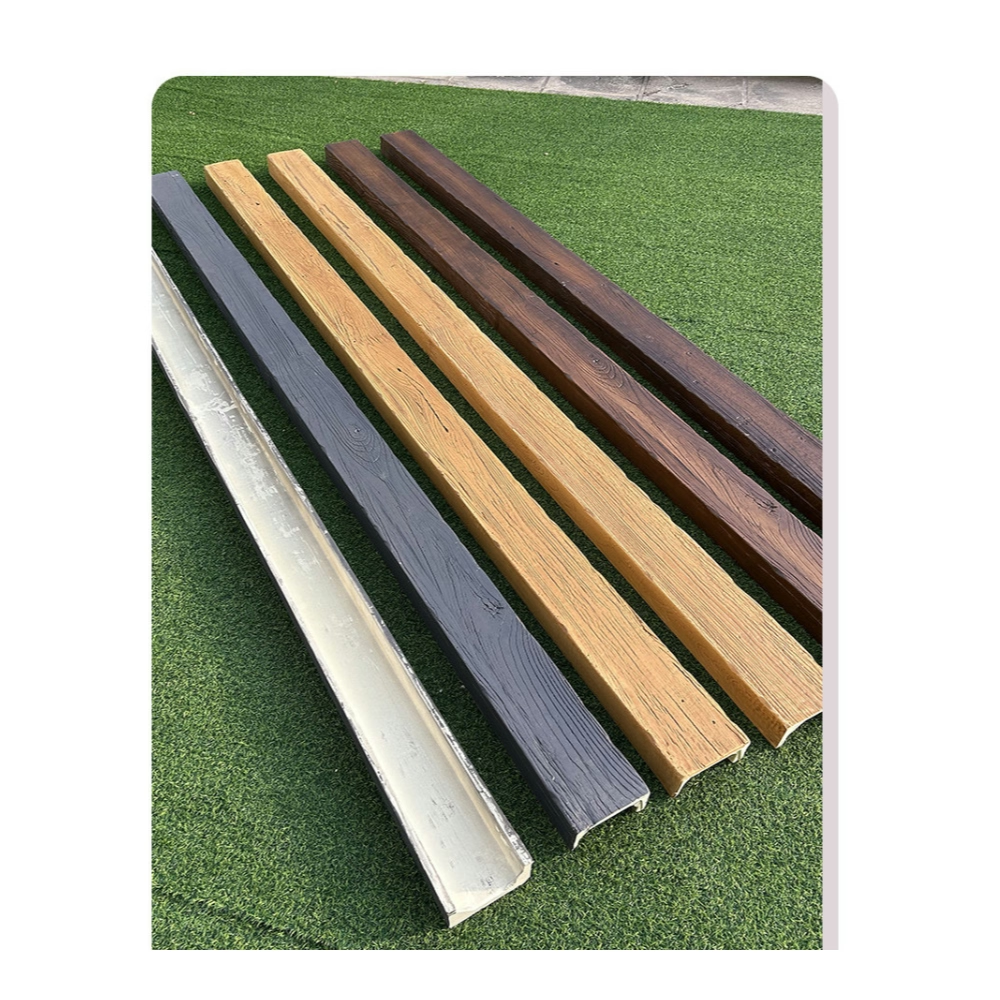
Polyurethane's material properties prove particularly valuable in decorative applications. The lightweight nature of the material allows secure attachment to ceiling surfaces without structural concerns that heavier materials would raise. Trim pieces that would require substantial mechanical fastening if made from solid wood attach easily with adhesive and minimal mechanical fastening.
Dimensional stability ensures decorative components maintain alignment and appearance over time. Real wood trim develops gaps at joints as seasonal movement occurs, requiring periodic maintenance to address separation and cracking. Polyurethane maintains consistent dimensions regardless of humidity conditions, eliminating these concerns while preserving perfect appearance.
The ability to achieve detailed profiles consistently makes polyurethane particularly suitable for decorative elements with complex cross-sections. Intricate molding profiles that would be difficult and expensive to produce in timber can be manufactured reliably in polyurethane. This capability expands the design vocabulary available for ceiling decoration significantly.
Coordination with Existing Architecture
Successful ceiling decoration integrates with existing architectural features rather than conflicting with them. Before specifying decorative components, examine the building's architectural character to ensure appropriate selection. Traditional homes benefit from decorative treatments that honor historical precedent, while contemporary spaces often prefer cleaner profiles that don't overwhelm minimal aesthetics.
The scale of existing architectural elements should influence decorative component sizing. Homes featuring substantial crown molding, substantial door casings, and substantial window trim accommodate larger decorative ceiling elements. More modest existing architecture benefits from correspondingly modest decorative treatment that enhances rather than overwhelms.
Existing ceiling features—coved corners, decorative plasterwork, exposed ductwork—require consideration in decorative planning. Some features can be incorporated into decorative schemes while others may constrain options. The goal involves achieving integrated results where decorative elements feel like natural extensions of architectural character rather than additions imposed without consideration.
Installation Approaches and Techniques
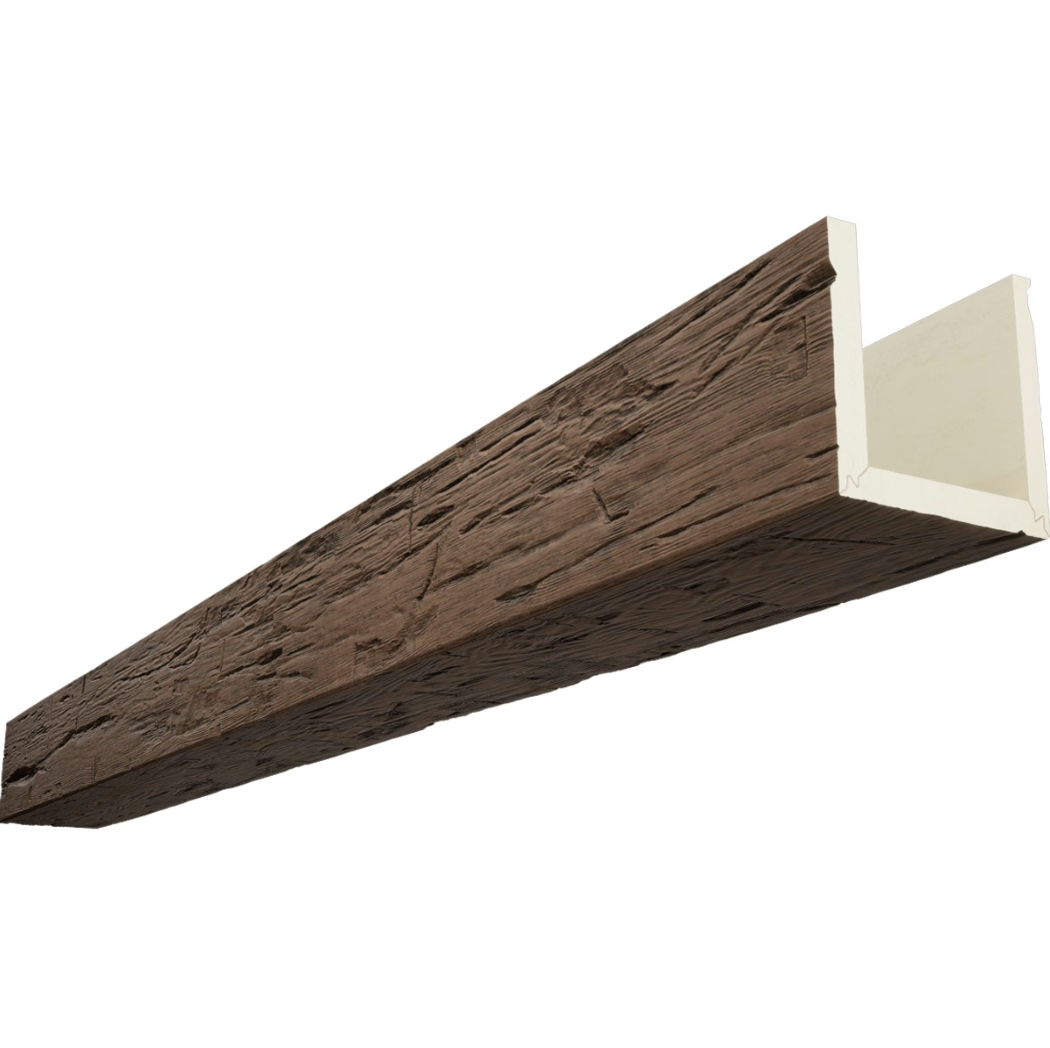
Decorative component installation follows different protocols than full beam installation. Trim elements typically attach with construction adhesive supplemented by pin nailing that holds pieces in position until adhesive cures. The adhesive provides permanent bond while pin nails—positioned in locations that can be filled and painted—disappear from finished appearance.
Joint construction requires attention that affects long-term appearance. Outside corners should meet cleanly without gaps, while inside corners require relief cuts that prevent buckling when pieces expand slightly. Miter cuts for trim require precise angles that our pre-finished pieces achieve consistently where on-site cutting might introduce variation.
Corbels and brackets typically require mechanical fastening in addition to adhesive. The weight of these elements and the potential for accidental contact justifies supplementary attachment to structural elements where possible. Our installation guidelines specify appropriate fastening for different component types and installation locations.
Planning Decorative Ceiling Projects
Comprehensive ceiling decoration projects benefit from systematic planning that addresses all component types and their interactions. The specification sequence typically begins with primary elements—beams if used—establishing the dominant ceiling treatment. Secondary elements like trim and medallions then respond to and enhance the primary treatment rather than competing with it.
Sample evaluation allows assessment of how different components appear together. The interaction between different finishes, textures, and profiles affects overall impact in ways that individual component review cannot reveal. Requesting samples of components under consideration allows evaluation in actual ceiling conditions before committing to purchase.
Our design consultation services help develop comprehensive specification plans for decorative ceiling projects. Discussing your space, existing architecture, and aesthetic goals allows us to recommend component combinations that achieve your objectives effectively.
Reach out to our specification team to discuss your decorative ceiling project. Whether you're adding trim to existing beams or planning comprehensive ceiling treatment from scratch, our expertise helps ensure satisfying results.
Technical References
ASTM standards cited in every specification
Test Data
Lab results from internal testing program
Updated 2026
Reviewed against current product specs


