Interior renovation presents the perpetual challenge of achieving cohesive results across diverse stylistic influences. The homeowner's tastes may span decades and design movements, combining antiques with contemporary furniture, rustic textures with sleek finishes, and traditional layouts with modern sensibilities. Materials specified for these projects must accommodate this eclectic tendency without introducing contradictions that undermine design unity.
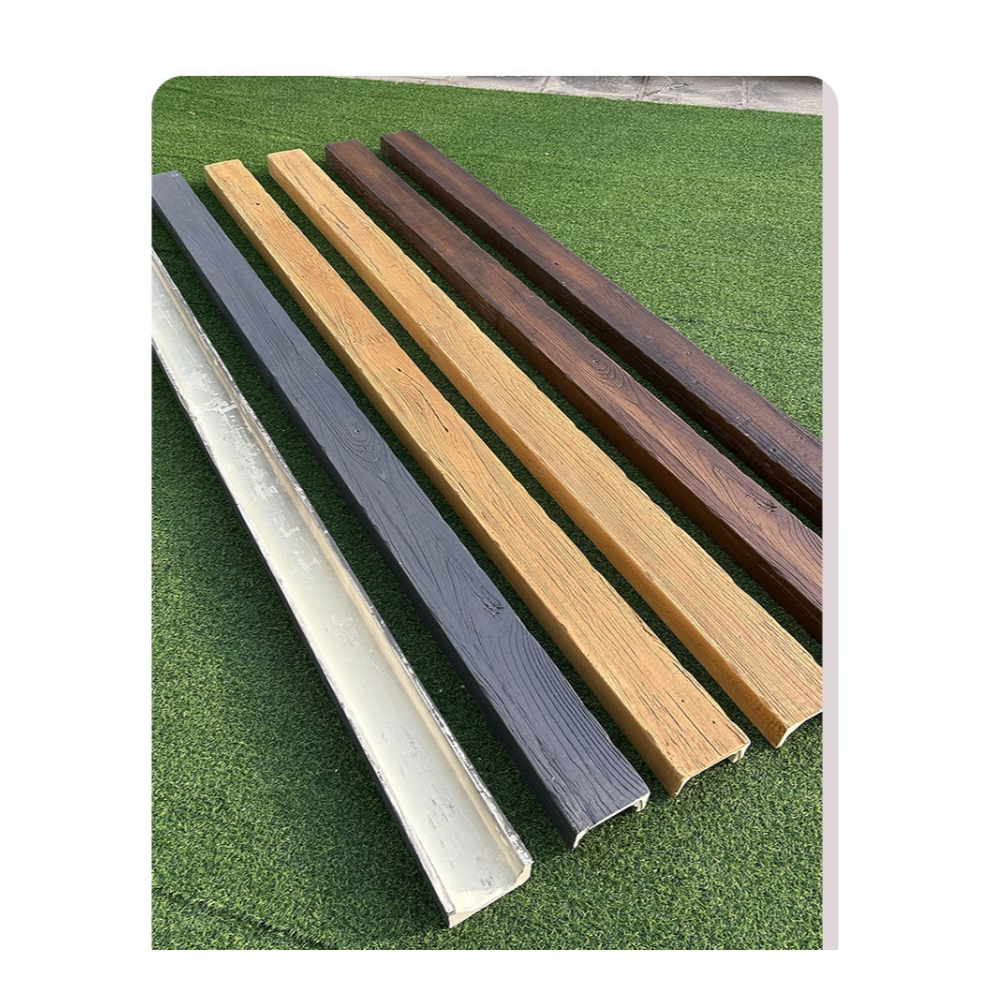
PU faux wood beams demonstrate remarkable adaptability across renovation styles. The same basic product—polyurethane shaped and finished to replicate wood—supports traditional aesthetics through appropriate texturing and finishing while serving contemporary design through clean profiles and refined surfaces. This versatility makes beams valuable tools in the renovation designer's toolkit.
Traditional and Period Revival Styles
Renovations targeting traditional aesthetics require materials that honor historical precedent while providing modern performance. The farmhouse revival, craftsman preservation, and Victorian restoration movements each establish specific requirements that beams must satisfy.
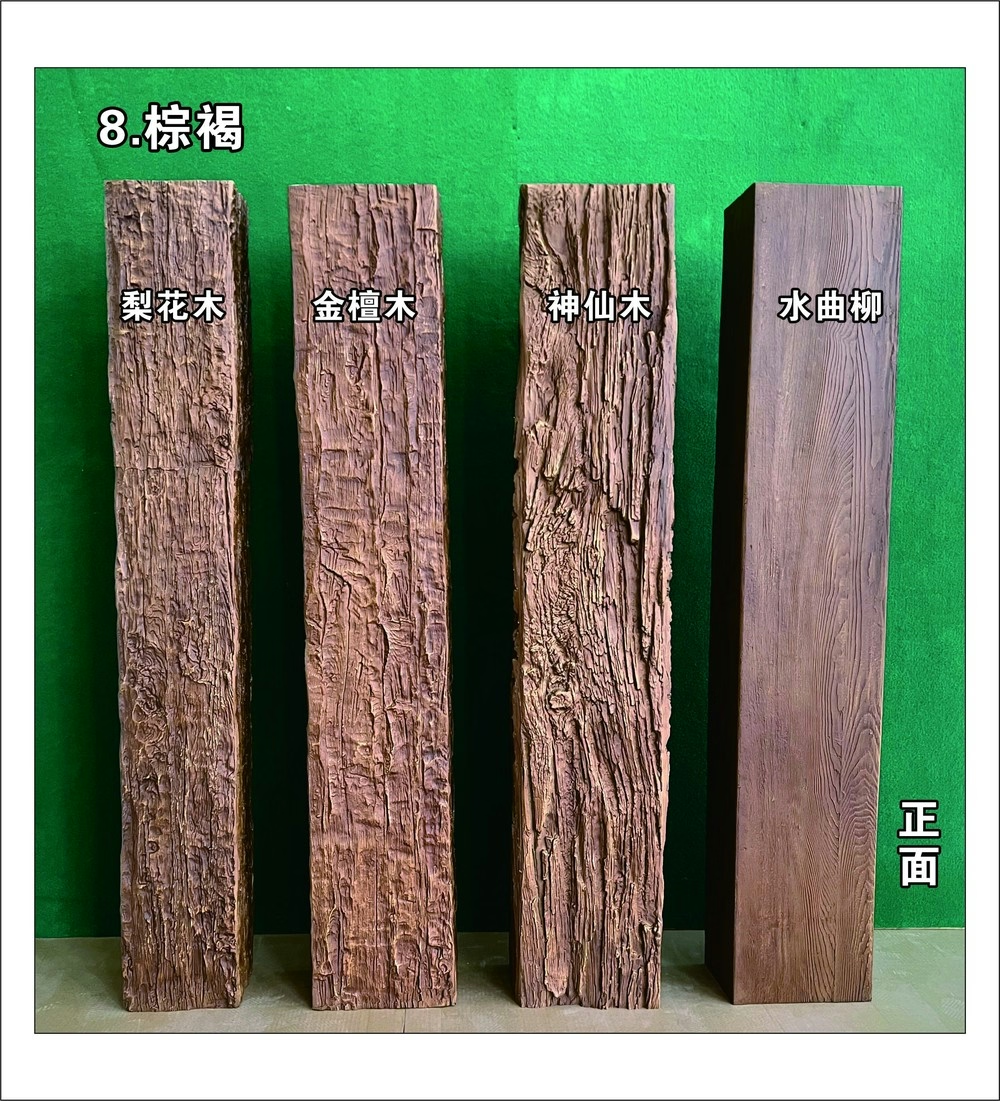
Farmhouse style renovations favor beams with pronounced texture and natural finishes. Deep grain patterns, visible saw marks, and honey-toned colors suggest the hand-hewn timber that historical farmhouses featured. Weathered gray and whitewashed finishes work equally well, providing the worn character that makes farmhouses feel established rather than newly constructed.
Craftsman and arts-and-crafts renovations embrace simpler profiles with subtle but present wood character. Beams in these contexts typically feature mission-style straight lines without excessive ornamentation. The grain texture remains visible but refined, reflecting the craftsman movement's preference for honest expression of materials and construction.
Victorian and period revival renovations may incorporate beams with more ornate detailing—deeper shadows, complex profiles, and rich finish colors that recall the opulence of historical interiors. These beams often feature integrated corbels or decorative endpoints that contribute to the overall period authenticity.
Contemporary and Modern Styles
The clean-lined simplicity of contemporary interiors presents different requirements than traditional aesthetics. Beams in these contexts should contribute warmth without complexity, providing organic character that balances contemporary coolness without introducing visual noise.
Modern farmhouse style has popularized beam treatments that blend rustic and contemporary sensibilities. These beams typically feature moderate texture—enough to suggest wood without appearing overly distressed—and neutral finishes that coordinate with the modern palette. The overall impression balances warmth with restraint, reflecting the style's dual influences.
Scandinavian-influenced interiors often feature beams with minimal texturing and light finishes. White or off-white painted beams contribute the architectural interest that Nordic design values without the rustic associations that heavier textures would introduce. These beams often read as pure form rather than wood imitation, supporting the functional aesthetic that characterizes Scandinavian interiors.
Industrial and loft-style renovations frequently incorporate beams as expressions of honest structural expression. While polyurethane beams aren't actually structural, their substantial presence creates the visual effect of exposed structure that industrial design values. Dark finishes, particularly blacks and deep charcoals, reinforce the industrial aesthetic while adding warmth that raw steel cannot provide.

Transitional and Eclectic Styles
The largest category of renovation projects probably falls somewhere between pure traditional and pure contemporary. These transitional spaces blend influences from multiple periods, incorporating family heirlooms alongside new purchases and mixing formal elements with casual comfort.
Beams in transitional spaces must serve multiple masters without fully committing to any single style. The solution typically involves beams with moderate characteristics—visible but not dominant texture, finish colors that bridge warm and cool, profiles that suggest tradition without overwhelming contemporary furnishings. These versatile specifications allow beams to integrate with diverse surrounding elements.
Eclectic renovations take transitional mixing further, combining influences from dramatically different periods and cultures. Beams in these contexts function as unifying elements that provide consistency across eclectic compositions. The wood texture and warmth establish a common thread that connects disparate furniture, finishes, and decorative elements into cohesive wholes.
Mediterranean and Global Styles
Renovations inspired by Mediterranean architecture present opportunities for distinctive beam treatments. The exposed timber ceilings of Italian villas, Spanish haciendas, and Greek island homes translate effectively through appropriately specified faux beams.
Mediterranean-style beams typically feature substantial presence with warm finishes. Deep wood tones—rich browns, burnt sienna, and golden honey—reflect the warm light and earth tones that characterize these architectural traditions. Texture ranges from refined to moderately rustic depending on the specific regional inspiration.
Global design influences from Japan, Morocco, and other traditions introduce different requirements that beams must address. Japanese-influenced interiors might feature beams with minimal presence and neutral finishes that support the restrained aesthetic. Moroccan-inspired spaces might incorporate beams with more elaborate presence and richer finishes that contribute to the layered, textured character of this style.

Selecting Beams for Your Renovation Style
Understanding your target aesthetic guides beam specification that achieves intended results. Collecting visual references—photographs from design publications, online inspiration, or physical examples—helps clarify the look you're pursuing and identifies the specific characteristics that beams must provide.
Finish selection often provides the clearest path to style-appropriate results. The same beam profile can read dramatically differently based on finish color and treatment. Dark stained finishes suggest traditional or industrial contexts, while light painted finishes support contemporary aesthetics. The texture intensity works synergistically with finish selection, creating overall impressions that span the full style spectrum.
Our style consultation services help translate design intentions into specific product recommendations. Sharing your inspiration references and design goals allows us to suggest specifications that achieve the looks you're envisioning.
Contact our design support team to discuss beam selection for your renovation project. Understanding your target aesthetic allows recommendations that ensure beams contribute to rather than complicate your design objectives.
Technical References
ASTM standards cited in every specification
Test Data
Lab results from internal testing program
Updated 2026
Reviewed against current product specs