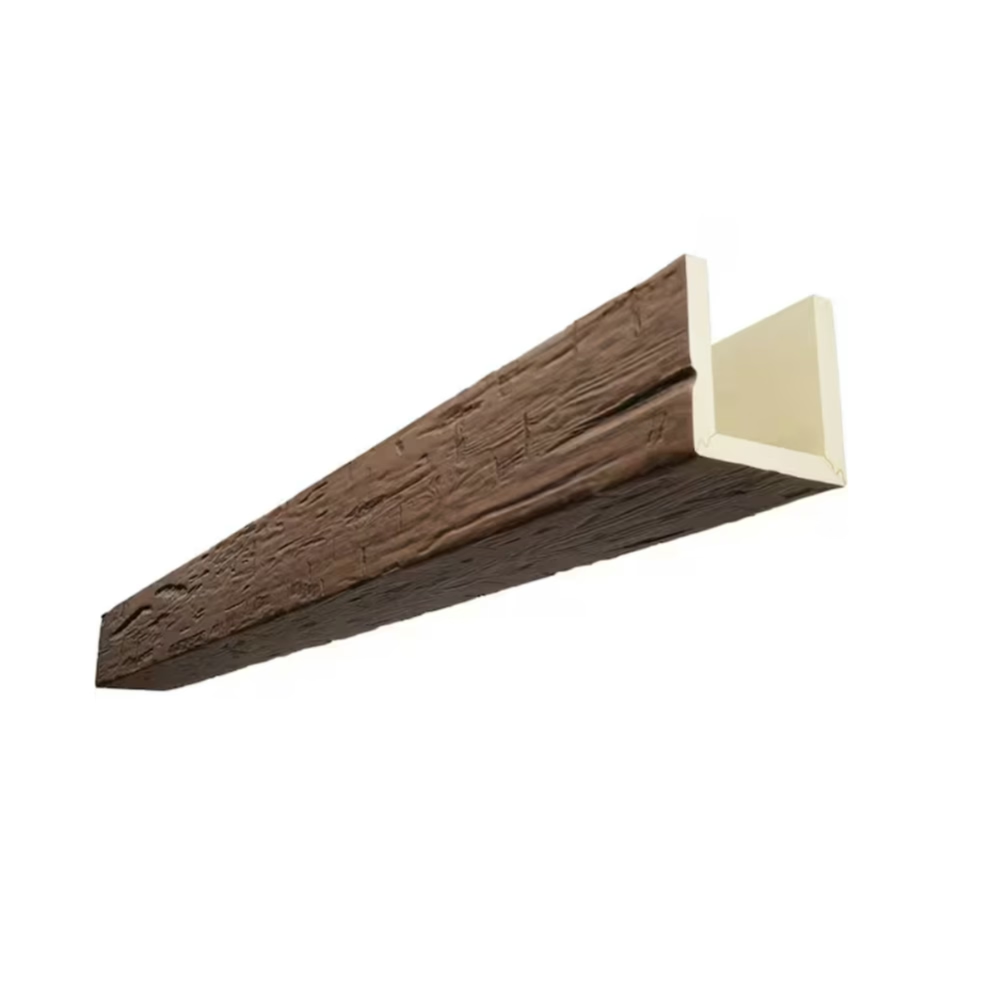
Architecture exists at the intersection of art and engineering, where aesthetic aspirations meet practical requirements. Successful architectural projects balance these concerns continuously, selecting materials and treatments that serve both dimensions without unacceptable compromise. Decorative beams occupy a fascinating position in this balance—primarily aesthetic in purpose but requiring practical performance that ensures lasting satisfaction.
Polyurethane decorative beams have emerged as preferred solutions for architects seeking authentic wood aesthetics without accepting timber's practical limitations. The universal applicability of these products reflects their ability to address aesthetic requirements across diverse contexts while satisfying the performance demands that professional architectural practice imposes.
Architectural Contexts and Requirements
Architecture encompasses vastly different building types, each with distinct requirements that materials must address. Polyurethane beams demonstrate remarkable adaptability across these contexts, providing consistent aesthetic contribution regardless of architectural style or building type.
Residential architecture spans from compact apartments to sprawling estate homes, with ceiling treatments that must respond to spatial constraints, design intentions, and budget considerations. Beams in these contexts contribute warmth and character that residential spaces require to feel like homes rather than mere shelters. The scale of residential architecture typically accommodates beams that create intimate scale without overwhelming smaller spaces.
Commercial architecture includes retail environments, office buildings, hospitality venues, and healthcare facilities—each with specific requirements that beam products must address. Retail spaces demand aesthetic distinction that supports brand positioning. Office environments benefit from warmth that improves occupant comfort. Hospitality venues require durability that handles intensive use. Healthcare facilities need materials meeting hygiene standards. Polyurethane beams address each requirement appropriately.
Institutional architecture—schools, libraries, government buildings, and religious facilities—imposes additional requirements related to public accountability, accessibility, and long-term value. Beams in these contexts contribute to spaces that serve community purposes while meeting the durability and maintenance simplicity that institutional budgets demand.
Aesthetic Integration Principles
Professional architects understand that decorative elements must integrate with overall design intentions rather than asserting themselves inappropriately. Polyurethane beams contribute effectively when selected and positioned with integration principles in mind.
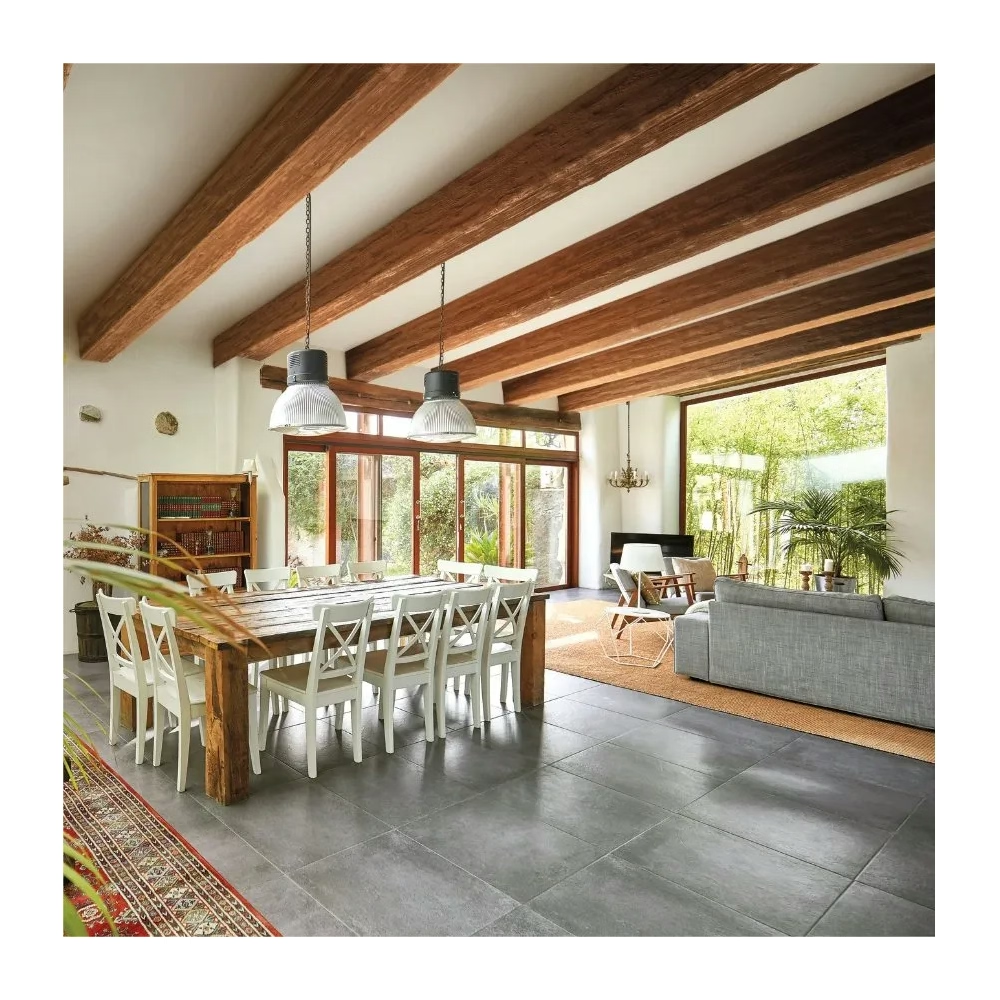
Scale relationships between beams and surrounding architecture significantly affect integration success. Beams that appear too small for their context seem trivial and easily overlooked. Beams that overwhelm surrounding elements create visual imbalance that undermines overall composition. Appropriate sizing—considering ceiling height, room dimensions, and adjacent element scale—ensures beams contribute proportionally.
Material harmony connects beam selection with other finish materials throughout the space. The wood aesthetic that beams provide should relate appropriately to flooring, furniture, cabinetry, and other wooden elements. This relationship might involve matching tones that create continuity or contrasting treatment that establishes deliberate distinction. Either approach can succeed when pursued consistently.
The level of detail in beam selection should correspond to the overall design sophistication. Minimalist contemporary spaces benefit from refined, understated beams that provide warmth without complexity. Traditional or transitional spaces accommodate more elaborate treatments that match the ornamental richness of surrounding elements. Aligning detail levels ensures coherence between beams and their architectural context.
Structural and Environmental Considerations
Architectural specification requires attention to structural and environmental factors that affect long-term performance. While decorative beams don't carry structural loads, they must perform within the building's environmental conditions without degradation.
Temperature variation affects materials throughout building envelopes, with beams near skylights, exterior walls, or HVAC outlets experiencing more extreme conditions than those in climate-controlled interior zones. Polyurethane formulations can be selected for enhanced thermal stability where challenging conditions prevail.
Moisture exposure varies significantly across architectural applications. Interior spaces with stable humidity require standard formulations, while spaces with variable conditions—kitchens, bathrooms, pools—benefit from enhanced moisture resistance. Covered exterior applications need UV-resistant formulations that prevent degradation from sun exposure.
Structural movement in buildings affects all ceiling elements, and beams must accommodate this movement without damage. Flexible attachment systems allow beams to move slightly with structural elements while maintaining position and appearance. Our installation guidelines address movement accommodation for different building types and construction systems.

Professional Specification Support
Architects specifying polyurethane beams for professional projects benefit from support services that address specification, coordination, and documentation requirements. Our professional services assist throughout the specification and procurement process.
Technical consultation helps identify appropriate products for specific project requirements. Discussing design intentions, performance requirements, and budget constraints allows recommendations that address project-specific needs. This consultation can occur during schematic design to inform material selection or during construction documents to verify specifications.
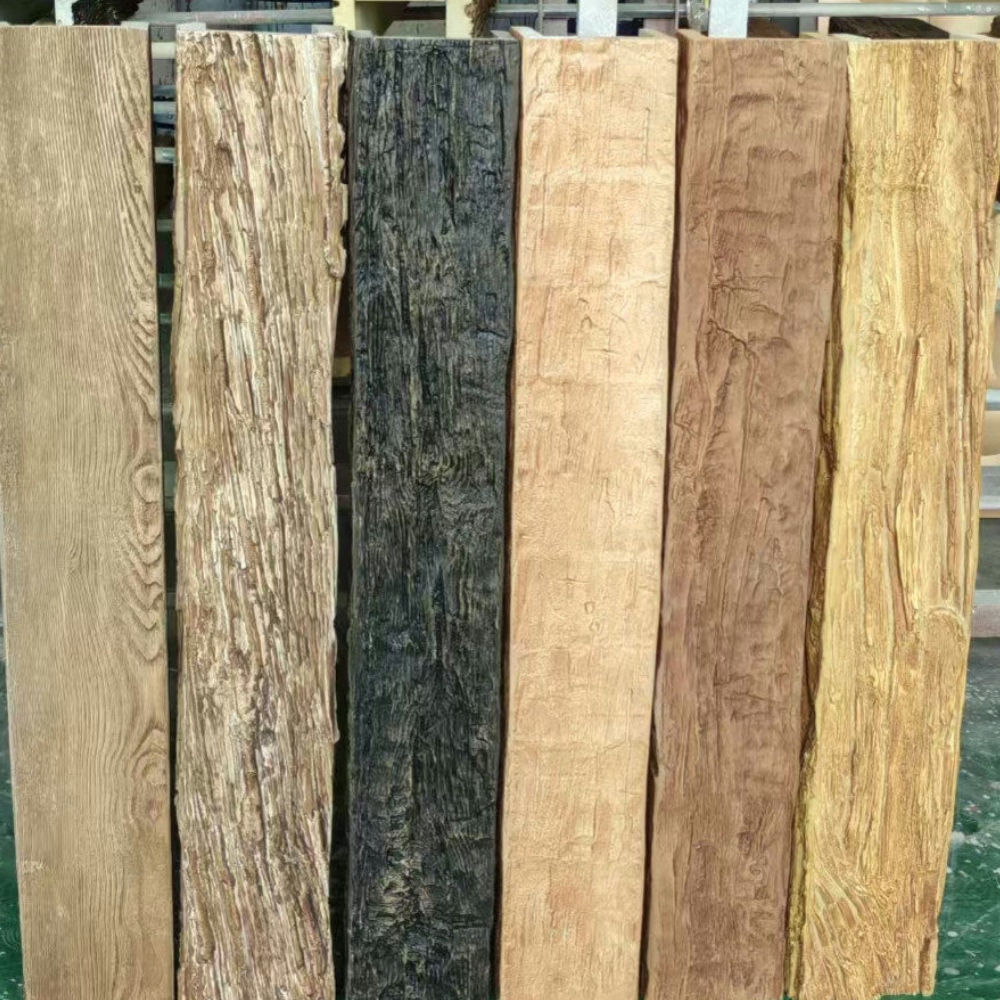
Sample programs allow appearance evaluation in actual project conditions before final specification commitment. Physical samples demonstrate texture, color, and scale relationships that digital representation cannot fully convey. Sample evaluation is particularly valuable for projects where appearance quality determines overall design success.
Documentation support provides the technical information that professional specification requires. CAD details, installation specifications, material specifications, and compliance documentation assist architects in developing complete construction documents.
Our architectural specification team welcomes consultation requests from design professionals. Whatever project you're working on, our expertise supports specification decisions that ensure successful beam installations.
Long-Term Architectural Value
Buildings outlast initial occupants and design trends, requiring materials that remain appropriate through multiple use cycles and aesthetic shifts. Polyurethane beams provide lasting value through appearance durability and maintenance simplicity that supports long-term architectural quality.
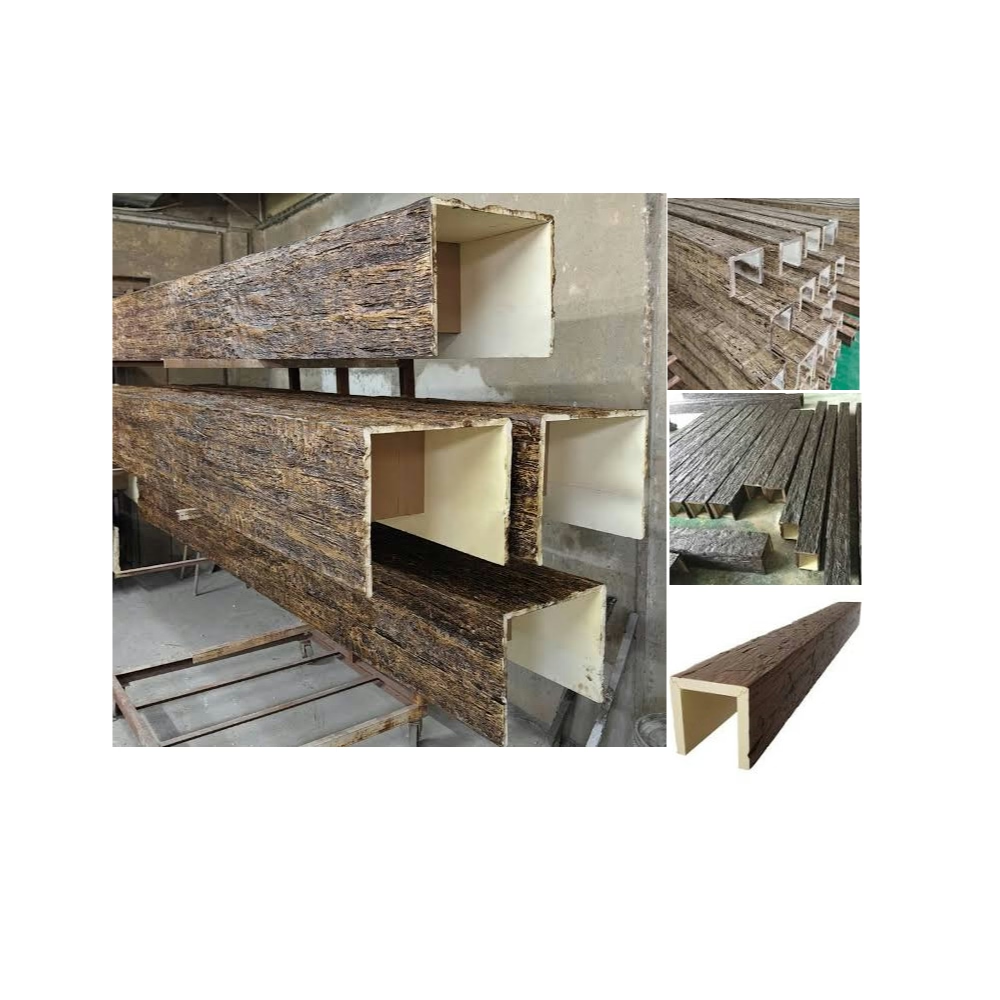
The appearance retention that polyurethane provides ensures beams continue contributing to spatial quality throughout building service life. Unlike materials that degrade, yellow, or become dated, quality polyurethane maintains its appearance with minimal intervention. This retention supports building value that appreciates over time rather than declining.
Maintenance simplicity translates into reduced operational costs and continued appearance quality. Buildings featuring polyurethane beams require no periodic refinishing, no damage repair from moisture or insects, and no replacement due to material failure. The savings over building life often exceed initial cost premiums, making polyurethane economically advantageous despite higher initial prices.
Contact our architectural specification team to discuss beam requirements for your upcoming project. Our experience across building types and architectural styles supports specification decisions that ensure lasting satisfaction.
Technical References
ASTM standards cited in every specification
Test Data
Lab results from internal testing program
Updated 2026
Reviewed against current product specs