
Architectural detailing shapes how we perceive buildings, transforming ordinary structures into memorable spaces. The trim work throughout a property—whether framing windows, accenting doorways, or creating crown moldings—serves as the visual punctuation that defines style and craftsmanship. Polyurethane wood-look trim has emerged as a transformative solution for architects, builders, and property owners seeking authentic wood aesthetics without the inherent vulnerabilities of genuine timber.
Understanding Polyurethane Trim in Modern Architecture
Polyurethane trim represents a significant advancement in building materials, combining sophisticated manufacturing techniques with practical performance benefits. Unlike traditional wood trim, which requires careful maintenance and is susceptible to environmental damage, polyurethane alternatives deliver consistent quality and longevity. The material begins as a liquid polymer mixture that gets poured into precision-engineered molds, capturing every detail of the intended design with remarkable fidelity.
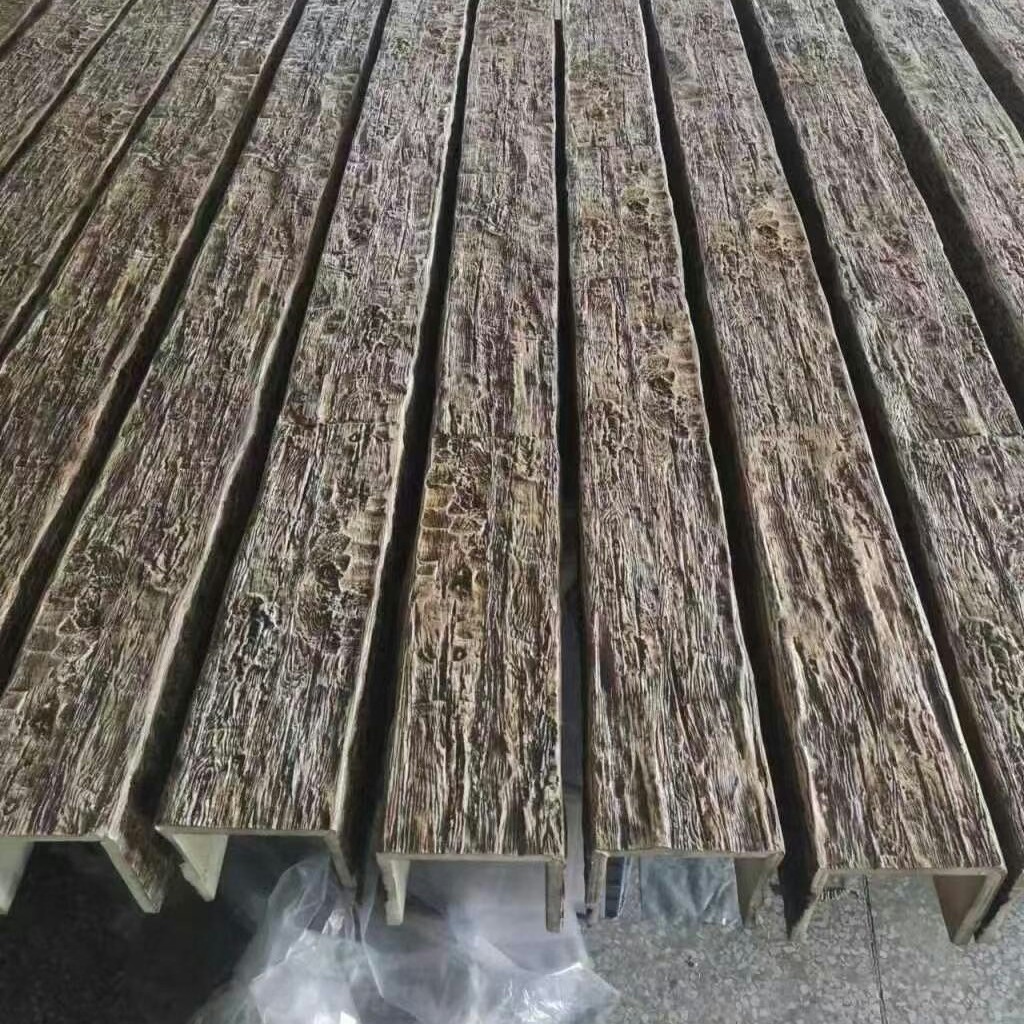
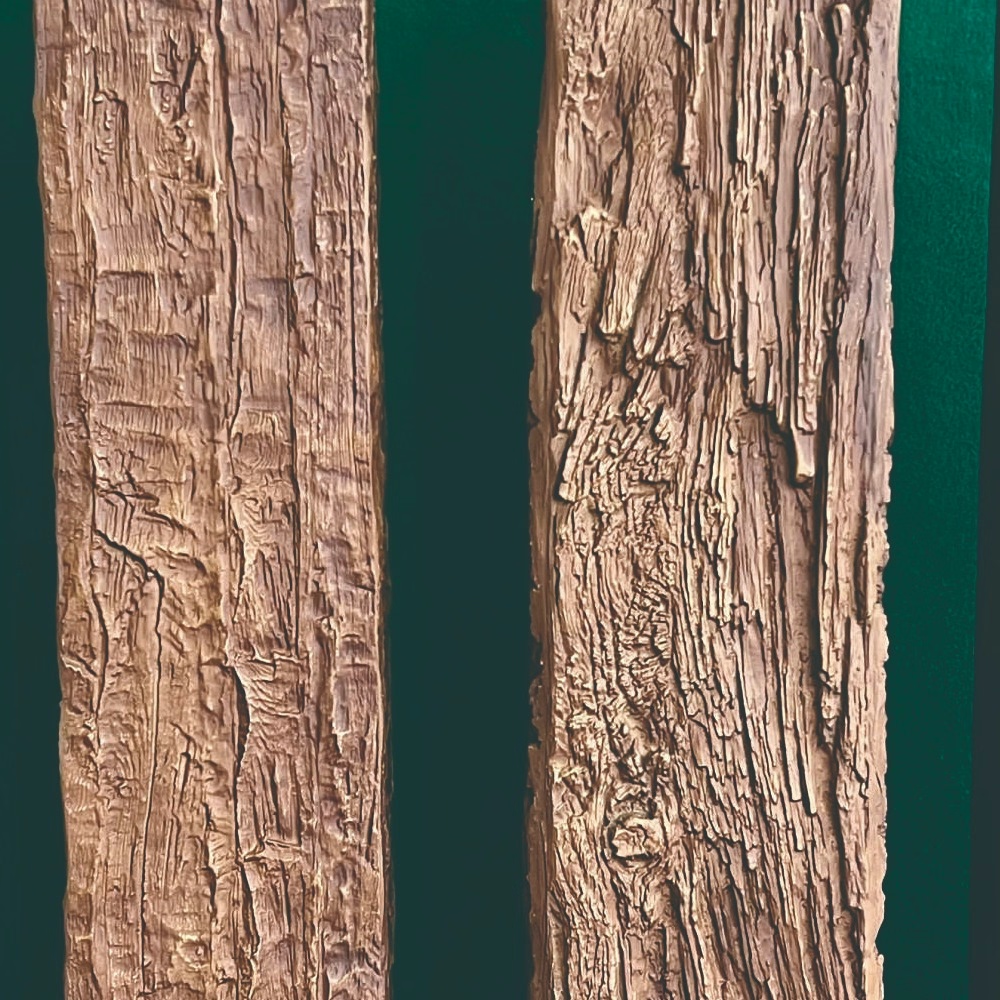
The wood-look finish applied to polyurethane trim undergoes specialized texturing processes that replicate the natural grain patterns found in oak, maple, pine, and other popular wood species. Advanced printing and embossing technologies create surface textures that feel authentic to the touch, not merely visually similar. This attention to tactile quality matters because occupants and visitors frequently make physical contact with trim elements, and surfaces that look like wood but feel plastic undermine the design intent.
Modern manufacturing facilities can produce polyurethane trim in virtually any profile configuration, from simple casings to elaborate crown moldings with multiple ornate details. This production flexibility means architects can specify authentic historical profiles for restoration projects or develop custom designs for contemporary structures without the constraints of traditional woodworking techniques. The ability to achieve consistent results batch after batch eliminates the variability inherent in natural wood, where grain patterns and moisture content affect every piece differently.

Design Applications Across Building Types
Residential properties benefit enormously from polyurethane wood-look trim, particularly in applications where authentic wood would face challenging conditions. Window trim exposed to direct sunlight and weather fluctuations experiences thermal expansion and contraction that eventually causes cracking and splitting in natural wood. Polyurethane trim absorbs these stresses without deterioration, maintaining its appearance throughout decades of seasonal changes. Similarly, trim around bathtubs, showers, and plumbing fixtures encounters constant humidity exposure that wreaks havoc on traditional wood materials.
Kitchen applications showcase the material's practical advantages especially well. Cabinet trim, crown moldings above cabinets, and decorative panels around ranges all experience grease accumulation, temperature variations from cooking, and occasional moisture exposure. Polyurethane trim cleans easily with standard household products and resists the staining that affects porous wood surfaces. The material accepts paint and stain equally well, allowing homeowners to coordinate trim with evolving color schemes or maintain the wood-look finish indefinitely without refinishing.
Commercial and hospitality environments demand trim solutions that withstand heavy use while projecting the desired aesthetic character. Hotel lobbies, restaurant dining rooms, and retail spaces experience continuous foot traffic and occasional impact from furniture, equipment, and luggage. Polyurethane trim resists dents and dings that would damage natural wood, and its dimensional stability means profiles remain straight and true regardless of ambient conditions. The material's lightweight nature also simplifies installation in high-ceiling applications where workers would struggle with heavy wood components.
Exterior architectural detailing presents some of the most demanding conditions for trim materials. Direct sun exposure, precipitation, temperature extremes, and freeze-thaw cycles challenge every building component. Polyurethane trim engineered for exterior use incorporates UV-resistant additives that prevent degradation and color change from sun exposure. These formulations maintain their appearance through years of weather exposure while eliminating the painting, sealing, and repairs that wood trim demands.
Installation Advantages and Techniques
The lightweight nature of polyurethane trim fundamentally changes installation economics. Standard wood trim weighs considerably more per linear foot, requiring structural support considerations and limiting how workers can handle large pieces. Polyurethane trim typically weighs 80-90% less than equivalent wood components, meaning a single worker can install pieces that would require two people with traditional materials. This weight reduction translates directly to faster installation times and lower labor costs.
Installation techniques for polyurethane trim resemble those used with wood, allowing experienced trim carpenters to work with the material immediately without extensive retraining. Standard cutting tools—miter saws, table saws, and hand saws—cut the material cleanly when using carbide-tipped blades designed for composite materials. The material holds fasteners securely, whether using nails, screws, or adhesive systems. Special considerations include using polyurethane-compatible adhesives and allowing proper cure time before finishing.
Seam handling requires particular attention in trim installations, as joints between pieces must remain tight and stable over time. Wood trim expands and contracts with moisture changes, often creating gaps that require repeated caulking and touch-up painting. Polyurethane trim's dimensional stability means properly glued joints remain tight indefinitely, eliminating this maintenance burden. Some installers prefer to use color-matched adhesive that creates nearly invisible seams, while others rely on traditional wood putty or caulking for finishing.
Performance and Maintenance Benefits
The long-term performance advantages of polyurethane wood-look trim become increasingly apparent as properties age. Natural wood trim requires regular inspection for rot, insect damage, and finish deterioration. Affected sections often require removal and replacement, a disruptive process that may reveal additional hidden damage. Polyurethane trim eliminates these concerns entirely, as the material resists rot, insect attack, and the moisture absorption that causes biological degradation.
Maintenance routines for polyurethane trim focus on cleanliness rather than preservation. Periodic washing removes accumulated dust, pollution, and biological growth without specialized equipment or products. Stubborn stains yield to standard cleaning solutions, and the material's non-porous surface prevents staining penetration that would require refinishing. Unlike wood trim that eventually requires sanding and repainting to maintain its appearance, polyurethane trim can look freshly installed for years with minimal care.
The initial cost premium for polyurethane trim compared to basic wood trim gets offset through reduced maintenance expenses over the product lifetime. Property owners who calculate the true cost of ownership—including paint, sealants, repair materials, and labor for ongoing wood trim maintenance—frequently find that polyurethane alternatives prove more economical despite higher purchase prices. This calculation becomes even more favorable when accounting for the disruption and inconvenience of periodic trim maintenance work.
Making the Right Material Choice
Selecting trim materials requires balancing aesthetic goals, budget constraints, and performance requirements specific to each application. Polyurethane wood-look trim offers compelling advantages in moisture-prone areas, high-maintenance scenarios, and applications where authentic wood's vulnerabilities would create problems. The material's design flexibility accommodates both traditional and contemporary architectural styles, while its installation simplicity benefits both professional contractors and capable do-it-yourself homeowners.
Architects and designers specifying polyurethane trim should communicate clearly with contractors about the material's handling characteristics and requirements. While installation resembles wood trim work, certain techniques—such as fastener spacing and adhesive selection—differ from traditional practices. Providing manufacturers' installation guidelines early in project planning prevents confusion and ensures proper techniques get incorporated from the beginning.
The environmental considerations of polyurethane trim versus wood trim present nuanced trade-offs. Wood represents a renewable resource when sourced from sustainably managed forests, while polyurethane derives from petroleum-based chemicals. However, wood trim's shorter service life and maintenance requirements mean more frequent replacement and ongoing resource consumption. Property owners concerned with environmental impact can research manufacturers' sustainability practices, as some facilities incorporate recycled materials and responsible production methods.
Professional consultation helps property owners navigate these considerations and identify the optimal trim solutions for their specific situations. The versatility of modern polyurethane trim options means that aesthetic preferences rarely need compromise, while the practical performance benefits address real-world durability and maintenance concerns.
Technical References
ASTM standards cited in every specification
Test Data
Lab results from internal testing program
Updated 2026
Reviewed against current product specs


