
Ceilings often remain the forgotten canvas in interior design, receiving attention only when something goes wrong—water stains, cracking plaster, or outdated textures. Yet the plane above us significantly influences how spaces feel, shaping perception of height, warmth, and architectural character. Polyurethane decorative mouldings offer an accessible pathway to ceiling transformation, enabling property owners and designers to create dramatic visual impact without the structural complications and costs associated with genuine timber beams.
The Evolution of Ceiling Decorative Elements
Historical architecture demonstrates how ceilings conveyed status, wealth, and design sophistication across cultures and centuries. Grand ballrooms featured ornate plasterwork, while humble cottages might showcase simple exposed rafters painted in traditional colors. These ceiling treatments served both aesthetic and practical purposes—hiding structural elements, managing acoustics, and establishing atmosphere. Polyurethane mouldings inherit this rich design heritage while adapting it for contemporary construction methods and material science.
Traditional ceiling beams and mouldings required skilled craftsmen using specialized tools and techniques developed over generations. Carpenters, plasterers, and ornamental plaster specialists contributed their expertise to create ceiling treatments that remain admired today. This craftsmanship came at considerable cost, limiting elaborate ceiling designs to wealthy patrons and institutional buildings. Modern manufacturing techniques democratize these aesthetic possibilities, producing decorative elements that capture the visual essence of historical work at accessible price points.
The shift from genuine timber to polyurethane as a moulding substrate reflects broader trends in construction materials. Engineered wood products, composite materials, and synthetic alternatives now appear throughout building interiors, offering consistent quality and specialized performance characteristics. Polyurethane excels in ceiling applications because it combines lightweight handling with sufficient strength for decorative purposes, resisting the sagging and warping that affects some alternative materials.

Design Possibilities with Polyurethane Mouldings
Coffered ceiling designs achieve new levels of sophistication when executed with polyurethane components. The geometric grid patterns created by intersecting beams and panels add architectural depth to spaces, transforming flat ceiling planes into sculptural elements. Polyurethane coffers can achieve details that would require expensive custom carpentry with wood, including tight miters, delicate moldings, and consistent reveals throughout large installations. The material accepts paint readily, allowing designers to create contrasts between beam elements and recessed panels.
Crown mouldings mounted at the wall-ceiling intersection provide classical elegance that complements both traditional and contemporary interiors. Higher ceiling heights that once limited crown moulding installations—due to the difficulty and expense of working at extreme heights—become opportunities for dramatic treatment with lightweight polyurethane components. The material's consistency means every piece matches perfectly, eliminating the frustration of wood grain variations and moisture-related dimensional changes.
Suspended beam installations create the appearance of structural ceiling beams without requiring attachment to actual building structure. These decorative elements can define spatial zones within open floor plans, add warmth to minimalist interiors, and introduce textural contrast against smooth ceiling surfaces. Polyurethane beams used in suspended applications typically incorporate mounting systems designed for the purpose, ensuring secure attachment and appropriate load distribution.
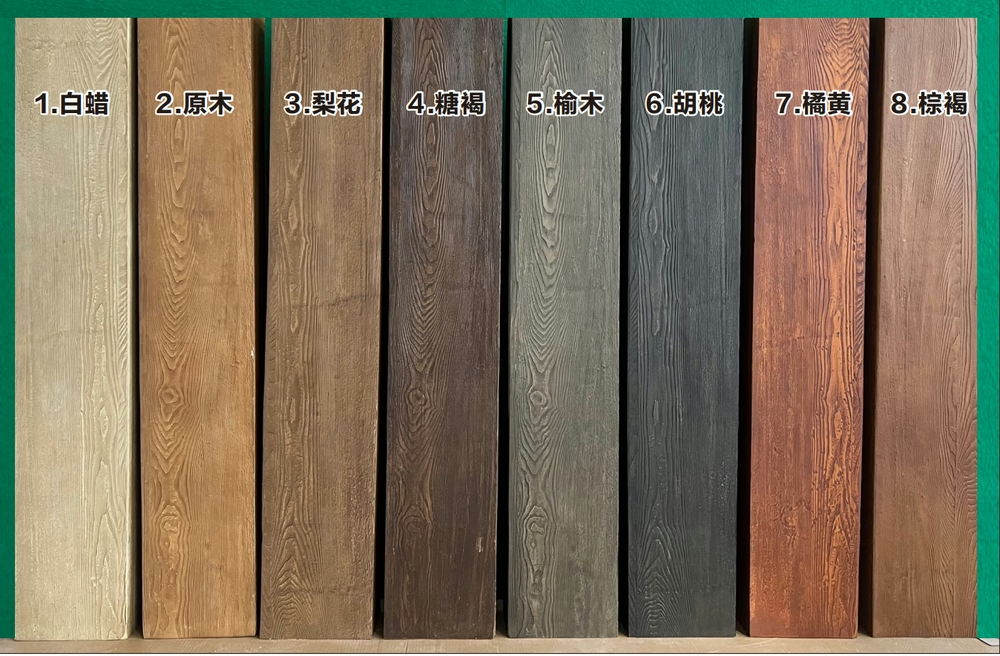
Medieval and rustic design schemes benefit from polyurethane beams styled to resemble reclaimed timber. The weathered appearance, authentic-looking knots, and natural color variations of aged wood can be convincingly reproduced in polyurethane, avoiding the pest concerns, weight challenges, and supply limitations of genuine reclaimed materials. Spaces seeking that established, storied character can achieve it reliably with contemporary materials.

Practical Installation Considerations
Installing polyurethane ceiling mouldings requires planning and attention to appropriate techniques, though the process proves more accessible than traditional methods. The material cuts cleanly with standard woodworking tools equipped with carbide-tipped blades designed for composite materials. Miter saws create precise angle cuts for corners and intersections, while coping techniques allow detailed trim work around irregular shapes and surfaces.
Adhesive selection significantly influences installation success and long-term performance. Polyurethane-compatible adhesives create secure bonds between moulding components and mounting surfaces, whether those surfaces involve drywall, plaster, wood, or previously painted materials. Some installers prefer construction adhesive combined with mechanical fasteners for added security, particularly in ceiling applications where gravity constantly works against the installation. Spray adhesive works well for securing mouldings to each other in layered assemblies.
Support requirements depend on the size and style of moulding components. Heavy ornamental pieces may require backing systems or blocking installed during construction or renovation phases. Lightweight crown mouldings and beam wraps typically attach directly to wall surfaces with adhesive and finishing nails. Understanding the load characteristics of chosen components helps plan appropriate support strategies before beginning installation.
Finishing techniques complete the transformation from raw component to architectural element. Polyurethane mouldings accept paint, stain, and decorative finishes equally well. Some products come pre-finished in popular wood tones, while others arrive ready for finishing to match specific design requirements. Sealing joints and gaps with paintable caulking creates seamless appearances, and touch-up finishing hides any minor installation marks.
Maintenance and Long-Term Care
Polyurethane ceiling mouldings require remarkably little ongoing maintenance compared to traditional materials. The non-porous surface resists dust accumulation and can be cleaned with standard dusting or mild cleaning solutions. Unlike wood mouldings that may require periodic refinishing, polyurethane components maintain their appearance indefinitely with basic cleaning. This low-maintenance characteristic proves particularly valuable in hard-to-reach ceiling applications where maintenance access presents challenges.
Physical durability ensures that properly installed polyurethane mouldings remain attractive despite the demands of real-world use. The material resists impact damage better than plaster and wood alternatives, handling the occasional contact from moving furniture, cleaning equipment, and building occupants without visible damage. In commercial environments where walls and ceilings experience more frequent contact, this durability translates to maintained appearance and reduced repair needs.
Temperature and humidity fluctuations that cause wood to expand and contract, potentially creating gaps and joint failures, affect polyurethane minimally. This dimensional stability proves especially valuable in environments like kitchens, bathrooms, and areas with climate control variations. Installations that would require seasonal adjustment with wood remain stable and attractive year-round with polyurethane components.
The longevity of polyurethane ceiling mouldings provides excellent return on investment, particularly when calculated against the maintenance requirements of alternative materials. Property owners who might hesitate at the initial cost premium recognize the value proposition when considering years of avoided maintenance expense and inconvenience. Quality polyurethane products carry warranties reflecting manufacturers' confidence in their performance characteristics.
Selecting the Right Style for Your Space
Ceiling moulding style should complement the overall design direction of the space while respecting practical constraints. Traditional interiors often pair well with classical crown mouldings, intricate corbel details, and period-appropriate beam patterns. Contemporary spaces might feature geometric coffer designs, minimal exposed beam elements, or bold statement pieces that establish focal points. The versatility of polyurethane manufacturing allows both approaches and countless variations between them.
Scale matters significantly in ceiling applications, as mouldings that appear perfectly proportioned in a large space may overwhelm smaller rooms or vice versa. Designers recommend selecting moulding sizes that relate appropriately to room dimensions, ceiling heights, and other architectural elements. A generous crown moulding that adds elegance to a formal dining room might feel incongruous in a compact home office where simpler trim better suits the intimate scale.
Color selection influences both aesthetic impact and practical maintenance considerations. Light-colored mouldings brighten spaces and create an impression of expanded height, while dark tones add drama and intimacy. Painted mouldings require less maintenance than stained wood alternatives, as touch-up painting proves simpler than refinishing. However, stained polyurethane can achieve wood appearances that paint cannot replicate, particularly in applications where the authentic grain patterns contribute to the design concept.
Professional design consultation helps navigate the many options and identify optimal solutions for specific spaces. Experienced designers understand how ceiling treatments interact with lighting, furnishings, and other elements to create cohesive interior environments. Their expertise proves especially valuable in complex installations involving multiple moulding types, custom configurations, or challenging architectural conditions.
Technical References
ASTM standards cited in every specification
Test Data
Lab results from internal testing program
Updated 2026
Reviewed against current product specs


