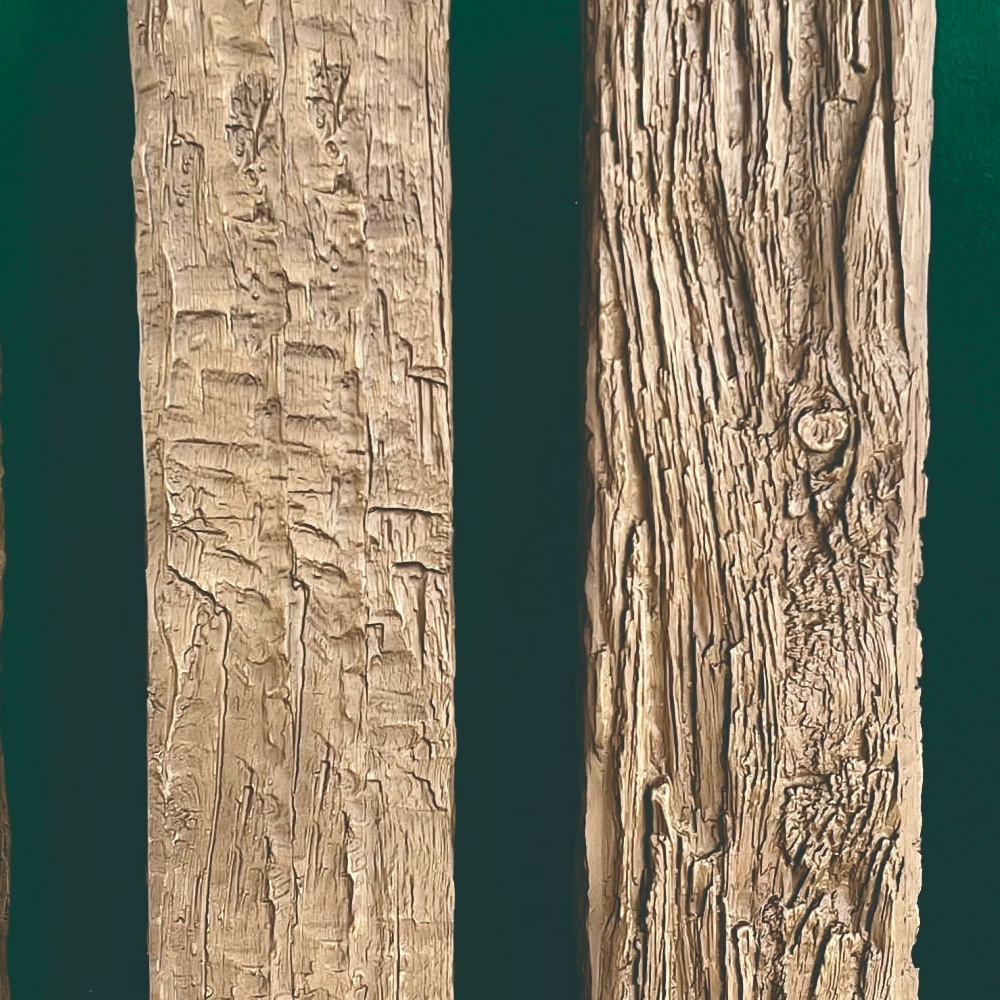
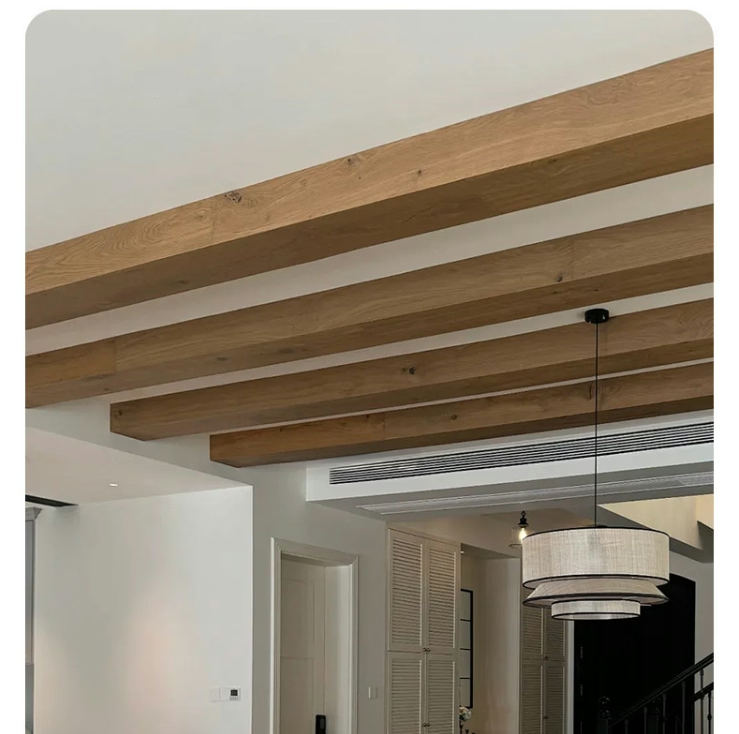
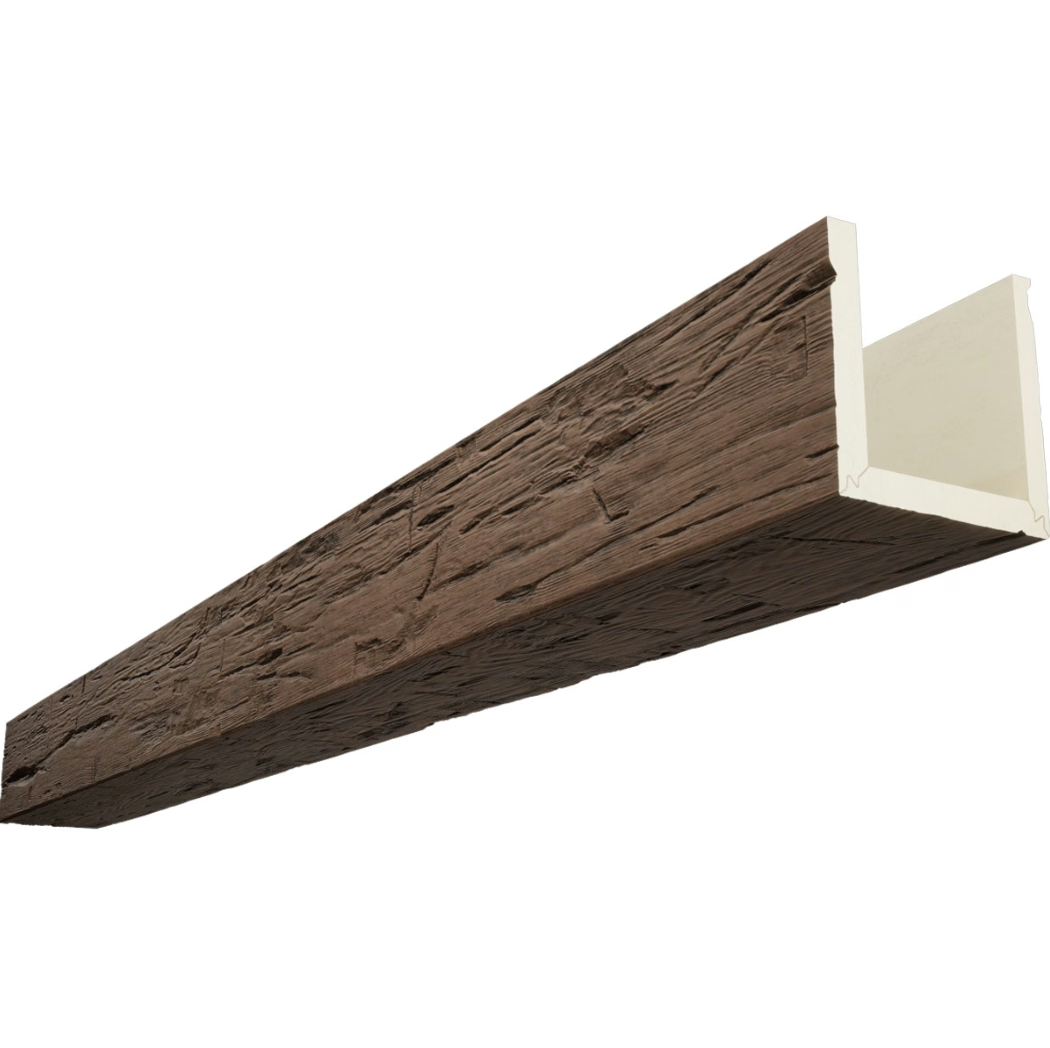
The hospitality industry operates in an intensely competitive environment where interior atmosphere significantly influences guest perceptions and brand positioning. Every design choice—from lobby first impressions to guest room details—communicates values and shapes experiences. Polyurethane faux beams have established themselves as valuable tools for hospitality designers seeking to create distinctive, memorable spaces that project quality and character while managing practical considerations like maintenance, durability, and budget constraints.
Creating Distinctive Hospitality Atmospheres
Hospitality spaces must balance universal appeal with distinctive character—welcoming newcomers while reinforcing brand identity. Polyurethane faux beams contribute to this balance by introducing warmth, texture, and architectural interest that guests find inviting across cultural contexts. Wood aesthetics carry associations with craftsmanship, natural authenticity, and timeless comfort that translate effectively regardless of guest backgrounds. The material's versatility allows designers to interpret these associations through countless stylistic expressions.
Boutique hotels particularly benefit from polyurethane beam installations, as the material enables design distinctiveness that sets properties apart from chain competitors. A single beam installation can establish visual identity, creating photograph-worthy moments that generate social media sharing and organic marketing value. Properties can specify custom beam profiles, colors, and textures that cannot be found elsewhere, avoiding the generic appearance that diminishes boutique positioning.
Restaurant interiors rely heavily on atmosphere creation, as dining involves sensory experiences beyond just food. The visual environment influences how guests perceive menu pricing, service quality, and overall value. Beams can define spatial zones within large open plans, add intimacy to expansive dining rooms, and introduce textural contrast against modern finishes. Polyurethane faux beams handle the demanding conditions of food service environments—humidity, temperature variations, occasional spills—without the maintenance demands of genuine timber.

Practical Advantages for High-Traffic Environments
Commercial durability requirements far exceed residential expectations, and polyurethane faux beams address these demands effectively. Hospitality properties experience continuous occupation, frequent furniture repositioning, cleaning operations, and occasional mishaps. Materials that scratch, dent, or stain easily create ongoing maintenance burdens that diminish appearance and increase operational costs. Polyurethane's resistance to these concerns maintains aesthetic quality despite demanding use.
Cleaning protocols in hospitality settings require materials that withstand frequent maintenance without deterioration. Polyurethane beams cleaned with standard commercial cleaning solutions maintain their appearance indefinitely, avoiding the refinishing requirements that affect natural wood. The non-porous surface prevents staining from airborne grease, food spills, and beverage splashes that would permanently mark porous wood alternatives. This cleanability proves especially valuable in restaurant applications where hygiene concerns influence guest confidence.
Moisture resistance addresses environmental challenges throughout hospitality properties. Pool areas, spas, fitness centers, and indoor water features create humidity conditions that damage natural wood quickly. Bathrooms in guest rooms experience similar challenges from shower steam and condensation. Polyurethane faux beams installed in these areas maintain structural integrity and appearance despite conditions that would cause wood to warp, crack, or develop mold. This reliability supports the consistent presentation that hospitality brands require.
Fire safety regulations affect material selection throughout hospitality properties, and polyurethane manufacturers have responded with fire-rated product options. These formulations incorporate flame-retardant additives that limit flame spread and smoke development, meeting code requirements while preserving design intent. Designers should specify fire-rated products where applicable and verify compliance with local regulations during specification and installation.
Design Integration Strategies
Successful beam installations integrate with overall design schemes rather than appearing as isolated decorative additions. This integration begins with lighting design, as beams cast shadows and interact with illumination systems to create visual depth and atmosphere. Recessed lighting can be incorporated into beam designs, creating layered illumination that enhances architectural interest. Pendant fixtures suspended from beams establish visual connections between ceiling treatments and furniture groupings below.
Furniture placement should relate to beam installations thoughtfully, creating intentional relationships between horizontal and vertical design elements. Beams positioned above seating areas create psychological enclosure that guests find comfortable, defining territories without physical barriers. The proportions between beam size and ceiling height influence spatial perception—larger beams and lower ceilings create intimacy, while smaller elements in taller spaces maintain openness.
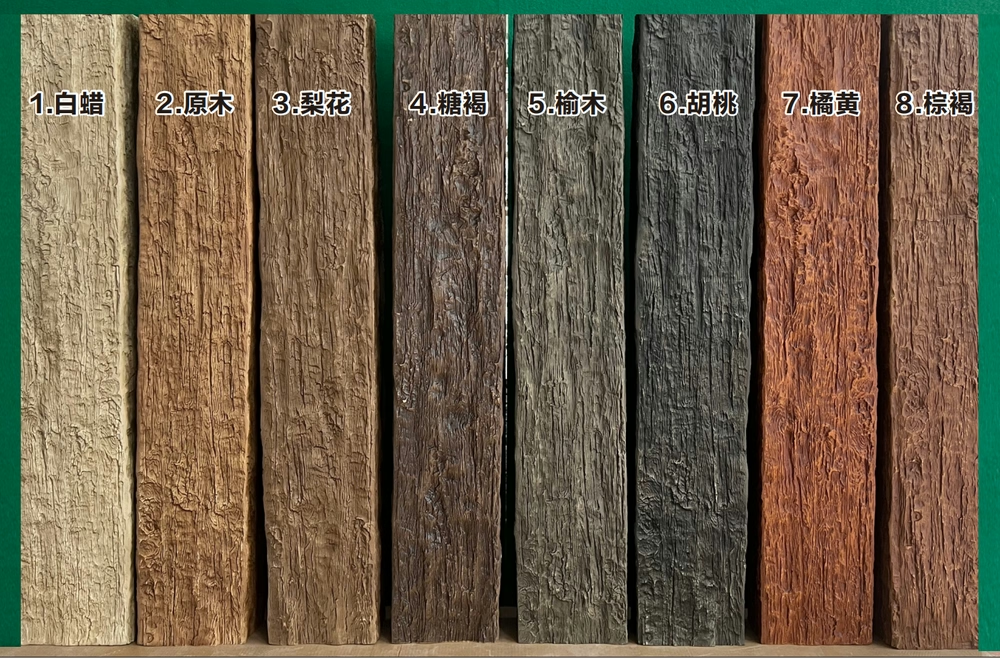
Material coordination between beams and other design elements reinforces design coherence. Coordinating beam finishes with wooden furniture, bar tops, and accent pieces creates visual relationships that strengthen overall design unity. Alternatively, intentional contrast—pairing natural wood-look beams with metal or glass furniture—creates visual tension that some contemporary designs require. The key is making these choices deliberately rather than accidentally.
Acoustic considerations influence beam placement and configuration, particularly in spaces where sound quality matters for guest experience. Hard surfaces like beams and plaster ceilings create reverberation that makes conversation difficult and environments feel harsh. Strategically placing beams and other textural elements helps manage acoustics naturally, reducing echo while maintaining design aesthetic. Additional acoustic treatments may supplement beam installations where sound control requirements are stringent.
Installation Approaches for Hospitality Properties
Installation timing significantly affects installation quality and project economics. Ideally, beam installations occur during initial construction or major renovations when access is unobstructed and final ceiling conditions are established. Retrofitting beams into occupied spaces requires careful logistics, dust control, and potentially phased installation approaches that extend timelines and increase costs. Planning beam installations during planned renovation projects minimizes disruption while maximizing design impact.
Structural support planning ensures secure installations capable of handling real-world conditions. While polyurethane beams are lightweight compared to genuine timber, they still require appropriate mounting systems that accommodate the specific product characteristics and installation locations. Ceiling-mounted beams require support structures capable of handling static loads and potential impact forces. Professional installers assess structural conditions and specify appropriate mounting methods for each application.
Coordination with other building systems—HVAC, electrical, fire suppression, and structural elements—prevents conflicts that could compromise installation quality or building function. Beams should not obstruct diffuser airflow, block light fixture access, or interfere with sprinkler coverage requirements. Careful coordination during planning phases identifies potential conflicts and establishes solutions before installation begins. As-built documentation following installation helps with future maintenance and renovation planning.
Budget Considerations and Value Optimization
Hospitality property investments require justification through guest experience benefits and operational cost impacts. Polyurethane faux beams offer measurable value across both dimensions—creating distinctive environments that support premium pricing and brand positioning while reducing maintenance costs compared to genuine timber alternatives. Initial cost premium over basic materials gets offset through long-term savings and avoided replacement expenses.
Value engineering during design phases helps optimize beam investments against project budgets. Prioritizing beam installations in high-visibility areas where impact is maximized—lobbies, restaurants, event spaces—while using simpler treatments in back-of-house areas maintains design intent economically. Variable beam sizes and configurations can achieve significant visual impact at lower cost than uniform installations throughout large spaces.
Maintenance cost projections demonstrate the long-term economics of quality beam installations. Hospitality properties that select durable materials experience consistent appearance over years of operation, avoiding the disruption and expense of periodic restoration work. This consistency supports reliable brand presentation and reduces operational complexity. Budget-conscious property managers recognize these benefits when evaluating material options.
Professional design consultation optimizes beam investments by ensuring appropriate selections and installations. Experienced designers understand how beam treatments interact with other design elements and help prioritize investments for maximum impact. Their expertise prevents costly mistakes and ensures that beam installations achieve intended design goals efficiently.
Technical References
ASTM standards cited in every specification
Test Data
Lab results from internal testing program
Updated 2026
Reviewed against current product specs