
American homes showcase remarkable diversity in architectural styles, from centuries-old farmhouses to cutting-edge contemporary designs. Yet despite this variety, certain design elements consistently appear across different aesthetics—elements that somehow feel appropriate in multiple contexts. Wood ceiling beams represent one such universal element, contributing warmth and architectural character regardless of whether the surrounding style leans traditional, modern, rustic, or eclectic. Polyurethane faux wood beams extend this versatility even further, making authentic beam aesthetics accessible throughout the residential spectrum.
The Universal Appeal of Wood Aesthetics
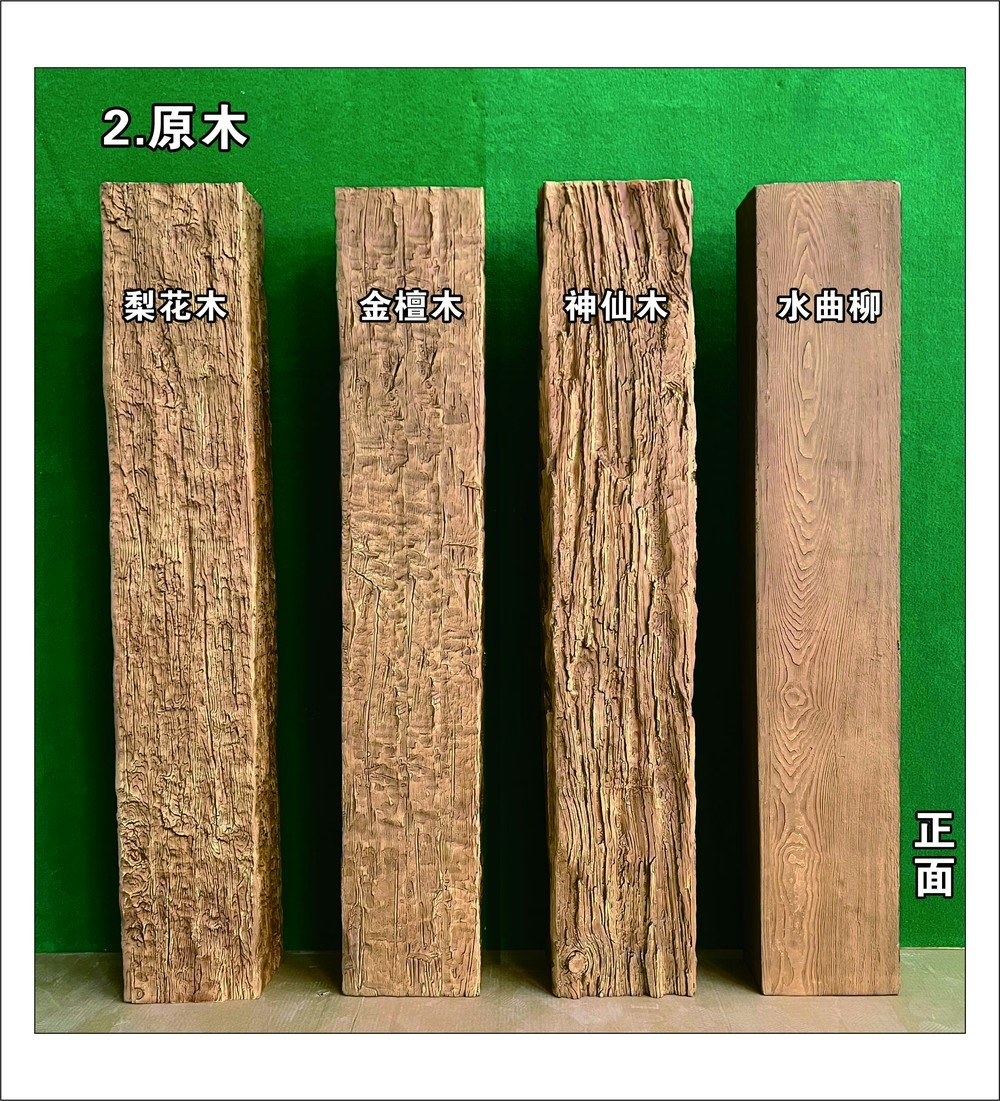
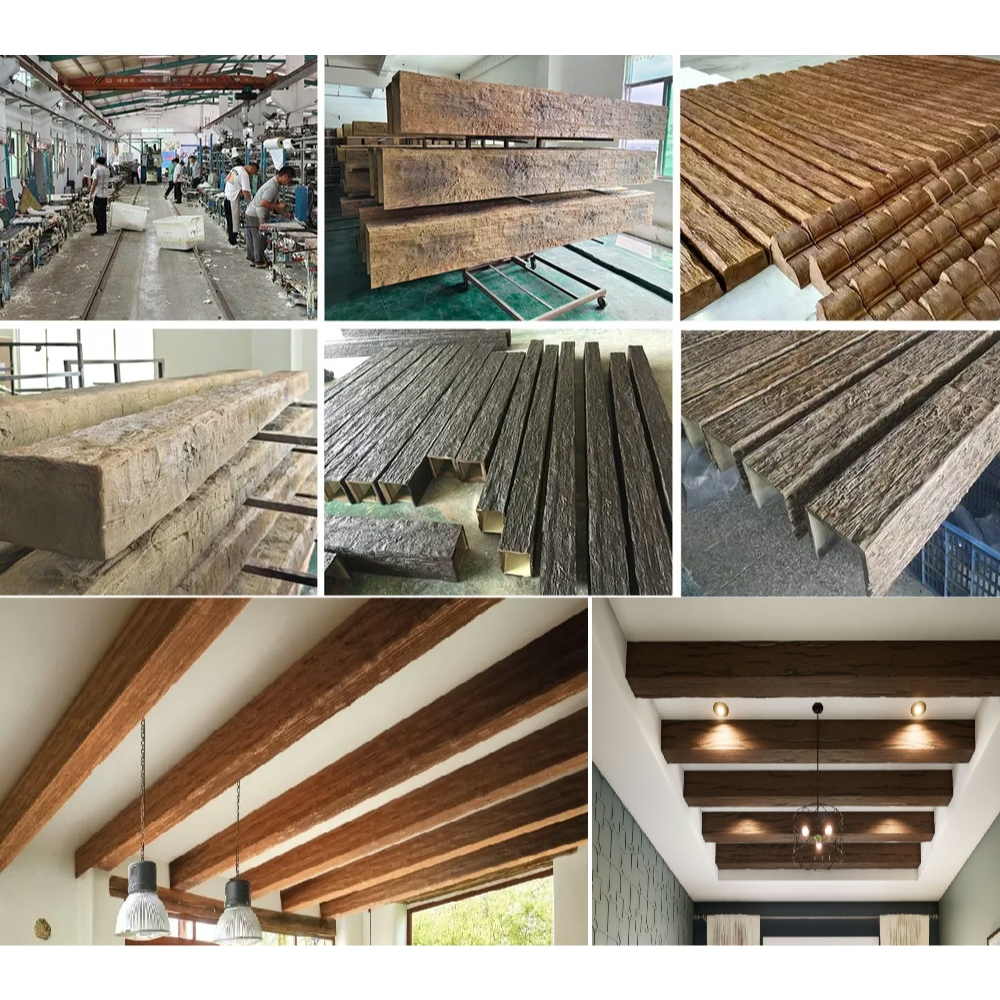
Wood carries deep psychological associations that transcend cultural and stylistic boundaries. The organic warmth of natural wood, its tactile qualities, and its visual complexity create responses that synthetic materials struggle to replicate. Polyurethane faux wood beams achieve remarkable fidelity to these wood characteristics—capturing grain patterns, color variations, and textural details that register as authentically wood to observers. This authenticity means beams contribute genuine wood aesthetics regardless of what surrounds them.
Timber construction traditions span virtually every architectural culture and historical period, creating universal familiarity with wood structural elements. Even when homes employ completely different structural systems, exposed wood beams read as appropriate—connecting to these deep-rooted associations rather than appearing foreign or incongruous. This appropriateness across contexts makes wood-look beams valuable problem-solvers for designers facing challenging spaces.
The scale and proportion of beams contribute to spatial perception in ways that enhance various design intentions. Beams can create intimacy in large, potentially overwhelming spaces, adding human-scaled architectural elements that make vast rooms feel more approachable. Conversely, beams in smaller spaces can add perceived height by drawing eyes upward and establishing vertical visual flow. Polyurethane beams accomplish these spatial effects through authentic appearance without structural limitations.
Acoustic properties of wood-textured beams contribute to comfortable interior environments. The textural surfaces help diffuse sound, reducing echo and managing reverberation in ways that smooth ceilings cannot. This acoustic benefit proves valuable throughout homes but especially in living areas, family rooms, and media spaces where sound quality affects daily comfort.
Farmhouse and Country Styles
Farmhouse design emphasizes comfort, authenticity, and connection to rural traditions. Exposed beams represent essential elements in achieving genuine farmhouse atmosphere, adding the rustic character that distinguishes these spaces from more refined alternatives. Polyurethane faux wood beams styled with appropriate weathering, visible grain, and substantial proportions create convincing farmhouse aesthetics that support contemporary lifestyles without sacrificing authenticity.
Shiplap ceilings paired with exposed beams capture another dimension of farmhouse style—the layered, textured surfaces that add visual richness without ostentation. Polyurethane beams in lighter finishes complement shiplap installations, while darker stained beams create more dramatic contrast. The key is maintaining the honest, straightforward aesthetic that farmhouse style demands, avoiding over-refinement or delicate detailing.
Country French and English cottage styles share farmhouse warmth while incorporating more classical proportions and ornamental details. Beams in these contexts may feature simpler profiles than rustic American farmhouses but still contribute substantial visual weight. Polyurethane options that replicate oak, chestnut, or reclaimed pine suit these applications well, bringing European design heritage into contemporary American homes.
Modern farmhouse interpretations strip some traditional elements while retaining essential characteristics—beams included. These hybrid designs often feature clean-lined beams with minimal ornamentation, allowing wood texture to provide warmth rather than architectural complexity. The approach proves effective in open-plan homes where beam installations unify disparate functional zones through consistent material language.

Traditional and Classical Interiors
Traditional interiors built around classical design principles benefit from beams styled to historical precedents. Victorian-era homes frequently featured ornate plasterwork and substantial timber, while Georgian and Federal period architecture employed more refined, proportional beam treatments. Polyurethane manufacturers have developed product lines specifically addressing these historical styles, including period-appropriate profiles and finishes.
Colonial and Early American interiors offer opportunities for more rustic beam expressions within formal compositional frameworks. The clean proportions and honest construction of Colonial architecture accommodate beams that feel substantial without appearing crude. Polyurethane beams in natural pine or oak finishes contribute warmth to these traditionally restrained spaces, introducing organic texture that softens formal arrangements.
Craftsman and Arts & Crafts homes feature beams as integrated design elements rather than applied decoration. The connection between structural honesty and visual character that defines these movements makes polyurethane beams natural fits—materials that express their nature authentically while contributing to overall design coherence. Stained finishes that reveal wood grain align well with Craftsman design philosophy, as do the robust proportions characteristic of the style.
Transitional interiors that blend traditional and contemporary elements require beams that bridge these aesthetic territories. Polyurethane options offer the flexibility to specify intermediate styles—contemporary proportions with traditional finishes, or traditional profiles in modern configurations. This adaptability makes beams valuable tools for transitional design, helping reconcile elements that might otherwise feel incompatible.
Contemporary and Minimalist Approaches
Contemporary design's emphasis on clean lines and material honesty creates interesting opportunities for beam integration. Rather than hiding structural elements, contemporary architects often celebrate them—exposing building systems and treating them as design features. Beams in these contexts may appear structural while being purely decorative, creating visual interest without actual load-bearing function.
Minimalist interiors require careful beam selection to avoid disrupting carefully composed simplicity. Smaller-scale beams in neutral finishes can add warmth without introducing visual competition. Alternatively, bold single beams used as focal points create impact through restraint—letting one dramatic element command attention rather than distributing interest across multiple features.
Industrial contemporary style draws inspiration from converted warehouses and manufacturing spaces, where genuine structural beams defined spatial character. Polyurethane beams styled to replicate steel I-beams or heavy timber construction bring this aesthetic into residential contexts without the practical challenges of authentic industrial materials. The warmth of wood texture against industrial forms creates the characteristic contrast that defines industrial contemporary style.
Mid-century modern revival aesthetics incorporate beams as period-appropriate elements, drawing from the architectural vocabulary of 1950s and 1960s home design. Beams in these contexts often feature clean profiles and natural finishes, connecting to the organic modernism that characterized the period's design philosophy. Polyurethane options capture these characteristics convincingly while offering the durability that contemporary living demands.
Eclectic and Global Design Expressions
Eclectic interiors that mix elements from various periods and cultures require beams capable of serving as neutral connectors or bold statements depending on design intent. Polyurethane's versatility accommodates both approaches—subtle beams that allow other elements to dominate, or dramatic installations that establish visual anchors around which eclectic arrangements cohere.
Global design influences increasingly appear in American homes, with Mediterranean, Japanese, Scandinavian, and other international aesthetics informing design choices. Beams in these contexts must relate appropriately to cultural precedents—substantial timber for Mediterranean warmth, clean-lined elements for Japanese restraint, or light-toned wood for Scandinavian simplicity. Polyurethane manufacturers' range of options addresses these varied requirements effectively.
Bohemian and free-spirited interiors embrace texture, pattern, and accumulated character in ways that beams naturally support. Rather than precise, controlled beam installations, bohemian contexts might feature layered beams, varied finishes, or creative arrangements that suggest collected authenticity. Polyurethane beams in rustic finishes contribute to this accumulated aesthetic without requiring the extensive salvage and restoration work that genuine reclaimed materials would demand.
Selection and Specification Guidance
Determining appropriate beam styles for specific residential applications requires evaluating multiple factors simultaneously. Existing architectural elements, planned furnishings, overall design direction, and practical constraints all influence optimal selections. Professional designers bring experience with these combinations, helping homeowners navigate options and identify solutions that meet both aesthetic and practical requirements.
Samples and visualization tools help homeowners evaluate beam options in context before committing to purchases. Viewing actual material samples against existing conditions—wall colors, flooring, furniture—reveals relationships that photographs may not capture accurately. Most manufacturers and retailers offer sample programs that enable this pre-purchase evaluation, reducing the risk of selections that disappoint upon installation.
Budget considerations influence both beam selection and installation approach. Premium finishes and custom configurations increase costs but may be necessary for specific design intentions. Simpler alternatives can achieve similar overall effects at lower cost when budget constraints require optimization. Understanding these trade-offs helps homeowners make informed decisions that balance aesthetic goals with financial realities.
Technical References
ASTM standards cited in every specification
Test Data
Lab results from internal testing program
Updated 2026
Reviewed against current product specs


