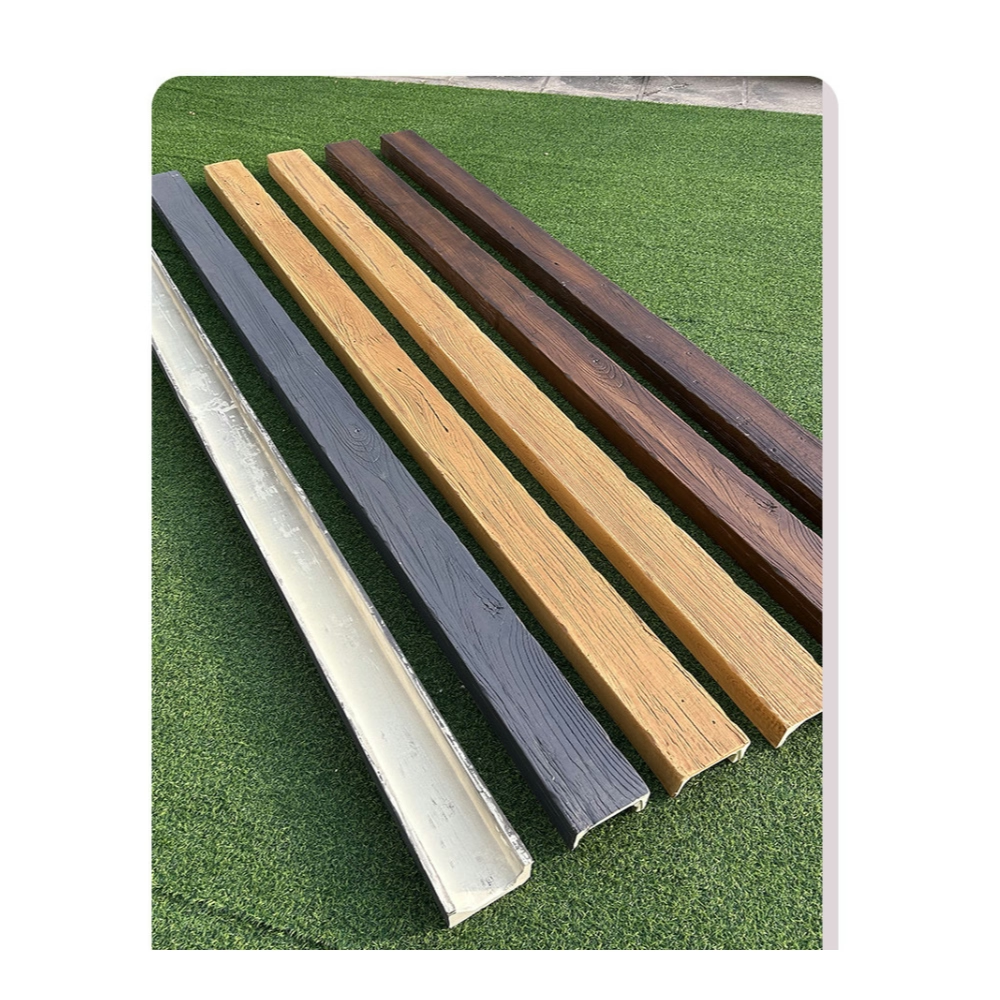
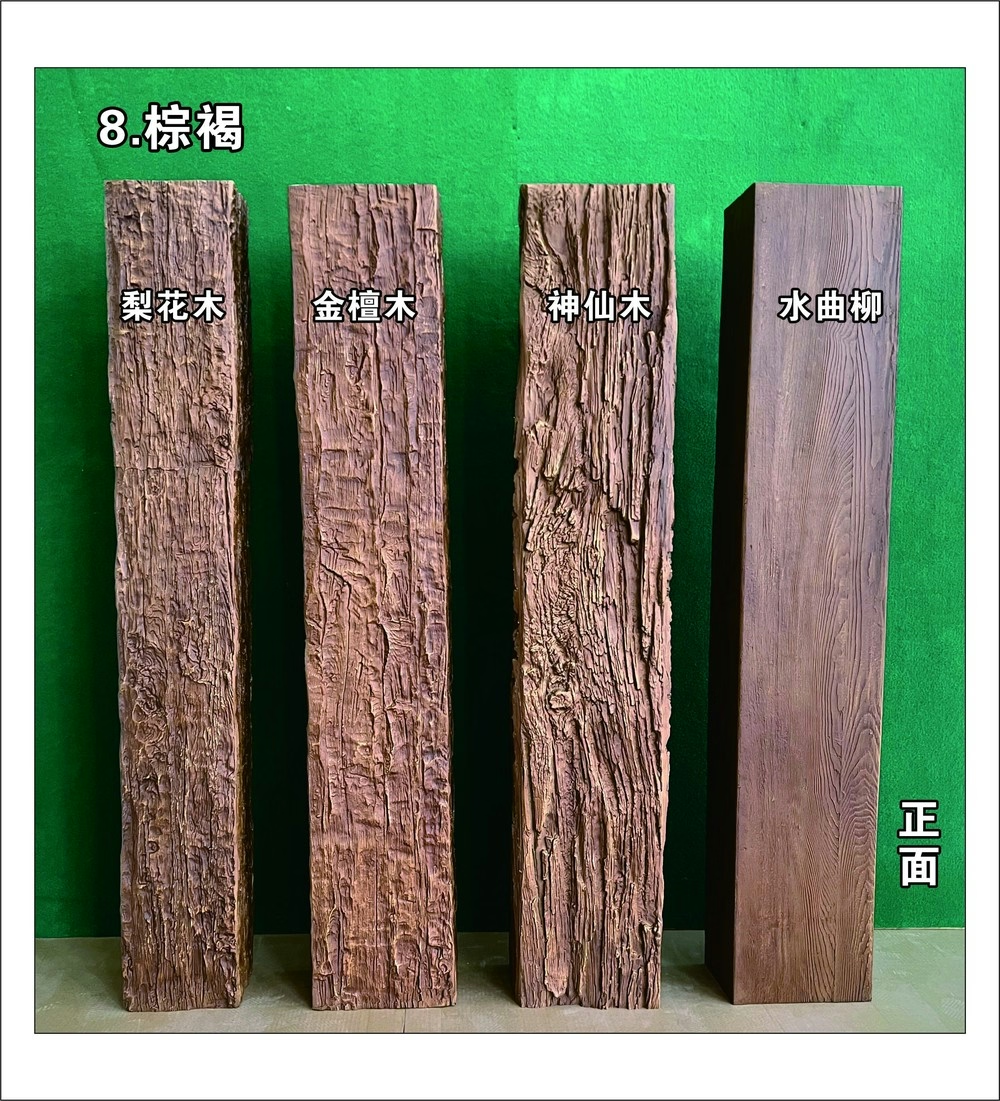
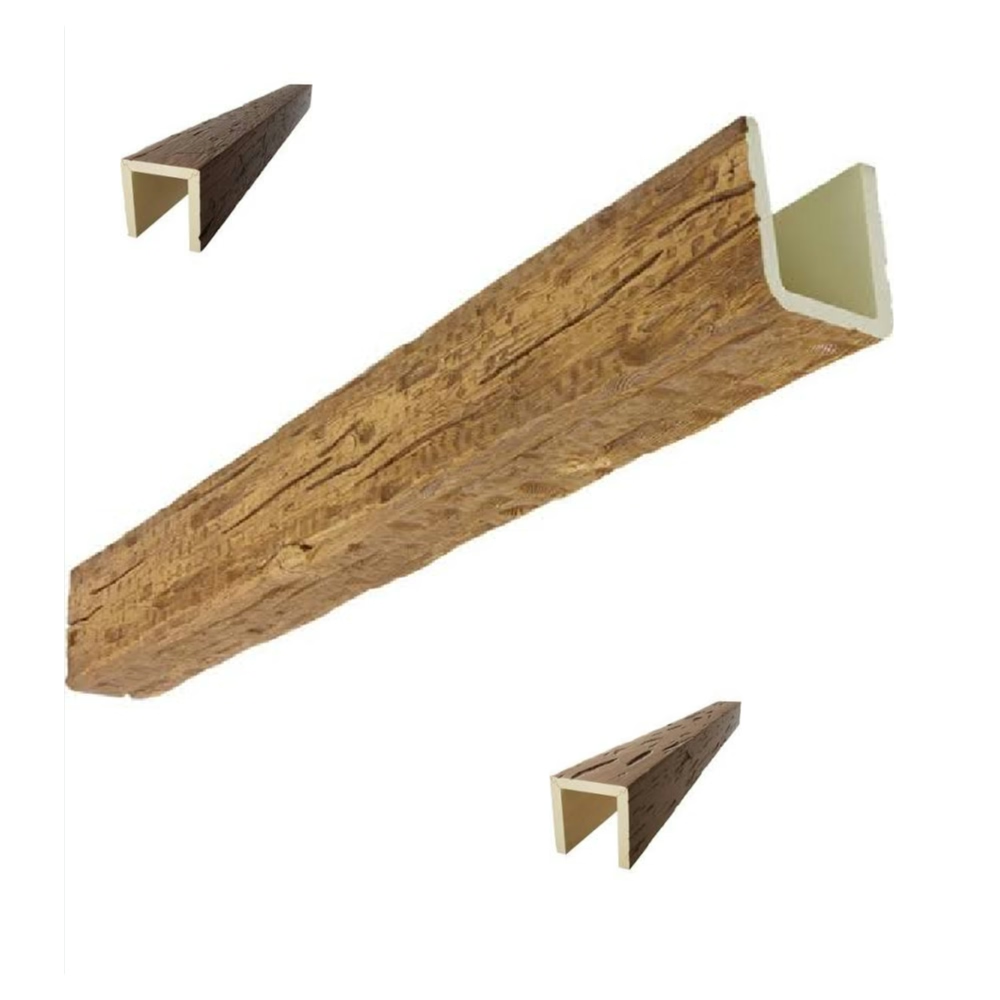
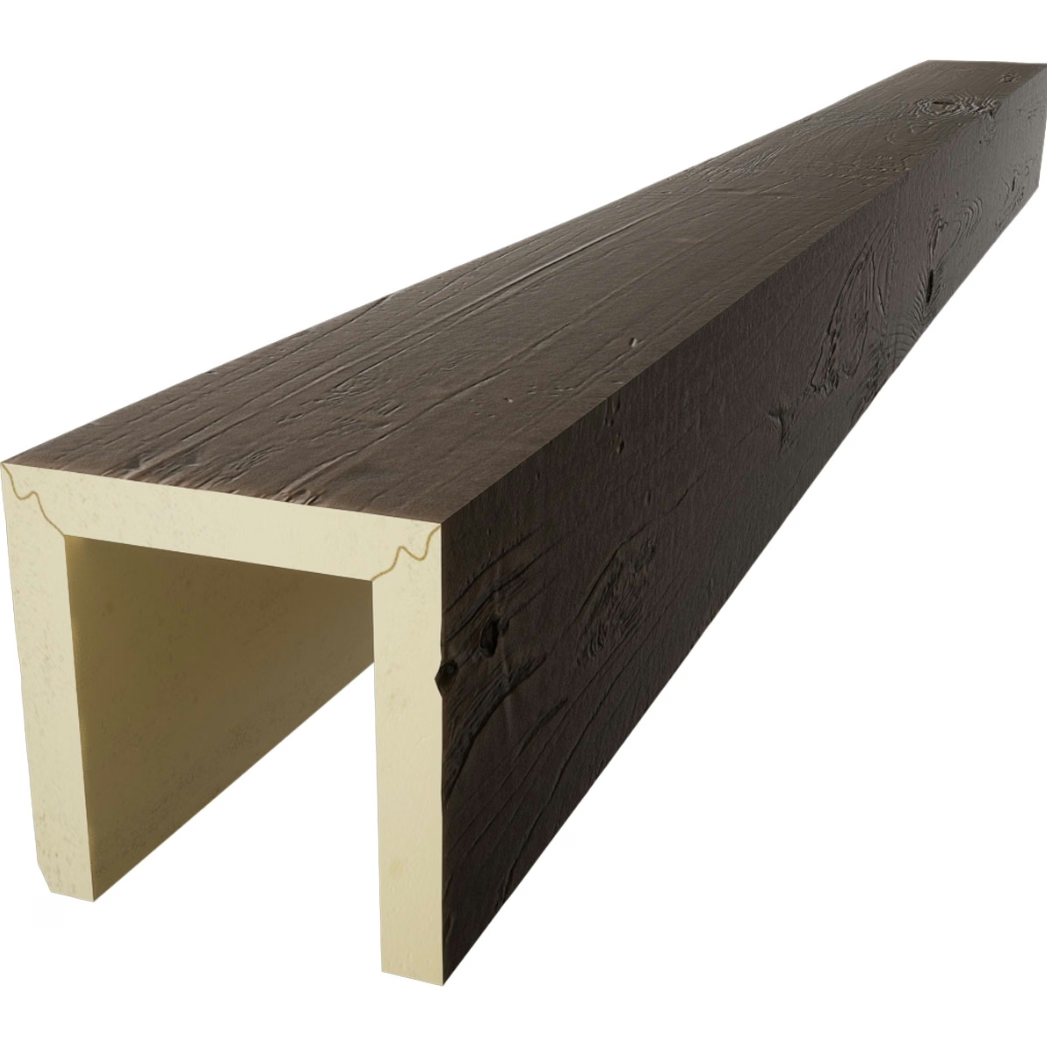
The desire to transform utilitarian structural elements into design assets drives significant renovation activity in both residential and commercial contexts. Exposed steel beams, engineered joists, and other necessary structural components frequently disrupt design intentions, creating visual obstacles that compromise otherwise successful interior environments. Full beam wrapping with U-shaped polyurethane faux wood beams offers definitive solutions, providing complete coverage that transforms problematic beams into attractive architectural features without the weight, cost, or maintenance concerns that genuine timber alternatives would introduce.
The Case for Complete Beam Coverage
Partial beam treatment often proves inadequate for beams that present significant aesthetic challenges. Where the goal is complete transformation rather than subtle enhancement, full wrapping provides the comprehensive coverage necessary to achieve intended outcomes. U-shaped polyurethane beams configured for complete coverage create the appearance of solid timber construction, with no trace of underlying structure visible to observers.
Aesthetic objectives drive many complete coverage decisions, but practical considerations also favor comprehensive treatment. Beams with damaged surfaces, unusual configurations, or other visual challenges may resist partial treatment that would adequately address more straightforward situations. Complete wrapping sidesteps these challenges entirely, enclosing problematic elements within attractive facades regardless of their underlying conditions.
Design consistency benefits from complete beam coverage when multiple beams require treatment. Uniform treatment across all beams creates cohesive appearance that contributes to overall design unity. Partial treatment runs the risk of inconsistent outcomes where some beams receive different treatment than others, visual discord that comprehensive coverage avoids.
Long-term appearance maintenance favors complete wrapping approaches that enclose original beams entirely. Beams that remain partially exposed may develop different appearance over time than fully wrapped elements, potentially creating visual inconsistency as materials age at different rates. Complete enclosure within polyurethane shells eliminates this differential aging concern.
Planning for Full Coverage Applications
Measurement precision determines how successfully full coverage will fit and perform. Every dimension of existing beams requires accurate measurement—width, depth, and length—along with any variations or irregularities that might affect fit. Professional installers often create cardboard templates for complex situations, verifying fit before committing to production components.
Clearance assessment ensures that full coverage will not create practical problems. Beams positioned near walls, corners, or other architectural elements may require special consideration to achieve proper fit while maintaining access to adjacent areas. Verify that doors, windows, and other elements that might swing or move will not interfere with installed beams.
Structural implications of adding covering weight to existing beams require consideration, though lightweight polyurethane minimizes these concerns. Heavier covering materials might require structural assessment or reinforcement, expenses that polyurethane's light weight typically avoids. This practical advantage expands the range of applications where beam wrapping becomes viable.
Finish selection should occur before final specification, as finish availability may affect product options. Pre-finished products limit field finishing requirements but constrain color and texture choices. Field finishing offers unlimited customization but requires appropriate conditions and adds labor. Understanding these trade-offs helps specifiers make appropriate selections.

Installation Techniques for Complete Coverage
Surface preparation for full coverage must address all conditions that might affect mounting and long-term performance. Clean, dry, structurally sound surfaces enable secure adhesive bonding that will last throughout the product lifetime. Any deficiencies identified during assessment require correction before installation begins.
Panel layout optimizes material usage while achieving intended appearance. Planning how components will position along beam spans, where joints will occur, and how pieces will align ensures efficient installation. Laying out components before mounting prevents surprises and allows final adjustments to plans.
Adhesive application techniques significantly influence bond quality and longevity. Manufacturer specifications provide guidance for appropriate products and application methods—deviating from these specifications risks bond failure that would require remediation. Apply adhesive in patterns that ensure complete coverage without excess that might squeeze out during positioning.
Clamping and bracing maintain position during adhesive cure, preventing movement that might compromise bonds. Temporary supports, straps, and braces all contribute to successful cure by preventing stress on developing bonds. Cure time requirements depend on adhesive products and environmental conditions—rushing this phase risks failures that prove difficult to correct.
Quality Control and Verification
Alignment verification throughout installation catches problems while correction remains straightforward. Checking that beams sit properly level, maintain consistent positioning, and align with adjacent elements prevents cumulative errors. Regular checking during installation proves far more efficient than addressing accumulated misalignment at project end.
Joint quality determines much of the visual success of complete coverage installations. Joints between components should appear seamless, with no visible gaps or misalignments. Achieving this quality requires careful attention to cutting accuracy, adhesive application, and finishing technique. The extra effort invested in joint quality distinguishes professional results.
Structural integrity verification confirms that installed beams will perform adequately over time. Checking that mounting systems adequately support installed weight, that joints remain secure, and that no developing problems exist provides confidence in long-term performance. Any deficiencies identified require correction before considering installation complete.
Documentation of installed conditions provides valuable information for future maintenance and modification. Recording mounting methods, adhesive products used, and component specifications supports future work that might affect installed beams. This documentation represents minimal effort with significant potential future value.
Cost-Benefit Considerations
Material cost comparison between polyurethane and alternative covering materials should account for total installed cost rather than purchase price alone. Installation labor, finishing requirements, and ongoing maintenance all factor into true cost comparisons. Polyurethane's installation efficiency and minimal maintenance requirements often result in favorable total cost comparisons despite higher material prices.
Installation cost factors depend significantly on project complexity and installer experience. Simple, accessible applications may justify DIY approaches by capable homeowners, while complex situations benefit from professional installation that ensures quality outcomes. The apparent DIY savings often evaporate when amateur mistakes require correction.
Maintenance cost projections over projected service life provide perspective for cost-benefit analysis. Materials requiring regular refinishing, sealing, or repair accumulate maintenance expenses that may exceed initial cost savings. Polyurethane's minimal maintenance requirements often prove decisive in lifecycle cost comparisons.
Value considerations beyond direct costs influence material selection for many projects. Appearance quality, durability, and aesthetic contribution all represent value that affects project success. Evaluating options purely on purchase price misses these important value dimensions.
Professional Consultation Benefits
Expert assessment of specific situations helps identify optimal approaches that general guidance cannot provide. Every beam presents unique conditions that influence appropriate treatment—professional evaluation ensures these conditions receive appropriate attention rather than generic responses that might prove inadequate.
Specification assistance from experienced professionals helps navigate product options and identify appropriate selections. The range of available products continues expanding, making current knowledge of options increasingly valuable. Professional specification draws on experience across many projects, knowledge that individual property owners cannot reasonably develop.
Installation oversight by experienced professionals ensures that work proceeds appropriately and that problems receive proper attention. Even when homeowners perform installation, professional consultation at key stages can catch developing issues and provide guidance that prevents mistakes. This oversight investment often proves economical compared to the cost of correcting errors.
Warranty and support from manufacturers and installers provides additional confidence in project outcomes. Knowing that problems will receive appropriate attention if they develop reduces anxiety about renovation decisions. This support network proves particularly valuable for significant investments.
Technical References
ASTM standards cited in every specification
Test Data
Lab results from internal testing program
Updated 2026
Reviewed against current product specs