
Accent walls have evolved from bold color experiments into sophisticated design tools that architects and interior designers employ strategically to create focal points, establish spatial hierarchy, and introduce material richness that enhances interior environments. The shift from paint to texture represents a significant upgrade in accent wall capability, and vertical mount polyurethane faux wood beams represent one of the most impactful textural options available. These installations transform ordinary walls into dramatic design statements that reward daily attention.
The Power of Vertical Accent Elements
Vertical orientation carries inherent visual power that horizontal elements cannot match. Our visual systems evolved in environments where vertical elements—trees, cliffs, human figures—signified important environmental features, creating psychological responses to vertical lines that designers leverage intentionally. Vertical beams exploit these responses, creating accent walls that command attention naturally without requiring unusual colors or aggressive styling.
Scale relationships between vertical beams and human bodies create immediate connection. Beams that extend from floor to ceiling establish architectural presences that occupants relate to as guides and companions rather than mere surface treatments. This relational quality distinguishes vertical accent walls from paint or wallpaper applications, which may cover larger areas but fail to create the same sense of architectural presence.
Textural depth adds dimensionality that flat surfaces cannot achieve. Shadows cast by protruding beams create visual interest that evolves throughout the day as natural light shifts, transforming static installations into dynamic visual experiences. This light interaction rewards ongoing attention in ways that purely visual treatments cannot match.
Material warmth counterbalances the hard surfaces that dominate contemporary interiors. Glass, steel, concrete, and plaster create environments that may feel impressive but often lack the comfort that residential spaces require. Vertical wood beams introduce organic warmth that makes spaces approachable and livable, tempering technological aesthetics with natural character.
Design Applications for Vertical Accent Walls
Living room focal walls behind primary seating create natural gathering points that anchor furniture arrangements. The beam installation establishes visual hierarchy that guides spatial organization, creating the sense of intentional design direction that helps occupants understand how spaces should be used. This organizational function proves valuable in open-plan living areas where functional zones require definition.
Bedroom headboard walls achieve particular effectiveness with vertical beam installations. The bed's horizontal orientation creates natural opposition to vertical beams, generating visual tension that creates interest. The intimate scale of bedrooms allows substantial beam treatments that might overwhelm larger spaces, achieving dramatic impact appropriate to the most personal rooms in homes.
Entry walls make powerful first impressions that establish design expectations for entire homes. Vertical beams in entryways create welcoming presences that announce design intentions while providing the warmth that entries often lack. These installations reward everyone who enters, creating positive associations that reinforce design satisfaction.
Home office accent walls add professional gravitas to work-from-home spaces. The architectural presence of vertical beams distinguishes work areas from the domestic舒适性 that surrounds them, supporting the psychological separation between professional and personal life that remote work requires. This distinction helps remote workers maintain focus and productivity.


Mounting Techniques for Wall Applications
Surface mounting provides the most straightforward installation approach for vertical accent walls. Beams attach directly to prepared wall surfaces using appropriate adhesive systems, mechanical fasteners, or combined approaches. The technique works well in new construction or renovation contexts where wall conditions support direct mounting.
Stud mounting offers enhanced security for installations where load considerations favor additional attachment points. Locating wall studs and positioning fasteners to engage structural framing provides confidence that beams will remain secure regardless of what forces they might encounter. Stud finders and careful measurement ensure accurate stud location.
Adhesive-only approaches work well for many vertical applications, particularly when wall surfaces are clean, dry, and properly prepared. Premium construction adhesives create bonds strong enough to support beam weight indefinitely when surfaces meet manufacturer specifications. This approach eliminates visible fasteners, creating clean appearances that purely mechanical mounting cannot match.
Combined adhesive and fastener approaches provide maximum security for demanding applications. Adhesive creates continuous contact that distributes loads across entire beam surfaces, while fasteners provide immediate holding power during adhesive cure and redundant security if adhesive performance ever degrades. This belt-and-suspenders approach suits professional installations where long-term reliability is paramount.
Spacing and Configuration Strategies
Uniform spacing creates orderly, controlled appearances appropriate for contemporary and minimal design approaches. Consistent gaps between beams establish visual rhythm that feels intentional and designed, contributing to overall spatial organization. The specific spacing dimension should relate to beam width and wall proportions—wider beams and larger walls accommodate larger gaps.
Varied spacing introduces visual interest through deliberate irregularity. This approach requires careful planning to avoid randomness that appears accidental rather than intentional. Establishing spacing rules—even if those rules involve multiple recurring dimensions—creates variety while maintaining coherence. The technique works particularly well in eclectic or transitional interiors that embrace diversity.
Narrow accent walls may benefit from full-coverage treatment where beams cover the entire wall surface without gaps. This approach maximizes textural impact while eliminating the design decisions that spacing requires. The result feels bold and committed, appropriate for walls that serve as primary focal points in their spaces.
Large accent walls can accommodate grouped configurations where dense beam clusters alternate with open areas. This approach prevents overwhelming visual impact that uniform treatment might create on expansive walls while maintaining the textural richness that beam installations provide. The composition should feel balanced despite its asymmetry.
Coordination with Other Design Elements
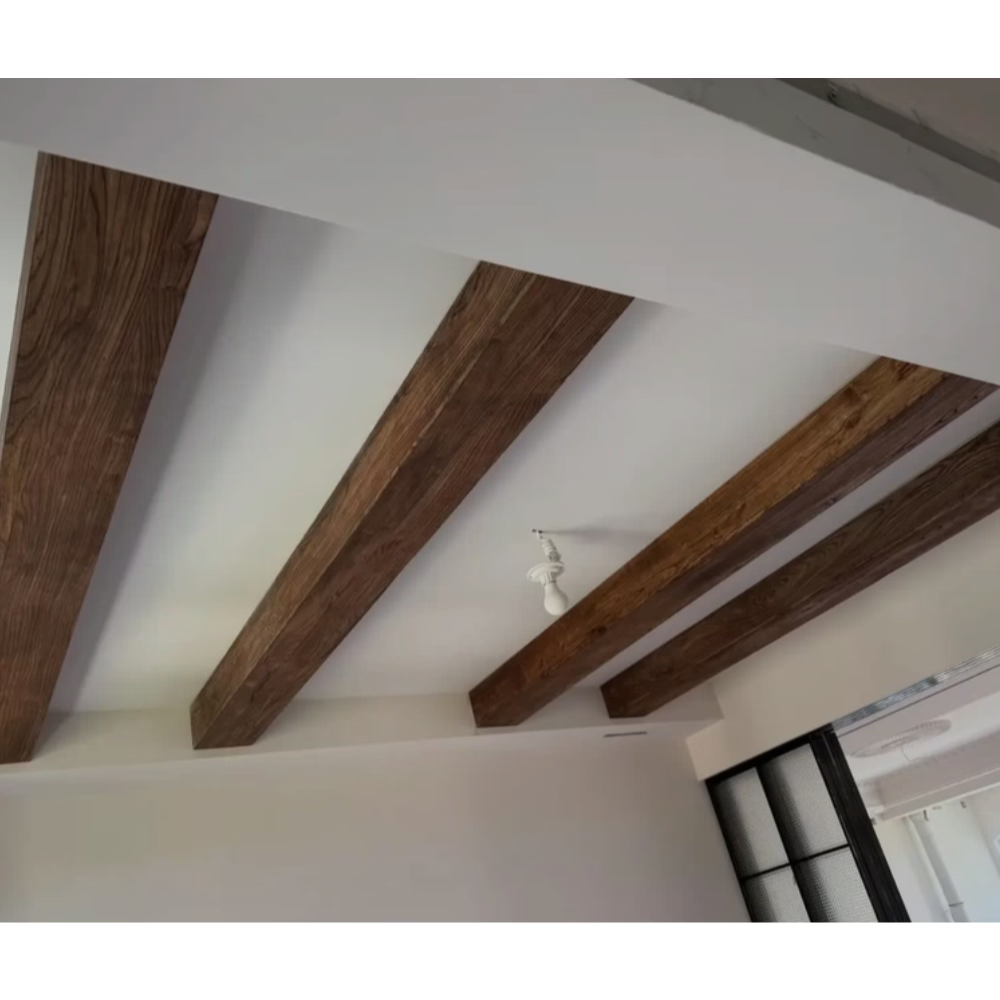
Lighting design significantly influences vertical accent wall impact. Wall-washing techniques—light directed across beam surfaces—create shadow depth that emphasizes texture and dimension. Alternatively, accent lighting positioned to graze beams at angles creates dramatic shadow patterns that evolve throughout the day as natural light shifts.
Furniture placement should relate intentionally to vertical beam installations. Seating positioned before accent walls benefits from the visual anchoring that beams provide, creating comfortable enclosure that supports relaxation. The beams' vertical orientation draws eyes upward, potentially making ceilings appear higher while adding architectural interest to spaces that might otherwise feel flat.
Color coordination between beams and surrounding surfaces affects overall impact. Matching beam finishes to adjacent wood elements creates visual unity throughout spaces. Contrasting beam colors against wall surfaces emphasizes texture and dimension, while matching beams to wall colors creates more subtle textural effects without strong color contrast.
Accessorizing around vertical accent walls should complement rather than compete with beam installations. Artwork, mirrors, and decorative objects can reinforce design direction without creating visual competition. The goal is creating complete environments where accent walls contribute to rather than dominate spatial character.
Maintenance and Long-Term Care
Vertical beam installations require minimal maintenance compared to many wall treatment alternatives. The durable polyurethane surface resists the scuffing, marking, and damage that painted walls suffer, while the textured surface disguises minor imperfections that would be visible on flat painted surfaces. This resilience proves particularly valuable in high-traffic areas.
Cleaning vertical beams follows simple protocols that preserve appearance without extensive effort. Dust accumulation on protruding surfaces proves less noticeable than on flat walls, while cleaning involves nothing more than dusting or occasional wiping. The non-porous surface resists staining and can be cleaned with standard household products.
Damage repair for vertical beams involves techniques similar to those for ceiling installations. Minor scratches can be touched up with appropriate finishing products, while more significant damage may require component replacement. Having spare materials from original installation facilitates repairs without requiring product reorders.
Professional consultation helps ensure that vertical accent wall applications receive appropriate attention to specific conditions and objectives. Experienced designers can recommend spacing, configuration, and finish options that serve particular spaces effectively, avoiding disappointment that might result from inadequate planning.
Technical References
ASTM standards cited in every specification
Test Data
Lab results from internal testing program
Updated 2026
Reviewed against current product specs

