
Interior walls present vast untapped potential for architectural enhancement that most property owners overlook. Flat surfaces covering entire rooms receive treatment limited primarily to paint, wallpaper, or occasionally tile—options that add color or pattern but rarely achieve the dimensional character that memorable spaces require. Vertical polyurethane faux wood beams unlock this potential, transforming interior walls into textural landscapes that fundamentally alter how spaces feel and function. The shift from flat to dimensional represents one of interior design's most impactful transformations.
Rethinking Interior Wall Possibilities
Conventional wall treatment wisdom treats surfaces as backgrounds for furniture and furnishings rather than as opportunities for architectural expression. Paint colors get selected to complement upholstery, wallpapers get chosen to avoid visual competition with artwork, and tile gets specified for practical reasons rather than aesthetic ambition. This background treatment of walls misses the substantial design potential that large surface areas represent.
Vertical beams introduce architectural scale to wall treatments, creating elements that relate to human bodies rather than merely covering surfaces. The dimensional presence of beams adds visual weight that paint and wallpaper cannot achieve, establishing walls as design participants rather than passive backdrops. This architectural contribution transforms how spaces feel, adding substance that surfaces alone cannot provide.
Material richness through wood aesthetics brings organic warmth to interior environments that might otherwise feel technological or sterile. Contemporary construction frequently employs materials optimized for performance rather than sensory experience—drywall, glass, steel, and concrete serve functional purposes admirably but often lack the comfort that residential spaces require. Vertical wood beams introduce the natural character that balances these technical materials.
Spatial definition without physical barriers represents another dimension of wall beam contribution. Beams can establish zones within open floor plans, create psychological boundaries that guide occupant movement and activity, and add perceived enclosure to vast spaces. This spatial organization proves valuable in contemporary homes where open plans require subtle differentiation between functional areas.
Planning Vertical Beam Wall Installations
Wall assessment establishes baseline conditions that influence installation approach and outcome. Surface conditions—drywall quality, existing finishes, moisture history—affect mounting preparation requirements. Structural conditions determine appropriate fastener selection and spacing. Understanding these baseline conditions prevents surprises during installation.
Dimension analysis ensures that proposed installations will fit and proportion appropriately within target spaces. Beam length should relate to wall height and ceiling conditions—floor-to-ceiling installations create different effects than beams stopping short of ceilings. Width and depth selection should account for wall proportions and intended visual intensity.
Lighting evaluation identifies opportunities and challenges that current and planned lighting might create. Natural light patterns, existing fixture locations, and planned accent lighting all influence how wall beams will appear and perform. Integrating beam treatment with lighting design from the beginning produces more successful outcomes than adding beams to existing lighting conditions.
Finish selection should coordinate with overall design schemes while considering practical maintenance requirements. Pre-finished options eliminate field finishing work but constrain choices, while field finishing offers unlimited customization at the cost of additional labor. Understanding these trade-offs helps specifiers make appropriate selections for specific project requirements.

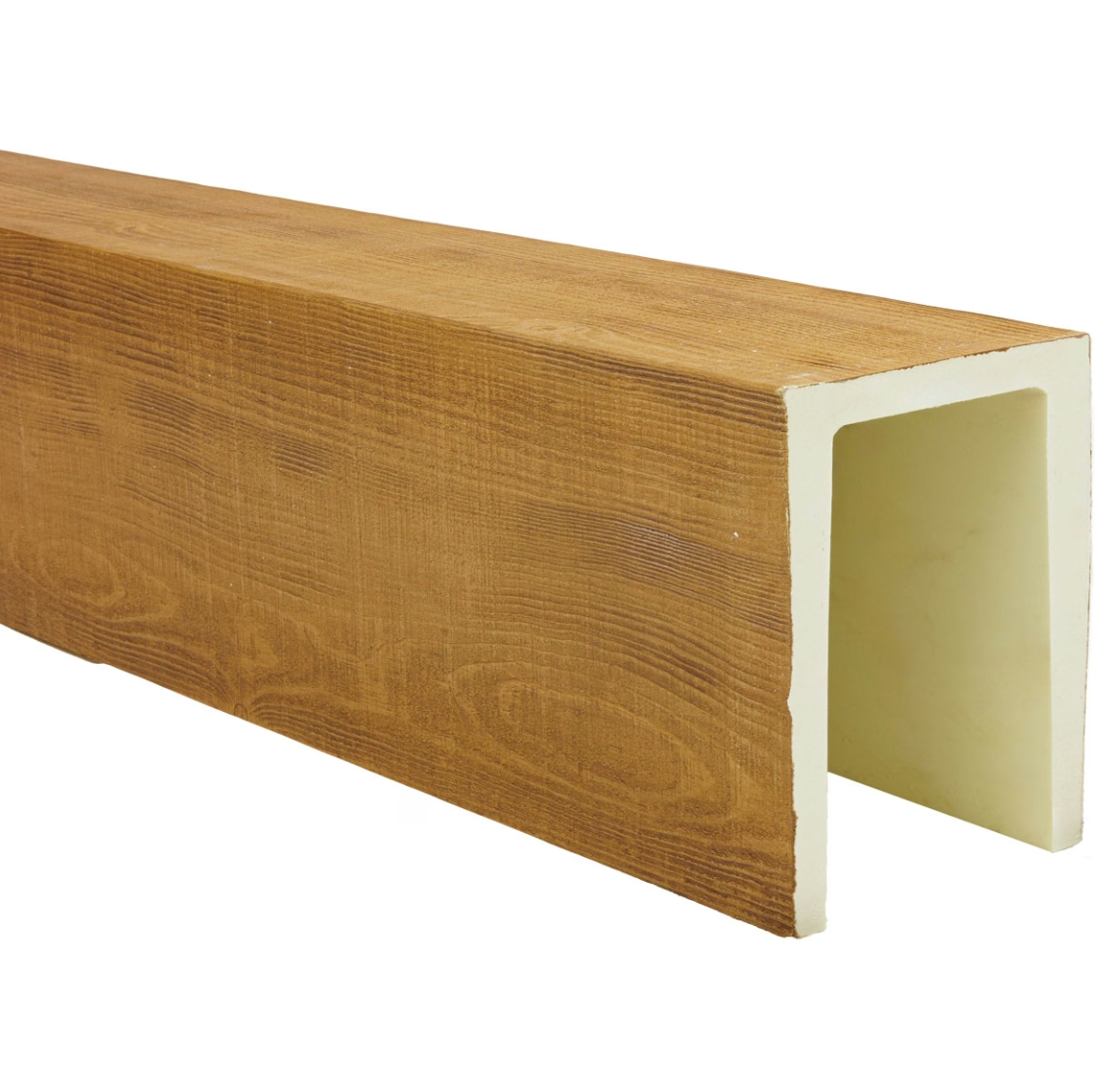
Installation Approaches and Techniques
Surface preparation determines installation success and long-term performance. Wall surfaces should be clean, dry, and free from materials that might compromise adhesive bonding. Loose paint, wallpaper adhesive residue, and surface contamination all require attention before mounting begins. This preparation investment prevents failures that would require remediation.
Adhesive application techniques significantly influence bond quality. Manufacturer specifications provide guidance for appropriate products and application methods—following these guidelines ensures that bonds will perform as expected. Applying adhesive in appropriate patterns, with proper bead size and coverage, creates the continuous contact that strong bonds require.
Positioning and alignment verification throughout installation prevents cumulative errors. Checking that beams sit plumb, maintain consistent spacing, and align properly with design intentions catches problems early when correction remains simple. Regular verification during installation proves far more efficient than addressing misalignment after completion.
Finishing techniques complete installations with attention to joints, gaps, and attachment evidence. Quality sealants create seamless appearances between beams and walls, while paint touch-ups hide any installation marks. These finishing details distinguish professional installations that appear inherent to architecture rather than added afterthoughts.
Design Composition Strategies
Full-wall treatment creates maximum visual impact through complete surface coverage. Beams extend across entire walls, creating textural landscapes that transform even unremarkable spaces into design showcases. This bold approach suits walls that serve as primary focal points, where dramatic treatment justifies the investment and attention.
Partial-wall treatment addresses specific areas without overwhelming entire surfaces. Vertical beams might cover only the upper portion of walls, or extend only across portions of available width. This restrained approach suits contemporary interiors where subtle enhancement rather than dramatic transformation represents the design objective.
Mixed-orientation compositions introduce visual complexity through intentional variation. Vertical beams might intersect with horizontal elements, or different sections might feature different spacing or beam sizes. These compositions create visual interest through diversity while maintaining overall coherence through consistent material language.
Zone-specific applications address particular functional areas without treating entire walls. Beams might frame a fireplace, define a reading nook, or accent a specific furniture arrangement. These targeted applications concentrate impact where it matters most while preserving simplicity in surrounding areas.
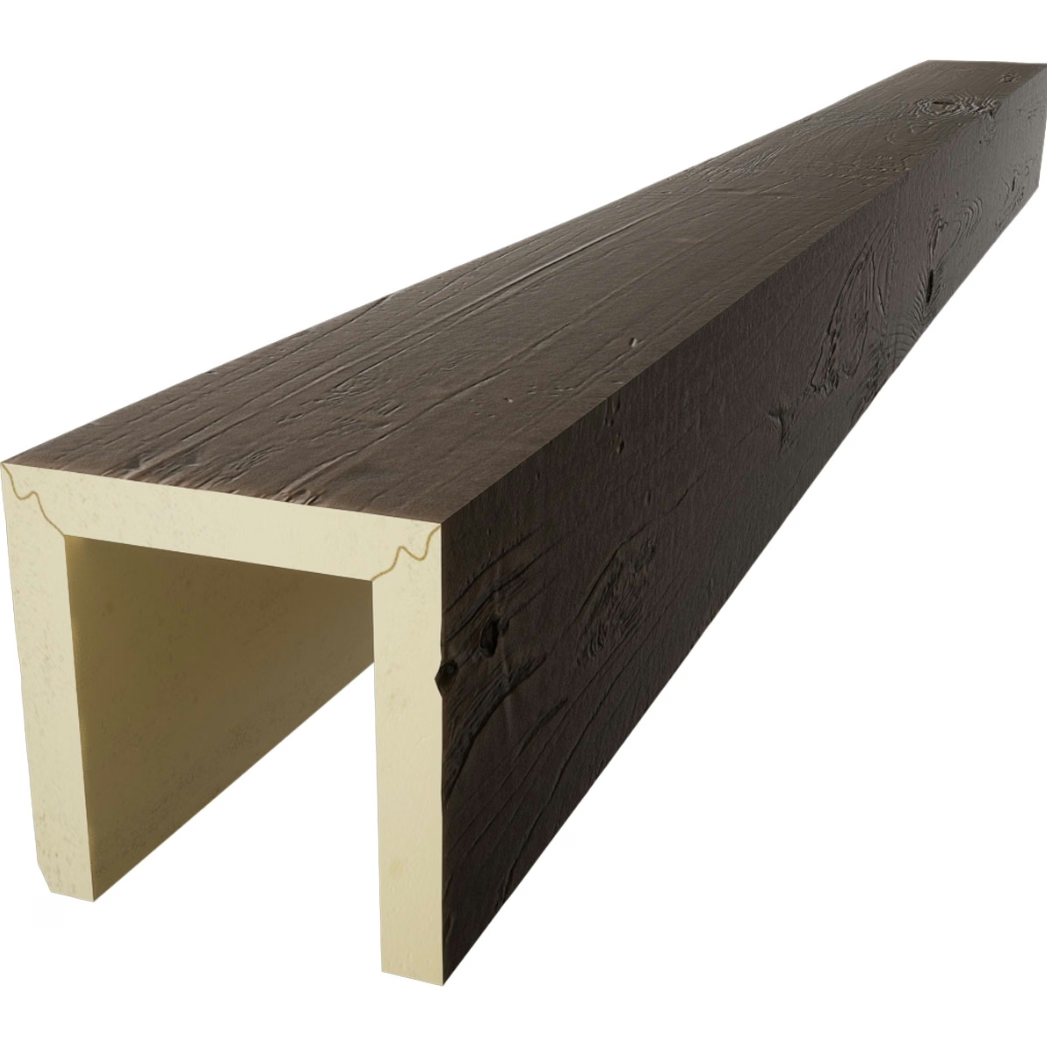
Coordinating with Interior Design Elements
Furniture relationships should feel intentional rather than accidental. Vertical beams behind sofas create natural backdrops that anchor seating arrangements. Beams flanking built-ins integrate with storage design, adding warmth to functional elements. These relationships reinforce spatial organization while establishing design connections between separate elements.
Lighting integration transforms wall beam installations from purely visual treatments into lighting design opportunities. Wall-washing beam surfaces with accent lighting creates shadow depth and dimensional interest that enhances texture. Integrated fixtures within beam installations provide functional illumination while maintaining clean aesthetic lines.
Color relationships between beams and surrounding surfaces affect overall impact. Matching beams to existing wood elements creates visual continuity throughout spaces. Contrasting beam colors against wall surfaces emphasizes texture and dimension. Each approach serves different design intentions, and the choice should align with overall design direction.
Accessorizing around vertical beam installations should reinforce rather than compete with design intentions. Artwork placement, textile selection, and decorative objects all interact with wall beam treatments. Thoughtful coordination creates cohesive environments where all elements support shared design direction.
Maintenance and Care Requirements
Routine maintenance for vertical beam installations involves simple cleaning that preserves appearance without extensive intervention. The polyurethane surface repels dust and resists staining, requiring only periodic dusting or wiping to maintain attractive appearances. This low-maintenance characteristic proves valuable in high-traffic areas and on difficult-to-access wall surfaces.
Damage resistance protects installations from the minor impacts that walls inevitably encounter. Furniture movement, door swings, and daily activities all threaten wall surfaces, but the durable polyurethane surface resists damage that would require repair on painted or wallpapered walls. This resilience maintains appearance quality through years of real-world use.
Professional consultation helps ensure that vertical wall applications receive appropriate planning and execution. Experienced designers understand how beam installations interact with other design elements and can recommend approaches that serve specific spaces effectively. Their expertise prevents costly mistakes and ensures that installations achieve intended design objectives.
Technical References
ASTM standards cited in every specification
Test Data
Lab results from internal testing program
Updated 2026
Reviewed against current product specs


