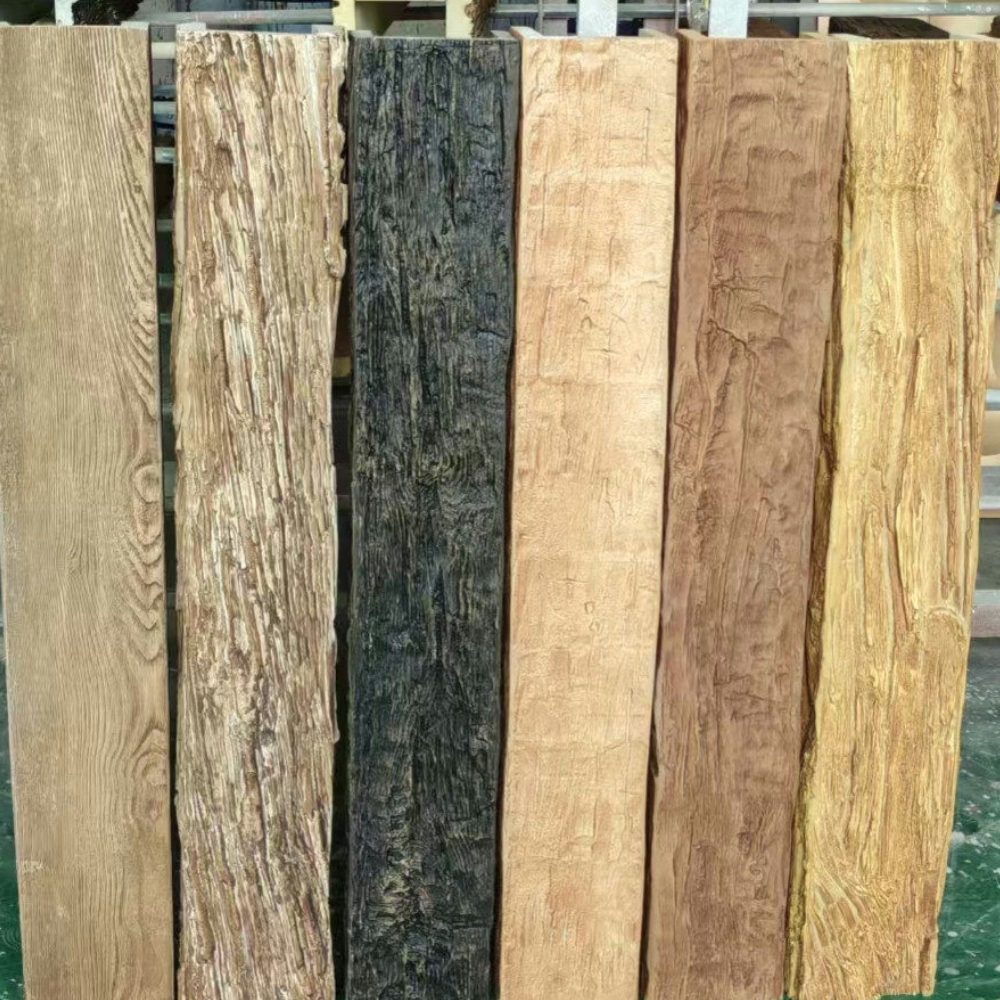
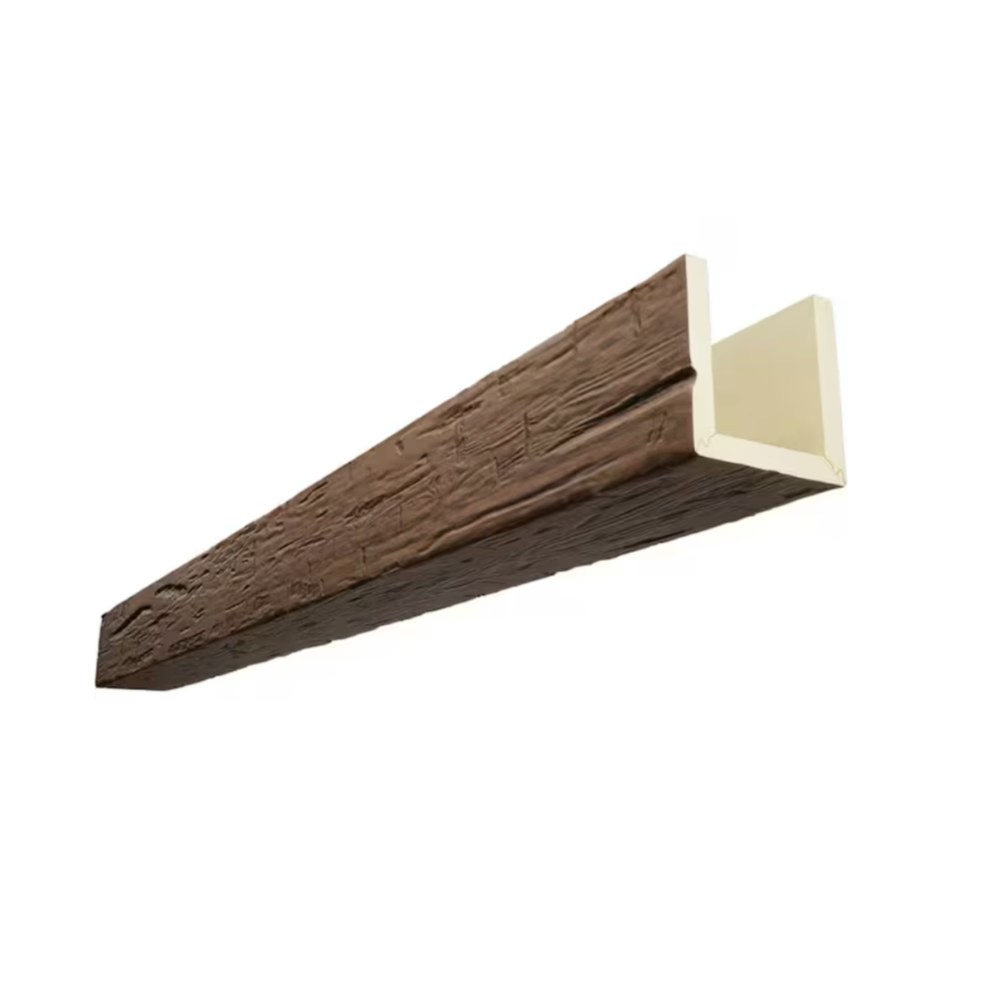
The passage of time imparts character that no manufacturing process can fully replicate. Weathered surfaces, patina development, and the subtle variations that occur through years of use create appearances that speak of authenticity, history, and earned character. These qualities explain why aged finishes remain perennially popular in interior design—spaces that feel established and authentic create emotional responses that new materials struggle to achieve. Polyurethane faux wood beams finished to appear vintage and aged deliver these desirable aesthetics without the expense, scarcity, and practical challenges that genuine antique timber presents.
Understanding Vintage Finish Aesthetics
Vintage and aged finishes achieve their appeal through departures from perfection. Natural wood accumulates character through use and exposure—dents, scratches, color variations, and surface wear that create visual interest through imperfection. Replicating these qualities requires understanding what makes aged surfaces appealing and how manufacturing and finishing techniques can capture essential characteristics.
Color development in aged wood involves both light-induced changes and natural oxidation that deepens and harmonizes tones over time. Oak and pine yellow and amber with age, while walnut develops richer browns. These color shifts occur unevenly, with exposed surfaces changing more than protected areas, creating the subtle tonal variations that authentic aging produces. Finish techniques must address these color dynamics to achieve convincing appearance.
Surface wear patterns reveal how objects get used—edges round with handling, flat surfaces develop patina through contact, and corners accumulate marks from impacts. Replicating these patterns requires understanding wear distribution and intensity. Furniture gets handled most frequently at edges and corners, while ceiling beams accumulate different wear patterns related to occasional contact and environmental exposure.
Patina development involves chemical and physical changes that create surface qualities distinct from underlying materials. The waxy sheen of frequently handled wood, the darkened appearance of surfaces protected from light, and the subtle discoloration around hardware and accents all contribute to authentic aged appearance. Capturing these qualities requires finishing techniques that address patina development specifically.
Finish Application Techniques
The foundation of convincing aged finishes begins with appropriate base preparation. While polyurethane beams arrive with smooth, consistent surfaces, aging treatment requires creating the surface variations that authentic materials develop. This preparation might involve subtle texturing, edge distressing, or surface modification that provides receptive surfaces for aging treatments.
Color layering builds visual complexity that aged surfaces display. Rather than uniform single-color application, aged finishes involve multiple color applications with selective removal, allowing underlying colors to show through in controlled patterns. This layering creates the depth and variation that single-color finishes lack, contributing to the rich appearance that aged surfaces display.
Patina application creates the surface qualities that distinguish truly aged materials from merely colored alternatives. Various techniques—furniture waxes, tinted patina solutions, or pigmented oils—create surface effects that read as authentic aging rather than artificial treatment. The specific techniques employed depend on the wood species being simulated and the specific aging characteristics being replicated.
Protective topcoats seal aging treatments while preserving the visual qualities that aging work created. The challenge involves maintaining appearance character while providing the durability that practical use requires. Modern finish technology offers options that balance these considerations, providing protection without sacrificing the aesthetic qualities that aging treatment established.

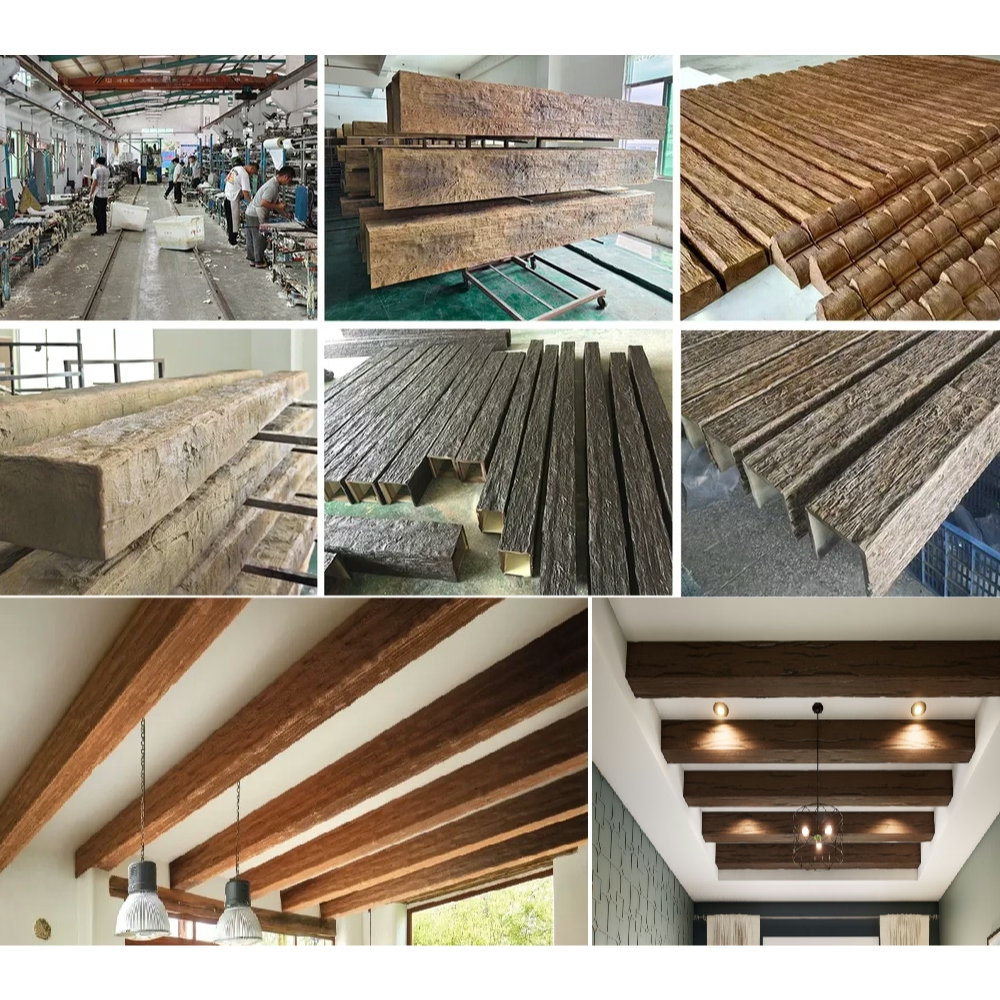
Style Applications for Timeless Interiors
Traditional interiors naturally accommodate vintage finished beams, as the design vocabulary already includes aged materials, classical proportions, and accumulated character. Beams finished to suggest centuries of service contribute to design coherence that contemporary materials might disrupt. The aged appearance becomes part of a larger design story that includes traditional furniture, classic color schemes, and established decorative elements.
Farmhouse and country interiors embrace weathered aesthetics that vintage finishing captures. These styles celebrate honest materials, practical beauty, and the patina that family living develops. Beams that appear salvaged from old barns or mills support farmhouse design intentions while offering practical advantages that genuine reclaimed materials cannot match. The finishes appear authentic while the materials perform reliably.
Mediterranean and Spanish Colonial Revival styles feature wood elements with distinctive aging characteristics—the dry, sun-bleached appearance of materials exposed to intense heat and brilliant light. Vintage finishing for these applications must replicate specific environmental effects rather than the wear patterns typical of northern European traditions. The palette and technique adjustments required for these applications demand understanding of regional material characteristics.
Eclectic interiors that mix elements from various periods and places can benefit from vintage-finished beams that provide visual connection between disparate components. The warmth and character that aged finishes provide help unify eclectic compositions, creating coherence through shared material qualities rather than strict stylistic adherence.
Coordination with Interior Design Elements
Furniture relationships should reinforce design intentions that vintage beam finishes establish. Painted or lightly finished furniture may appear incongruous against heavily aged beams, while pieces with their own patina development create visual harmony. This coordination requires attention during furniture selection, ensuring that all wood elements contribute to shared design character.
Color palette development should account for aged beam contributions. The warm tones characteristic of aged finishes influence appropriate companion colors—neutrals should harmonize with wood tones, while accent colors should complement rather than clash with aged warmth. This palette consideration prevents designs where beams feel disconnected from surrounding color schemes.
Textile selection can reinforce or undermine vintage finish intentions. Natural fibers, traditional patterns, and muted colors support aged aesthetics, while synthetic materials and contemporary patterns may create visual discord. The textile layer—upholstery, drapery, rugs—occupies substantial visual real estate that either reinforces or contradicts beam finishes.
Lighting interaction with aged finishes deserves attention during design development. The warm tones characteristic of vintage finishes interact with both natural and artificial light, potentially shifting appearance significantly under different lighting conditions. Understanding these interactions helps specify finishes that perform well under actual lighting conditions rather than merely in showrooms or sample displays.
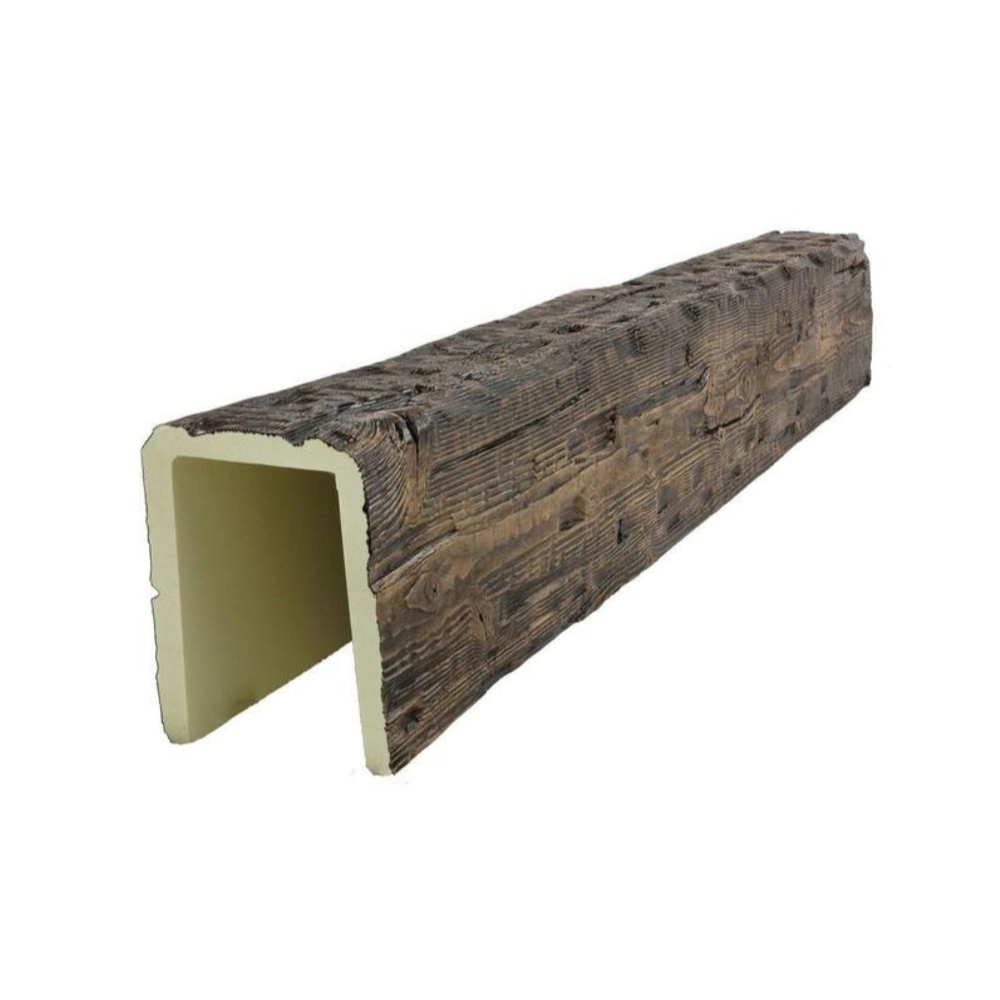
Maintenance of Aged Finish Beams
Preserving vintage finish appearance requires understanding what aging treatments create and how to maintain them without inadvertently refreshing surfaces toward new appearance. Aggressive cleaning can strip patina and wear patterns that aging treatment established, undermining the authenticity that aged finishes provide. Gentle maintenance preserves appearance while protecting underlying materials.
Cleaning protocols for aged finish beams should emphasize dust removal and occasional gentle cleaning rather than deep restoration. Soft brushes, microfiber cloths, and minimal moisture suffice for routine care. When more thorough cleaning becomes necessary, test cleaning approaches on inconspicuous areas before applying them to visible surfaces.
Touch-up requirements for aged finish beams differ from those for fresh-finished surfaces. Matching aged appearance requires techniques that replicate weathering and wear rather than simply applying fresh finish. Having original finish information—manufacturer specifications, finish formulas, and application records—facilitates touch-up work when damage occurs.
Professional consultation helps ensure that aged finish beams receive appropriate care throughout their service life. Finish specialists understand how to maintain and repair aged treatments without compromising authenticity. Their expertise proves valuable when significant touch-up or restoration becomes necessary.
Technical References
ASTM standards cited in every specification
Test Data
Lab results from internal testing program
Updated 2026
Reviewed against current product specs