
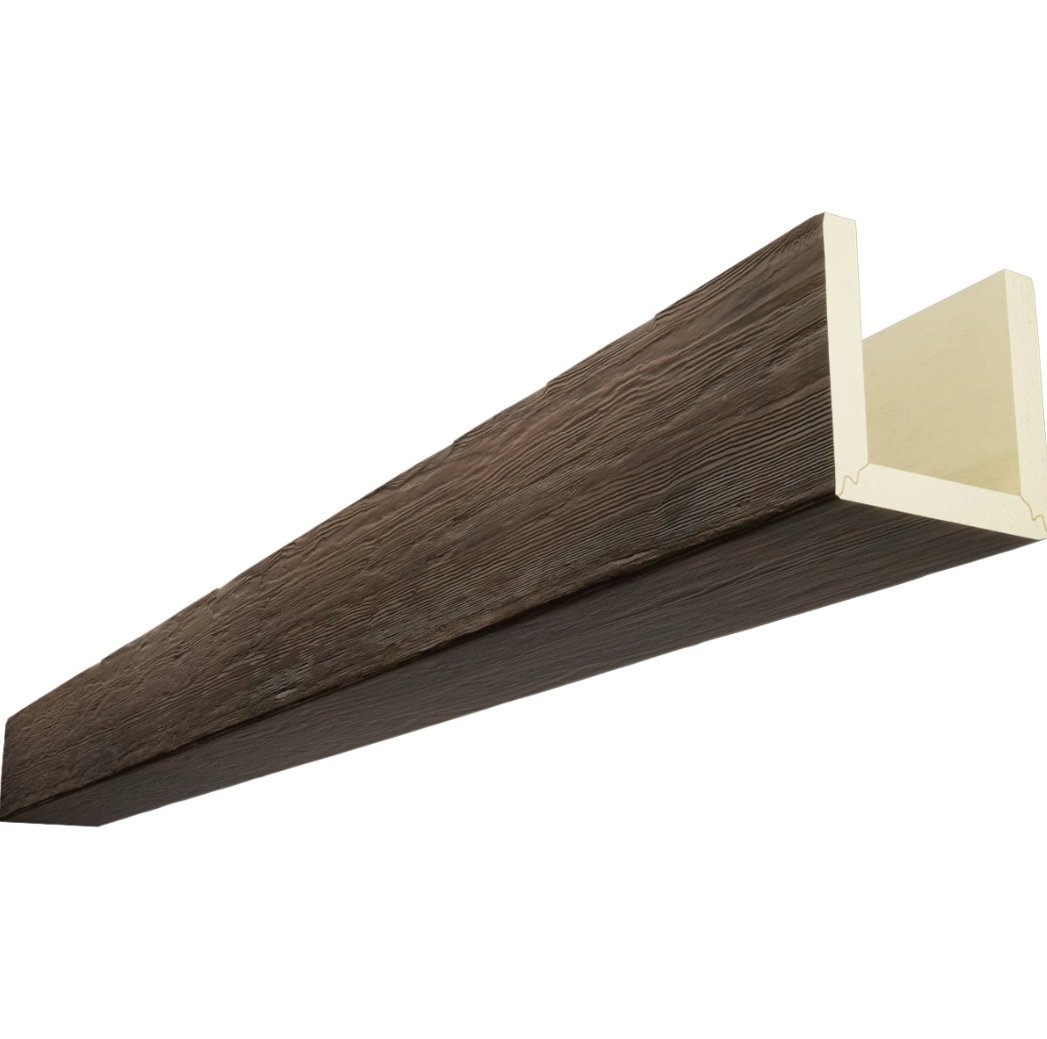
Patina represents the pinnacle of aged finish achievement—the surface development that signals genuine antiquity rather than mere weathering. Furniture collectors recognize patina as the quality that distinguishes valuable antiques from ordinary old pieces, the indefinable character that develops only through decades of careful use and environmental exposure. Polyurethane faux timber beams finished with authentic patina development bring this valued quality to contemporary interiors, offering the aesthetic sophistication that true patina represents without requiring the centuries of waiting that genuine patina development demands.
The Art and Science of Patina Development
True patina involves complex chemical and physical changes that occur in wood over extended periods. Surface layers oxidize and polymerize, creating depth and translucency that fresh finishes cannot replicate. The warm glow of aged mahogany, the soft luster of worn oak, and the honeyed tones of vintage pine all represent patina development that occurs naturally over generations. Capturing these qualities in manufactured products requires sophisticated understanding of what patina involves.
Chemical treatments can accelerate certain patina aspects, particularly color development that results from oxidation and light exposure. Reactive finishes that darken wood and create the tonal complexity characteristic of aged materials can be applied during manufacturing, establishing patina foundations that subsequent treatments refine. These chemical approaches work within material constraints while achieving appearances that suggest extended natural development.
Physical wear patterns contribute equally to patina appearance beyond color development. The rounded edges, polished surfaces, and subtle surface irregularities that develop through use create tactile qualities that pure coloring cannot address. Manufacturing techniques that introduce these physical characteristics—controlled distressing, selective hardening, and targeted softening—create surfaces that feel aged alongside their visual appearance.
Environmental simulation during manufacturing exposes beams to conditions that accelerate aging effects. UV exposure, controlled humidity cycling, and thermal stress all contribute to dimensional and surface changes that parallel natural aging. While no manufacturing process can fully replicate decades of authentic use, environmental conditioning establishes aging foundations that subsequent finishing treatments enhance.
Antique Styling Applications
European antique aesthetics draw from diverse national traditions—French country warmth, English Georgian formality, German Biedermeier comfort, and Italian Renaissance grandeur all present different patina expressions. Understanding these regional variations helps specify appropriate patina treatments for specific antique styling intentions. Generic aged appearance may fail to achieve the authentic character that period-specific styling requires.
American antique traditions present their own patina vocabulary derived from colonial, Federal, and Victorian periods. The honeyed warmth of early American pine, the darker tones of Victorian walnut, and the painted surfaces of country primitives all involve distinctive patina characteristics. Reproducing these specifically American qualities requires attention to the particular aging patterns that distinguish our vernacular traditions.
Shabby chic and cottage aesthetics embrace patina that suggests carelessness rather than refinement—surfaces worn through neglect rather than careful use. This deliberately distressed appearance presents different patina requirements than refined antique styling, with more aggressive treatment and less concern for subtle authenticity. The approach suits casual, relaxed interiors where sophisticated antique accuracy matters less than suggestive character.
Industrial antique styling draws from warehouse, factory, and commercial heritage—surfaces weathered by use but lacking the refined character of domestic antiques. These applications often emphasize structural honesty over decorative refinement, with patina suggesting function rather than elegance. The approach suits converted spaces and contemporary interiors seeking heritage without formality.

Creating Convincing Patina Effects
Base color establishment provides the foundation for convincing patina development. Rather than uniform single colors, patina-friendly bases incorporate tonal variation that authentic materials display. This variation might involve multiple color applications, color concentration in specific areas, or deliberate irregularity that prevents the uniform appearance that manufactured products typically display.
Aging treatments address the specific characteristics that distinguish patina from simple weathering. Tone enhancement deepens and harmonizes colors, while surface treatments create the physical wear patterns that tactile patina requires. Seal coats applied at reduced thickness allow subsequent treatments to interact with underlying layers, creating the depth that authentic patina displays.
Patina layering builds complexity through successive treatment applications. Each layer might address different patina characteristics—color, texture, sheen, or specific aging patterns. The accumulated effect creates surface qualities that resist analysis, appearing genuine because they involve the same elements that authentic patina comprises even if the specific development process differs.
Protective finishing seals patina treatments while preserving the qualities they created. The challenge involves maintaining visual and tactile authenticity while providing adequate protection for practical use. Modern finish technology offers options that balance these competing requirements, though achieving the perfect balance remains an ongoing pursuit.
Coordination with Antique Design Elements
Furniture selection for antique-styled spaces should complement rather than compete with patina-finished beams. Pieces with their own patina development create visual harmony, while newly manufactured furniture may require distressing or aging treatment to coordinate with beam finishes. This coordination ensures that all wood elements in spaces contribute to shared design character.
Period-appropriate accessories reinforce antique styling intentions. Mirrors in period frames, artwork with aged presentation, and decorative objects that suggest heritage all support the antique aesthetic that patina-finished beams establish. The cumulative effect of these coordinated elements creates interiors that feel genuinely antique rather than merely styled to suggest age.
Fabric and textile choices should reinforce antique character through pattern, fiber content, and condition. Traditional weaves, natural fibers, and patterns derived from historical sources all support antique styling. These textile layers occupy substantial visual space that either reinforces or undermines the aged aesthetic that beams provide.
Lighting design significantly affects how patina finishes appear in completed interiors. Warm incandescent lighting enhances patina qualities, while cool daylight reveals the manufacturing origins that strong light exposes. Understanding these lighting interactions helps specify finishes that perform well under actual conditions rather than merely in controlled display environments.
Maintaining Patina Appearance
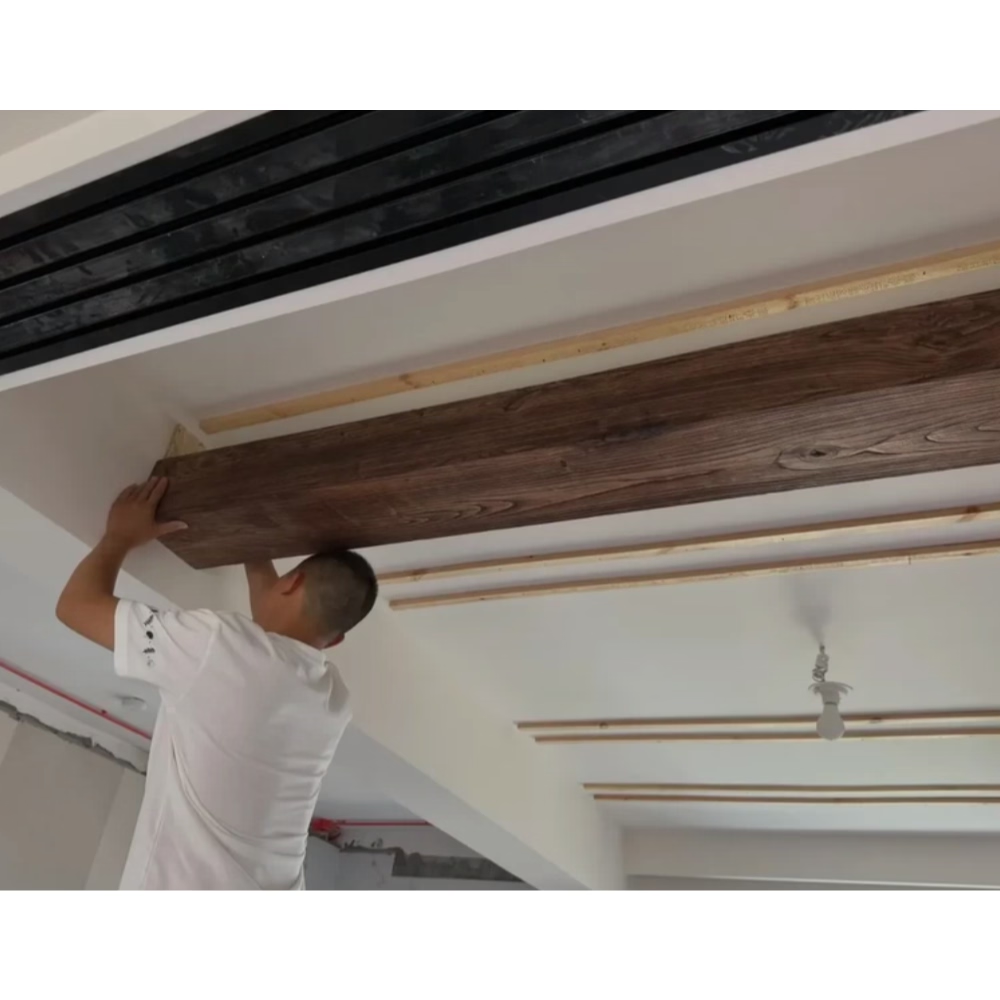
Patina preservation requires understanding what aging treatments created and how to protect rather than restore them. Cleaning approaches should emphasize gentle dust removal rather than aggressive scrubbing that might strip patina layers. The goal involves maintaining appearance through careful care rather than periodic restoration that would compromise patina authenticity.
Touch-up work on patina-finished surfaces requires specialized skills that standard finish repair lacks. Matching aged appearance involves replicating color, texture, sheen, and wear patterns simultaneously—a complex challenge that general contractors typically cannot address. Professional patina restoration maintains authenticity that amateur repair would undermine.
Professional consultation helps ensure that patina-finished installations receive appropriate care throughout their service life. Specialists in aged finish maintenance understand how to preserve patina qualities while addressing practical maintenance needs. Their expertise proves essential when significant touch-up or restoration becomes necessary.
Technical References
ASTM standards cited in every specification
Test Data
Lab results from internal testing program
Updated 2026
Reviewed against current product specs


