
Pine holds a special position among wood species used in American interiors—a material associated with humble beginnings, family gatherings, and the comfortable environments that generations have cherished. The soft wood accepts wear readily, developing character through use that harder species resist. Knots that might disqualify other species become valued features in pine, adding the natural variation that authentic character requires. Vintage aged pine texture in polyurethane faux wood beams captures these qualities, bringing the beloved aesthetics of aged pine to contemporary interiors without the limitations that genuine pine presents.
The Character of Aged Pine
Pine's softness creates both its appeal and its challenges. The wood dents and scratches easily, accumulating the marks of daily life that contribute to aged character. This same softness makes genuine pine beams vulnerable to damage that might not affect harder species—furniture legs dent surfaces, heel marks appear from foot traffic, and accidental impacts create dents that tell stories of use and occupation.
Knot patterns distinguish pine from denser hardwoods, providing the natural variation that prevents uniform artificial appearance. Each knot tells the story of a branch that once grew from the tree, adding organic character that manufactured materials struggle to replicate convincingly. Quality polyurethane pine textures capture these knot characteristics with sufficient accuracy to satisfy critical observers, including the subtle color variations that develop around knot formations.
Color development in aged pine involves warming and deepening that transforms the pale tones of new wood into the honeyed appearance of vintage material. This color shift occurs unevenly, with some surfaces darkening more than others, creating the tonal complexity that authentic aging produces. UV exposure accelerates this color development, and manufacturing techniques can replicate the essential color shifts without requiring decades of natural exposure.
Grain patterns in pine differ from hardwoods, presenting the pronounced annual rings and visible tracheids that give the species its distinctive character. These grain patterns should be clearly visible in quality pine textures, providing the visual interest that authentic pine displays. Too subtle grain rendering produces surfaces that appear vaguely wood-like without achieving the specific character that pine identification requires.
Rustic Retro Style Applications
Retro style references specific historical periods, typically mid-century through 1970s aesthetics that contemporary design has revisited. Rustic retro combines this period-specific styling with the natural materials and honest construction that retro design values. Pine beams—particularly those finished to suggest decades of vintage character—support rustic retro intentions perfectly, adding warmth and authenticity that contemporary materials cannot match.
Mid-century modern revival often emphasizes clean lines and contemporary materials, but rustic retro variants incorporate natural elements that soften technological aesthetics. Pine texture beams in these applications add the organic warmth that balances modern surfaces, creating interiors that feel contemporary while honoring traditional material values. The combination proves appealing to occupants who appreciate modern design but find purely technological environments uncomfortable.
A-frame cabins and mountain retreats naturally accommodate rustic pine beams, where the material's heritage associations support authentic architectural character. These vacation environments benefit from the warmth and casual comfort that aged pine provides, creating spaces for relaxation that pure contemporary design might not achieve. The material's associations with rustic leisure strengthen design intentions that architectural forms alone cannot establish.
Farmhouse revival interiors embrace pine texture beams as essential elements in achieving authentic country character. The material's heritage connections—to farmhouse construction, family furniture, and generations of domestic use—support design intentions that pure aesthetics cannot achieve alone. This emotional resonance distinguishes authentic rustic spaces from those that merely reference rustic style without achieving its substance.

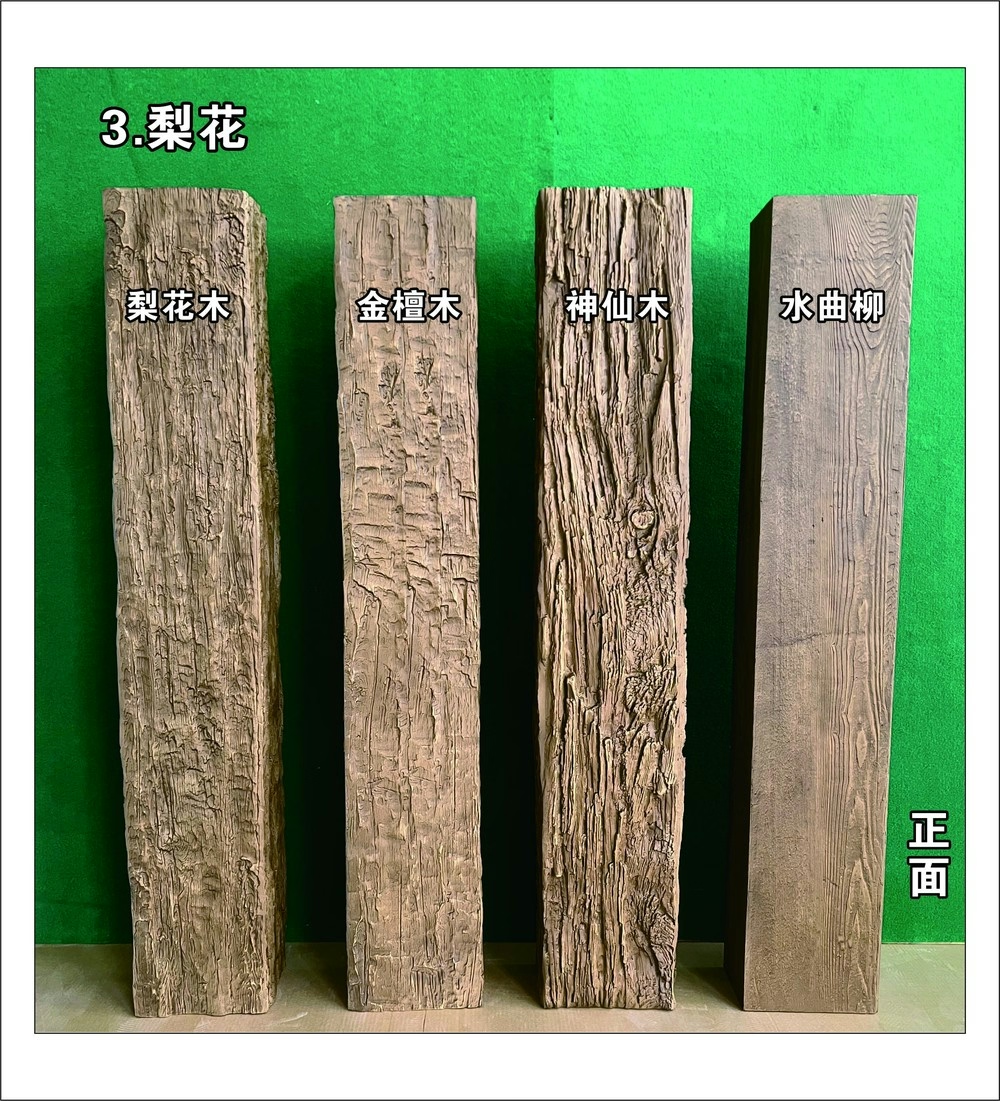
Creating Authentic Pine Texture
Grain reproduction in quality polyurethane pine textures involves capturing the specific characteristics that distinguish pine from other species. Pronounced annual rings, visible earlywood and latewood distinction, and the relatively consistent grain direction that knot-free sections display all contribute to authentic pine appearance. Manufacturing techniques that reproduce these specific characteristics produce textures that read as pine rather than generic wood.
Knot rendering presents particular challenges, as knots involve not just visual patterns but also color variations and surface irregularities that authentic knots display. Quality knot reproduction captures the dark center, surrounding ring patterns, and subtle surface depression that genuine knots create. These details differentiate quality pine textures from lesser alternatives that render knots as simple dark circles without the surrounding complexity.
Surface texture beyond visual grain contributes to authentic pine appearance. The relatively soft surface of pine develops different wear patterns than harder species, with more pronounced dents and scratches accumulating through use. Some polyurethane textures incorporate subtle surface variation that enhances realism, adding tactile dimension that purely visual reproduction lacks.
Color treatment should address the specific tones that aged pine displays—warm yellows, honeyed ambers, and the subtle graying that occurs in UV-protected areas. These tones differ from other species' aging characteristics, requiring color formulations specific to pine rather than generic wood tones. Quality products address these specific characteristics rather than assuming that wood-colored finishes adequately represent pine aesthetics.
Design Coordination Strategies
Wall and ceiling color coordination should support rather than compete with pine beam warmth. Neutral backgrounds in warm grays, creams, and soft whites allow beam warmth to contribute without overwhelming surrounding surfaces. Cool colors may create discord with the warm tones that aged pine displays, making color selection for adjacent surfaces an important design consideration.
Furniture coordination can reinforce pine beam aesthetics through similar material or complementary styling. Pieces featuring pine construction or pine finishes create visual harmony throughout spaces, while other wood species should complement rather than clash with beam warmth. This coordination ensures that all wood elements support shared design direction.
Textile and accessory selection should enhance rather than compete with rustic pine aesthetics. Natural fibers—cotton, linen, wool—reinforce the organic character that pine beams establish. Colors drawn from the natural palette—earth tones, soft greens, weathered blues—coordinate with aged pine without creating visual competition.
Lighting interaction with pine texture beams affects overall appearance significantly. Warm incandescent lighting enhances the honeyed tones that aged pine displays, while cool daylight may reveal manufacturing origins that strong illumination exposes. This lighting consideration influences both beam specification and lighting design for spaces where beams get installed.
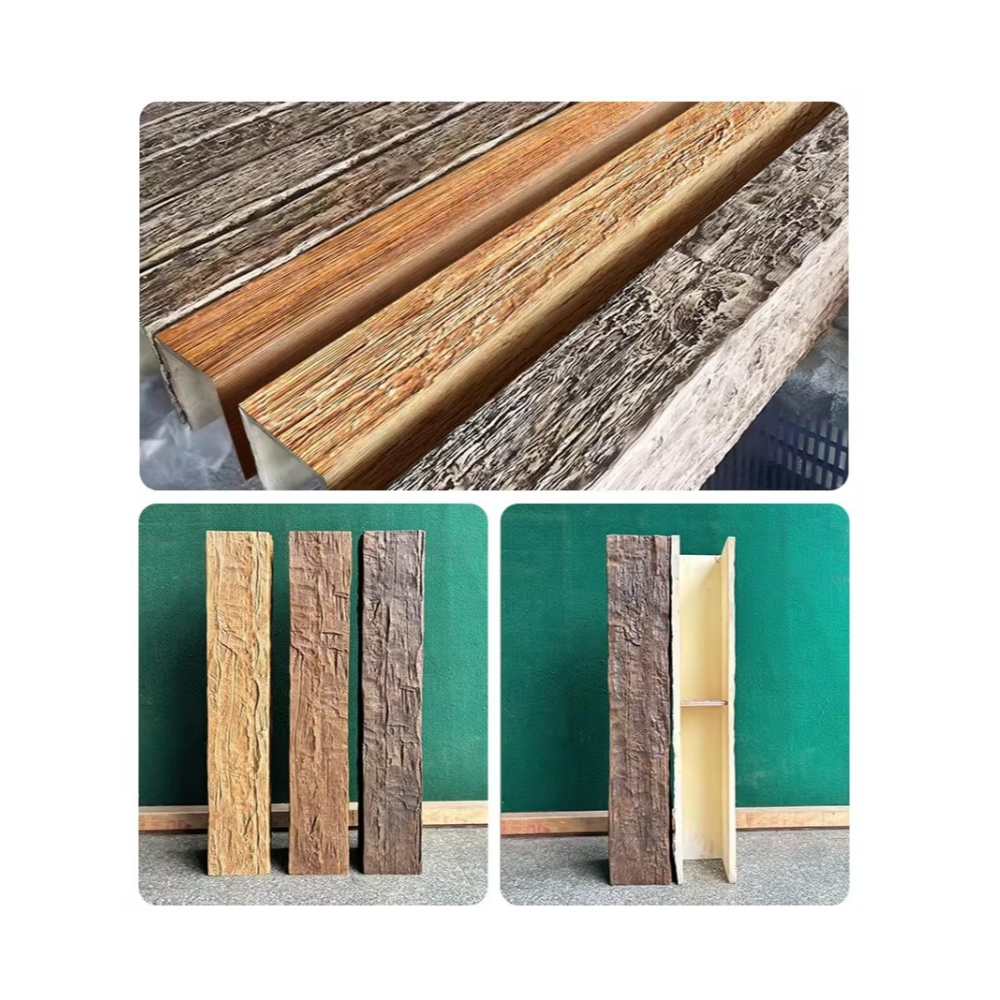
Care and Maintenance
Pine texture maintenance follows protocols appropriate to the material's character. The relatively soft surface requires gentle cleaning that avoids scratching or additional wear beyond what aging treatment established. Soft brushes, microfiber cloths, and minimal moisture suffice for routine care of pine texture surfaces.
Protection from additional wear preserves the carefully established aging that manufacturing achieved. Furniture movement, pet activity, and other impact sources can damage soft polyurethane surfaces, requiring attention to prevent unnecessary wear. This protective awareness extends the attractive appearance that quality pine textures provide.
Professional consultation helps ensure appropriate specification and care for pine texture applications. Understanding the specific characteristics that distinguish quality pine textures from lesser alternatives requires experience that product samples reveal. Professional guidance helps identify appropriate products and ensures that installations achieve intended aesthetic objectives.
Technical References
ASTM standards cited in every specification
Test Data
Lab results from internal testing program
Updated 2026
Reviewed against current product specs


