
Chestnut wood carries associations with heritage, permanence, and refined elegance that few wood species can match. The American chestnut—before blight decimated mature populations in the early twentieth century—provided the dominant wood species for American construction and furniture, creating the material environment that historic interiors still evoke. The rich, warm tones and distinctive grain patterns of aged chestnut have become touchstones for classic luxury aesthetics, representing a standard that contemporary interiors aspire to achieve. Polyurethane faux wood beams finished in antique chestnut bring this distinguished heritage to modern applications, offering the refined elegance of aged chestnut without the scarcity and vulnerability that genuine antique chestnut now presents.
The Heritage of Chestnut Aesthetics
American chestnut developed over centuries of growth before blight arrived, creating timber with exceptional character that contemporary regrowth cannot replicate. The slow growth of original chestnut forests produced tight grain and consistent coloring that aged beautifully, developing the warm, rich tones that antique chestnut specimens still display. This heritage quality explains why chestnut remains sought after despite being functionally extinct as a commercial species.
The visual character of chestnut involves warm brown tones with subtle reddish or yellowish undertones, creating richness that cooler wood tones lack. Grain patterns typically run straight with occasional figuring that adds visual interest without the dramatic patterns that some species display. This refined appearance suits classic interiors where sophisticated elegance rather than rustic character represents the design objective.
Durability characteristics of chestnut contributed to its heritage uses and continue to influence its reputation. The wood resists decay reasonably well, allowing antique pieces to survive decades of use and exposure. These same durability qualities made chestnut the preferred material for applications requiring longevity, establishing associations with permanence that reinforce its luxury positioning.
The scarcity of antique chestnut creates opportunities for polyurethane alternatives that achieve authentic appearance without depleting limited natural resources. Quality faux chestnut finishes capture the essential visual qualities that make antique chestnut valuable, allowing these aesthetics to continue enriching interiors while protecting remaining natural specimens from harvest pressure.
Classic Luxury Interior Applications
Formal living spaces benefit from chestnut-finished beams that establish refined atmosphere appropriate to their function. The material's subtle elegance supports design intentions that emphasize sophistication over casual comfort, creating environments suited to entertaining and formal gatherings. Beams in these applications should be sized proportionally to room scale, neither overwhelming intimate spaces nor disappearing in grand rooms.
Dining rooms represent particularly appropriate applications for luxury chestnut beams, where the warmth and character that chestnut provides enhance the ceremonial quality that dining occasions merit. The visual richness of aged chestnut creates atmosphere that elevates everyday meals into experiences, while the material's heritage associations reinforce the gathering traditions that dining rooms serve.
Master bedroom suites can incorporate chestnut beams as elements in sophisticated retreat design. The warmth and refinement that chestnut provides creates sanctuary-like environments conducive to rest, while the material's established character adds the gravitas that primary sleeping spaces often require. This application demonstrates how luxury can serve practical comfort rather than merely projecting status.
Library and study spaces gain particular benefit from chestnut beam installations, where the material's scholarly associations reinforce intended character. Reading rooms, home libraries, and private offices accommodate the refined atmosphere that chestnut creates, supporting focused activity while providing the visual comfort that extended occupation requires.

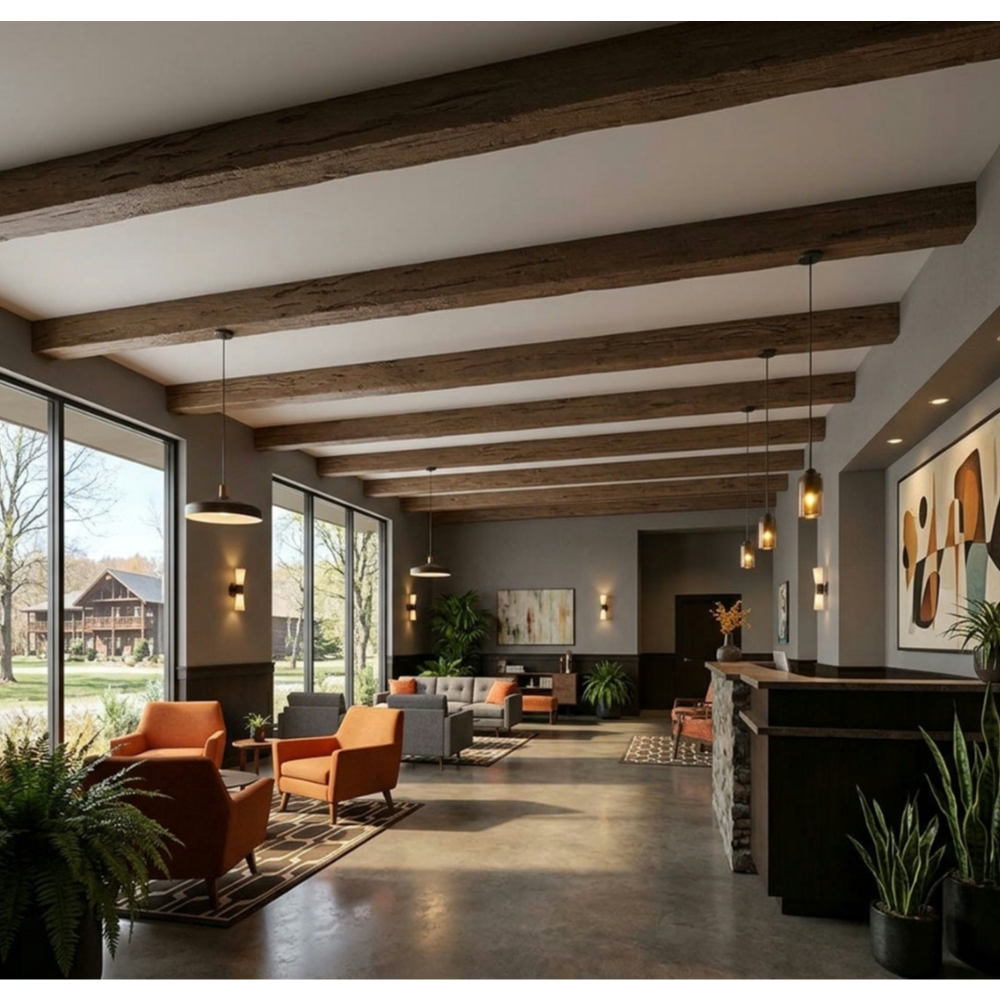
Achieving Authentic Chestnut Finish
Base color establishment for chestnut finishes requires warm brown tones with subtle undertones that distinguish chestnut from other dark wood species. The specific color formulation significantly influences final appearance, requiring careful attention to the subtle characteristics that make chestnut recognizable to those familiar with the species. Generic brown stains will not achieve the authentic appearance that quality applications require.
Grain rendering should capture the relatively straight grain pattern that chestnut displays without the dramatic figure of more exotic species. The subtle grain character contributes to refined appearance that bold grain patterns would undermine. Quality manufacturing incorporates grain rendering appropriate to chestnut's specific characteristics rather than generic wood grain that might suit any species.
Aging treatment develops the rich tones that distinguish antique chestnut from new material. The color deepening and harmonizing that decades of exposure produce should be replicated through manufacturing techniques that establish equivalent appearance without requiring authentic aging periods. The goal involves achieving visual quality equivalent to genuinely aged material while producing consistent results batch after batch.
Finish application should enhance rather than mask the subtle qualities that define chestnut aesthetics. High-gloss finishes would create appearance inappropriate to the refined character that chestnut represents, while excessively matte finishes might fail to display the depth that proper finishing reveals. The finish should achieve balance that allows grain and color to read clearly while providing appropriate sheen.
Design Integration for Luxury Spaces
Color coordination in luxury interiors should support chestnut warmth without competing for attention. Neutral backgrounds in warm grays, ivories, and soft creams allow chestnut beams to serve as focal points without overwhelming adjacent surfaces. Wall colors that lean cool may create discord with the warm tones that chestnut displays.
Furniture selection should complement chestnut beams through coordinated material and finish. Pieces in complementary woods create visual harmony, while upholstery and textile colors should support rather than compete with beam warmth. The goal involves creating complete environments where all elements reinforce shared luxury character.
Lighting design significantly influences how chestnut-finished beams appear in completed interiors. Warm incandescent lighting enhances chestnut richness, while cool daylight may reveal finish characteristics that strong illumination exposes. Understanding these interactions helps specify appropriate finishes and design lighting systems that display chestnut aesthetics effectively.
Professional consultation helps ensure that luxury applications achieve the refined results that classic interiors require. Understanding what distinguishes quality chestnut finishes from inferior alternatives requires experience that professionals bring to specification decisions. Their expertise proves essential for achieving the sophisticated results that luxury design demands.
Technical References
ASTM standards cited in every specification
Test Data
Lab results from internal testing program
Updated 2026
Reviewed against current product specs


