
Traditional interior design continues appealing to homeowners who value heritage, craftsmanship, and the accumulated wisdom of proven design approaches. These interiors reject the disposable aesthetics of fast fashion in favor of timeless qualities that reward ongoing appreciation rather than demanding novelty. Upgrading traditional interiors with vintage antique look beams addresses this design philosophy directly, adding the authentic character that generations of designers have employed to create spaces that feel established, comfortable, and worthy of long-term investment.
Understanding Traditional Interior Values
Traditional design prioritizes continuity with the past, incorporating design elements that connect contemporary spaces to established precedents. This connection provides psychological comfort that purely contemporary environments may lack—the sense of participating in ongoing traditions rather than inhabiting temporary accommodations. Beams finished to appear antique support this continuity, suggesting heritage that contemporary construction cannot provide.
Craftsmanship appreciation distinguishes traditional interiors from those where appearance alone determines value. Traditional design values how objects get made, not merely how they look, creating environments where materials and techniques reflect care and expertise. Antique-look beams that convincingly replicate aged materials demonstrate this craftsmanship concern, suggesting the same attention that authentic antiques received.
Proportion and scale in traditional interiors follow principles established through centuries of design refinement. These proportional relationships create visual harmony that arbitrary choices cannot achieve, producing spaces where elements feel appropriately sized and positioned. Beam selection for traditional applications should respect these proportional traditions, avoiding sizes and configurations that would feel incongruous.
Material honesty in traditional design requires that materials appear as they truly are—wood should look like wood, stone like stone. This honest appearance provides the authenticity that traditional interiors require. Antique-look beams succeed in traditional contexts precisely because they convincingly replicate the wood appearance they suggest, satisfying traditional design's material honesty requirements.
Antique Appearance Characteristics
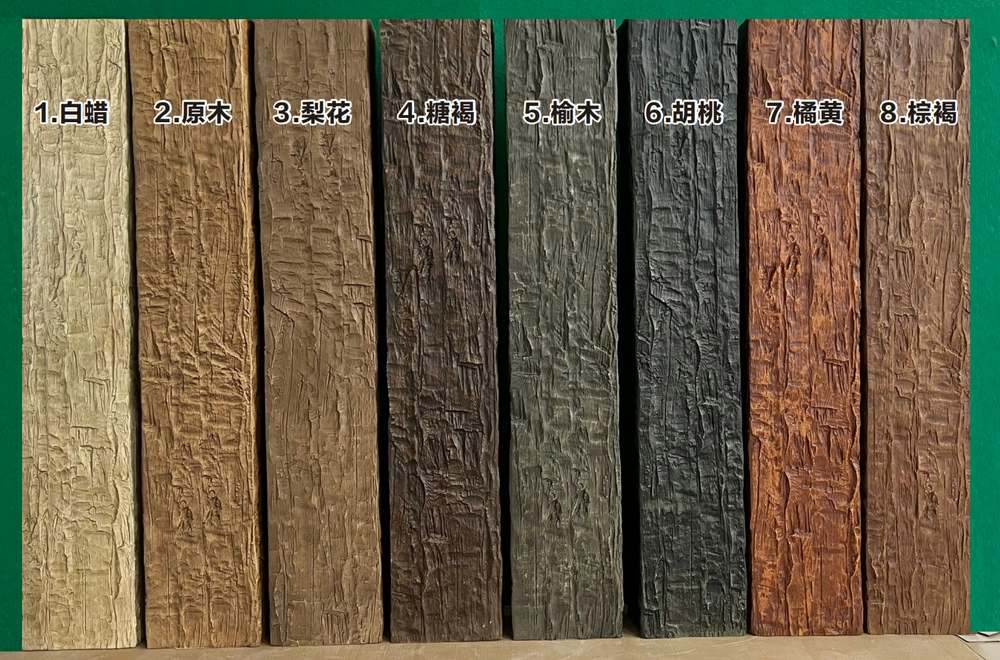
Color development represents the most obvious characteristic of genuine antique appearance. New wood lacks the tonal depth that years of exposure develop—colors that yellow, amber, and harmonize through light and air contact. Replicating these color characteristics requires understanding what specific aging processes create and how manufacturing can establish equivalent appearance efficiently.
Surface wear patterns contribute equally to antique perception beyond color considerations. The edges that round through handling, the surfaces that develop patina through contact, and the corners that accumulate impact marks all communicate age that simple coloring cannot convey. Quality antique-look products address these wear characteristics specifically, creating surfaces that feel aged alongside their visual appearance.
Patina development—the subtle sheen that authentic antiques display—creates surface qualities that purely visual treatments cannot achieve. This patina involves both chemical changes in surface layers and physical polishing from use, creating depth and luminosity that new finishes lack. Capturing patina requires techniques that address surface quality rather than merely color.
Variation within authenticity distinguishes quality antique looks from artificial appearance. Genuine antiques vary across surfaces and between pieces—consistent uniformity signals manufacturing rather than genuine aging. Quality antique-look products incorporate controlled variation that suggests authentic development, avoiding the perfect consistency that would undermine antique credibility.
Traditional Application Strategies
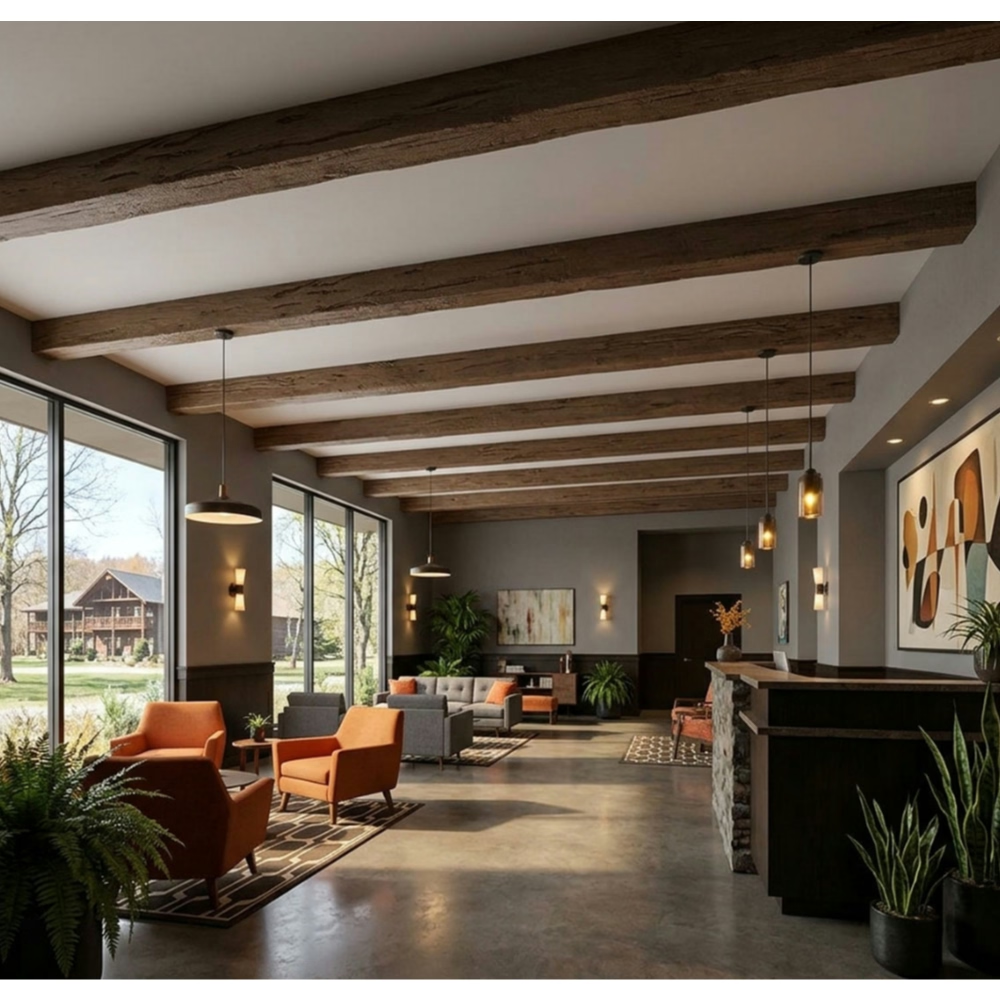
Formal living spaces accommodate antique beams as sophisticated architectural elements that support refined atmosphere. The warmth and character that antique appearance provides creates environments suited to entertaining and social gathering, establishing the ambiance that formal occasions merit. Beam sizing in these applications should respect formal proportional traditions, neither overwhelming rooms nor appearing inadequate.
Family rooms and casual living areas benefit from antique beams that add comfort and establish domestic character. The approachable warmth of aged wood creates spaces that invite relaxation rather than formal observation, supporting the informal activities that these rooms serve. This comfort-oriented application demonstrates how traditional aesthetics serve contemporary lifestyles.
Dining spaces gain particular benefit from antique beam installations, where the warmth and refinement support the ceremonial quality that shared meals deserve. The visual richness of aged wood creates atmosphere that elevates everyday eating into experience, while the traditional aesthetic reinforces dining traditions that formal occasions commemorate.
Bedroom suites can incorporate antique beams as elements in sophisticated retreat design. The established character that antique appearance provides adds gravitas and permanence appropriate to primary sleeping spaces, creating sanctuary-like environments that support rest and relaxation. This application demonstrates how traditional elements serve contemporary comfort needs.

Achieving Quality Antique Results
Material selection for antique-look applications should prioritize quality that traditional interiors demand. The refined sensibilities that traditional design values will not tolerate the obvious artificiality that lesser products display. Premium polyurethane products with sophisticated finish techniques achieve appearances that satisfy traditional expectations, while economy alternatives may disappoint upon close inspection.
Finish technique sophistication significantly influences final appearance quality. Simple coloring that approximates wood tones cannot achieve the complex appearance that authentic antiques display. Quality manufacturers employ sophisticated techniques—layered coloring, controlled distressing, patina development—that replicate the multi-dimensional appearance that genuine aging creates.
Installation quality determines how convincing antique-look beams appear in completed applications. Joints that reveal their assembly, fasteners that remain visible, and alignment that varies from professional standards all undermine the authentic appearance that quality products deserve. Professional installation ensures that appearances match the quality that materials alone cannot guarantee.
Professional consultation helps ensure that traditional applications achieve the refined results that these interiors require. Understanding what distinguishes quality antique-look products from inferior alternatives, and knowing how to coordinate beams with other traditional elements, requires experience that specification professionals provide. Their expertise proves essential for achieving the sophisticated results that traditional design demands.
Long-Term Value and Maintenance
Investment value in traditional interiors extends beyond immediate appearance to encompass longevity and timelessness. Quality antique-look beams contribute to environments designed for extended appreciation rather than fashion-driven replacement. This long-term perspective aligns with traditional design philosophy, where spaces get designed for generations rather than seasons.
Maintenance requirements for quality antique-look beams remain minimal compared to genuine antique timber. The durability of polyurethane substrates eliminates decay, insect, and moisture concerns that affect natural wood, while the applied finishes resist wear and staining that would require restoration on genuine antiques. This practical durability supports the long-term investment orientation that traditional interiors embrace.
Professional care ensures that antique-look beams maintain appearance throughout extended service. Understanding what aging treatments created and how to preserve rather than restore them requires expertise that general maintenance providers may lack. Professional consultation helps ensure appropriate care throughout the product lifetime.
The combination of authentic appearance, practical durability, and timeless aesthetics makes vintage antique look polyurethane beams valuable investments for traditional interior upgrades. These products deliver the character and heritage that traditional design values while addressing the practical limitations that genuine antique materials would present.
Technical References
ASTM standards cited in every specification
Test Data
Lab results from internal testing program
Updated 2026
Reviewed against current product specs


