The difference between a good faux beam installation and an exceptional one often lies in the supporting details. Corbels—those bracket-like structural elements that historically transferred beam loads to supporting walls—carry enormous aesthetic weight in traditional ceiling architecture. When these supporting cast members are absent from an otherwise complete installation, the result can feel incomplete, like a sentence missing its period. Vintage antique style polyurethane corbel elements solve this design challenge by providing authentic-looking support pieces that coordinate seamlessly with faux beam products.
Traditional corbels developed over centuries as craftsmen discovered geometric forms that efficiently transferred structural loads while expressing artistic sensibilities of their eras. Gothic corbels featured dramatic pointed profiles with carved spires reaching toward ceiling planes. Renaissance iterations softened these lines, introducing curves that echoed architectural columns below. Colonial American examples distilled these influences into simplified forms appropriate for practical builders working with limited tools. Each style carries cultural meaning that interior designers can reference through corbel selection.
Understanding Corbel Function and Form
Although modern faux beam installations typically need no actual structural support from their decorative elements, corbels serve essential visual purposes that justify their inclusion. The human eye expects to see transition elements where horizontal beams meet vertical walls—the mind interprets beams that simply terminate against surfaces as floating or inadequately secured. Corbels resolve this visual concern by providing the expected transition, creating the impression of genuine structural integration.
Proportion relationships between corbels and beams require thoughtful matching. Historically, corbel dimensions related directly to beam sizes—a massive timber required substantial corbels to read as appropriate support. Faux beam installations can play with these relationships more freely, but successful designs typically maintain some reference to traditional proportions. Oversized corbels supporting modest beams create visual confusion, while undersized brackets under large beams suggest inadequate rather than minimal support.
Projection depth—the distance corbels extend from wall surfaces—significantly impacts their visual contribution. Deeper projections create more dramatic shadows and stronger three-dimensional presence. Shallow projections maintain architectural presence while occupying minimal space, appropriate for corridors or rooms where traffic flow concerns limit protrusion. Most residential applications benefit from medium projections that balance visual impact with practical considerations.
Matching Corbels to Beam Styles
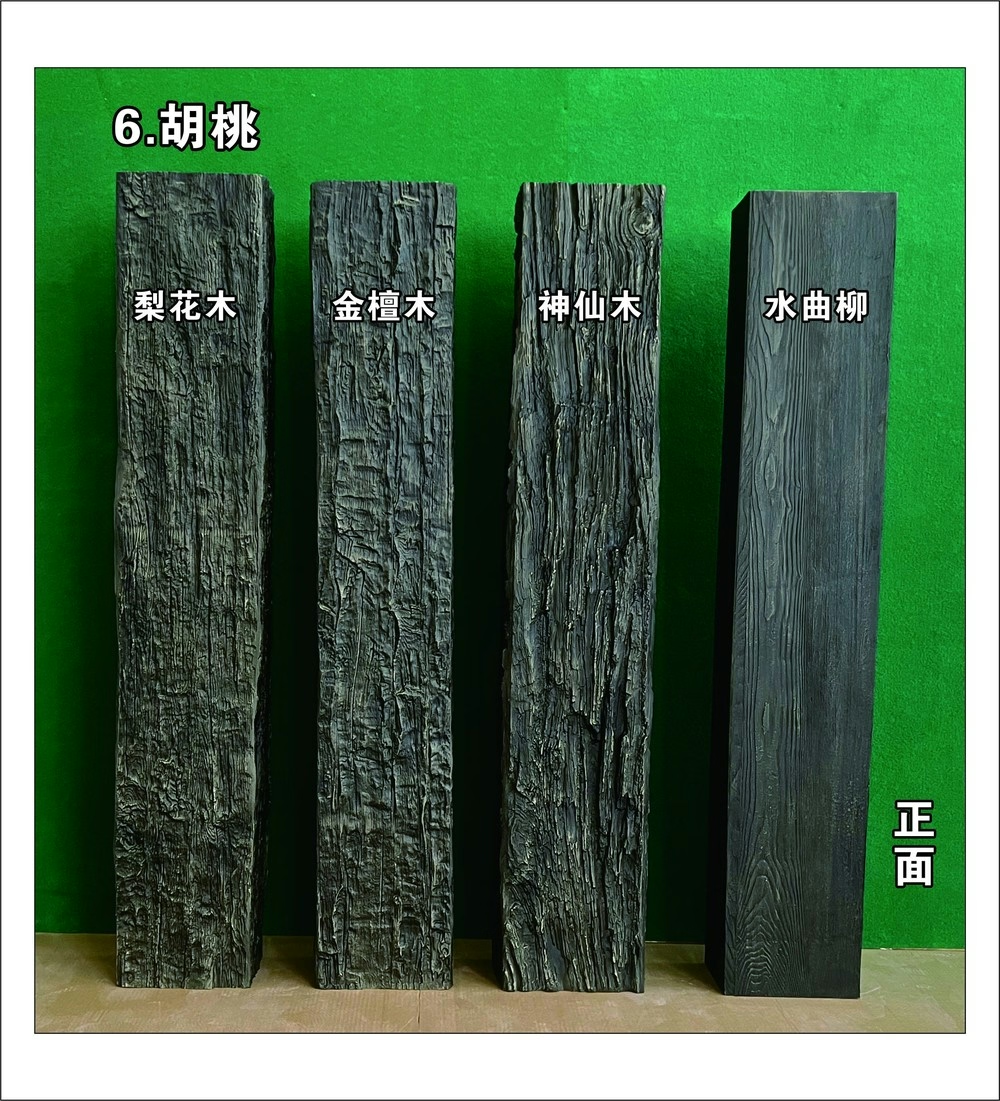
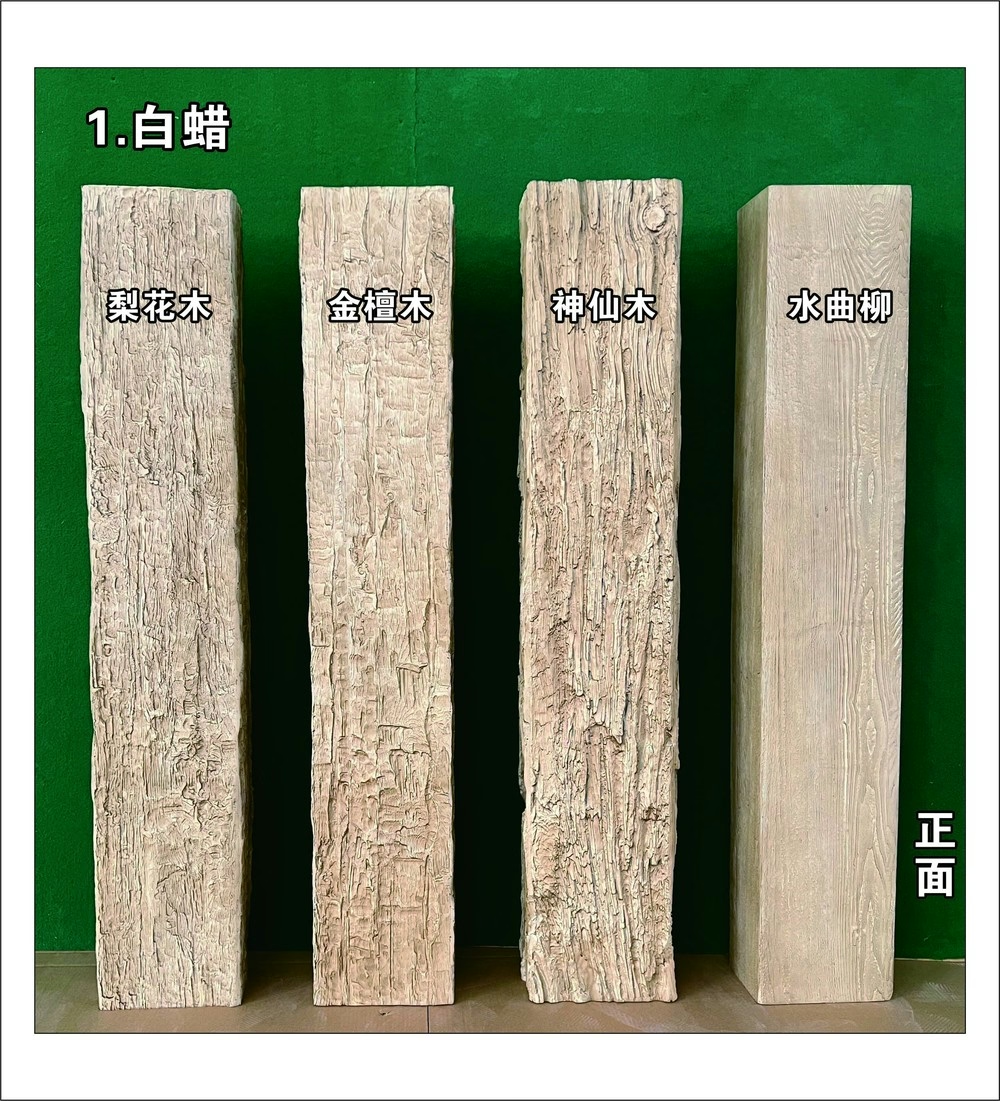
The aesthetic coordination between corbels and beams involves multiple visual attributes that must work together harmoniously. Color matching ensures that corbels appear as part of the same material system as beams, even though both are manufactured products. Most manufacturers offer corbel lines designed to coordinate with their beam products, using identical finishing processes and color formulations. Specifying matched products from single sources eliminates the risk of slight color discrepancies that might otherwise betray the faux nature of the installation.
Texture coordination proves equally important for convincing appearance. Wood grain patterns should flow naturally from beams into corbels, following the expected direction of wood growth. Decorative carved details on corbels should reference the same design vocabulary as beam surface treatments. When corbels feature period-appropriate details—acanthus leaf carvings for classical styles, simple chamfers for Craftsman applications—these should harmonize with any decorative elements present on the beams themselves.
Scale consistency across the installation reinforces the impression of genuine antique elements. The apparent age of corbel finishes should match beam aging convincingly. Surface wear patterns, oxidation effects, and accumulated patina should all suggest the same period of development. Purchasing corbels and beams as coordinated systems from quality manufacturers ensures this consistency without requiring detailed coordination during specification.

Installation Approaches for Authentic Results
The mounting of corbels requires attention to both structural security and visual authenticity. Natural wood corbels, historically, featured substantial joinery that connected them to both walls and beams—mortise and tenon joints, metal strap reinforcements, and anchor bolts all contributed to their load-carrying capacity. Faux corbels cannot replicate these structural connections but can suggest them through careful detailing.
For faux installations, mechanical fastening to wall substrates provides primary support. Stud finders locate appropriate framing members for secure attachment, and structural screws or lag bolts transfer loads through the corbel into the building structure. Secondary adhesive bonding to either wall or beam surfaces prevents any movement that might otherwise develop between components over time.
Visual enhancement techniques add authenticity to corbel installations. Subtle shadow gaps where corbels meet walls or beams suggest that components have existed independently over time rather than being installed simultaneously. This aging suggestion can be achieved through deliberate finishing or through installation techniques that maintain small consistent gaps for paint shadow effects.
Stylistic Variations for Different Design Contexts
The range of available corbel styles spans the full scope of traditional architectural history, allowing appropriate selection for any design context. Victorian and Edwardian interiors call for elaborate corbels featuring substantial carved ornament—grape clusters, scrollwork, and naturalistic foliage typical of these periods. The scale and decoration should match the grandeur of the spaces they occupy, with larger rooms supporting more dramatic corbel profiles.

Colonial and Federal period interiors favor simpler geometric forms. Gabled cornices often incorporate corbels with stepped profiles or simple curved brackets. These restrained elements should not be overwhelmed by excessive ornamentation; the elegance of period-appropriate corbels lies in their proportional refinement rather than decorative complexity.
Farmhouse and rustic styles open different possibilities entirely. Rough-hewn timber corbels that suggest hand-carving, or simple board construction with visible fasteners, match these casual aesthetics. The deliberate imperfection that characterizes authentic rustic pieces can be simulated in polyurethane through appropriate texturing, creating convincing results that perform better than natural alternatives.
Long-Term Performance and Maintenance
Polyurethane corbels offer the same performance advantages as their beam counterparts, with stability and durability that natural materials cannot match. Weatherproof and moisture-resistant properties allow installation in locations where natural wood would eventually degrade. Temperature stability prevents the expansion and contraction cycles that stress natural materials. UV stabilization, where specified, prevents the color degradation that affects materials exposed to sunlight.
Cleaning and maintenance require minimal effort compared to natural alternatives. The smooth non-porous surface of polyurethane accepts dusting and occasional damp cleaning without concern for moisture damage. Scuff marks can often be addressed with mild cleaning solutions that would damage natural wood finishes. For high-position installations where cleaning access is difficult, this low-maintenance characteristic proves especially valuable.
The longevity of quality polyurethane corbels makes them economical choices over extended time horizons. While natural wood alternatives might require replacement or refinishing after decades of service, polyurethane corbels maintain their appearance indefinitely under normal interior conditions. This permanence makes them particularly appropriate for commercial installations where ongoing maintenance represents significant ongoing expense.
Technical References
ASTM standards cited in every specification
Test Data
Lab results from internal testing program
Updated 2026
Reviewed against current product specs


