The deep, rich tones of walnut have commanded premium pricing in furniture and architectural millwork for generations. This hardwood's tight grain structure, dramatic color range from chocolate brown to subtle purple-gray, and remarkable durability made it the preferred material for pieces meant to last lifetimes. When such prestige character enters the realm of faux beam design, the results can transform ordinary ceiling spaces into showcases of refined taste. Vintage antique walnut faux timber beams make this premium aesthetic accessible to projects where genuine walnut's cost and weight would prove prohibitive.
Understanding walnut's appeal requires examining what makes this wood species distinctive among cabinet and furniture hardwoods. Unlike the pronounced grain patterns of oak or the knotty character of pine, walnut develops subtler figuring that rewards close attention. Its color develops from slightly reddish sapwood to rich dark heartwood, creating natural variation that skilled finishing brings alive. The wood accepts oil finishes beautifully, developing lustrous depth that no paint systems can truly replicate.
The Walnut Aesthetic in Ceiling Architecture
Applying walnut's sophisticated character to ceiling beams creates design opportunities unavailable with lighter wood tones. The darkness of aged walnut brings visual weight that anchors rooms, creating intimacy even in spaces with substantial square footage. Dining rooms benefit from this grounding quality, where the focused conversation around a dining table finds appropriate visual context. Libraries and studies, traditionally clad in dark wood paneling, accept walnut beams as natural extensions of their design vocabulary.
Color relationships with wall finishes require careful consideration when specifying walnut beams. Light walls create dramatic contrast that emphasizes the beams as focal elements—appropriate when beams should command attention. Medium-toned walls allow beams to integrate more smoothly, becoming part of a coordinated color scheme rather than standalone features. Dark walls can overwhelm walnut beams, losing the wood's character in shadow; for dramatic dark schemes, consider lighter wood options that will stand out appropriately.
Furniture coordination often drives walnut beam specification in rooms where existing furnishings establish color relationships. The rich browns of walnut furniture create natural harmony with walnut-toned ceiling elements. This coordination can be incidental or deliberate—a room featuring existing walnut pieces might specify walnut beams to strengthen the material story, while a room with varied furniture might use walnut beams as an opportunity to introduce consistent warmth.

Finishing Techniques for Authentic Walnut Character
The finishing processes that create convincing walnut appearance on faux beams employ techniques adapted from fine furniture finishing traditions. Initial color development establishes the characteristic walnut palette—warm browns ranging from honey tones through rich chocolate, with subtle undertones of purple and red that distinguish walnut from other dark hardwoods. These base colors must be applied with understanding of how walnut actually appears, not simply any brown paint that might pass at a glance.
Grain rendering requires particular skill to achieve convincingly. Walnut's grain is relatively subdued compared to other species, with gentle figure patterns rather than dramatic wild grain. Over-texturing creates false character that reads as wrong rather than aged. Successful walnut finishing typically uses subtle grain enhancement—enough to suggest the wood's structure without overwhelming the color relationships that define walnut's appearance.
Patina development adds the final dimension of authenticity. Aged walnut develops color changes that deepen its complexity—areas of wear expose lighter wood beneath darkened surfaces, accumulated oils add warmth, and environmental exposure shifts color balance over time. These effects can be simulated through selective highlighting, strategic darkening in protected areas, and overall toning that unifies the various treatment layers.
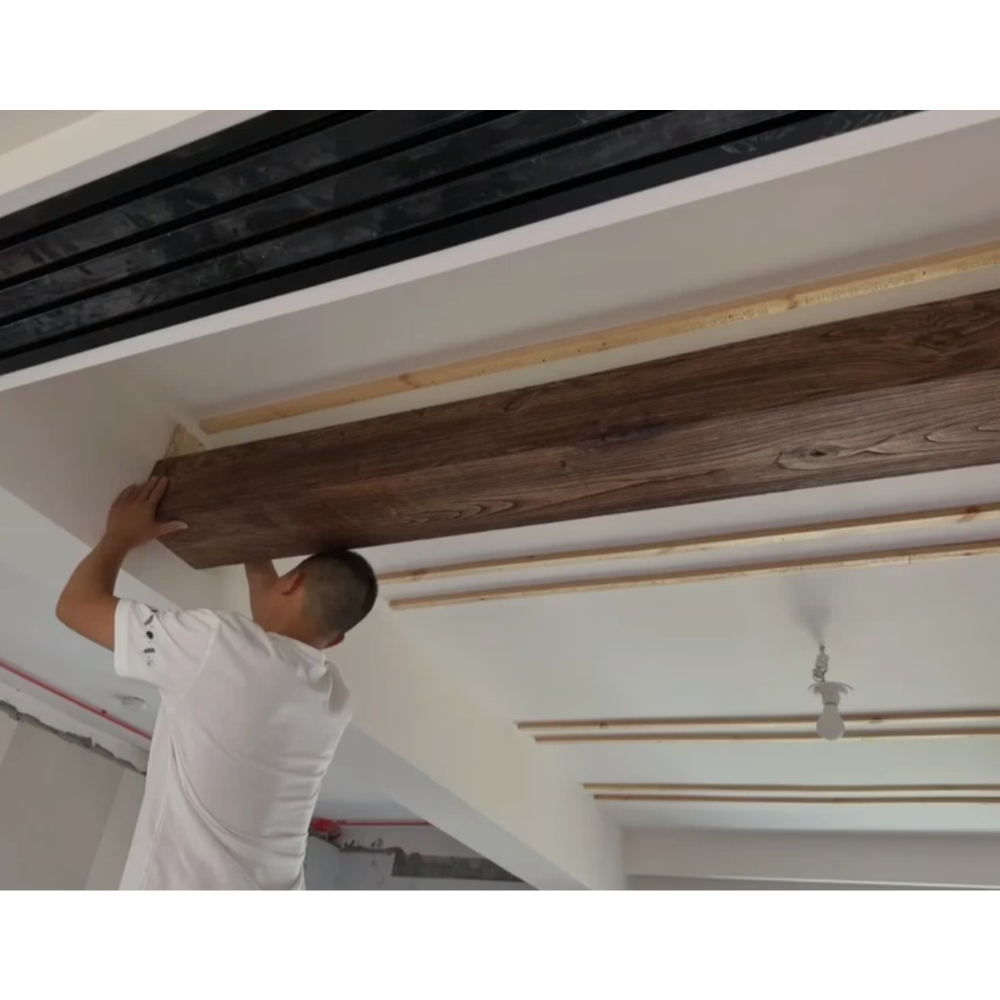
Integration With Traditional Design Elements
Classic interiors typically feature multiple wood-toned elements that must work together coherently. Door and window trim, baseboards, crown molding, built-in cabinetry, and exposed beams all contribute to the room's material character. When walnut beams appear in such environments, they either must complement existing wood elements or establish new color relationships that accommodate their presence.
Matching walnut beam tones to existing millwork creates unified environments where architectural elements read as a system. This approach works best when existing wood elements already feature rich, dark finishes. Lighter wood trim in traditional interiors may clash with walnut beams, creating visual competition rather than harmony. In such cases, either adjusting trim finishes or selecting lighter-toned beams might better serve the overall design.

Contrasting approaches work when deliberate visual interest justifies departure from unified color schemes. A breakfast room with light oak built-ins might feature walnut beams as dramatic accent elements that draw the eye upward. This bold treatment works best when beams are the primary decorative focus, with other elements remaining subservient to the ceiling treatment. Success requires confidence in the design approach and willingness to commit fully to dramatic effect.
Application Considerations by Room Type
Formal living rooms and ballrooms benefit from substantial beam treatments that match their generous proportions. Large-scale walnut beams, whether arranged in coffered patterns or spanning as exposed rafters, establish ceiling architecture that equals the room's other grand elements. The darkness of walnut contributes to the intimate quality appropriate for gathering spaces where conversation and connection matter more than spatial sensation.
Bedrooms present different scaling considerations. Walnut beams in sleeping quarters should relate appropriately to bed placement and overall room dimensions. A master suite with vaulted ceilings and exposed beams might feature walnut rafters that bring warmth without overwhelming the intimate scale. Guest bedrooms might use more restrained treatments—perhaps single beam accents rather than full ceiling coverage.
Home offices and studies often already feature substantial wood elements through bookcases and desks. Adding walnut beams to such spaces extends the material vocabulary already established, creating rooms where wood presence feels inevitable rather than added. This integration requires careful color matching to avoid introducing clashing tones into already complex wood environments.
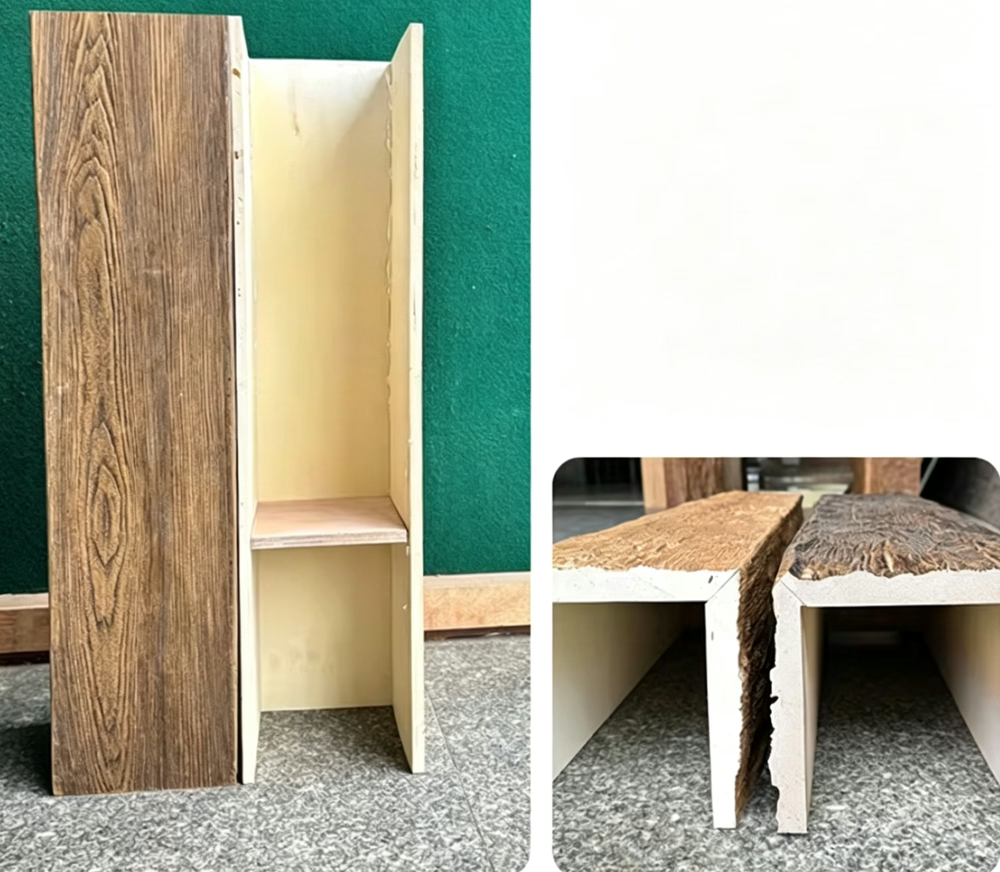
Investment Value and Long-Term Satisfaction
The decision to specify vintage walnut faux beams over natural alternatives involves multiple value considerations beyond initial purchase price. Material costs for genuine antique walnut beams, particularly those showing substantial age and character, run many times higher than comparable faux products. The quality gap between premium faux and natural materials has narrowed dramatically, making cost differentials harder to justify on purely aesthetic grounds.
Installation economics further favor faux alternatives. Natural walnut's density creates significant weight, requiring structural considerations and professional installation that multiply installed costs. Faux beams' light weight allows simpler mounting approaches that skilled carpenters can execute without specialized equipment or engineering support. These savings often exceed the material cost differential, making faux installation substantially less expensive overall.
Durability comparisons favor polyurethane for most interior applications. Walnut, while durable, remains susceptible to moisture damage, UV exposure, and the surface wear that gradually dulls even well-maintained finishes. Faux beams maintain their appearance indefinitely without refinishing or repair, making them particularly appropriate for locations where ongoing maintenance would prove difficult or expensive.
Technical References
ASTM standards cited in every specification
Test Data
Lab results from internal testing program
Updated 2026
Reviewed against current product specs


