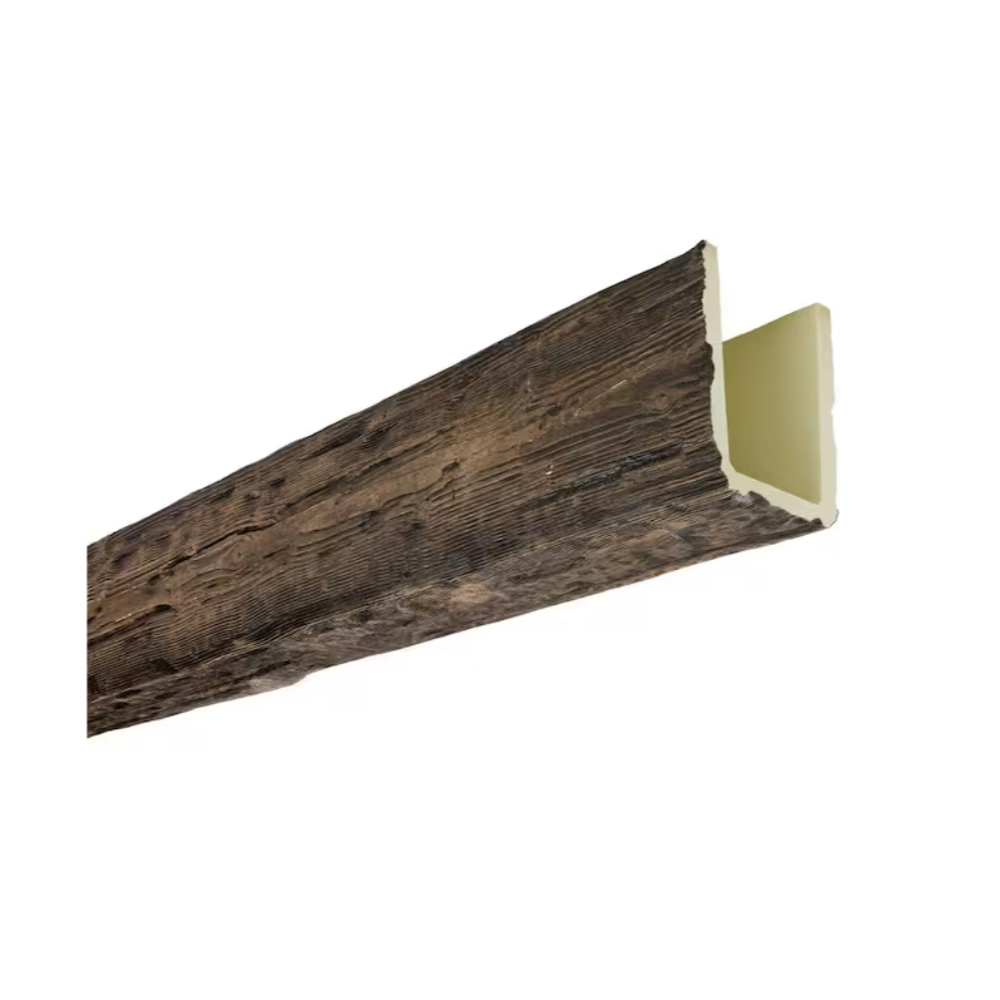
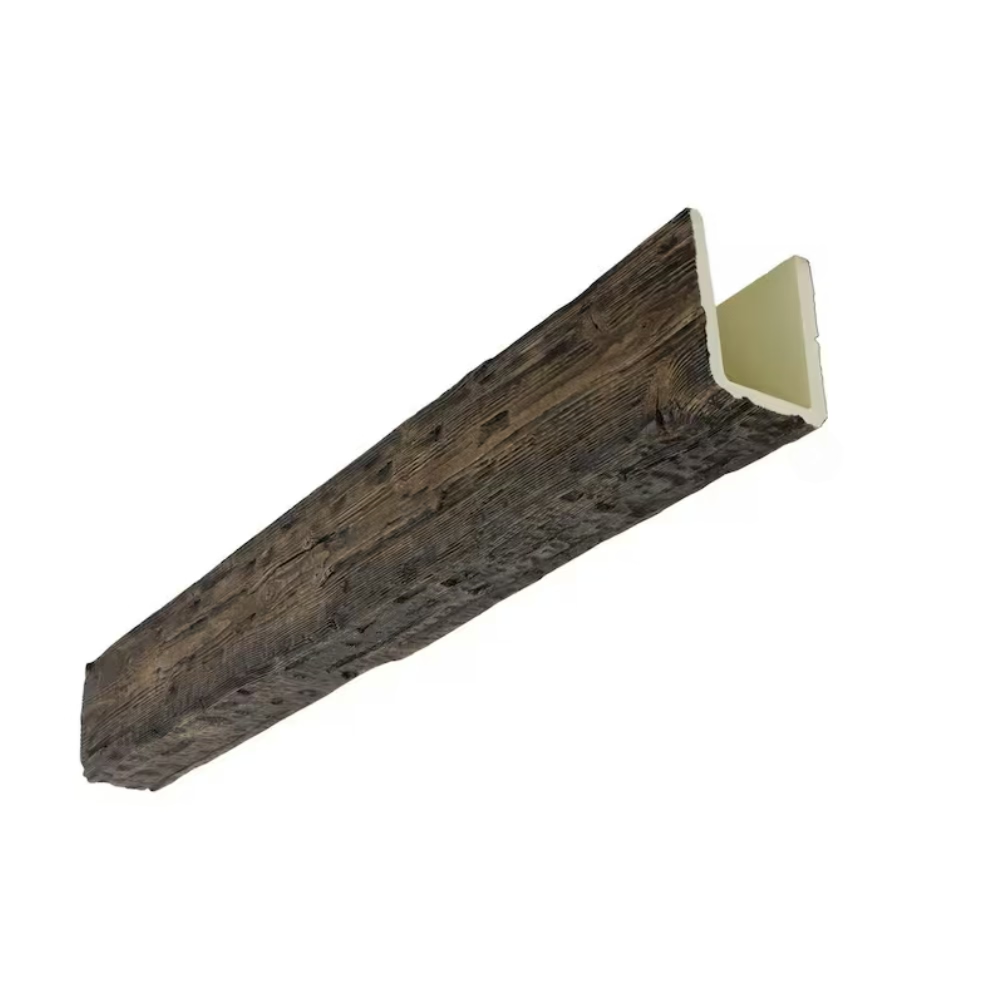
The appeal of rustic interiors rests on qualities that mass production systematically eliminates: the irregularity of hand work, the patina of extended use, the subtle imperfections that mark genuine age. When designers seek to capture these qualities in contemporary settings, the challenge involves creating convincingly authentic character without relying on materials that genuinely bear centuries of history. Antiqued distressed texture faux wood ceiling beams address this challenge directly, providing surface treatments that simulate the accumulated character of aged timber while offering the practical benefits of modern manufacturing.
Distressing as a design technique predates its application to faux materials by centuries. Furniture makers deliberately aged their work to suggest heritage and establish visual weight within interiors. Architectural elements featured weathering that connected new construction to landscape contexts. The contemporary faux beam industry has inherited these traditions while developing techniques that achieve convincing results through controlled manufacturing processes rather than natural aging.
Creating Authentic Distressed Character
The most convincing distressed finishes emerge from understanding what actually happens to wood over extended periods of exposure and use. Natural distressing involves multiple simultaneous processes: physical wear at edges and corners where contact occurs, chemical changes from environmental exposure, biological colonization that creates subtle coloration, and structural movement that creates checking and separation. Replicating this complexity requires layered treatment approaches that address each aging mechanism.
Physical distressing begins with surface preparation that removes sharp edges and uniform smoothness. Router bits create the rounded profiles that years of handling would produce. Hammer marks and chain impressions add random damage patterns that suggest impact history. Sandpaper in various grits softens surfaces unevenly, with harder wood areas retaining more material while softer areas recede. This initial texturing establishes the dimensional foundation upon which additional treatments build.
Color distressing follows physical treatment, using stains and glazes to enhance the appearance of age. Darker tones accumulate in recesses created by physical treatment, while lighter areas remain on prominent surfaces. Color transitions should be gradual rather than abrupt, suggesting natural fade rather than manufactured application. The best distressed finishes show unexpected color variations that reward close inspection, demonstrating the complexity that extended aging creates.
Rustic Design Integration Approaches
Rustic interiors draw from diverse sources—western lodges, agricultural structures, fishing shacks, hunting cabins—each contributing different emphases to the overall aesthetic. Distressed beams can serve any of these contexts when properly integrated with surrounding elements. The key involves understanding which rustic qualities to emphasize and ensuring beam selection supports rather than contradicts the intended atmosphere.
Agricultural rustic favors honest simplicity over dramatic ornamentation. Barn-inspired interiors often feature beams with minimal distressing—surface checks and weathering rather than heavy damage patterns. The aesthetic suggests functionality rather than neglect, with beams that might have supported hay lofts or equipment storage. These restrained distressing levels work well with clean farmhouse interiors where rustic character should complement rather than overwhelm modern conveniences.
Wilderness rustic embraces more dramatic aging, with beams that suggest exposure to the elements over extended periods. Sawmill marks, heavy weathering, and substantial surface checking all contribute to this more intense rustic character. Such beams work best in spaces where they can be appreciated at close range—great rooms, lodges, and similar gathering spaces where dramatic visual elements enhance rather than complicate the atmosphere.
Coastal rustic presents yet another variation, where salt exposure and maritime conditions create distinctive weathering patterns. Wood in coastal environments develops gray tones and surface erosion that differ from inland weathering. Faux beams designed for coastal rustic applications should reference these specific characteristics, featuring the soft silver-grays and smooth erosion patterns that genuine coastal timber would develop.

Material Selection for Distressed Applications
The base material for distressed faux beams must accept texturing without compromising structural integrity. Polyurethane formulations designed for beam production can be routed, carved, and otherwise shaped to create convincing surface features. The key lies in selecting products from manufacturers who understand both the texturing requirements and the material properties necessary for durable results.

Wall thickness affects how convincingly distressed features read in installed applications. Thin-walled beams may show surface distortion when heavily textured, with carved details appearing flattened rather than dimensional. Heavier wall sections maintain texture depth more effectively, allowing aggressive distressing without appearance compromise. For heavily distressed beam specifications, thicker profiles typically provide better long-term appearance.
Finish durability in distressed applications requires attention to how wear patterns will develop over time. The intentional imperfection of distressed beams means that some surface wear is inevitable. Quality finishes accommodate this continued aging gracefully, with color systems that reveal underlying tones as surface layers wear rather than showing bare material. This progressive revelation maintains the authentic aged character that initial distressing established.
Installation Considerations for Textured Beams
Mounting textured beams requires techniques that account for irregular surface profiles. Standard mounting approaches designed for smooth-surfaced products may not engage textured surfaces effectively. installers should verify that fastening methods will maintain secure attachment despite the dimensional variations that distressing creates. Adhesive bonding becomes particularly important for textured beams, providing continuous contact across irregular surfaces that mechanical fasteners alone cannot guarantee.
Alignment precision affects textured beam appearance more critically than smooth beam installation. Irregular surfaces catch light dramatically, revealing even minor alignment inconsistencies that might go unnoticed on smooth surfaces. Professional installers take extra care when positioning textured beams, often using temporary supports during positioning to verify alignment before permanent attachment. This attention prevents costly corrections after adhesive has cured.
Joint treatment between beam sections requires special consideration for distressed installations. Mitered corners and butt joints that would be invisible on smooth beams become apparent when distressing is visible. Matching distress patterns across joints requires either factory-mitered pieces designed for seamless connection or skilled field finishing that extends distressing across connections. Either approach demands planning during specification rather than improvisation during installation.
Care and Maintenance of Distressed Beams
The inherent imperfection of distressed beams provides unexpected maintenance advantages. Normal wear that would degrade smooth beam finishes instead reinforces distressed character, adding authenticity rather than appearing as damage. This tolerance for continued aging makes distressed beams particularly appropriate for high-traffic locations where other finishes would show wear quickly.
Cleaning approaches for distressed beams should respect the surface character that makes them visually appealing. Aggressive cleaning methods that might strip surface finishes would compromise the deliberate imperfection that defines their appearance. Gentle dusting and occasional light cleaning preserve distressing without introducing new damage or removing intentionally applied character.
Inspection and touch-up requirements for distressed beams differ from standard finish maintenance. The goal involves preserving existing character rather than restoring original appearance—minor damage often integrates well with established distressing, while visible repairs might create more obvious flaws than leaving minor damage untreated. Professional assessment helps determine when intervention serves the installation and when acceptance of continued aging provides better results.
Technical References
ASTM standards cited in every specification
Test Data
Lab results from internal testing program
Updated 2026
Reviewed against current product specs


