The weathered silver-gray tones of aged barn wood carry stories that newer materials cannot tell. These surfaces have witnessed generations of agricultural activity, their wood fibers broken down by decades of sun exposure, rain penetration, and seasonal temperature swings. The plank-by-plank variation across barnwood siding creates visual complexity that machine-made materials struggle to replicate. When designers seek to bring this authentic character into interior spaces, vintage barnwood look PU faux timber beams offer a practical path to achieving convincing results without the sourcing challenges and installation difficulties that genuine reclaimed barn wood presents.
Retro aesthetic design finds in barnwood textures the perfect material vocabulary for spaces meant to evoke earlier American eras. The combination of weathered material and exposed structure speaks to honest construction, practical aesthetics, and the kind of accumulated character that mass production systematically eliminates. Whether applied to full farmhouse kitchens, rustic bar settings, or eclectic living rooms that blend periods freely, barnwood beams create instant atmosphere that defines the space's design direction.
The Character of Authentic Barn Wood
Understanding what makes barn wood visually distinctive helps designers specify convincing faux alternatives. Natural barn wood develops its characteristic appearance through extended weathering processes that never repeat exactly. Solar radiation breaks down surface lignin, allowing subsequent rain to leach color compounds from exposed wood fibers. This photodegradation creates the soft, silver-gray tones that barn wood爱好者 recognize immediately. Beneath these weathered surfaces, fresher wood retains warmer tones that become apparent where weathering is incomplete or where boards have been newly exposed.
Physical weathering contributes additional character through board movement and stress that creates checking, splitting, and warping. Old barns often feature boards that have cupped, twisted, or separated over years of seasonal moisture cycling. Nail holes mark locations where earlier repairs or attachments occurred. Saw blade variations from antique sawmill equipment create distinctive cut patterns that newer technology cannot exactly replicate.
The combination of color and texture creates barn wood's complex visual signature. Silver-gray tones from sun exposure blend with warmer browns in protected areas. Surface erosion creates soft, almost velvety texture in some areas while leaving sharper grain definition in others. This variation exists even within individual boards, creating the kind of local complexity that convincing faux products must emulate.
Manufacturing Barnwood Appearance in Polyurethane
Creating convincing barnwood textures on polyurethane requires approaches adapted from both the automotive industry and the furniture manufacturing sector. Mold-making from genuine barn wood captures the most subtle surface variations—the tiny ridges left by original saw blades, the soft erosion patterns from weathering, the small pits and depressions that accumulate in softer wood areas. These authentic textures provide foundation for subsequent color development.
Color application for barnwood effects differs substantially from traditional wood finishing. Rather than building up wood tones, barnwood finishing often involves selective removal—lighter colors applied overall with darker tones added strategically to suggest accumulated grime, shadow, and staining. The process resembles painting in reverse, where the goal involves removing color as much as adding it.
The silver-gray tonality that defines barnwood requires specific pigment selection. Natural weathering creates colors through complex chemical changes that no single pigment precisely replicates. Skilled finishers layer multiple tones—cool grays, warm neutral grays, subtle blues, faint purples—that combine into convincing weathered appearance. This color layering must be applied with understanding of how barnwood actually develops, not through formulaic color selection.
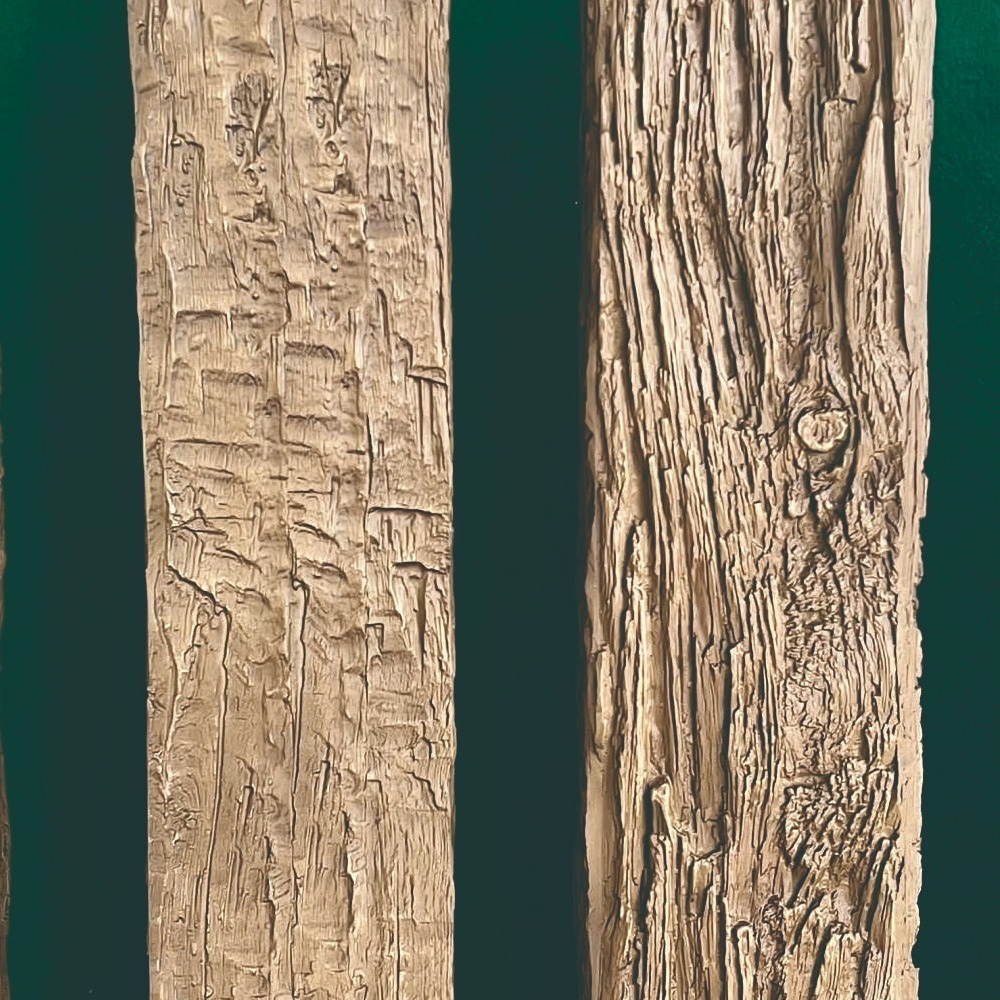
Retro Design Applications
Retro aesthetic design employs barnwood beams as part of broader design narratives that reference specific eras or cultural moments. The 1970s farmhouse revival draws on earth-tone palettes and natural material emphasis that barnwood textures express perfectly. Industrial-influenced retro schemes use barnwood beams to soften machine-age aesthetics, adding organic warmth that prevents spaces from feeling too mechanical. Each application context suggests different beam placement and coordination approaches.
Kitchen applications often feature barnwood beams as dominant ceiling elements that establish the room's design direction. Large-scale beams spanning across ceiling planes create immediate visual anchoring, with other design elements—cabinet finishes, countertop materials, hardware selections—responding to the warmth and texture that beams provide. This leadership role means beam selection deserves priority attention during kitchen design development.
Living spaces that blend barnwood beams with upholstered furniture and soft textiles create the kind of comfortable accumulation that defines successful retro spaces. The roughness of weathered wood finds counterpoint in fabric softness, with color relationships tying everything together into cohesive environments. Barn beams provide the architectural anchor around which softer elements arrange themselves naturally.

Integration With Contemporary Elements
The juxtaposition of barnwood textures against contemporary design elements creates dynamic tension that many modern interiors seek. Clean-lined contemporary furniture against weathered beam ceilings establishes productive contrast—neither element overwhelms the other, and each gains presence through juxtaposition. This integration approach requires careful proportion control to ensure neither traditional nor contemporary elements dominate inappropriately.

Material coordination with barnwood beams involves selecting complementary surfaces that share rustic character without competing for attention. Concrete countertops, woven textile accents, and matte metal fixtures all work within barnwood design vocabularies. Polished surfaces and high-gloss finishes may feel inconsistent with barnwood's weathered character, though deliberate contrast can work in appropriate contexts.
Lighting design for barnwood installations should account for how these absorptive surfaces handle illumination. The soft, diffuse quality of natural barn wood responds beautifully to warm incandescent or LED sources that enhance its golden undertones. Cool daylight might read as inconsistent with the material's established character. Directional lighting that rakes across textured surfaces reveals the dimensional complexity that barnwood textures provide.
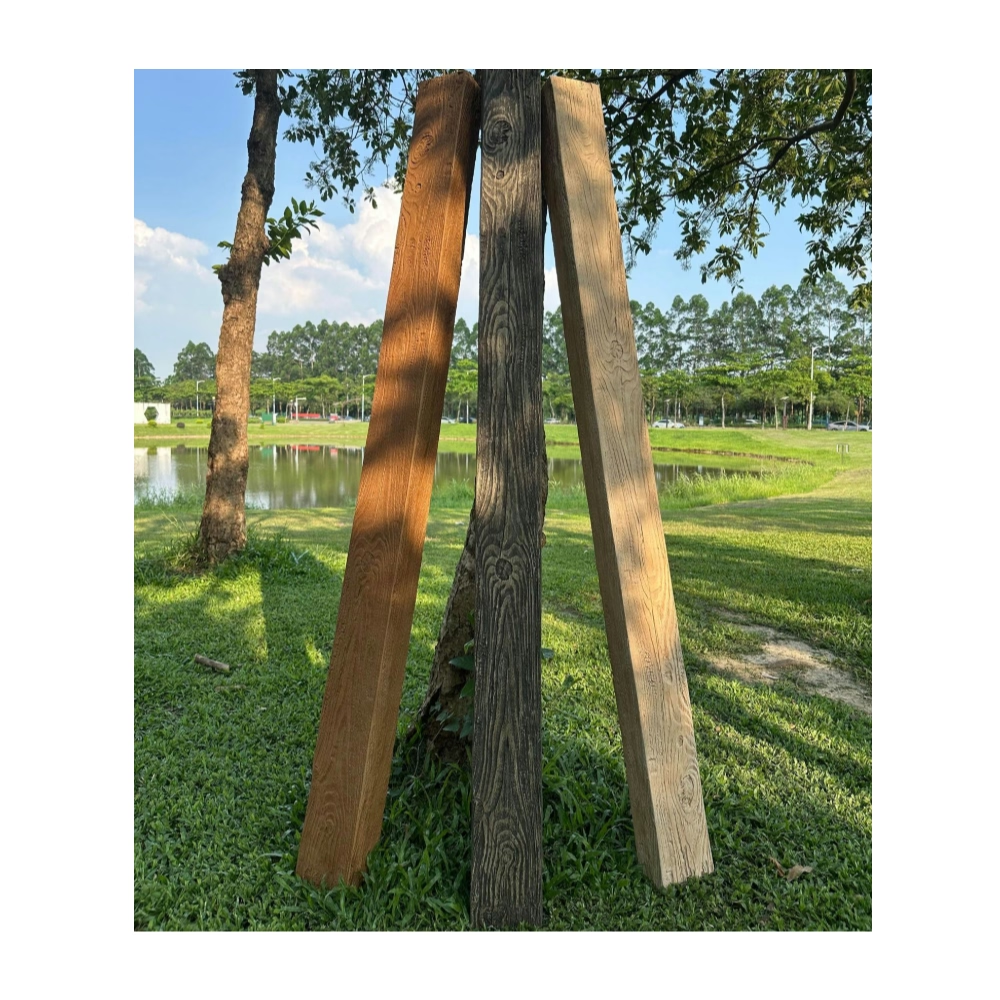
Maintenance and Durability
The practical performance of polyurethane barnwood beams exceeds what genuine reclaimed material could offer in most applications. Polyurethane's resistance to moisture, insects, and physical damage means these beams maintain their appearance indefinitely without the ongoing care that authentic barn wood would require. This maintenance simplicity proves especially valuable in kitchen applications where grease, humidity, and frequent cleaning would challenge natural wood surfaces.
Cleaning approaches for barnwood beams should respect the deliberate imperfection that defines their appearance. Normal dusting handles routine maintenance. Occasional damp wiping removes accumulated residues without risking finish damage. Harsh chemical cleaners should be avoided, as they might strip the carefully applied patina that creates convincing barnwood appearance. When cleaning reveals minor finish inconsistencies, touch-up kits provided by manufacturers can restore uniform appearance.
Long-term appearance retention represents a significant advantage over natural alternatives. Authentic barn wood continues aging after installation, with weathering potentially accelerating in interior environments where humidity and light exposure create different conditions than the exterior contexts where original aging occurred. Polyurethane barnwood beams maintain stable appearance indefinitely, providing the character of aged barn wood without the ongoing change that authentic material would undergo.
Specification Considerations
Successful barnwood beam specification requires clear communication about visual expectations. The term "barnwood" encompasses substantial variation—newer barns feature different weathering than century-old structures, different wood species create different character, different regional practices affect how barns were constructed and maintained. Reference samples or detailed photographs help ensure selected products match project vision.
Profile selection affects how barnwood character reads in finished installations. Wider beams show more board-face character and can display visible plank separations that suggest authentic board construction. Narrower beams may show less board character and read more as general timber elements. The choice depends on how much barn-specific character should be visible versus how much should remain implied.
Scale relationships with room dimensions influence which beam profiles work best. Large rooms can accommodate substantial beam dimensions that small rooms would overwhelm. The visual weight of barnwood textures—substantially absorptive, creating strong shadow patterns—requires proportional consideration when matching beam sizes to ceiling dimensions.
Technical References
ASTM standards cited in every specification
Test Data
Lab results from internal testing program
Updated 2026
Reviewed against current product specs


