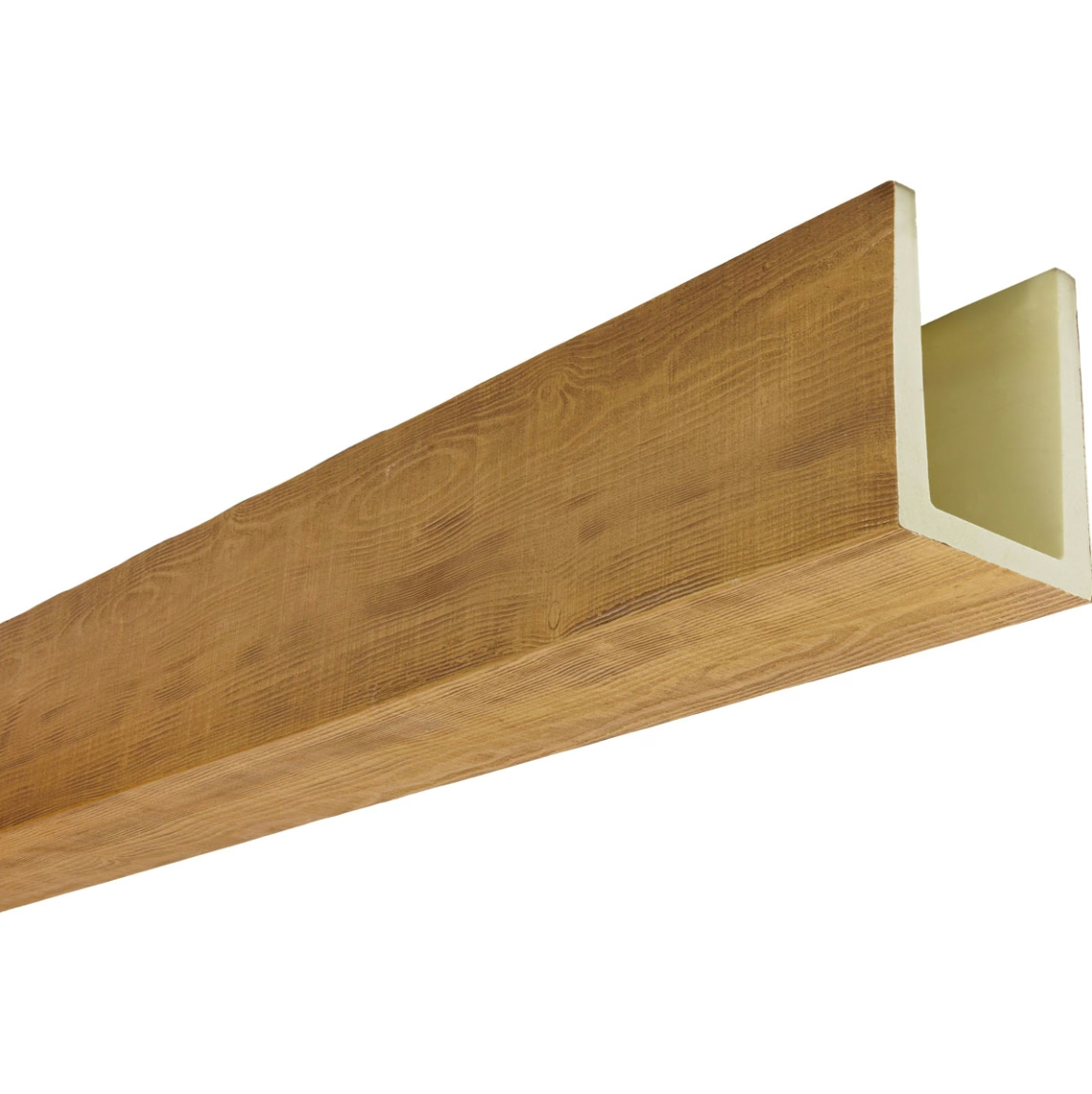
The visual language of aged wood speaks to something deep in our collective aesthetic sensibilities. Perhaps it connects to ancestral memories of timber construction, or perhaps it simply registers as beautiful in ways that newer materials cannot match. Whatever the psychological basis, the demand for aged wood aesthetics in contemporary interiors remains strong, creating opportunities for faux beam products that deliver this character convincingly. Vintage distressed aged wood look faux timber ceiling beams address this market need with manufacturing approaches that capture the essential qualities of extended natural aging.
The distinction between different types of aged wood appearance matters for successful design outcomes. Some projects call for the silver-gray tonality of fully weathered barn wood, while others require the warm brown tones of timber that has aged indoors without direct sun exposure. Some installations benefit from heavy surface checking and deep erosion, while others require subtler aging that suggests character rather than dramatic decay. Understanding these variations helps designers specify products that match their specific visions.
The Aesthetics of Wood Aging
Natural wood aging produces effects through multiple mechanisms that operate simultaneously over extended periods. Solar radiation initiates photochemical reactions that break down surface lignin and extract color compounds, creating the soft, faded appearance characteristic of weathered surfaces. Moisture cycling causes wood fibers to expand and contract, creating stress that produces surface checking and separation. Biological factors—fungi, bacteria, insects—contribute to gradual breakdown that manifests as soft spots, discoloration, and structural weakening.
The visual results of these processes depend heavily on wood species characteristics and exposure conditions. Dense hardwoods like oak weather differently than softwoods like pine. End grain absorbs moisture more readily than face grain, creating faster deterioration at board ends. Protected areas retain fresher appearance while exposed surfaces develop weathering that contrasts dramatically. This natural variation creates the visual complexity that aging enthusiasts value.
Indoor aging produces different effects than exterior exposure. Wood that has aged within climate-controlled environments develops patina without the dramatic weathering that exterior exposure creates. Surface wear from handling and cleaning rounds edges and softens textures. Accumulated residues add warmth and depth to color tones. This indoor aging often produces the subtle character that traditional interiors require—aged without being weathered, distinguished without being distressed.
Creating Convincing Aged Wood Appearance
Manufacturing convincing aged wood appearance requires understanding the visual end result rather than simply applying formulas mechanically. The most successful faux aging treatments begin with authentic surface textures that provide foundation for subsequent color development. These textures must include the dimensional variation that natural aging creates—soft erosion areas adjacent to sharp grain definition, small pits and depressions that catch shadow, edge wear that reveals different wood layers.
Color treatment for aged wood appearance involves multiple layers that build complexity through careful application. Initial tones establish fundamental wood species character—oak warmth, pine yellows, walnut richness. Subsequent layers add aging effects: darker tones in recessed areas suggesting accumulated grime, lighter highlights on prominent surfaces suggesting wear, subtle tonal shifts that reference environmental exposure. Each layer must be applied with understanding of how it will interact with others.
The final stages of aging treatment address details that distinguish professional results from amateur attempts. Nail holes, small cracks, and other incidental features add the kind of unexpected variation that natural aging produces. These details should be scattered somewhat randomly, avoiding patterns that would suggest manufactured application rather than organic development. The goal involves creating the impression of accumulated history rather than applied treatment.
Application Contexts and Design Strategies
The versatility of aged wood beam aesthetics allows application across diverse interior design contexts. Farmhouse interiors benefit from heavy distressing that suggests extended agricultural use. Craftsman-style spaces prefer subtler aging that complements the honest construction principles of that movement. Contemporary spaces might employ aged wood beams as deliberate contrast to sleek modern furnishings, using the material's warmth to humanize otherwise severe design approaches.
Scale considerations for aged wood beams should account for how distressing affects apparent size. Heavy surface texture adds visual bulk to beam dimensions, meaning that heavily distressed beams may appear larger than their actual measurements would suggest. Lighter distressing maintains clearer dimensional reading. Designers should view physical samples in appropriate lighting before finalizing specifications, as distressing intensity significantly affects how beams contribute to overall spatial experience.
Placement strategies for aged wood beams vary by application context. Continuous runs across ceiling planes create formal rhythm that traditional interiors often require. Intersecting beams in perpendicular patterns establish more complex ceiling architecture appropriate for great rooms and similar substantial spaces. Single accent beams can punctuate otherwise plain ceilings with character moments that draw attention without overwhelming.

Coordination With Interior Design Elements
Successful aged wood beam integration requires coordination with surrounding design elements that reinforces rather than conflicts with the rustic aesthetic. Wall finishes in rooms with aged wood beams typically benefit from neutral backdrops that allow beam textures to read clearly. Shiplap paneling, smooth plaster, and textured wallpaper all provide appropriate contexts depending on specific design intentions.

Furniture selection should consider how pieces will relate to ceiling beam character. Farmhouse tables and rustic seating complement heavy distressing, while more refined furniture might appear inconsistent in heavily aged contexts. The goal involves creating rooms where all elements seem to belong together, regardless of whether that shared context is heavily rustic or more subtly traditional.
Textile coordination for aged wood beam spaces involves selecting fabrics that reinforce rather than contradict the aesthetic. Natural fibers—cotton, linen, wool—generally read as more consistent with aged wood character than synthetic materials. Earth-tone palettes that reference wood's warmth create cohesive color schemes, while cool colors can provide refreshing contrast when used deliberately.
Performance and Longevity
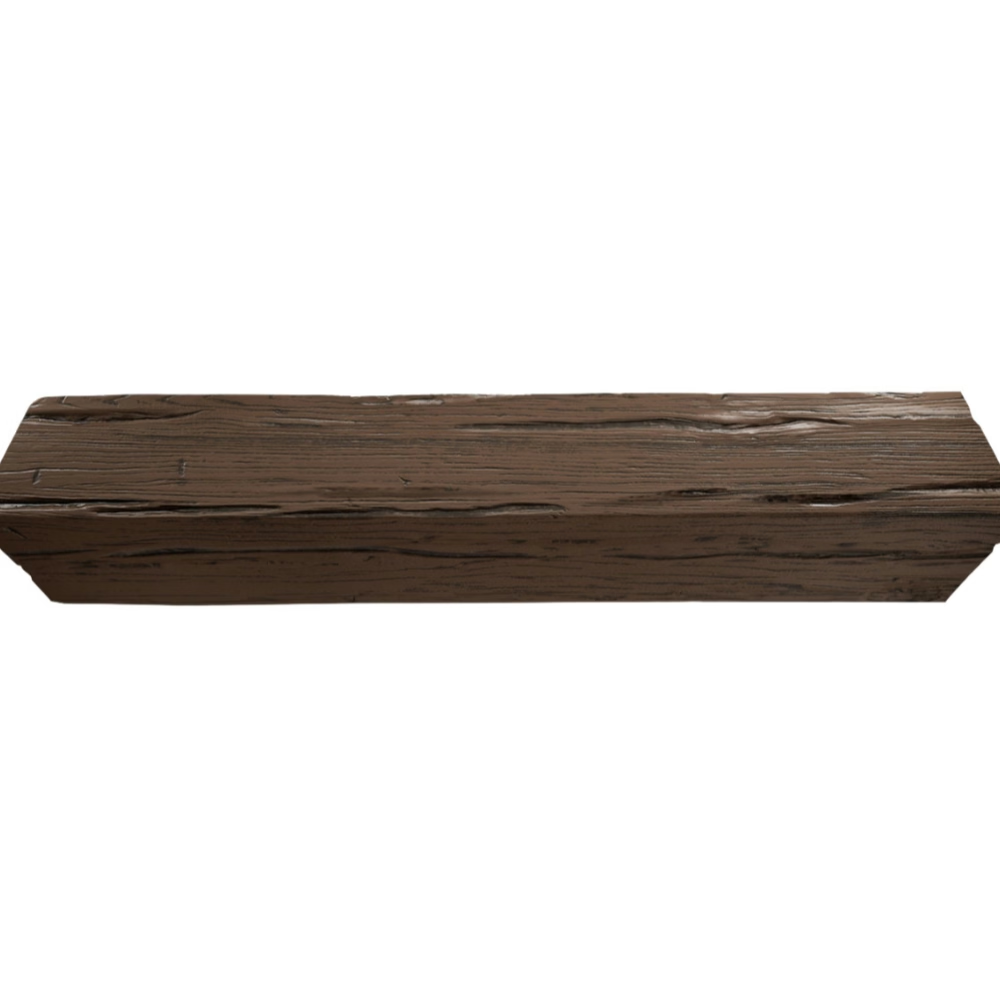
The practical advantages of polyurethane construction become particularly apparent in aged wood applications. Natural aged timber often carries insect damage, fungal decay, or structural weaknesses that limit its useful life. Polyurethane faux beams eliminate these concerns, providing the aesthetic of aged wood without the structural compromises that genuine old timber might carry.
Moisture resistance proves especially valuable in aged wood applications, as the weathered surfaces of natural timber are particularly vulnerable to moisture damage. What appears as charming weathering might actually represent wood that has absorbed substantial moisture over years of exposure. Polyurethane beams maintain dimensional stability regardless of humidity conditions, preventing the warping, cracking, and decay that moisture causes in natural materials.
The long-term appearance stability of quality faux beams ensures that initial design intentions persist indefinitely. Natural timber, even well-maintained, continues changing as aging processes continue. Polyurethane maintains consistent appearance decade after decade, making it possible to install aged wood aesthetics with confidence that results will remain satisfactory indefinitely.
Making Specification Decisions
Specifying aged wood beams requires balancing visual intensity against appropriate restraint for specific applications. Showroom displays and design publications often feature dramatic applications that establish aspirational aesthetics but may not suit actual living contexts. The most successful residential applications typically moderate distressing intensity, achieving authentic character without overwhelming spaces meant for daily habitation.
Professional consultation can help navigate specification decisions that affect long-term satisfaction. Interior designers with experience in rustic and traditional aesthetics can suggest appropriate intensity levels for specific room types and client preferences. Material suppliers often provide sample boards that allow evaluation of distressing quality and color development before commitment. This due diligence investment typically prevents costly specification errors.
Budget considerations inevitably influence specification decisions. Higher-quality faux beams with more convincing distressing command premium pricing, while budget products may sacrifice authenticity for cost savings. The appropriate balance depends on project context—high-visibility installations in client projects may justify premium specification, while owner-occupied projects might reasonably economize on less critical applications.
Technical References
ASTM standards cited in every specification
Test Data
Lab results from internal testing program
Updated 2026
Reviewed against current product specs


