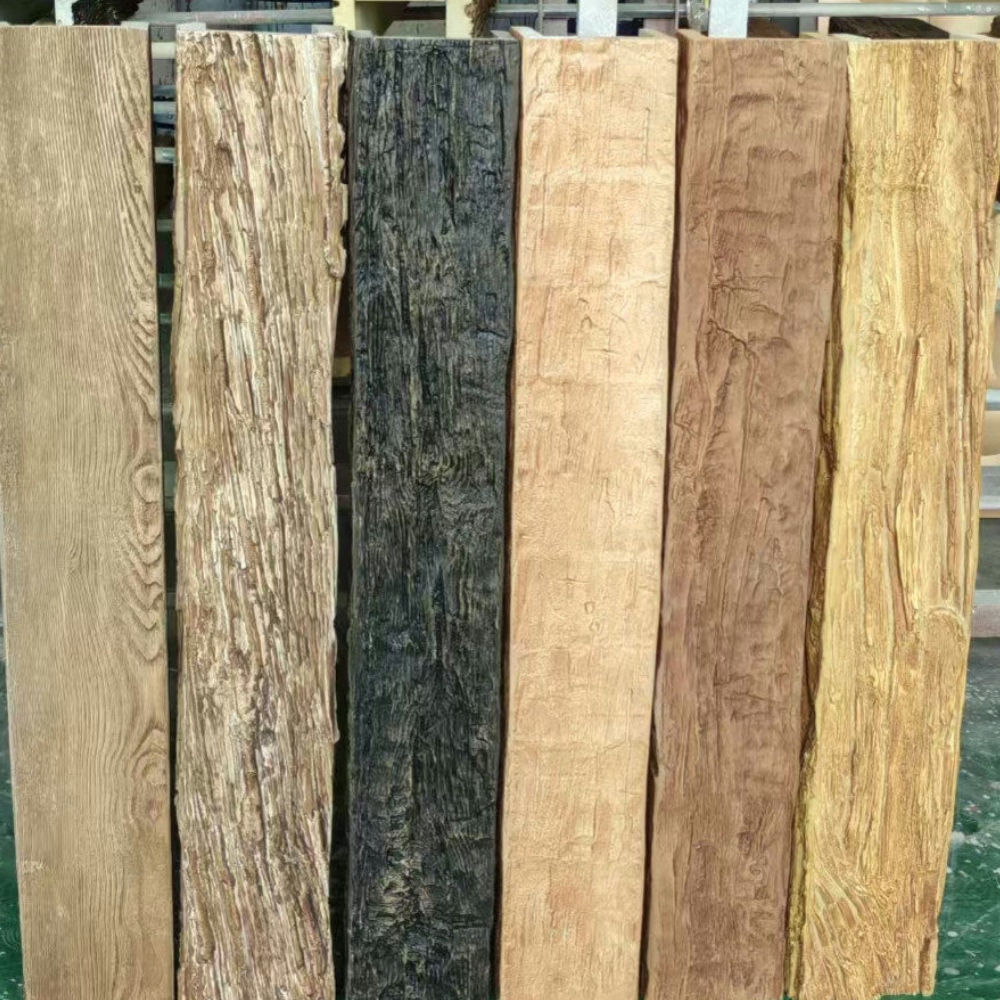
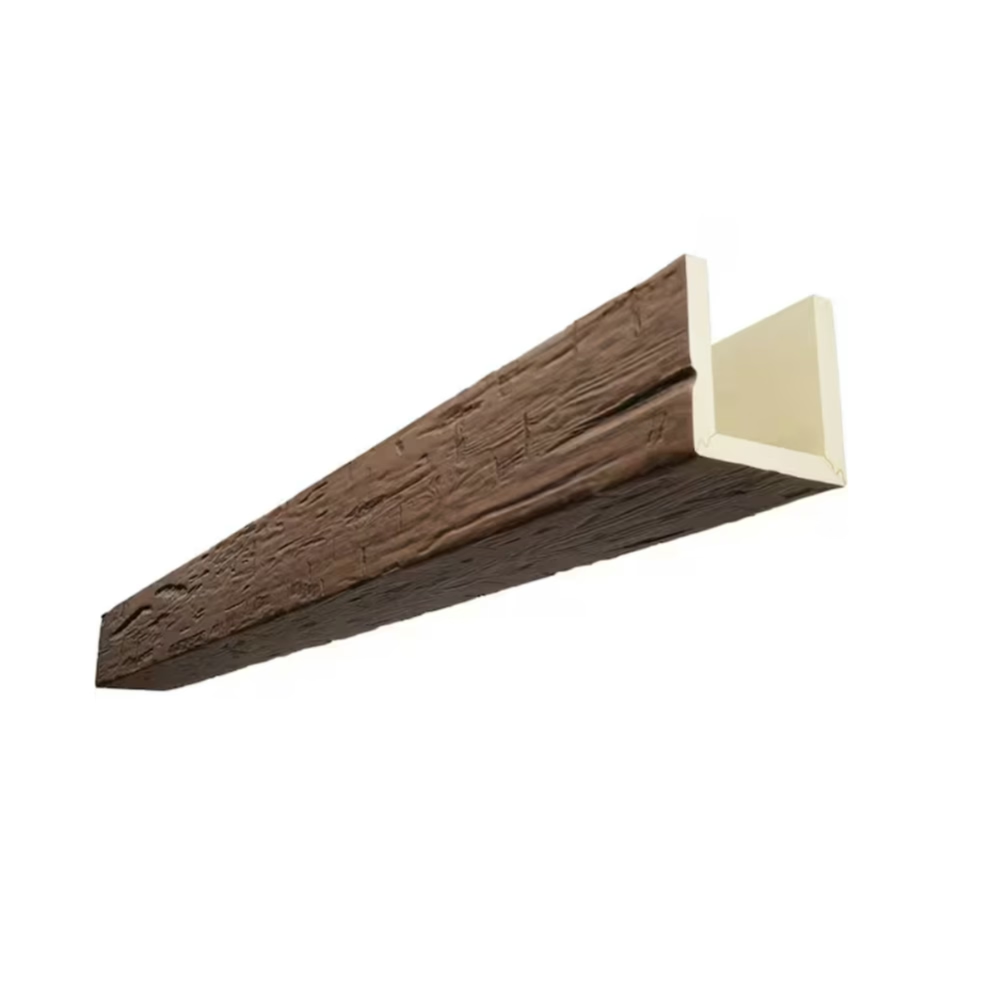
Rustic ceiling design operates through a design vocabulary distinct from classical or contemporary approaches. The goal involves creating spaces that feel genuinely rooted in vernacular building traditions rather than merely referencing them superficially. At the heart of successful rustic design lies material authenticity—the surfaces, textures, and colors that communicate genuine history rather than manufactured imitation. Vintage distressed finish faux timber beams serve this objective by providing the visual foundation upon which compelling rustic interiors are built.
The relationship between rustic ceilings and overall interior character differs from other design approaches. Where contemporary interiors might treat ceilings as neutral planes to be kept out of the way, rustic design treats ceiling architecture as a primary design element. Beams, planking, and structural expression become the room's defining features, establishing the material vocabulary that furnishings and finishes must coordinate with. This leadership role means beam selection deserves careful attention during design development.
Principles of Effective Rustic Ceiling Design
Successful rustic ceiling design begins with understanding what distinguishes authentic rustic spaces from generic country-inspired interiors. The key lies in embracing imperfection as a positive quality rather than something to minimize or conceal. Natural wood's irregularities—knots, grain variation, color inconsistency, surface checking—represent the marks of genuine material rather than manufacturing defects. Faux beam distressing that simulates these characteristics honors the aesthetic principles that make rustic design compelling.
Scale relationships in rustic design tend toward generous proportions that suggest abundance rather than economy. Beams should feel substantial, capable of bearing meaningful loads. Ceiling heights that allow beams to be seen clearly, without crowding or compression, enable rustic elements to read as intended. Spaces that feel cramped or low may not suit heavy rustic treatment; alternative approaches might better serve such contexts.
Material layering creates the visual complexity that authentic rustic spaces display. Exposed ceiling beams work alongside other wood elements—wall paneling, exposed framing, built-in shelving—to create environments saturated with material presence. This layering should develop organically rather than arbitrarily; each element should relate logically to others through shared material vocabulary or intentional contrast.
Distressing Techniques for Rustic Authenticity
Creating convincingly rustic distressed finishes involves multiple treatment stages that build authentic character. Physical distressing establishes the dimensional foundation through techniques that simulate extended wear. Router patterns remove material unevenly, creating the soft edges and worn surfaces that extended handling produces. Hammer and chain marks add random damage suggesting impacts accumulated over years of use.
Chemical treatment contributes color effects that physical distressing alone cannot achieve. Weathering solutions accelerate oxidation processes that normally require decades. Staining treatments add the warm amber and gray tones that aged wood develops. Glazing fills surface depressions with darker tones that create shadow depth. Each layer interacts with previous treatments, building the visual complexity that distinguishes professional distressing from amateur attempts.
The finishing process concludes with protective sealers that maintain distressing appearance while providing practical durability. These sealers must not create the uniform sheen that would contradict rustic authenticity. Flat or satin sheens that allow textured surfaces to read clearly serve rustic objectives better than higher-gloss alternatives that would flatten dimensional effect.
Coordinating Beams With Other Rustic Elements
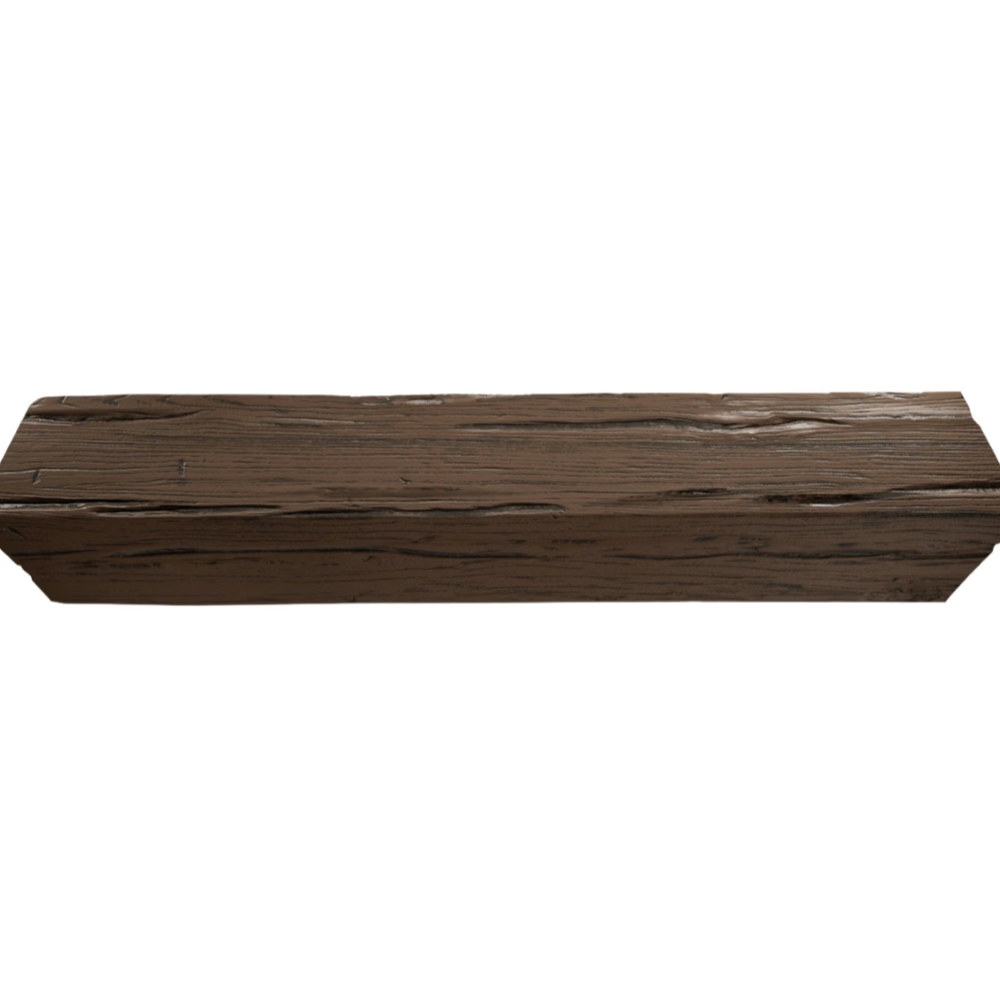
Rustic ceiling beams rarely exist in isolation; typically they coordinate with wall treatments, exposed structural elements, and furniture selections that together create coherent rustic environments. Understanding these relationships helps designers specify beams that integrate naturally with surrounding elements rather than appearing as isolated additions.
Wall material selection significantly affects how ceiling beams contribute to overall rustic character. Shiplap paneling in natural or painted finishes provides excellent backdrop for wood beams. Board-and-batten treatments create complementary linear patterns that beam intersections can anchor. Stone or brick surfaces offer textural contrast that warm wood tones soften. Each combination creates different aesthetic effects that beam selection should anticipate.
Furniture integration for rustic spaces involves selecting pieces that share material qualities with ceiling beams. Distressed wood tables and beds reinforce the aged material vocabulary established overhead. Iron hardware and rustic metalwork complement wood surfaces through contrasting texture. Upholstered pieces should feature fabrics that coordinate with wood tones—leather, woven textiles, and natural fibers work well within rustic palettes.

Room-Specific Design Approaches
Great rooms and living areas typically accommodate the most substantial rustic beam treatments. These generous spaces provide scale that large beams require to read appropriately. Exposed beam ceilings in great rooms become primary design features that establish character for everything else in the space. Such installations often combine multiple beam elements—main beams spanning ceiling width, perpendicular purlins creating grid patterns, decorative braces and details that enrich the ceiling architecture.
Bedroom applications for rustic beams often favor more restrained approaches than public spaces might use. A single dominant beam crossing above the bed creates architectural punctuation without overwhelming the intimate scale appropriate for sleeping. Smaller secondary beams might define bed canopies or sleeping zones within larger room volumes. These modest interventions add character while maintaining the calm atmosphere that bedrooms require.
Kitchen and dining spaces present opportunities for rustic beam installations that coordinate with functional requirements. Beams above kitchen islands create visual anchoring for meal preparation zones. Exposed beams in dining areas establish atmosphere that enhances the dining experience. The durability of polyurethane finishes handles kitchen humidity and cleaning requirements that might challenge natural wood alternatives.
Installation Planning and Execution
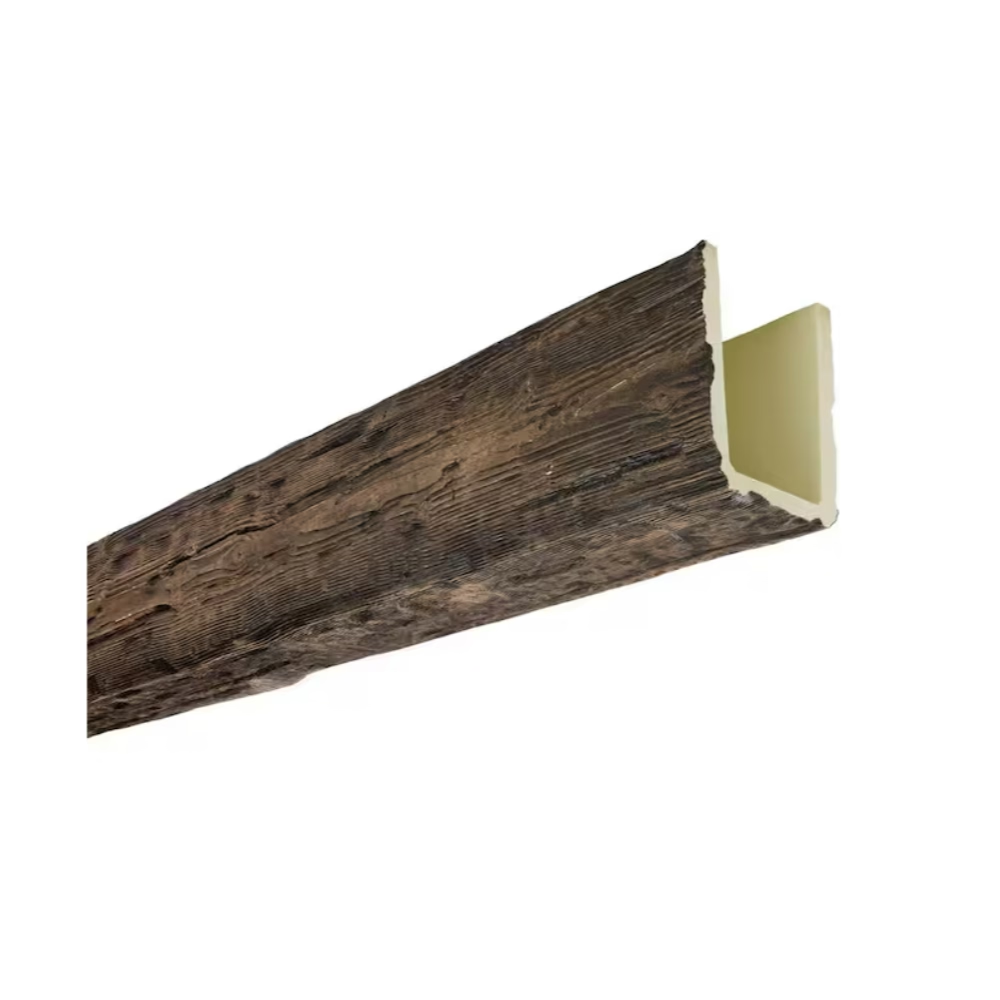
Effective rustic beam installation begins with thorough planning that addresses both aesthetic and practical considerations. Measurement accuracy becomes critical when distressed surfaces will catch light and reveal any alignment inconsistencies. Professional installers typically create detailed layout drawings showing exact beam positions, connection details, and coordination with existing ceiling elements before beginning material ordering.

Structural preparation ensures that mounting points can support beam weight and any imposed loads. Natural timber's irregular density creates variable holding power for fasteners; polyurethane's consistent density allows more predictable connection strength. Still, proper mounting requires locating structural framing or installing supplementary blocking where needed. This preparation investment prevents appearance problems and security concerns that inadequate mounting might create.
Finish protection during installation prevents damage to distressed surfaces from handling, mounting hardware, and adjacent construction activity. Temporary covering during other trades' work protects vulnerable finishes from scratches and staining. Careful handling techniques minimize the risk of impact damage that would require repair before final completion.
Long-Term Performance and Value
The investment in quality rustic beams pays returns through decades of service without the maintenance requirements that natural alternatives would demand. Polyurethane's resistance to moisture, insects, and physical damage ensures stable appearance regardless of environmental conditions. This reliability simplifies ownership expectations and reduces long-term maintenance costs.
The timeless character of rustic design suggests that beam installations will remain aesthetically appropriate far longer than trendy alternatives might prove. Styles come and go, but the fundamental appeal of authentic material presence persists. Rustic beam installations represent long-term investments in interior quality rather than temporary design statements.
Resale value consideration favors beam installations that enhance rather than constrain future buyers' options. The neutral character of rustic wood tones—warm, natural, broadly appealing—creates interior environments with broad market appeal. Buyers who might not share current owners' specific design preferences can still appreciate quality beam installations as architectural enhancements rather than style-specific features.
Technical References
ASTM standards cited in every specification
Test Data
Lab results from internal testing program
Updated 2026
Reviewed against current product specs