Oak has occupied a position of prominence in furniture and architectural woodworking for centuries, valued for its durability, workability, and distinctive grain character. The species' prominence in traditional building practices means that oak-toned ceiling beams connect naturally to design vocabularies that reference American vernacular architecture, English cottage traditions, and continental European precedents alike. Vintage distressed oak texture faux ceiling beams make this historically significant aesthetic available to contemporary construction through materials that address practical constraints without sacrificing authentic character.
The specific appeal of oak grain involves its pronounced figure and consistent warm tone family. Unlike the dramatic dark tones of walnut or the subtle figuring of chestnut, oak announces itself confidently through bold grain patterns that create visual interest across substantial surfaces. This assertive character makes oak beams particularly effective in spaces where ceiling architecture should establish strong design presence.
Oak Grain Characteristics and Rendering
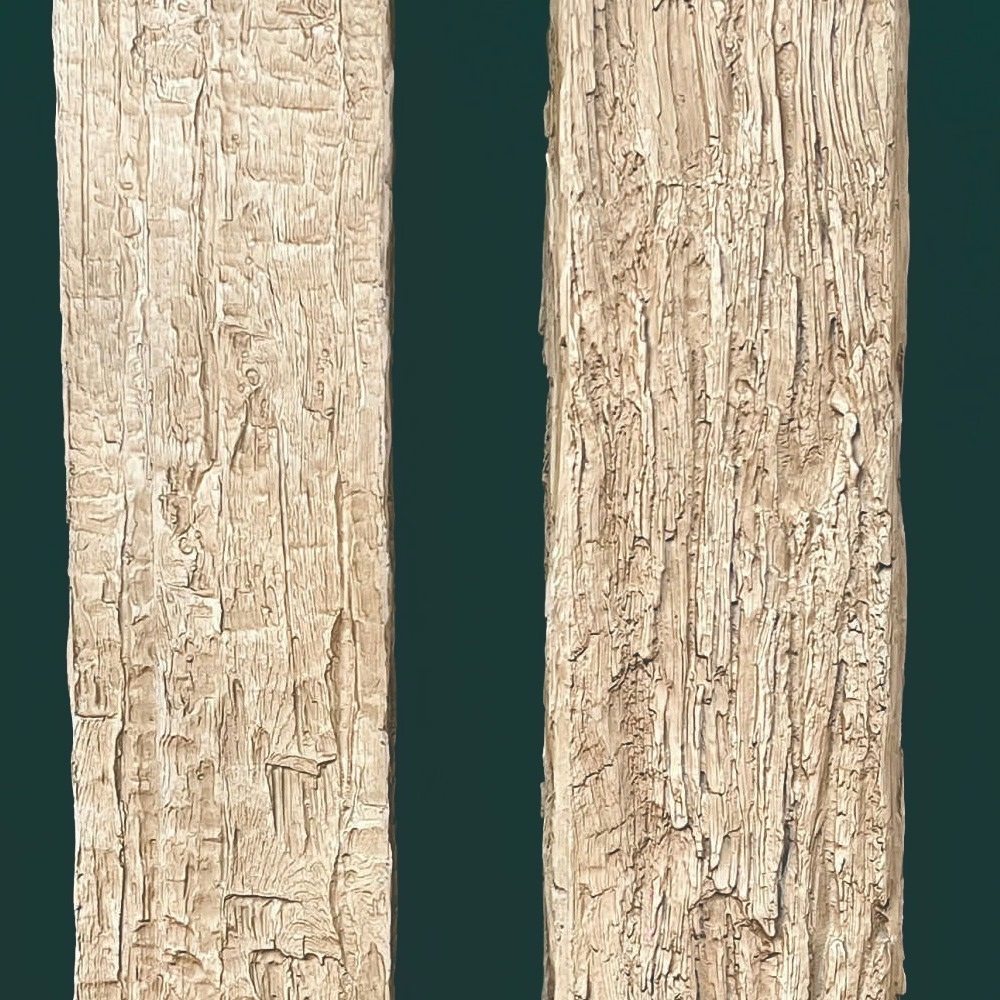
The visual signature of oak grain involves several distinctive elements that quality faux production must capture convincingly. Medullary rays—those distinctive flake-like patterns visible on quarter-sawn surfaces—create the tiger-stripe figure that oak enthusiasts prize. Cathedral grain patterns on flat-sawn surfaces feature the pronounced arching that makes oak recognizable at a glance. Knot patterns, while variable, add the kind of organic character that authenticates wood species identification.
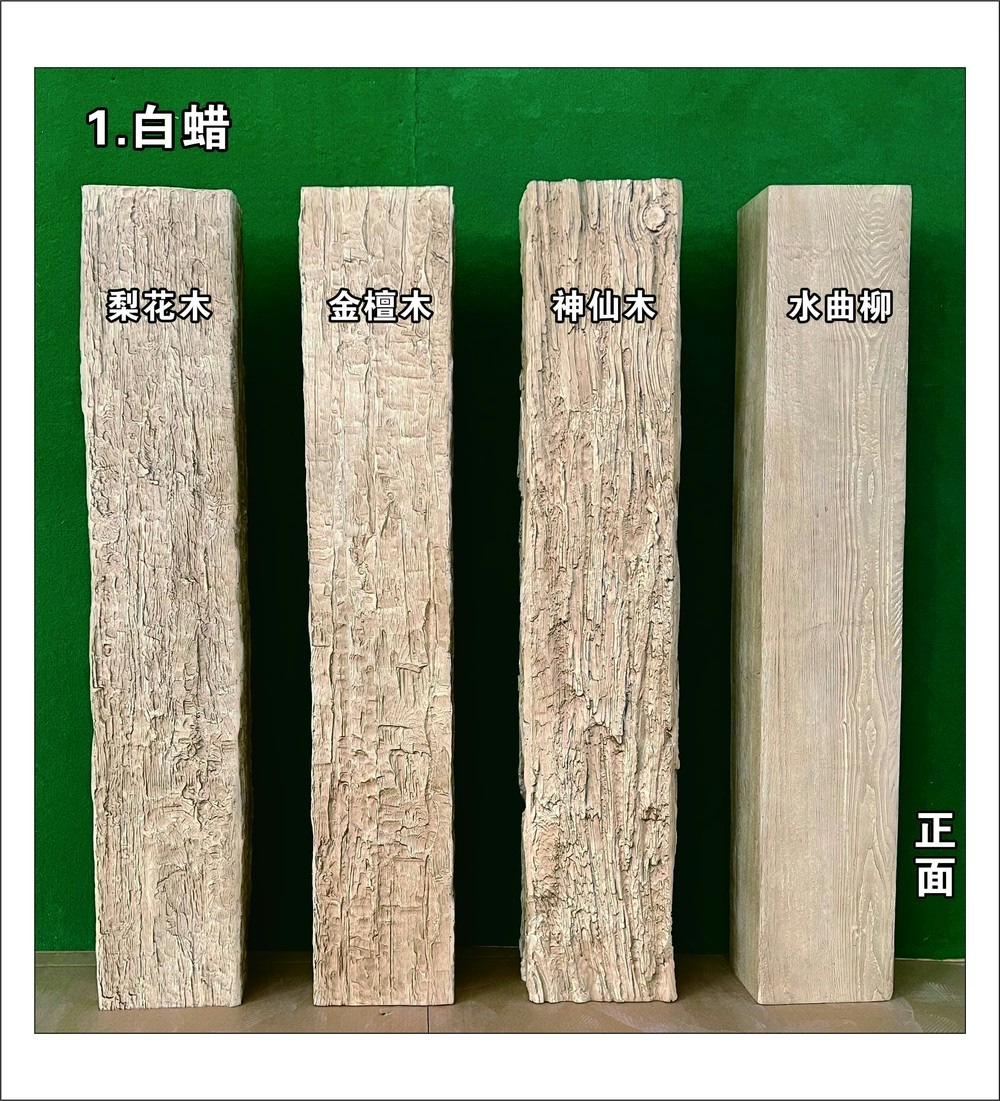
Rendering these characteristics in polyurethane requires manufacturing approaches tailored to oak's specific qualities. Mold-making from genuine aged oak captures grain details with the accuracy that oak's pronounced figuring demands. The bold patterns that define oak appearance prove easier to capture convincingly than subtle figuring might be, but manufacturing precision still determines whether results read as authentic or generic.
Finish development for oak-toned beams emphasizes the warm honey-to-amber color range that distinguishes the species. Subtle color variation across grain patterns creates the dimensional quality that makes authentic oak visually compelling. The best finishes avoid the monotony that uniform coloring would produce, instead developing the kind of complexity that natural aging creates in well-maintained oak surfaces.
Creating Rustic Charm Through Distressing
Rustic charm involves more than simple color selection—it requires the kind of authentic character that suggests extended history rather than recent manufacture. For oak beams, achieving convincing rustic character means developing surface treatments that simulate the effects of decades of exposure and use. This distressing must respect oak's essential character rather than overwhelming it with effects inappropriate to the species.
Physical distressing for oak beams typically involves selective emphasis of existing grain patterns rather than the dramatic damage that some distressed applications might use. Oak's natural resistance to decay means that genuinely aged oak rarely shows the severe erosion that barn wood might display. Appropriate distressing for oak beams emphasizes edge wear, surface checking, and color development rather than dramatic surface destruction.
The warmth that defines oak's appeal should be preserved and enhanced through distressing rather than muted or contradicted. Gray tones that might work for other species would feel wrong on oak; the golden and amber tones that oak develops through aging should remain dominant even in heavily distressed treatments. This warmth consistency ensures that distressed oak beams maintain their essential character.
Design Integration for Rustic Spaces
Rustic spaces built around oak beams benefit from coordinated material selection that reinforces the natural material vocabulary. Stone and brick surfaces complement wood warmth through contrasting texture and mass. Woven textiles, leather upholstery, and wrought iron hardware provide additional material layers that create rich environments saturated with authentic character.
Wall treatment coordination proves particularly important for ceiling beam installations. Shiplap or beadboard paneling in natural or whitewashed finishes provides excellent backdrop for oak beams while adding their own material presence. Plaster walls in warm tones allow beams to dominate without competing backgrounds. Paint selections should consider how beam tones will read against them—cool neutrals might feel inconsistent with oak warmth, while warmer tones create unified color environments.
Furniture selection for rooms with oak beams should consider both color matching and style consistency. Farmhouse tables, Windsor chairs, and similar vernacular pieces complement oak ceiling elements through shared design vocabulary. Mission-style furniture, with its oak heritage, provides particularly natural coordination. Even contemporary pieces can work when their clean lines provide refreshing contrast to the organic character beams establish.

Room-Specific Applications
Kitchen applications for oak beams create the warm gathering atmosphere that these social spaces benefit from. Beams above kitchen islands define food preparation zones while establishing rustic character throughout connected living areas. The durability of polyurethane finishes handles cooking-related humidity and grease exposure that natural wood would struggle to manage.
Living room installations often feature oak beams as dominant ceiling elements that establish design direction for entire floor plans. Exposed beam ceilings in great rooms create the architectural framework around which furniture arrangements organize. Multiple parallel beams or intersecting patterns can create ceiling architecture that transforms otherwise plain ceiling planes into compelling design features.

Bedroom applications may use oak beams more sparingly—perhaps a single accent beam above the bed or beams defining sleeping zones within larger volumes. This restraint maintains the intimate scale appropriate for rest while adding the architectural interest that prevents spaces from feeling generic.
Performance Considerations
Oak-toned polyurethane beams offer the same practical advantages as other faux beam products. Moisture resistance proves particularly valuable in kitchens and bathrooms where humidity fluctuates significantly. Natural oak, despite its durability, can absorb moisture that leads to movement and eventual degradation. Polyurethane maintains stable dimensions regardless of humidity conditions.
Temperature stability prevents the expansion and contraction cycles that stress natural wood over seasonal changes. This dimensional consistency proves beneficial in spaces with imperfect climate control, where natural timber might gradually develop gaps, checks, or surface damage through repeated movement cycles.
Cleaning and maintenance simplicity represents another significant advantage. Oak beams in high positions might be difficult to access for cleaning or maintenance. Polyurethane's resistance to dust accumulation and staining simplifies ongoing care, while the durable finishes resist the wear that would eventually require refinishing with natural alternatives.
Selection and Specification Guidance
Successful oak beam specification begins with clear understanding of the specific oak character desired. Different oak varieties—red oak versus white oak, for instance—develop distinctly different appearances. The warm pink tones of red oak differ from white oak's greenish cast. Samples and specifications should identify which oak character is intended.
Distressing intensity should match application context and overall design objectives. Heavily distressed beams create dramatic rustic statements appropriate for bold design approaches. Subtler distressing produces refined rustic character suitable for more restrained interiors. Physical samples viewed in context help calibrate distressing intensity appropriately.
Profile selection should consider both aesthetic objectives and practical constraints. Oak's bold grain character works well with substantial beam dimensions where grain patterns can read clearly. Narrower beams may not show grain details effectively, suggesting alternative specifications for applications requiring finer proportions.
Technical References
ASTM standards cited in every specification
Test Data
Lab results from internal testing program
Updated 2026
Reviewed against current product specs


