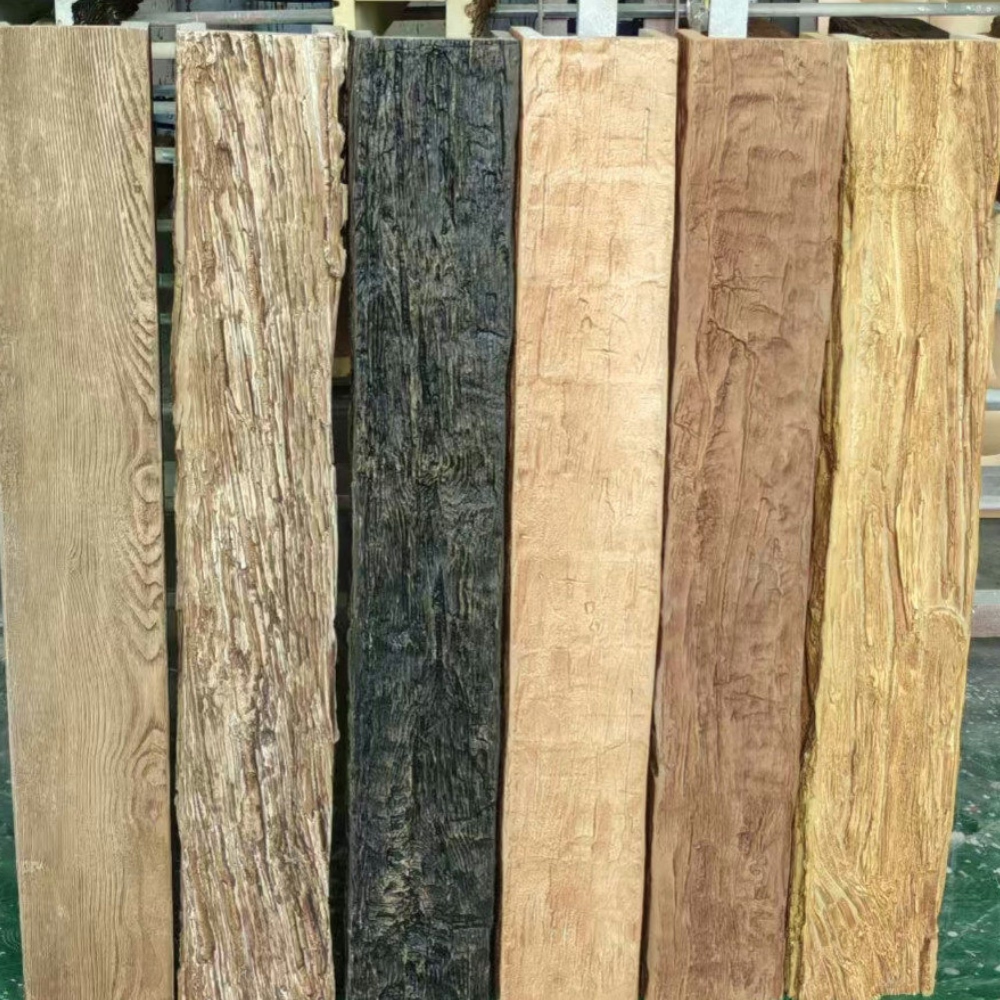
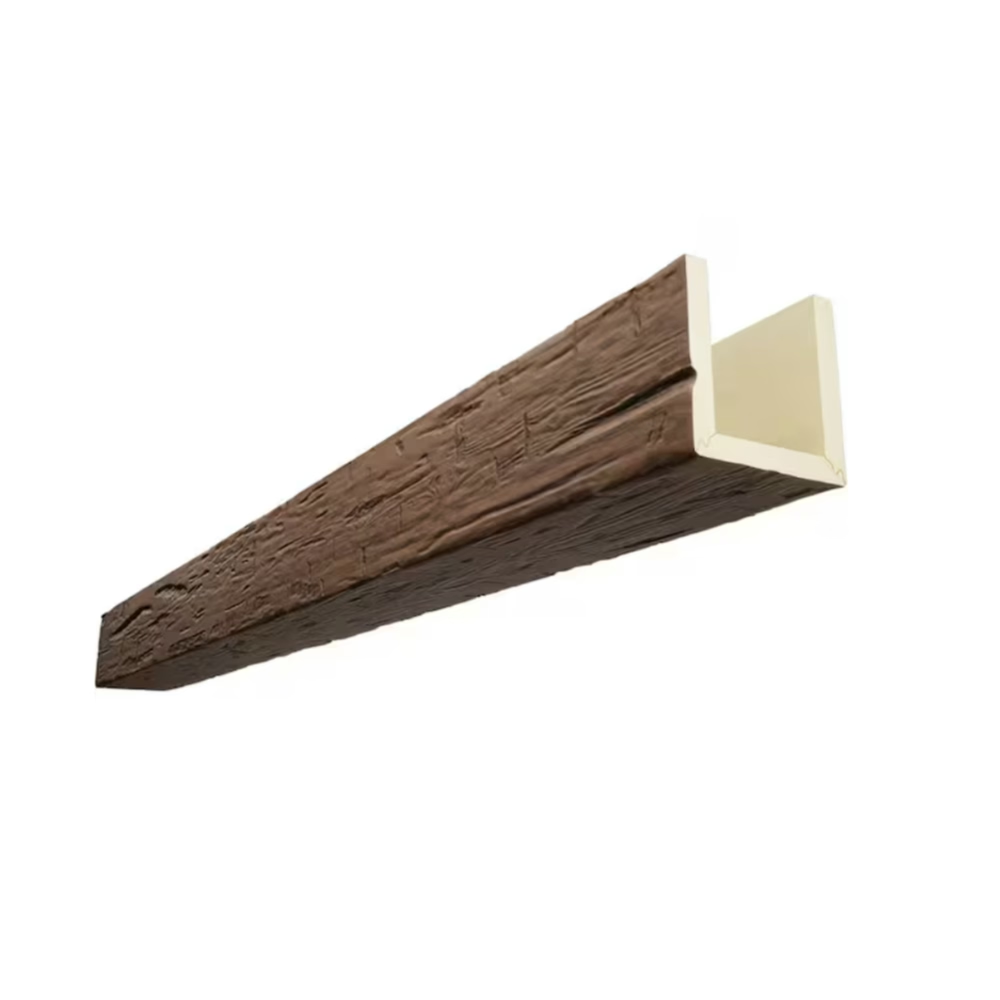
Pine occupies a special place in the history of American interior design, having served as the primary wood species for vernacular construction across centuries and regions. Its soft yellow tones, prominent grain patterns, and generous knot formations create a casual aesthetic that distinguishes it from the refined hardwoods used in finer furniture and trim work. This accessible character makes pine the natural choice for farmhouse aesthetics that value honest simplicity over formal sophistication. Vintage distressed pine faux wood beams bring this beloved material's warmth to contemporary ceilings through practical modern construction.
The appeal of pine in rustic and farmhouse contexts involves more than mere aesthetics—it connects to cultural associations accumulated over generations of American building practice. Exposed pine ceilings in farmhouses, cabins, and country homes spoke of practicality and abundance rather than wealth or refinement. These associations persist in contemporary design, where pine's humble character conveys authenticity that more exotic woods might lack.
Pine Wood Characteristics
The physical properties of pine create both advantages and challenges that affect faux beam production and appearance. The wood's relative softness allows easy working and finishing, accepting stains and treatments that might raise grain unevenly on harder species. This workability translates into manufacturing efficiency that helps keep faux product pricing reasonable. However, pine's softness also means that surface durability differs from hardwood alternatives.
Grain patterns in pine feature the pronounced vertical lines and occasional swirls that characterize the species. These patterns create strong visual texture that adds interest across substantial surfaces. The distinctive vertical orientation works particularly well on ceiling beams where the pattern can read clearly without interruption. Knot patterns, ranging from tight small formations to loose open patterns, add organic character that no manufacturing process can perfectly replicate in consistency.
The color palette of pine involves soft yellows ranging from nearly white to warm honey tones. This limited color range makes pine less variable than some species but also less forgiving of finish variation—incorrect color application becomes more obvious when the natural palette is constrained. Quality faux pine production carefully matches the specific pine character intended rather than producing generic warm-toned results.
Knot Character in Pine Beams
The knots that distinguish pine from other species require special attention in faux beam production. Natural pine knots vary from tight dark spots surrounded by distorted grain to large open formations that penetrate completely through boards. This variability creates character that contributes significantly to pine's rustic appeal but also complicates manufacturing consistency.
Quality faux pine beams include realistic knot representation through careful mold making from genuine pine samples. The dark centers, surrounding distortion rings, and grain displacement patterns that characterize real knots should all appear convincingly. Shallow or inconsistent knot rendering immediately reveals faux character, undermining the authentic appearance that distressing should establish.
Knot filling and finishing for natural pine beams often involves stabilizing treatments that prevent knot loosening over time. Polyurethane beams face no such concerns—knots are permanent features of the molded surface. This permanence allows more aggressive distressing near knots without concern that treatment might eventually affect structural integrity.

Farmhouse Design Integration
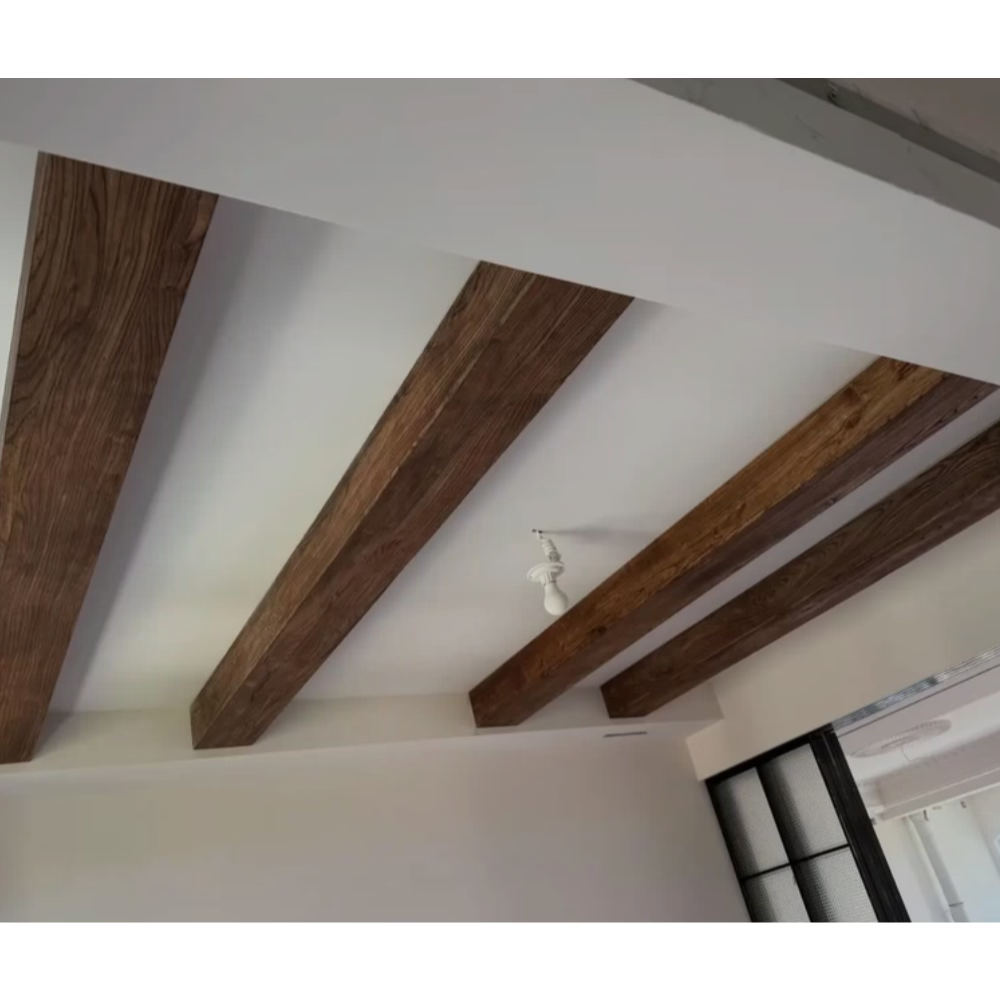
Farmhouse interiors favor the casual warmth that pine beams provide. The design vocabulary typically includes whitewashed walls, natural linens, rustic furniture, and vintage accessories that create accumulated character. Pine beams fit naturally into this context, adding warmth without introducing formality that might contradict casual farmhouse sensibilities.
The soft color palette of pine works particularly well with the neutral backgrounds that farmhouse interiors typically employ. White, cream, and soft gray walls provide contrast that allows pine tones to read clearly. Colorful accents through textiles, pottery, and greenery add liveliness without competing with the architectural character that beams establish.
Furniture coordination for rooms with pine beams should consider how wood tones will relate across the visual field. Natural wood pieces in similar tones create unified material environments. White furniture provides refreshing contrast that prevents wood saturation. Upholstered pieces in warm fabrics reinforce the cozy atmosphere that farmhouse aesthetics seek.

Application Across Farmhouse Styles
Modern farmhouse design employs clean lines and contemporary proportions that differ from period reproduction approaches. Beams in modern farmhouse applications should maintain rustic character while respecting the simplified aesthetic that defines this popular style. Distressing should be present but restrained; the goal involves suggesting age rather than mimicking heavy weathering.
Shabby chic farmhouse interiors embrace more dramatic distressing and layered paint treatments. Beams in these spaces might feature multiple paint layers revealing themselves through wear, or heavy whitewashing that mutes wood character without eliminating it entirely. The eclectic accumulation that defines shabby chic extends to beam treatment, where intentional imperfection becomes a design virtue.
Industrial farmhouse combines rustic wood elements with machine-age metal features. The contrast between warm wood and cool metal creates productive tension that neither material could achieve alone. Beams in industrial farmhouse contexts should maintain strong wood character that contrasts effectively with steel and iron elements.
Installation Considerations
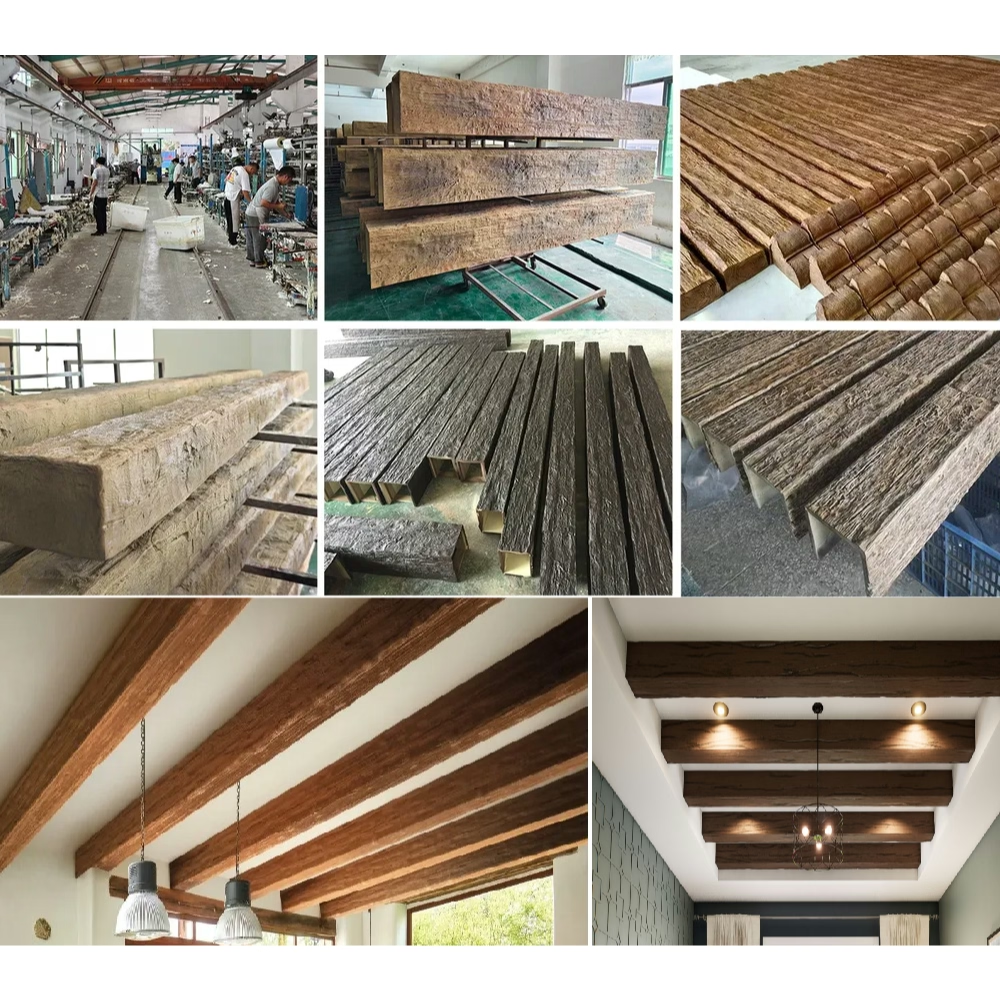
Pine beam installation follows standard faux beam approaches with attention to the specific characteristics that knotty materials present. Knot areas may require additional adhesive or mechanical fastening to ensure secure bonding. The softer material accepts fasteners easily but may compress slightly under fastener pressure, affecting how securely connections hold over time.
Alignment attention becomes particularly important for beams featuring prominent grain and knot patterns. These visually active surfaces catch light dramatically, revealing alignment inconsistencies that might go unnoticed on smoother materials. Professional installers take extra care during positioning, often using temporary supports until alignment verification confirms proper placement.
End treatment for pine beams should consider how knot patterns will appear at visible terminations. Natural pine beams often feature end grain with distinctive patterns that differ from face surfaces. Faux beams should include end grain detail that maintains consistency with the overall knotty appearance.
Long-Term Appearance and Care
Polyurethane pine beams maintain their appearance indefinitely under normal interior conditions without the maintenance that genuine pine would require. The soft wood's vulnerability to dents and scratches becomes irrelevant when polyurethane provides durable surfaces that resist impact damage. This resilience proves particularly valuable in active households where ceiling surfaces might encounter accidental contact.
Cleaning requirements for polyurethane pine beams involve simple dusting or occasional damp wiping. The non-porous surface resists staining and doesn't harbor dust the way natural wood textures might. This easy care makes polyurethane particularly appropriate for ceiling installations where access for cleaning might be difficult.
UV stability considerations apply to any beam installation near windows or skylights. Direct sunlight exposure may cause gradual color shift over extended periods. UV-stabilized finish options provide protection for installations in high-exposure locations, ensuring long-term color consistency.
Technical References
ASTM standards cited in every specification
Test Data
Lab results from internal testing program
Updated 2026
Reviewed against current product specs