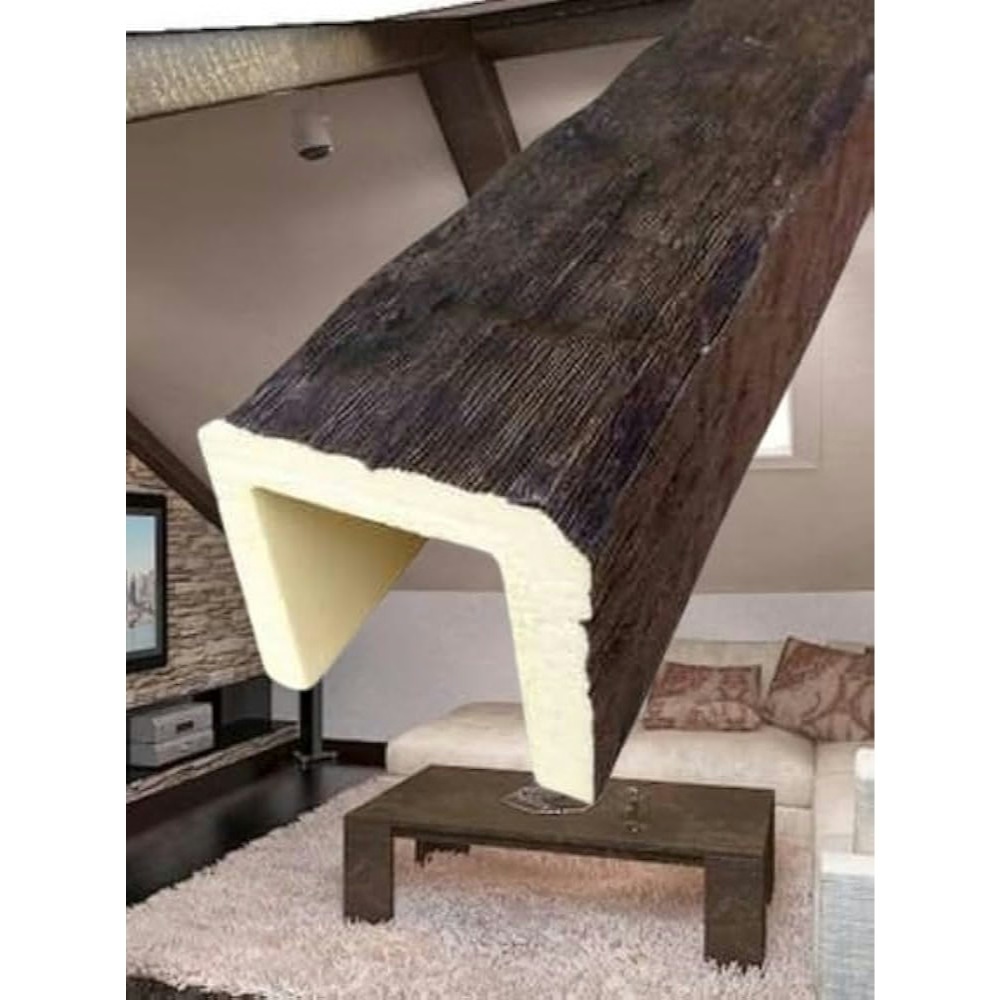
The most compelling interior spaces often emerge from unexpected combinations rather than strict adherence to singular design styles. When rustic authenticity meets retro sensibility, the result can be interiors that feel both rooted and playful, serious about craft yet light-hearted about history. Vintage distressed texture PU faux beams serve these eclectic design ambitions beautifully, providing authentic aged character that integrates with design approaches spanning multiple periods and influences.
Retro-rustic design celebrates the resourceful creativity that characterized earlier eras, when making do and adapting materials produced spaces full of accumulated character. This aesthetic philosophy values authenticity over perfection, embracing imperfection as evidence of genuine use rather than careless manufacture. Beams finished with convincing vintage distressing fit naturally into these spaces, their manufactured origins concealed behind surface treatments that suggest histories they don't actually possess.
The Retro-Rustic Design Philosophy
Retro-rustic interiors draw from vernacular traditions across multiple decades, creating spaces that reference rather than reproduce specific periods. A 1950s kitchen might feature farmhouse beams alongside atomic-age appliances. A 1970s living room might combine barn wood aesthetics with bohemian textiles. These eclectic combinations work through careful attention to material and color relationships rather than chronological accuracy.
The appeal of retro-rustic design lies in its democratic approach to aesthetics. Rather than privileging certain periods or styles over others, this approach values any element that contributes to the desired atmosphere. Vintage beams—whether they reference colonial timber framing or 1970s paneling—serve the same design purpose of adding authentic material presence that contemporary construction often lacks.
Textural richness defines successful retro-rustic spaces. Multiple layered surfaces—wood, textile, metal, ceramic—create the kind of tactile complexity that engages attention and rewards close inspection. Beams contribute substantially to this textural richness, their dimensional surfaces catching light in ways that flat surfaces cannot achieve.
Distressed Texture for Multi-Style Integration
The versatility of textured distressed beams allows integration across design contexts that might otherwise feel incompatible. A distressed beam that references rustic farmhouse aesthetics can also function within retro mid-century modern schemes when paired with appropriate furnishings and finishes. This adaptability makes textured beams valuable assets for designers working across stylistic boundaries.
The specific character of distressing affects how beams integrate with different design approaches. Heavy weathering with pronounced erosion suits rustic and farmhouse applications. Subtle surface wear with minimal color shift works better in traditional interiors seeking refinement rather than severity. Understanding these contextual requirements helps specify beams whose distressing character supports rather than contradicts design intentions.
Color development during distressing should allow flexibility for multiple styling approaches. Neutral wood tones provide maximum adaptability across color schemes. Warmer finishes favor traditional and rustic contexts. Cooler gray treatments suit contemporary and industrial applications. The versatility that different finishing approaches provide expands the range of design contexts that beams can serve.

Eclectic Design Applications
Eclectic interiors that deliberately combine multiple style influences benefit from beam treatments that suggest rather than dictate specific periods. A beam finished with generic vintage distressing could plausibly reference any decade from the 1920s through the 1970s, allowing surrounding furnishings to establish more specific temporal references. This ambiguity proves valuable in spaces that resist categorization.
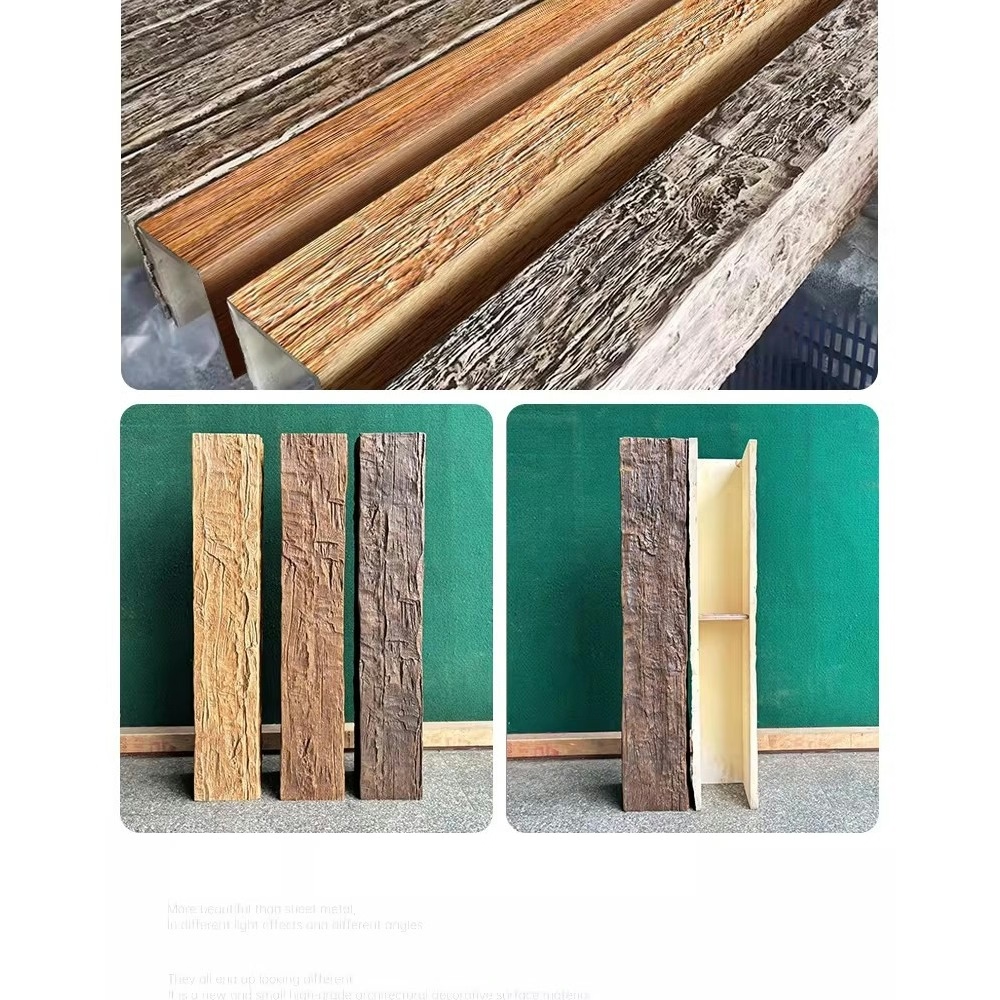
The layered approach that eclectic design employs extends to beam coordination with other architectural elements. Multiple beam finishes—perhaps one pair in darker tones and another in lighter treatments—can create visual interest within single installations. This variation introduces complexity that uniform treatment would lack, contributing to the accumulated-character aesthetic that eclectic spaces seek.

Lighting integration becomes particularly important for textured beams in eclectic contexts. The interplay between light and texture creates visual dynamism that animates surfaces throughout the day. Task lighting can emphasize texture at specific work areas; ambient lighting can provide overall texture revelation throughout living spaces.
Furniture and Decor Coordination
Retro-rustic spaces typically feature furniture collections assembled over time rather than purchased as coordinated sets. This accumulated approach creates the kind of personal expression that mass-produced matchy sets cannot achieve. Beams in such spaces should complement diverse furniture without requiring specific style matching.
The warm tones that distressed wood typically displays work well with earth-tone palettes that many eclectic spaces employ. Deep oranges, warm browns, olive greens, and burgundy accents all relate naturally to wood warmth. Cool color palettes—blues, grays, purples—provide refreshing contrast that prevents wood saturation in heavily appointed spaces.
Textile selection for rooms with textured beams should consider how fabric patterns will read against textured wood backgrounds. Solid fabrics or subtle patterns allow beams to remain visually dominant. Bold graphic patterns might compete with beam textures for attention, creating visual confusion rather than productive complexity.
Installation Approaches for Texture-Rich Results
The installation of textured beams requires techniques that preserve rather than damage the carefully developed surface character. Temporary protection during installation prevents scratches and impact damage from handling, tools, and adjacent work. Careful attention to mounting approach ensures that fasteners don't create visible damage that would require repair.
Adhesive bonding works particularly well for textured beams, providing continuous contact across irregular surfaces that mechanical fasteners alone cannot guarantee. The dimensional variation that distressing creates means that beam surfaces don't contact mounting surfaces uniformly; adhesive fills gaps and creates bonds throughout contact areas.
Positioning accuracy matters more for textured beams than for smooth alternatives. The light-catching properties of textured surfaces make alignment errors immediately apparent, particularly under directional illumination. Professional installers typically verify alignment from multiple viewing angles before committing to permanent installation.
Care and Maintenance
The practical durability of polyurethane textured beams allows them to maintain appearance despite the demanding conditions that active households create. Impact resistance handles accidental contact without visible damage. Moisture resistance prevents the swelling and decay that natural textured surfaces might suffer. This resilience simplifies ownership expectations and maintenance routines.
Cleaning textured surfaces requires techniques appropriate to their dimensional complexity. Compressed air can remove dust from recessed areas that wiping might miss. Soft brushes reach into crevices without damaging delicate textures. Occasional deeper cleaning with mild solutions addresses accumulated residues without threatening finish integrity.
The aged character that distressing provides actually benefits from the kind of gentle wear that normal household activity creates. Unlike polished surfaces where wear represents degradation, textured beams can accept additional subtle wear as character accumulation rather than damage. This tolerance for use makes textured beams particularly appropriate for family spaces where perfection might prove impractical.
Technical References
ASTM standards cited in every specification
Test Data
Lab results from internal testing program
Updated 2026
Reviewed against current product specs


