Rustic aesthetics operate through a design language that celebrates natural materials, honest construction, and the kind of authentic character that accumulates through extended use. Unlike design approaches that privilege refinement and polish, rustic design finds beauty in surfaces that show their history—wood grain worn smooth by handling, edges softened by years of contact, colors deepened by environmental exposure. Vintage distressed texture PU faux wood beams translate these aesthetic principles into practical ceiling architecture through manufacturing approaches that convincingly simulate the character that genuine aged timber develops.
The transformative potential of rustic ceiling beams deserves emphasis. A plain ceiling plane, regardless of how well-finished, rarely generates the kind of visual interest that defines memorable spaces. Introducing beams with substantial presence—weathered textures, warm tones, dimensional surfaces—fundamentally alters spatial experience. Rooms that felt merely functional become environments that invite lingering, that reward close attention, that establish the kind of atmosphere that visitors remember.
The Transformative Power of Rustic Beams
Ceiling architecture establishes the visual framework within which all other design elements exist. When this framework features warm, textured beams with authentic rustic character, the entire room benefits from the atmosphere they create. Furniture appears more comfortable against warm wood backdrops. Lighting becomes warmer as beams cast soft shadows throughout spaces. Even neutral wall colors seem warmer when paired with rustic ceiling architecture.
The scale impact of exposed beams deserves particular attention. Beams crossing ceiling planes create visual rhythm that organizes otherwise undifferentiated surfaces. This architectural structure provides the kind of spatial organization that interior design alone cannot achieve. The ceiling no longer simply caps the room—it actively participates in defining the space's character and function.
Texture perception changes dramatically when beams introduce dimensional surfaces to ceiling planes. What might appear as a uniformly lit flat ceiling becomes a complex surface where light plays across textured profiles. Shadow patterns shift throughout the day as natural light angles change, animating spaces in ways that smooth ceilings cannot achieve. This living quality makes textured beam ceilings engaging throughout extended time spent in the spaces they define.
Developing Authentic Rustic Texture
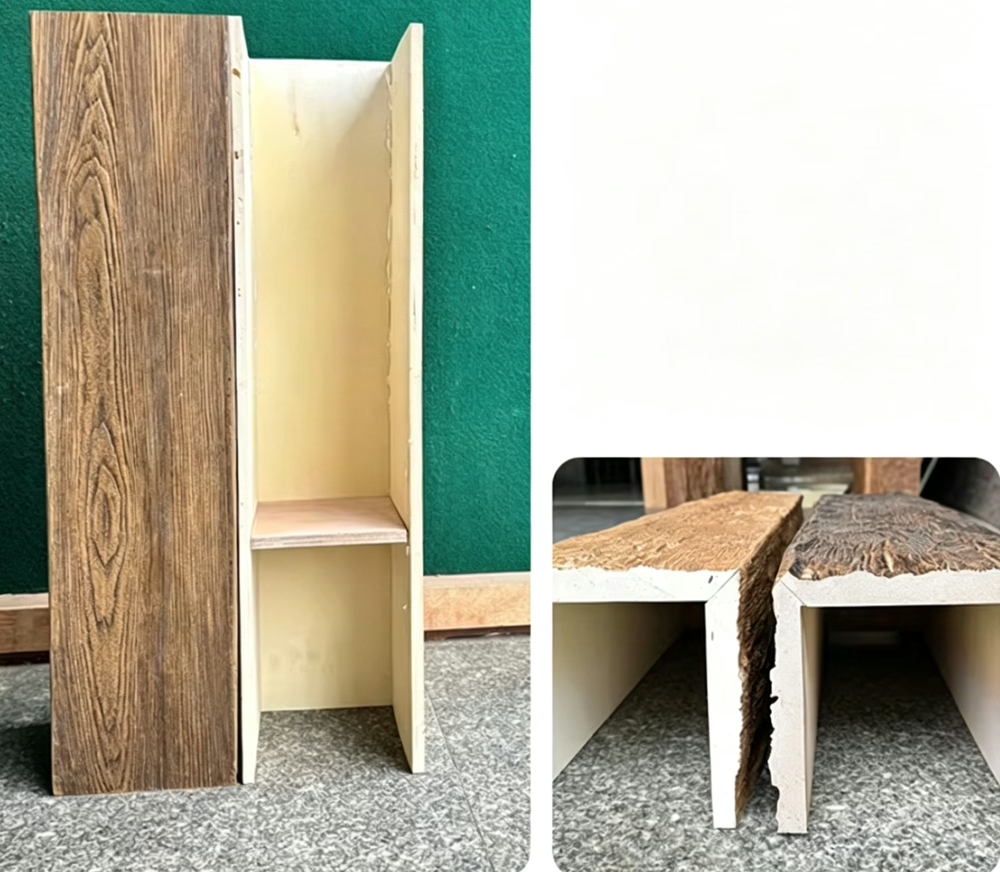
The textures that define convincing rustic beams emerge from manufacturing processes that understand what natural weathering actually produces. Simply creating rough surfaces misses the nuanced complexity that extended aging creates. Effective distressing involves multiple treatment stages, each contributing distinct textural elements that combine into integrated character.
Surface preparation establishes foundational texture through mechanical treatment that simulates extended wear. Router patterns remove material unevenly, creating the kind of differential weathering that natural exposure produces. Sandpaper treatment in various grits softens surfaces while maintaining the kind of slight irregularity that distinguishes authentic wood from manufactured smoothness.
Erosion simulation addresses the gradual degradation that weathered timber displays. Soft wood areas recede while harder grain lines remain more prominent. This differential creates the kind of topographic variation that character surfaces display. The simulation must be convincing enough to read correctly at normal viewing distances while maintaining enough subtlety to reward close inspection.
Color Development for Rustic Authenticity
The warm color palette of rustic beams develops through layering techniques that build visual complexity. Base tones establish fundamental wood species character, while subsequent layers add the warmth, shadow, and accumulated tone that aging produces. Each application stage must consider how its effects will interact with previous treatments and underlying textures.
Weathering effects create the kind of uneven color distribution that natural exposure produces. Darker tones accumulate in recesses and protected areas; lighter tones remain on prominent surfaces exposed to handling and cleaning. This dimensional color relationship reinforces the textural complexity that distressing establishes, creating integrated character rather than superficial aging.
Patina development adds final color layers that suggest extended material history. The golden amber tones that well-aged wood develops, the subtle grays that extended UV exposure produces, the warm undertones that accumulated oils contribute—all combine into color complexity that single-stage application cannot achieve. Skilled colorists understand how these elements interact and develop to produce convincing results.


Integration With Natural Material Environments
Rustic interiors typically feature multiple natural materials that work together to create environments saturated with organic character. Stone fireplaces, wood plank floors, leather furniture, and woven textiles all contribute textures and tones that beam surfaces should complement. Successful integration requires understanding these material relationships and selecting beam treatments that reinforce rather than conflict with surrounding elements.
Stone surfaces pair naturally with rustic wood beams, the weight and permanence of stone finding counterpoint in wood's warmth and approachability. Fireplace surrounds in natural stone provide dramatic focal points that beam ceilings can frame and complement. The cool gray and brown tones of stone find warm counterparts in properly selected beam finishes.
Wood flooring in rustic interiors should relate to ceiling beams through either harmony or deliberate contrast. Matching floor and ceiling wood tones creates unified material environments; contrasting selections add visual interest through deliberate variation. Each approach can succeed; the choice depends on overall design objectives and the degree of material saturation desired.
Climate Considerations for Rustic Spaces
Rustic aesthetics often connect to natural settings where building and landscape blur somewhat—the mountain retreat, the lakeside cabin, the countryside farmhouse. In these contexts, ceiling beams should acknowledge the natural environment through material selection and finish treatment. Weathered textures that reference landscape exposure prove more appropriate than refined finishes that suggest climate-controlled perfection.
Moisture considerations become relevant in rustic vacation properties where seasonal humidity fluctuations create challenging conditions. Polyurethane beams handle these variations without the dimensional instability that natural wood might display. This reliability proves particularly valuable in structures that experience extended unoccupied periods when humidity levels might fluctuate beyond normal ranges.
Temperature stability ensures that beam appearances remain consistent regardless of seasonal conditions. Natural wood expands and contracts with temperature changes, sometimes developing gaps, checks, or surface damage through repeated cycling. Polyurethane maintains stable dimensions throughout normal temperature ranges, preventing these aging effects that might actually enhance rustic character but also compromise structural integrity.
Long-Term Value Assessment
The investment in quality rustic beams pays returns through both immediate aesthetic impact and long-term value retention. Spaces featuring authentic rustic ceiling architecture command attention and create impressions that generic construction cannot achieve. This distinctive character distinguishes properties in competitive markets while providing ongoing satisfaction for owners.
Maintenance requirements for polyurethane rustic beams remain minimal throughout extended service periods. Unlike natural timber that may require refinishing or repair as aging continues, faux beams maintain stable appearance indefinitely. This reliability simplifies ownership expectations and reduces lifetime maintenance costs.
The timeless character of rustic aesthetics suggests that beam installations will remain appropriate far longer than trend-driven alternatives might prove. Design fashions change, but the fundamental appeal of authentic natural materials persists. Rustic beam installations represent long-term investments in interior quality rather than temporary style statements.
Technical References
ASTM standards cited in every specification
Test Data
Lab results from internal testing program
Updated 2026
Reviewed against current product specs


