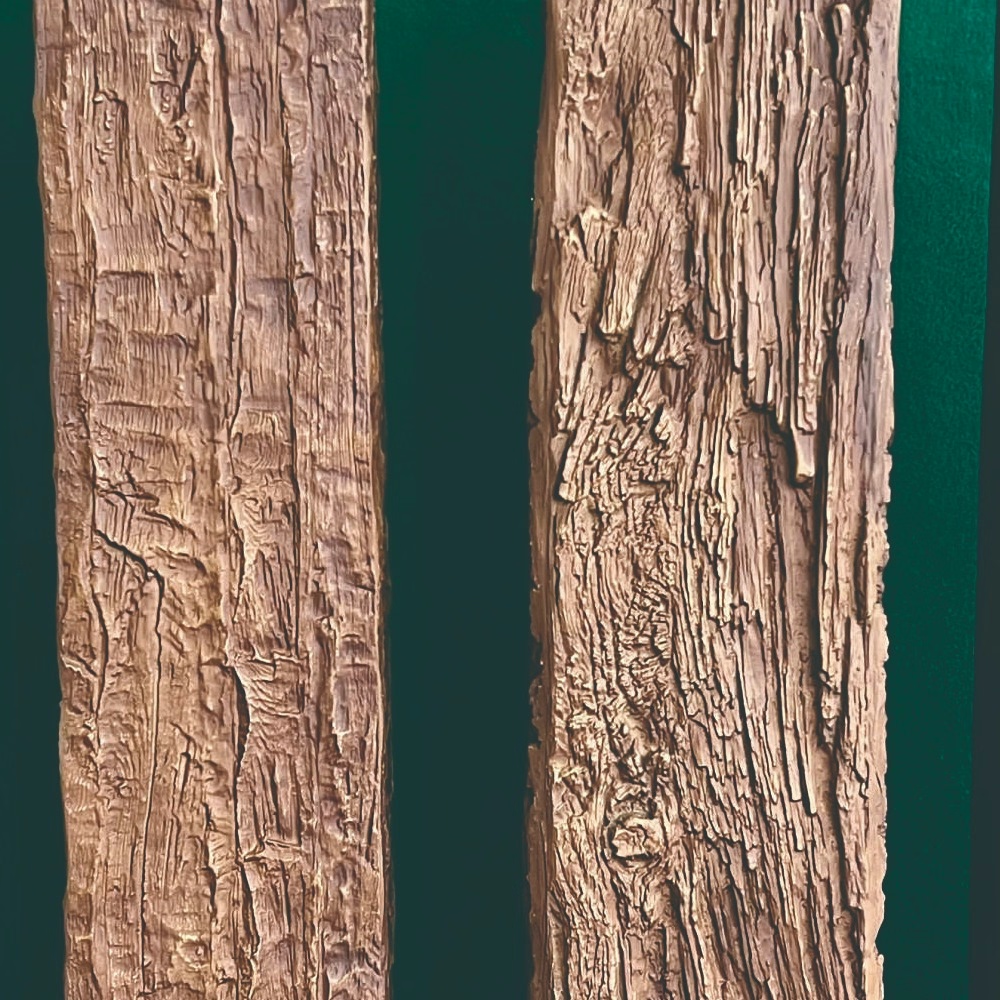
The most memorable interior spaces often emerge from design approaches that resist easy categorization, blending influences in ways that create something greater than the sum of their parts. Vintage distressed texture PU faux wood beams serve these creative ambitions admirably, providing the authentic weathered character that rustic design requires while supporting the playful period references that retro sensibility embraces. When these aesthetic threads intertwine, the result can be spaces that feel simultaneously rooted and inventive—genuine in their material authenticity yet free in their stylistic interpretation.
Retro-rustic decor finds inspiration across decades of American vernacular design, combining the resourceful aesthetics of earlier eras with contemporary practical sensibilities. This design philosophy values character accumulation over coordinated perfection, finding beauty in the kind of layered authenticity that assembled environments develop over time. Beams finished with convincing vintage distressing contribute essential material grounding to these eclectic spaces, their authentic textures providing visual anchor for whatever stylistic adventures surround them.
The Character of Retro-Rustic Spaces
Retro-rustic interiors reject the uniformity that contemporary production often imposes, instead embracing variation, imperfection, and material honesty as positive qualities. Walls might feature multiple paint layers revealing themselves through deliberate wear. Furniture collections mix periods and styles without regard for chronological propriety. Textiles and accessories reference decades without committing to any single one. In these accumulated environments, distressed beams provide continuity through authentic material presence.
The warmth that wood surfaces contribute proves essential in retro-rustic contexts. Other materials—metal, plastic, glass—may dominate certain applications, but the organic warmth of wood prevents spaces from feeling sterile or mechanical. Beams specifically, with their substantial presence and dimensional surfaces, establish this warmth at the ceiling plane, affecting the entire room's atmosphere through reflected light and shadow.
The imperfect character of distressed beams aligns perfectly with retro-rustic philosophy that rejects manufactured perfection. Where polished surfaces reveal every fingerprint and mark, textured beams hide minor damage within existing character. Where flawless finishes show age as degradation, distressed surfaces accept continued wear as further character accumulation. This tolerance for imperfection makes distressed beams ideal for lived-in spaces that prioritize authenticity over showpiece presentation.
Designing With Dual Aesthetic Commitments
Successfully blending rustic and retro elements requires understanding what each aesthetic contributes and how they complement rather than conflict. Rustic design provides material authenticity and textural richness—the honest presence of real wood, the dimensional complexity of weathered surfaces. Retro design contributes period references and playful cultural commentary—the accumulated style touchstones that make spaces feel curated rather than accidental.
Beams can serve both commitments simultaneously when their distressing treatment is appropriately specified. The texture should suggest genuine age and authentic material without requiring specific period attribution. A beam that could plausibly have accumulated over decades of farmhouse use fits as comfortably in 1960s retro contexts as in contemporary rustic interpretations. This interpretive flexibility proves valuable in eclectic spaces that resist singular categorization.
Color relationships between beams and surrounding elements require careful attention in retro-rustic applications. Warm wood tones coordinate naturally with earth palettes—terracotta, olive, mustard, rust—that retro sensibilities favor. Vintage appliance colors—avocado green, harvest gold, coppertone—find complementary counterparts in properly selected beam finishes. These color relationships create coherence across diverse elements without demanding strict matching.


Practical Advantages for Active Households
The durability of polyurethane construction proves particularly valuable in retro-rustic spaces that see active family use. Distressed surfaces that show wear gracefully can accept the kind of casual treatment that character-filled spaces inevitably receive. No anxiety about surface damage, no urgent cleaning requirements, no refinishing schedules that would interrupt busy family life.
The easy-care characteristics of polyurethane simplify ownership expectations dramatically. Occasional dusting, occasional cleaning with mild solutions, periodic inspection of mounting security—these minimal requirements leave family time for living rather than maintenance. This practical advantage becomes increasingly valuable as ownership extends across years and decades.
Moisture resistance handles the humidity fluctuations that many rustic property locations experience. Mountain retreats, lakeside cottages, and countryside farmhouses may lack the climate control that urban apartments enjoy. Polyurethane beams maintain stable appearance regardless of these conditions, eliminating concerns about the swelling, warping, or decay that natural wood might suffer under similar circumstances.

Installation Flexibility for Unique Configurations
Retro-rustic interiors often feature ceiling configurations that standard beam installations might not accommodate. Dormered ceilings, sloped rooflines, and irregular room shapes all present challenges that require creative problem-solving. The lightweight construction of polyurethane beams simplifies handling in these challenging configurations, allowing positioning that heavier natural timber might prohibit.
The ability to customize beam lengths through simple cutting enables configurations that pre-manufactured natural timber might not allow. Field adjustment for exact measurements prevents the gaps and awkward joints that inaccurate pre-ordering might create. This installation flexibility proves valuable in older structures where ceiling dimensions may not match standard expectations.
Mounting approaches for polyurethane beams accommodate conditions that natural timber cannot address easily. Curved mounting surfaces, irregular substrate conditions, and creative placement requirements all yield to the mounting techniques that faux beam specialists have developed. This flexibility enables design ambitions that might otherwise prove impractical.
Long-Term Satisfaction and Value
The aesthetic staying power of retro-rustic design ensures that beam installations will remain appropriate far longer than trend-driven alternatives might prove. Unlike style-specific treatments that date quickly, the authentic material character of distressed beams maintains relevance across shifting fashion currents. This longevity makes beam installations sound long-term investments rather than temporary design statements.
The enduring appeal of authentic material presence transcends design fashion entirely. Wood—real or convincingly simulated—communicates something that plastic and metal cannot: connection to natural processes, evidence of organic origin, reminder of the living trees that once stood. This primal appeal ensures that wood-look ceiling beams will continue satisfying aesthetic requirements that no amount of technological advancement will diminish.
Quality construction and materials ensure that investments in distressed faux beams provide lasting value throughout extended service periods. Premium products backed by substantial warranties demonstrate manufacturer confidence that translates into owner satisfaction. The modest premium that quality commands over budget alternatives typically proves economical across lifetimes of service.
Making the Final Selection
Specification decisions for retro-rustic beam projects benefit from clear understanding of how beams will interact with other design elements. Reviewing plans in context—considering how beams will appear against walls, within furniture arrangements, under planned lighting—prevents surprises that might otherwise emerge during installation. This comprehensive consideration ensures that beam selections support overall design objectives.
Sample evaluation provides essential reference for final specifications. Viewing physical products under actual installation conditions reveals qualities that photographs cannot convey—texture depth, color warmth, dimensional presence. This investment in specification due diligence typically prevents costly errors and ensures satisfying project outcomes.
Professional consultation offers valuable guidance for specification decisions, particularly when designers lack extensive beam installation experience. Suppliers and installers who specialize in faux beam products understand the practical considerations that affect long-term satisfaction. Their expertise helps navigate available options toward selections that match project requirements and budget parameters.
Technical References
ASTM standards cited in every specification
Test Data
Lab results from internal testing program
Updated 2026
Reviewed against current product specs


