Farmhouse interiors have experienced a remarkable resurgence over the past decade, with homeowners and designers drawn to their warm, inviting aesthetic that celebrates simplicity and authentic craftsmanship. The heart of any farmhouse design often lies in the ceiling, where exposed structural elements create visual interest and establish the room's character. However, traditional timber beams present significant challenges: they are heavy, expensive, require specialized installation, and demand ongoing maintenance to prevent rot, insect damage, and weather-related deterioration.
This is where vintage faux barn wood polyurethane beams offer an compelling alternative. These engineered products capture the aesthetic richness of aged barn timber with remarkable precision while eliminating virtually all the practical drawbacks of the real thing.
Understanding Vintage Barn Wood Aesthetic
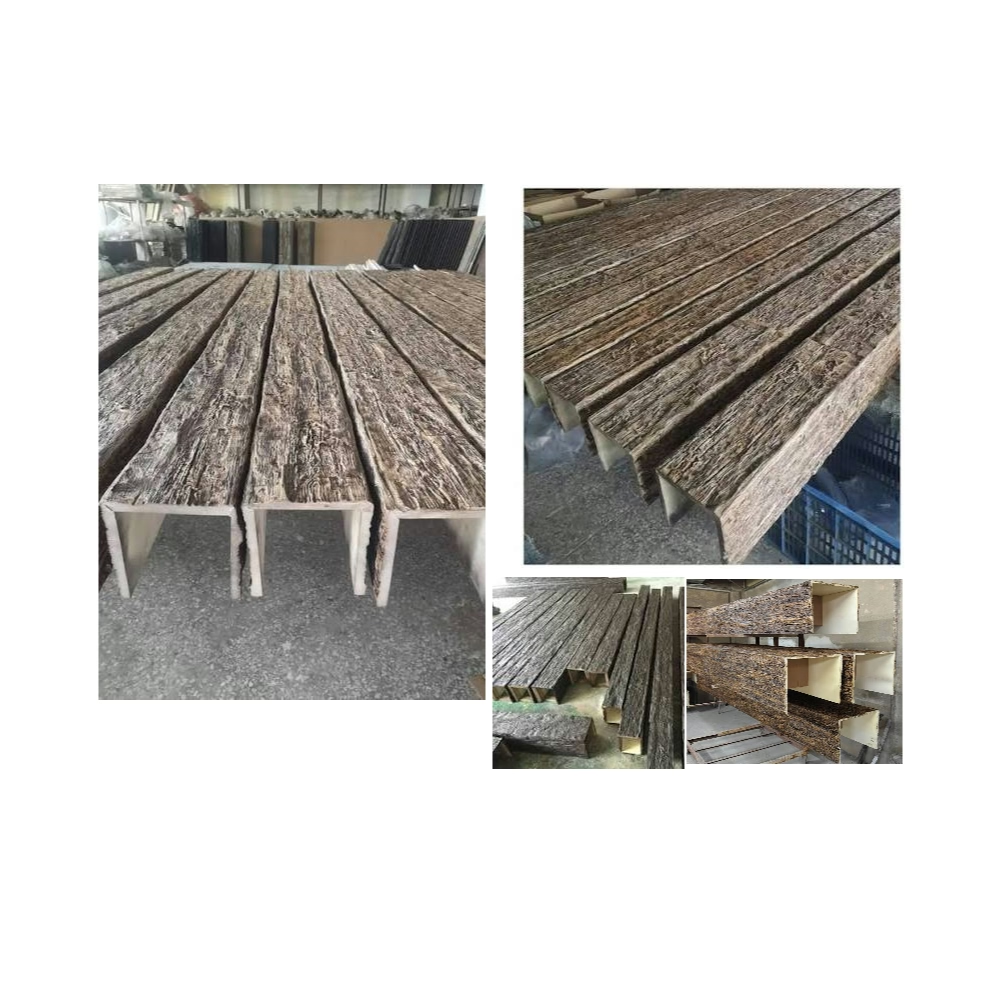
Authentic barn wood develops its distinctive appearance over decades of exposure to the elements. The grain patterns become more pronounced, with weathered grey tones replacing the original wood color. nail holes, saw marks, and color variations tell the story of the wood's previous life. Replicating this level of authenticity requires careful attention to detail during the manufacturing process.
Modern faux beam producers use advanced molding techniques to capture genuine barn wood textures. They study original specimens, photographing and cataloging the subtle variations that make each piece unique. The resulting molds produce polyurethane beams with deeply embossed grain patterns, authentic color gradients, and realistic weathering effects. Some manufacturers even incorporate actual wood dust into the polyurethane mixture, creating a surface that feels remarkably similar to touched wood.
The color palette available in vintage barn wood faux beams typically ranges from silver-grey to warm honey brown, with some products offering multi-tonal finishes that shift from dark to light along the beam's length. This variety allows designers to select pieces that complement their existing color scheme while maintaining the rustic authenticity that defines farmhouse style.
Practical Advantages for Residential Applications
Weight is perhaps the most significant advantage of polyurethane faux beams over traditional timber. A eight-foot section of solid oak beam might weigh 80 to 100 pounds, requiring structural support calculations and specialized mounting hardware. The same length in polyurethane typically weighs under 15 pounds, allowing installation by a single person using standard tools and basic hardware store materials.
The installation process itself becomes remarkably straightforward. Faux beams can be mounted directly to existing ceiling joists using screws or adhesive, concealed behind decorative trim pieces that hide the attachment points. For suspended ceiling installations, hollow beam designs allow for internal wiring that can support light fixtures or ceiling fans without additional structural reinforcement.
Durability represents another meaningful benefit. Polyurethane resists moisture absorption, meaning these beams will not warp, crack, or develop the gaps that plague real wood over time. They are also immune to insect damage and require no sealing, staining, or other maintenance treatments. A light dusting or occasional wiping with a damp cloth keeps them looking fresh for decades.

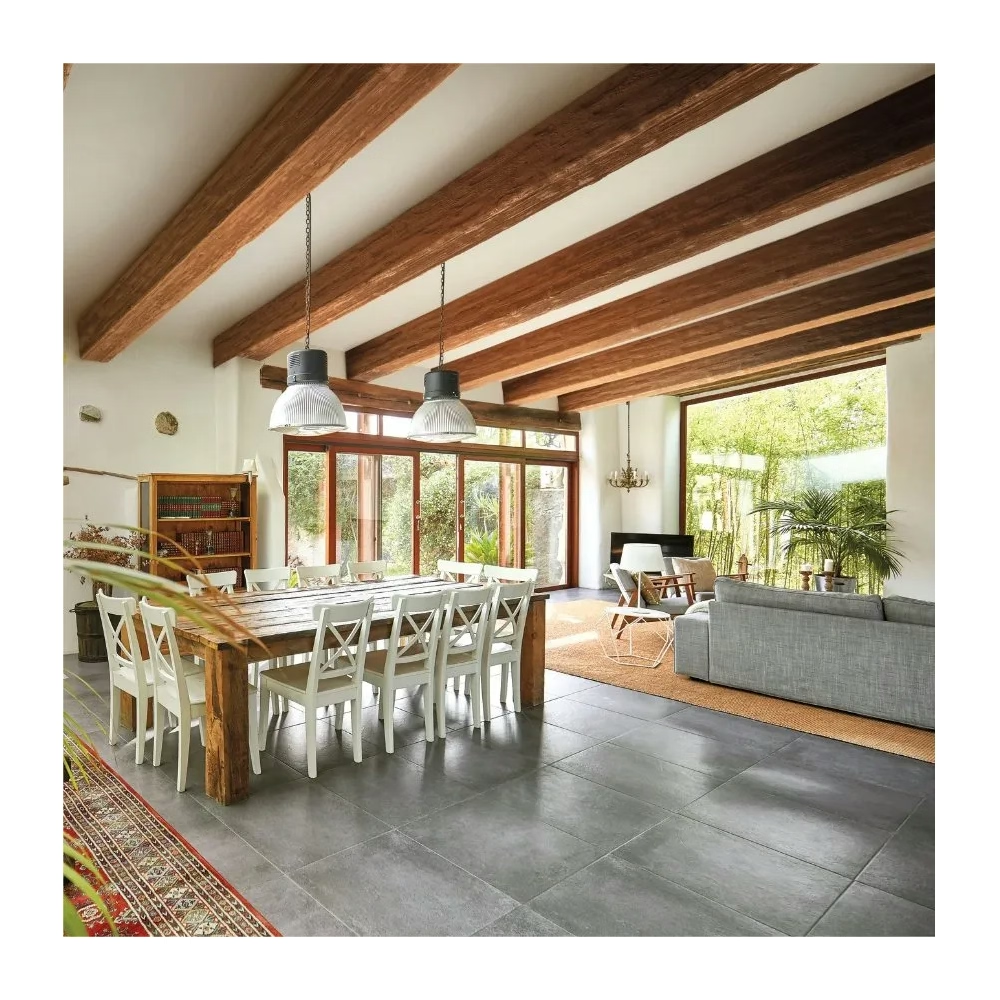
Design Applications in Farmhouse Spaces
Great rooms benefit tremendously from the addition of faux barn wood beams. The expansive ceiling heights typical of farmhouse architecture can feel cavernous without visual elements to break up the space. Beams installed perpendicular to the room's length create a sense of human scale while establishing a framework that organizes the space visually. Running beams across the ceiling also draws the eye upward, emphasizing the vertical dimension that makes great rooms feel so grand.
Kitchens present another natural application. Open shelf arrangements paired with exposed beam ceilings create the functional-yet-beautiful aesthetic that defines modern farmhouse kitchens. The beams provide mounting points for pot racks and pendant lighting while contributing warmth that balances the cool surfaces of stainless steel appliances and stone countertops.
Bedrooms benefit from a lighter touch. A single decorative beam across the ceiling's centerline adds architectural interest without overwhelming the intimate scale appropriate for sleeping spaces. Paired with neutral bedding and natural textiles, these beams establish a cohesive rustic retreat.
Choosing the Right Beam Style
Not all vintage barn wood faux beams are created equal, and selecting the right product requires attention to several factors. Beam profile refers to the cross-sectional shape, with options including simple rectangles, beams with visible support corbels, and more elaborate designs that mimic hand-hewn timber construction. The choice depends on both the existing architectural style and personal preference.
Finish selection should consider the room's overall color palette. Cool grey barn wood tones complement modern farmhouse spaces with white walls and black hardware accents. Warmer honey or amber tones pair better with earthier design schemes featuring cream, tan, and terracotta colors. Some designers opt for beams with more pronounced weathering effects, while others prefer pieces with subtler grain patterns that read as aged without appearing artificially distressed.
Scale matters enormously. A beam that looks substantial in a 2,000-square-foot great room might feel lost in a cavernous barn-style living space, while the same beam could overwhelm a modest-sized bedroom. Measure your ceiling height and room dimensions before shopping, and don't hesitate to request samples so you can evaluate how the beam will look in your specific space with your actual lighting conditions.
Installation Best Practices
Successful faux beam installation begins with careful preparation. Before mounting anything, verify that your ceiling structure can support the intended installation method. While polyurethane beams are lightweight, the mounting hardware and any fixtures suspended from them require proper support. Use a stud finder to locate ceiling joists, marking their positions clearly before beginning.
When cutting beams to length, use a fine-toothed blade designed for synthetic materials. Polyurethane cuts cleanly but can chip if saw teeth are too coarse.Sand cut edges smooth before installation to prevent visible roughness at the joints. For beams that must meet at corners, practice the cuts on scrap material first to ensure clean, tight joints.
The finishing touches matter enormously. Caulk any gaps between beams and the ceiling surface to prevent dust accumulation and maintain the illusion of solid construction. Touch up any minor damage to the beam finish using craft paints that match the original coloring. Take photographs from multiple angles after installation to verify that the result looks natural from every viewing position in the room.

Long-Term Value and Investment Protection
While the upfront cost of quality faux beams might seem comparable to real wood alternatives, the total cost of ownership tells a different story. Real timber requires ongoing maintenance: regular sealing, periodic staining, vigilance against moisture damage, and eventual replacement when deterioration becomes severe. Faux polyurethane beams require no such attention, maintaining their appearance indefinitely with minimal care.
For rental properties, this durability advantage becomes particularly valuable. Tenants cannot be counted on to maintain wood finishes properly, and damage from careless treatment is difficult to repair. Faux beams stand up to tenant use and can be replaced relatively easily if needed, without the specialized skills required for working with real timber.
Environmental considerations also favor the faux option. Every polyurethane beam represents wood that did not need to be harvested, transported, and milled. For environmentally conscious consumers, this indirect benefit may tip the balance toward faux products even when aesthetic preferences might otherwise favor real timber.
Getting Started with Your Farmhouse Project
Beginning a farmhouse ceiling transformation with faux barn wood beams requires careful planning but no specialized expertise. Start by establishing a clear budget that accounts for both materials and any additional hardware or professional installation help you might need. Measure your space carefully, calculating the linear footage of beams required and any corner pieces, corbels, or decorative elements that will complete the installation.
Request samples from multiple manufacturers to compare quality and find the product that best matches your vision. Pay attention to surface texture, color consistency, and edge detail when evaluating samples. A product that looks convincing in a small sample may not scale up well to full-size beams, so ask for photographs of completed installations whenever possible.
Finally, consider whether to tackle the installation yourself or hire help. While the process is straightforward for anyone comfortable with basic home improvement tasks, professional installation ensures clean joints, proper support, and a flawless finished appearance that may justify the additional cost for important spaces like living rooms or master suites.
Vintage faux barn wood beams offer an accessible path to authentic farmhouse character. With thoughtful selection and careful installation, these lightweight polyurethane products can transform any ceiling into a rustic masterpiece that will draw compliments for years to come.
Technical References
ASTM standards cited in every specification
Test Data
Lab results from internal testing program
Updated 2026
Reviewed against current product specs


