The French country interior aesthetic draws from centuries of rural living in the sun-drenched provinces of southern France. Unlike the formal grandeur of Parisian apartments or the austere simplicity of Alpine chalets, French country style embraces warmth, comfort, and the natural beauty of aged materials. Stone walls weathered by generations, wooden furniture shaped by daily use, and the golden light that filters through tall windows all contribute to an atmosphere of cultivated coziness that has captivated designers and homeowners worldwide.
Ceiling beams play a crucial role in achieving authentic French country interiors. In the original farmhouses and manor houses of Provence, these structural elements were typically hewn from local chestnut or oak, their surfaces darkened by decades of smoke and handling. Modern reproductions capture this heritage aesthetic while offering practical advantages that make it accessible to contemporary homes regardless of their construction or location.
The Character of Authentic French Timber
Understanding what makes French country ceiling beams distinctive requires looking beyond simple rustic styling. The beams that define this aesthetic carry the marks of their origins: the particular grain patterns of Mediterranean timber species, the weathering patterns created by warm summers and mild winters, and the accumulated patina of fires burned beneath them over generations.
Châtaignier, or chestnut, represents the traditional beam material throughout much of southern France. This native species produces timber with distinctive longitudinal checks that develop as the wood cures, creating a characteristic checked surface that distinguishes it from other European oaks. The grain tends toward broader patterns than northern European timber, with more pronounced ray figure that catches light in ways that add visual depth.
Oak beams, particularly from the Quercus robur species common to Limousin and surrounding regions, present a different aesthetic. The grain is tighter, more regular, with less dramatic figure but exceptional durability. Many original French oak beams show the effects of centuries of use: smoothing where hands gripped them, darkening near fireplaces and cooking areas, and the gradual development of a deep honey color that suggests the warmth they helped create.
Translating Provençal Style to Modern Settings
Bringing French country authenticity into contemporary spaces requires understanding both the essential characteristics of the style and the practical limitations of modern construction. The goal is not literal reproduction but rather the creation of an atmosphere that evokes the relaxed elegance of rural French living.
Color selection provides one of the most immediate opportunities for French country authenticity. The warm, golden tones of aged chestnut cannot be replicated with generic wood stains or painted finishes. Look for faux beams finished with multiple layered colors that build depth and complexity, including subtle green undertones that recall the patina of old copper and brass fixtures common in French country interiors.
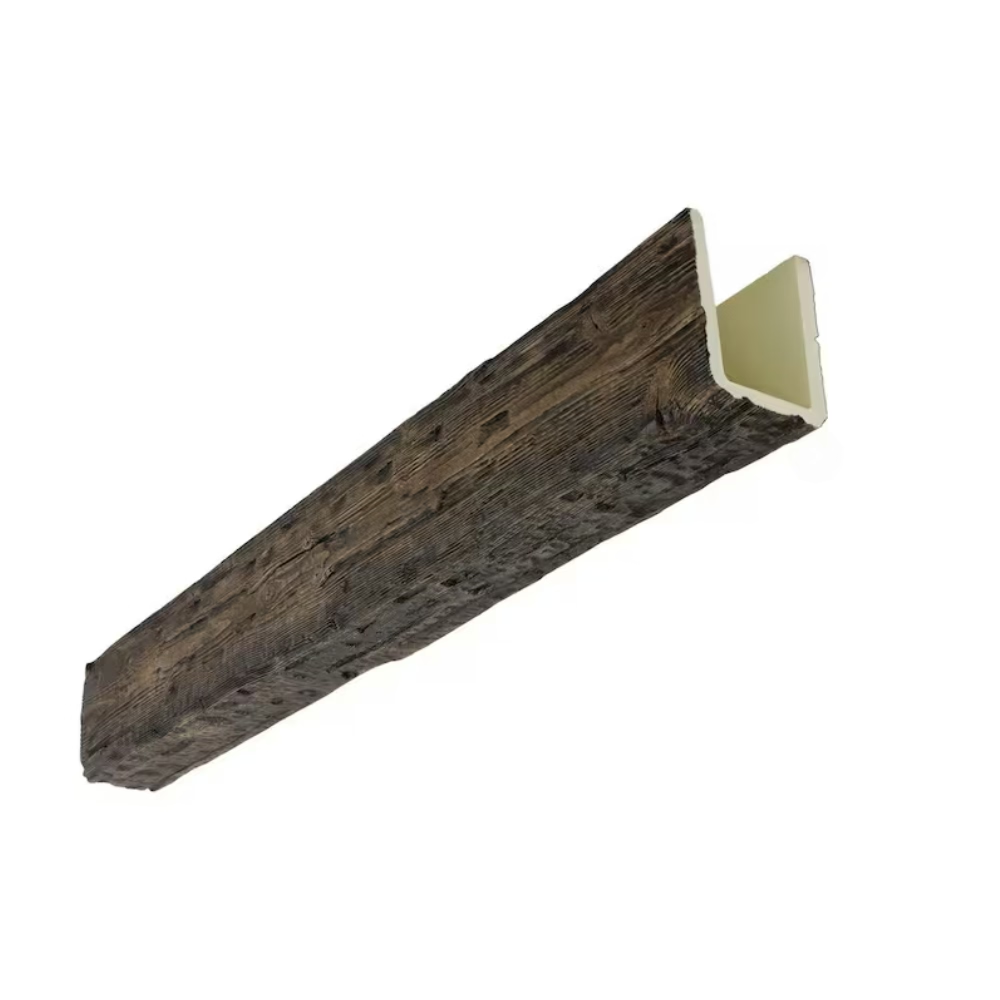
Texture matters equally. The surface of authentic French timber bears the marks of its history: saw marks from period-appropriate milling, the subtle checking of natural curing, wear patterns from generations of contact. Quality faux beams replicate these characteristics through carefully engineered surface treatments that feel genuine to touch as well as to sight.


Spatial Planning for French Country Installations
French country interiors typically feature generous ceiling heights, often eight to ten feet or more in the principal rooms of farmhouses and manor houses. This vertical dimension provides ample opportunity for ceiling beam installations but also creates challenges for achieving appropriate scale. A beam that reads as substantial in a modern eight-foot ceiling may appear lost in a room with fourteen-foot ceilings typical of French country architecture.
Consider the overall proportions of your space when planning beam installation. In rooms with very high ceilings, larger beams or closer spacing between them can help establish appropriate visual weight. Some designers opt for secondary beam systems, with main structural-appearing beams spaced at wider intervals and smaller decorative purlins running perpendicular between them, creating the layered roof structure common in French agricultural buildings.
The relationship between beams and other architectural elements requires thoughtful coordination. French country interiors typically feature window and door trim painted in the same color family as the ceiling beams, creating visual continuity that ties the upper room plane to the wall surfaces. Fireplace mantels, built-in cabinetry, and exposed structural posts should all relate harmoniously to the beam treatment, either through coordinated coloring or through deliberate contrast that reads as intentional design rather than mismatched addition.
Material Choices for Durability and Authenticity
Polyurethane faux beams offer an optimal balance of aesthetic authenticity and practical performance for French country applications. The material accepts detailed surface texturing with precision that captures the finest wood grain characteristics. It can be molded to include traditional joinery details like mortise and tenon connections, scarf joints, and pegged connections that lend an air of authentic craftsmanship.
The finishing flexibility of polyurethane allows manufacturers to create the complex, layered colorations that define French country wood tones. Rather than a single flat color, quality faux beams feature subtle variations that shift across the surface, highlighting raised grain patterns while leaving recessed areas slightly darker. This dimensional coloring creates the visual depth that distinguishes genuine aged timber from flat-painted imitations.
Durability considerations favor polyurethane for most applications. French country interiors often include spaces with varying humidity levels: kitchens where cooking creates steam, bathrooms with shower moisture, and basements with ambient dampness. Real wood responds to these conditions with expansion, contraction, and eventual deterioration. Polyurethane maintains its dimensions and appearance regardless of environmental conditions, ensuring that your installation remains beautiful without ongoing maintenance attention.
Coordinating Beams with French Country Furnishings
The furniture and accessories that populate your French country interior should complement rather than compete with your ceiling beam installation. The goal is creating a cohesive environment where architectural elements and furnishings feel like they evolved together rather than being assembled from disparate sources.
Wooden furniture in French country interiors often features the same species as the ceiling beams, particularly in older pieces passed down through families. When selecting new furnishings, consider woods with similar colorations and grain patterns to your beam finish. Light oak, honey-toned maple, and pale ash can harmonize with appropriate beam finishes while adding variety through furniture form and scale.
Upholstery and textile selections should reference the same warm, earthy palette that characterizes the style. Linens in natural undyed tones, fabrics with subtle stripe or check patterns in muted colors, and leather pieces with gentle patina all contribute to the layered, collected-over-time aesthetic that defines French country living.
Accessories and decorative objects provide opportunities for personal expression within the established palette. Ceramic pottery in Mediterranean colors, vintage copper and brass vessels, woven baskets in natural fibers, and botanical elements like dried lavender or olive branches all reinforce the regional character while adding warmth and livability.
The Installation Process for French Country Spaces
Installing faux beams in French country interiors follows principles common to most ceiling beam applications while requiring attention to some style-specific considerations. The authenticity of the result depends not only on the quality of the beams themselves but also on how thoughtfully they are integrated with the existing architecture.
Begin by examining your ceiling structure to determine the most appropriate mounting approach. French country properties often feature vaulted ceilings, particularly in attic conversions and grander farmhouses. These structural variations affect both the mounting method and the visual relationship between beams and the surrounding ceiling plane. Plan your beam placement to work with the existing structure rather than against it.
Consider the direction of natural light when positioning beams. In authentic French country interiors, beams often align with the primary window wall, creating a visual framework that emphasizes the room's best feature. This orientation also creates interesting shadow patterns throughout the day as sunlight rakes across the beam surfaces, adding dynamic visual interest to the static architectural element.
Finish any adjacent trim work before installing beams. Door casings, window surrounds, and wall base trim should be complete and properly painted so that beam installation can proceed without concern for damaging or covering these elements. This sequencing also allows you to coordinate colors between trim and beams more effectively, making adjustments while both elements are visible and adjustable.
Achieving Lasting French Country Charm
A successful French country ceiling beam installation creates a foundation for the entire interior design. Once established, this architectural framework allows furnishings and accessories to accumulate naturally, creating the layered, personal atmosphere that distinguishes authentic French country spaces from those that merely reference the style superficially.
The durability of quality faux beams ensures that this foundation remains stable over time. Unlike real wood that might crack, split, or develop insect damage, polyurethane maintains its appearance indefinitely with minimal care. This reliability allows you to invest confidently in complementary furnishings and accessories, knowing that the architectural framework will continue supporting the overall composition for decades to come.
Consider how your installation might evolve over time. French country interiors benefit from the gradual accumulation of meaningful objects, family heirlooms, and travel souvenirs that tell the story of the inhabitants. Your beam installation provides the backdrop against which these personal elements will accumulate, growing more characterful and distinctive with each addition.
The warmth and authenticity of vintage faux timber beams can transform any space into a French country sanctuary. With careful attention to proportion, color, and texture, these engineered products create the timeless elegance that has made Provençal interiors enduringly popular with designers and homeowners around the world.
Technical References
ASTM standards cited in every specification
Test Data
Lab results from internal testing program
Updated 2026
Reviewed against current product specs

