The great timber forests of the Pacific Northwest and northern Rocky Mountains once produced wood of extraordinary quality and beauty. Old growth Douglas fir, western red cedar, and related species developed over centuries of slow growth, producing annual rings so tight they were invisible to the naked eye and grain patterns of stunning complexity. This timber built the railroads, mines, and cities of the American West, and remnants of that heritage construction still stand in historic buildings throughout the country.
Modern construction largely abandoned old growth timber in favor of faster-growing second-growth species that produce wood with wider rings, less dramatic figure, and different structural characteristics. The authentic old growth aesthetic has become precious, limited to salvage from historic demolition and a few remaining old growth reserves. For designers seeking old growth character in contemporary applications, PU faux beams engineered to replicate old growth fir textures offer a compelling solution that makes this sought-after aesthetic accessible.
Understanding Old Growth Timber Characteristics
Old growth timber developed its distinctive properties through environmental conditions impossible to replicate in managed forests. Slow growth in dense, competitive forest environments produced wood with exceptional density and stability. The trees themselves were enormous, with trunk diameters far exceeding anything available from contemporary timber harvests. The combination of size and quality produced beams and boards of remarkable proportions and beauty.
The grain patterns of old growth timber reflect this centuries-long development. Subtle undulations follow growth rings that may span decades, creating a flowing quality that distinguishes old growth wood from the straighter, more uniform grain of second-growth material. Occasional irregularities like knots, burls, and reactive wood zones add character that appeals to those seeking authenticity over uniformity.
Color varies by species and exposure but typically runs toward warm amber and honey tones for Douglas fir, with western red cedar presenting richer reddish-brown coloration. These warm hues darken over time with UV exposure and oxidation, developing the deep golden-brown tones that characterize historic old growth timber in situ. The combination of dramatic grain and warm coloration creates the distinctive aesthetic that has made old growth timber prized for centuries.
Replicating Old Growth Character in Polyurethane
Creating faux beams that capture old growth fir aesthetics requires sophisticated manufacturing processes that go beyond simple surface texturing. The most convincing reproductions begin with detailed documentation of authentic old growth specimens, studying the specific characteristics that distinguish these materials from younger wood.
Mold production for old growth faux beams must capture fine grain details with precision. The subtle undulations and flowing patterns that define old growth character exist at relatively small scales, requiring molds made from the highest quality original materials. Some manufacturers use CNC machining to create molds that precisely replicate documented grain patterns, ensuring consistency across production runs while maintaining the essential irregularity that makes old growth wood distinctive.
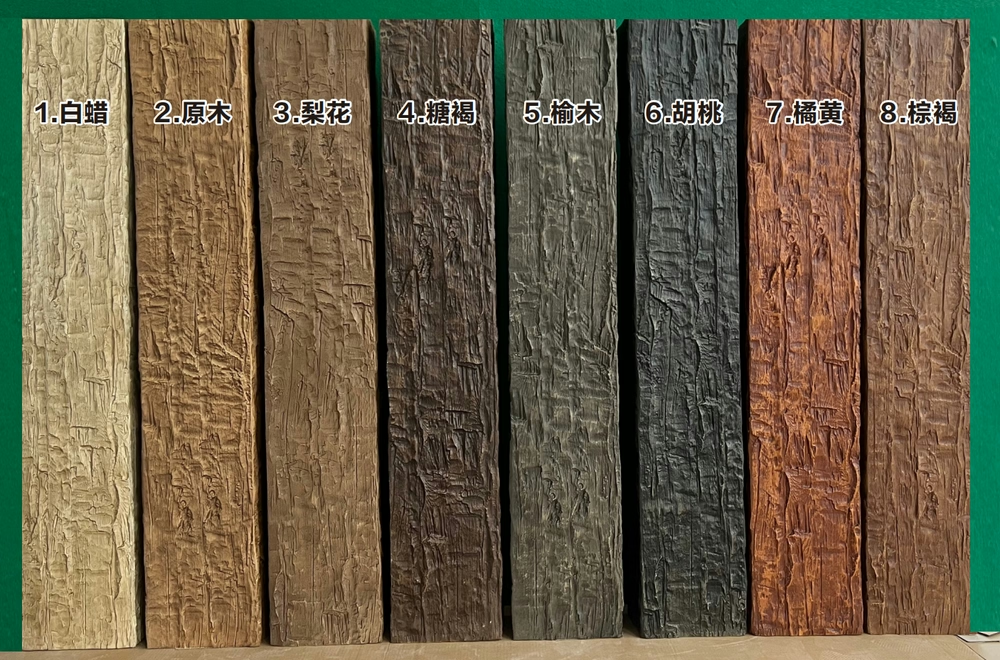
Color application for old growth faux beams typically involves multiple layered steps. Base coats establish the fundamental warm tone, while mid-layer applications introduce the amber and honey variations that distinguish old growth from other wood types. Final toning creates the dimensional depth that prevents surfaces from reading as flat or painted. The result should feel warm to the eye and suggest the light-catching quality of genuine aged timber.
Design Applications for Classic Rustic Interiors
Classic rustic interiors provide natural contexts for old growth fir texture beams, but the aesthetic extends beyond simple cabin or lodge styling. The warmth and character of heritage timber adds depth and authenticity to diverse design schemes, from contemporary interpretations of rustic style to period-accurate restorations of historic properties.
Great rooms and living areas benefit enormously from old growth fir beams. The expansive ceiling heights typical of rustic architecture create opportunities for substantial beam installations that establish strong visual presence. Beams can run continuously across the room's width, creating horizontal lines that ground the space despite its vertical dimension. Alternatively, perpendicular beam systems with main beams and secondary purlins create the layered roof structures common in traditional timber frame construction.
Kitchens with rustic styling gain warmth and authenticity from old growth fir beams. The domestic center of the home, where families gather and meals are prepared, deserves the substantial presence that heritage timber provides. Beams above kitchen islands create natural focal points for pendant lighting, while beams framing cabinet runs help organize the typically complex kitchen ceiling plane.
Bedrooms in rustic homes can incorporate old growth fir aesthetics through scaled-down applications. Rather than comprehensive ceiling treatment, a single prominent beam crossing the room's center adds rustic warmth without overwhelming intimate sleeping spaces. Paired with natural fiber bedding, wooden furniture, and stone or tile accents, these beams establish a cohesive retreat atmosphere.

Material Coordination and Color Matching
Successful old growth fir beam installations require thoughtful coordination with other materials present in the space. The warm amber tones typical of this aesthetic interact with surrounding colors in ways that either enhance or detract from the overall composition.
Stone surfaces in warm earth tones complement old growth fir beautifully. The combination of warm wood and natural stone creates a quintessentially rustic composition that references traditional mountain lodges and rural farmhouses. Consider how your stone fireplace, accent walls, or flooring will relate to your beam finish before finalizing selections.
Metal hardware and fixtures should complement rather than compete with warm wood tones. Black iron and matte bronze fixtures provide sufficient contrast without introducing cold or artificial-feeling elements. For more refined rustic settings, unlacquered brass and aged copper introduce warmth that reinforces the natural palette.
Textiles and upholstery in leather, linen, and wool work naturally with old growth fir aesthetics. These natural materials share the organic, honest character of heritage timber, creating cohesive environments where all elements feel related rather than assembled from different design vocabularies.
Achieving Appropriate Scale
Scale relationships between beams, ceilings, and room dimensions require careful attention to achieve successful rustic interiors. Old growth timber in historic structures typically appears in generous proportions relative to room size, reflecting both the availability of large timber and the structural requirements of the era. Contemporary applications should honor these traditional proportions while accommodating modern ceiling heights and room sizes.
For typical residential ceilings of eight to nine feet, beam dimensions that appear substantial without overwhelming work well. Beams in the six to eight inch range with modest corbel or bracket detailing create presence appropriate to the scale. Very large beams can work in larger rooms or where other elements establish sufficient visual mass to balance the overhead treatment.
Vaulted and cathedral ceilings common in rustic architecture allow more dramatic beam treatments. The increased visual space created by vaulted ceilings can accommodate larger beams, closer spacing, or more elaborate timber framing systems. These architectural variations should inform beam selection rather than being treated as standard ceiling situations with added height.
Installation Approaches for Authentic Results
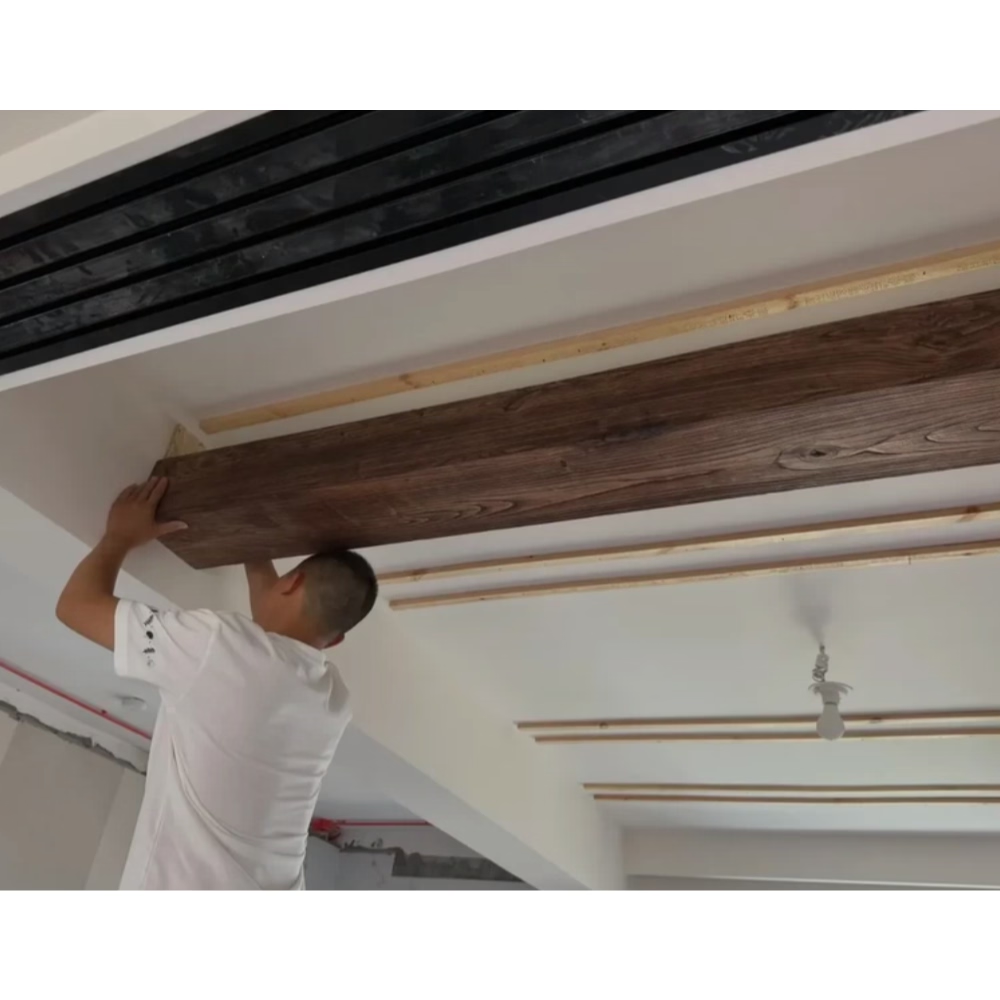
Authentic-feeling installation requires attention to details that distinguish genuine timber construction from superficial beam additions. The transition between beam and ceiling, the treatment of beam ends, and the configuration of beam intersections all contribute to the overall impression of solid construction.
Beam ends deserve particular attention for old growth fir applications. Authentic timber construction typically features some treatment at beam ends: mortised connections, exposed tenons, or simple cut ends that show the wood's grain pattern. These details should be replicated in faux beam installation through appropriate end profiles and any available decorative trim pieces.
Corner and intersection treatments follow traditional timber framing patterns. Where beams meet at right angles, consider whether the connection should appear as a scarf joint, a mortise and tenon, or simple butt ends. The appropriate treatment depends on the overall style of your installation and the level of rustic authenticity you want to achieve.
Joints between beam sections should be positioned thoughtfully to avoid creating obvious repetitive patterns. Stagger joint locations so they don't align across adjacent beams, creating the impression of individually selected pieces rather than uniform production items.
The Value of Heritage Aesthetics
Choosing old growth fir texture faux beams represents a commitment to heritage aesthetics over contemporary alternatives. This choice carries meaningful benefits beyond simple visual appeal, connecting interior spaces to traditions of craftsmanship and material quality that characterize earlier eras.
The environmental dimension of this choice deserves consideration. Every faux beam represents timber that did not need to be harvested, processed, and transported. For environmentally conscious consumers, this indirect benefit may justify the selection of faux materials even when authentic timber might be available.
The accessibility dimension proves equally significant. Old growth timber, when available, commands premium prices that place authentic heritage aesthetics beyond reach for many projects. Faux beams make this aesthetic available at price points that allow broader application and more generous specification.
Long-term value considerations favor faux beams as well. Authentic old growth timber requires ongoing maintenance to preserve its appearance and structural integrity. Faux beams provide permanent aesthetic satisfaction without the maintenance requirements that real timber demands.
Creating Heirloom-Quality Spaces
The combination of authentic old growth aesthetics and modern material performance allows the creation of spaces with genuine heirloom quality. These interiors will not require the gradual replacement and restoration that authentic timber eventually needs, maintaining their beauty indefinitely with basic care.
Consider how your beam installation might evolve over time. Classic rustic interiors benefit from the gradual accumulation of meaningful objects, family treasures, and collected antiques. Your beam installation provides the backdrop against which these personal elements will accumulate, creating spaces that tell stories over generations.
The timeless appeal of old growth fir aesthetics ensures that installations will not feel dated as design trends evolve. Unlike styles tied to specific eras, classic rustic design rooted in authentic timber traditions maintains its relevance regardless of changing fashion. Your investment in old growth fir texture beams will continue providing value and satisfaction for decades to come.
Vintage old growth fir texture beams offer a path to authentic heritage aesthetics. By combining the majestic character of slow-grown timber with the practical benefits of modern materials, these beams enable interiors of genuine quality and lasting beauty.
Technical References
ASTM standards cited in every specification
Test Data
Lab results from internal testing program
Updated 2026
Reviewed against current product specs


