There is something deeply satisfying about a space that shows its age gracefully. Unlike the sterile perfection of contemporary construction, rooms adorned with genuine aged materials communicate history, resilience, and the passage of meaningful time. The weathered surfaces of old timber beams carry stories of the hands that shaped them, the structures they supported, and the countless seasons they weathered before finding their way into interior applications.
Rustic decor celebrates this character rather than concealing it. The aesthetic embraces materials in their natural states, accepting and even cultivating the imperfections that develop through use and exposure. Old timber texture beams serve as anchors for this design philosophy, providing overhead warmth that establishes the room's character while allowing other elements to build upon that foundation.
The Appeal of Aged Timber Aesthetics
Human beings appear wired to respond positively to aged natural materials. Evolutionary psychologists suggest this preference developed because materials that show their age honestly—without hidden rot, structural weakness, or concealed damage—were safer for our ancestors. While modern construction has largely separated living spaces from these survival calculations, the emotional response to genuine aging persists.
Old timber beams trigger this response through multiple sensory channels. The visual appearance of weathered wood, with its subtle color variations and surface irregularities, creates visual interest that perfect surfaces cannot match. The tactile quality of aged wood invites touch in ways that smooth painted surfaces discourage. Even the acoustic properties of timber contribute, absorbing and diffusing sound in ways that create the comfortable atmosphere characteristic of spaces with substantial wood content.
The warmth of timber also affects perceived temperature. Studies have shown that people perceive wooden surfaces as warmer than equivalent temperatures in metal or stone environments, a psychological response that makes timber-rich spaces feel more comfortable at lower heating levels. This perceived warmth extends to visual experience as well, with the amber tones of aged timber creating impressions of comfort and welcome.
Characteristics of Convincing Old Timber Textures
Not all faux timber textures are created equal, and distinguishing authentic-feeling aging from superficial distressing requires attention to specific characteristics. The most convincing old timber reproductions capture the multi-layered process by which genuine aging occurs, rather than simply applying uniform artificial treatment.
Genuine old timber develops surface variations that reflect differential exposure and use. The most exposed surfaces—tops of beams, areas near windows, locations subject to handling—typically show the most pronounced aging. More protected surfaces retain more of their original character, creating natural variation within individual pieces. Quality faux beams replicate this variation through careful finishing techniques rather than uniform treatment.
Grain patterns should be consistent with old timber rather than the straighter, more uniform patterns of young growth material. Old growth and aged timber typically shows more dramatic figure, with pronounced earlywood-latewood contrast and occasional irregularities that add visual interest. The grain should also respond appropriately to lighting, catching and releasing illumination in ways that create subtle movement as viewers change position.
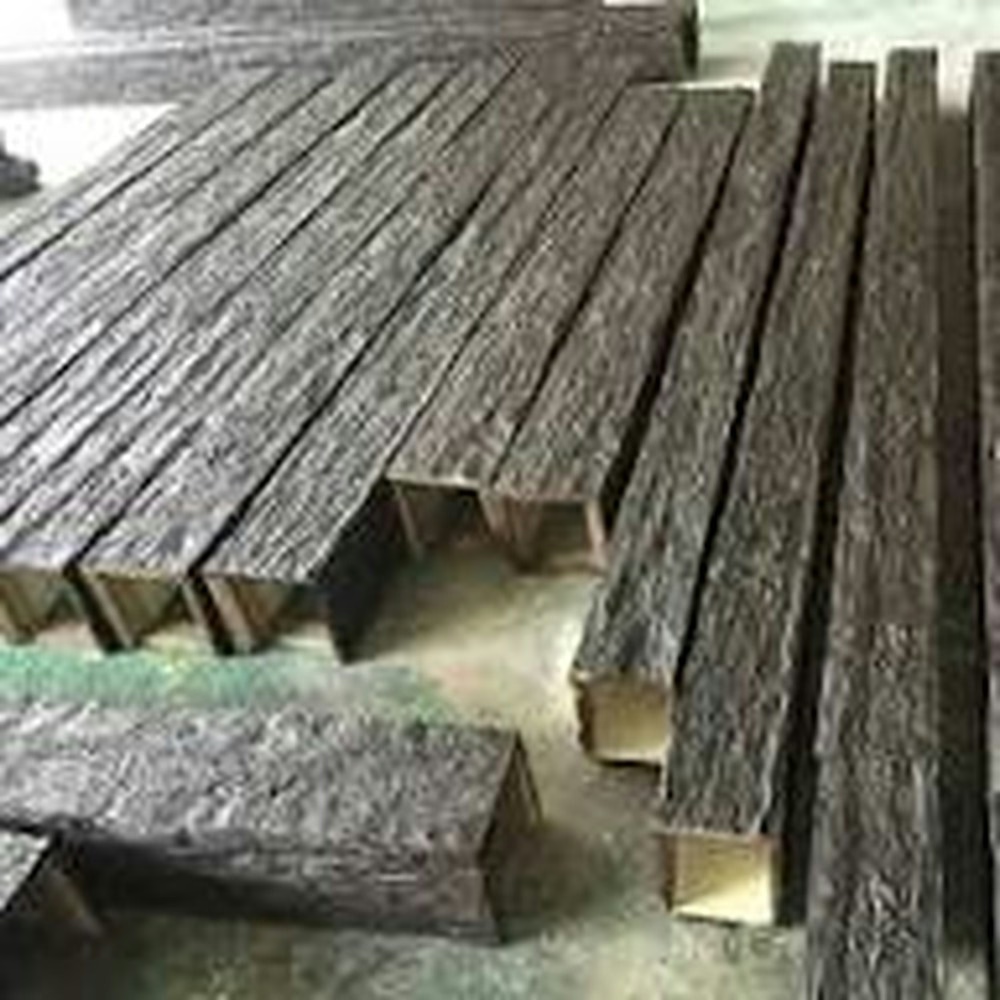
Color development in aged timber follows predictable patterns based on species and exposure. Extractives within the wood darken with oxidation, creating richer tones in the wood's interior. Surface exposure lightens outer layers while leaving deeper tones visible in grain depressions. This dimensional coloration creates depth that single-tone finishes cannot replicate.
Incorporating Old Timber Beams into Various Settings
The versatility of old timber texture faux beams allows application across diverse interior settings. While rustic cabin and lodge environments provide the most obvious context, these beams work equally well in unexpected applications that bring warmth to contemporary or transitional spaces.
Farmhouse and country interiors embrace old timber aesthetics naturally. The connection between farmhouse architecture and timber construction runs deep, with generations of farm buildings constructed using on-site timber that was felled, milled, and erected by local craftsmen. Old timber beams honor this heritage while providing the practical benefits that modern farmhouse construction requires.
Modern rustic interiors blend contemporary design principles with rustic material choices. Clean lines and minimal ornamentation characterize these spaces, with timber beams providing the primary decorative element. The juxtaposition of contemporary furniture and traditional timber creates visual tension that keeps the design fresh and interesting rather than nostalgic or dated.
Transitional spaces that occupy middle ground between traditional and contemporary benefit from the grounding effect that old timber beams provide. Rather than committing fully to either aesthetic vocabulary, these spaces use timber to establish warmth while allowing other elements to express contemporary sensibilities.

Planning Your Installation
Successful beam installation begins with careful planning that considers both aesthetic goals and practical constraints. The most beautiful beams will fail to deliver satisfaction if improperly sized, incorrectly positioned, or poorly integrated with surrounding elements.
Begin by assessing your ceiling structure to understand what mounting approaches will be possible. Identify joist locations, note any existing ceiling covering, and measure the clearances around light fixtures, HVAC registers, and other ceiling-mounted elements. These practical considerations will inform beam selection and placement.
Determine the overall design intent for the space. Are beams meant to be a dominant architectural feature or a subtle supporting element? Will they work in combination with other rustic materials like stone or brick, or will they provide the primary rustic accent in an otherwise neutral environment? Answering these questions helps establish appropriate beam scale, spacing, and finish selection.
Consider how beams will interact with other design elements in the space. Light fixtures, ceiling fans, and other suspended elements should align with beam placement or be positioned to avoid awkward relationships. Window locations and the direction of natural light affect how beam shadows will appear and should inform orientation decisions.
Selecting Appropriate Beam Profiles
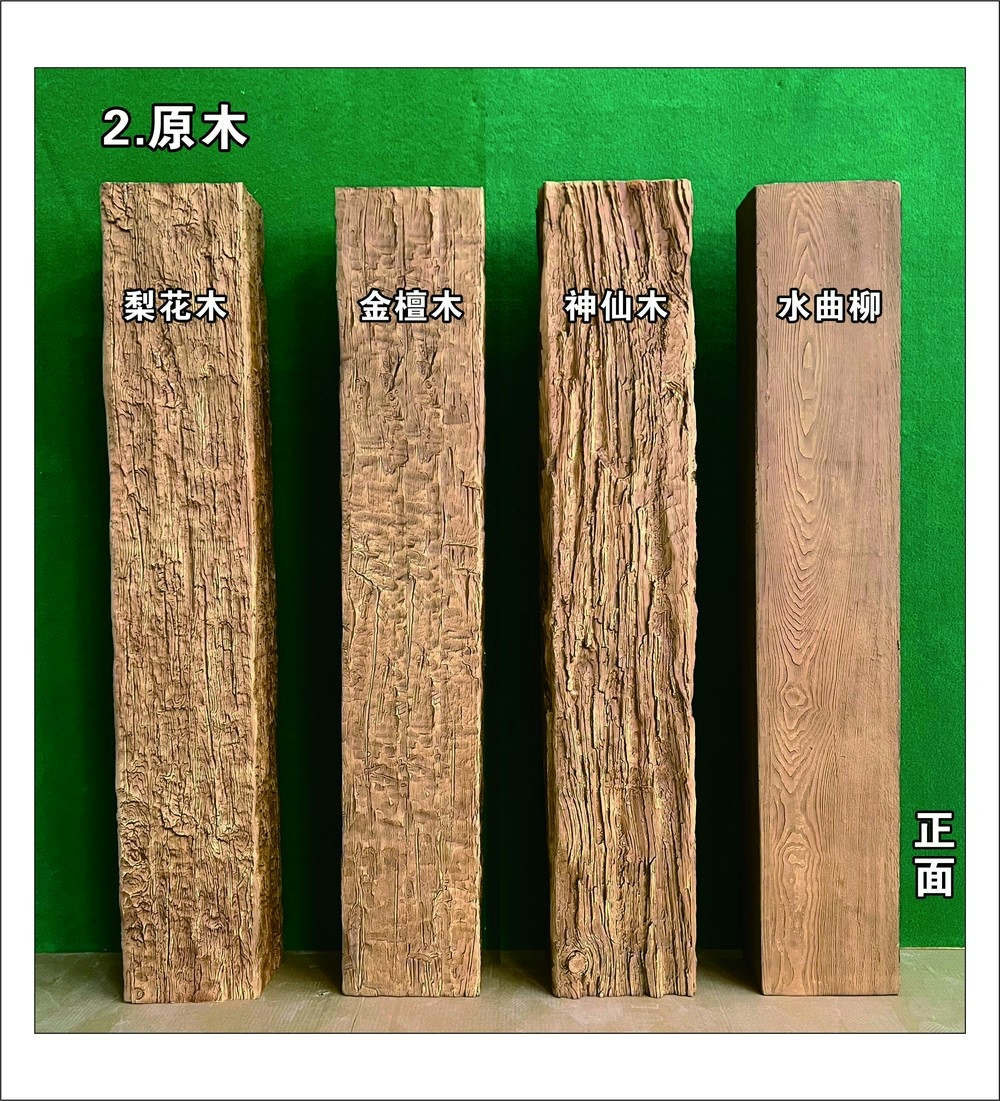
The cross-sectional profile of beams significantly affects their visual impact and period appropriateness. Different profiles convey different architectural eras and construction methods, so selection should consider the overall style you want to achieve.
Simple rectangular beams with clean edges work well in contemporary rustic settings where the emphasis is on material warmth rather than historical accuracy. These profiles read clearly as beams without introducing decorative complexity that might compete with other design elements.
More substantial beams with visible corbels or knee braces suggest traditional timber frame construction. These heavier profiles work best in spaces with higher ceilings or where the beams will serve as a dominant design feature. The additional visual weight helps these beams hold their own against other substantial elements like large fireplaces or extensive stone surfaces.
Hand-hewn profiles replicate the appearance of beams shaped by axes rather than saws. The characteristic flat spots and irregular surfaces of hewn timber add authentic rustic character that distinguishes these profiles from machine-produced alternatives. These beams work particularly well in settings that reference pre-industrial construction methods.
Achieving Seamless Integration
The difference between professional-quality beam installations and amateur efforts often lies in the small details that ensure seamless integration with surrounding architecture. Attention to these details elevates the result from "beams added" to "timber construction restored."
Joints between beams and at corners deserve careful attention. Where beams meet, consider whether the connection should be visible or concealed. Exposed joints that show the beam's cross-section add authentic detail but require precise cutting and fitting. Concealed joints create cleaner lines but may require additional trim work to hide the junction.
The transition between beam and ceiling should be handled thoughtfully. In authentic timber frame construction, this junction often featured a small trim piece or molding that created a clean separation between the heavy timber and the lighter ceiling material. Replicating these details adds authenticity without significant cost or complexity.
Beam ends at walls require similar consideration. The cut end of a timber typically shows grain patterns different from the beam's face, creating natural visual interest. Faux beam reproductions should replicate these characteristics through appropriate end profiles and color treatment.
Maintenance and Long-Term Care
One of the primary advantages of polyurethane faux beams over genuine timber is minimal maintenance requirements. Once installed, these beams continue looking their best with only occasional basic cleaning, avoiding the ongoing attention that real wood demands.
Regular dusting removes the accumulated particles that can dull wood surfaces over time. For beams in kitchens or other areas subject to grease or cooking residue, occasional cleaning with appropriate products maintains appearance without damaging finishes. Always test cleaning products on inconspicuous areas before applying them to visible beam surfaces.
Inspect installations periodically for any signs of attachment failure, particularly in the first years after installation. Address any gaps, sagging, or movement promptly to prevent more serious problems. The lightweight nature of polyurethane beams means that even significant attachment failures are unlikely to create safety hazards, but proper maintenance extends the installation's useful life.
Quality faux beams maintain their appearance for decades without the periodic refinishing that genuine timber requires. This durability makes them particularly suitable for hard-to-access locations like vaulted ceilings where ongoing maintenance would be difficult and expensive.
Building Lasting Rustic Spaces
Old timber texture beams provide a foundation for interior designs that will age gracefully alongside the beams themselves. Unlike trend-driven styles that require updating as tastes evolve, rustic aesthetics rooted in genuine material character maintain their appeal across generations.
Consider how your space might evolve over time. Rustic interiors benefit from the accumulation of meaningful objects, family heirlooms, and collected antiques. Your beam installation provides the backdrop against which these personal elements will gather, creating spaces with increasing depth and character.
The investment in quality old timber beams pays dividends over the long term. Spaces with authentic-feeling timber elements create lasting impressions that visitors remember. The warmth and character of aged wood creates atmospheres that synthetic materials cannot replicate, making the choice to incorporate genuine-feeling timber aesthetics a choice that continues providing value for years to come.
Vintage old timber texture faux beams offer an accessible path to authentic rustic atmosphere. By capturing the weathered character of heritage timber in a practical, durable format, these beams enable spaces that speak to something deep in our collective appreciation for honest materials and meaningful aging.
Technical References
ASTM standards cited in every specification
Test Data
Lab results from internal testing program
Updated 2026
Reviewed against current product specs


