European architecture has employed oak timber construction for millennia, developing a design vocabulary that continues to influence contemporary interiors. The great cathedrals, manor houses, and farmsteads of England, France, Germany, and beyond featured oak beams of impressive scale and refined joinery. These structures demonstrated that timber could achieve elegance as readily as rusticity, a lesson that modern designers increasingly embrace.
The aesthetic refinement of old-world European oak differs markedly from the rustic timber aesthetics popular in American design traditions. Where American rustic styles often celebrate weathering, distressing, and the marks of use, European traditions frequently valued the wood itself—its grain, color, and natural beauty—overapplied treatment or artificial aging. This preference for refined expression of material quality defines a distinct design vocabulary that old-world oak faux beams enable.
The Character of European Oak
European oak, primarily from the Quercus robur species common throughout the continent, produces timber with distinctive characteristics shaped by the relatively mild maritime climate of western Europe. The slow growth produced by competitive forest environments created dense, tight-grained wood prized for both structural and aesthetic qualities.
The color palette of European oak typically runs toward warm honey and golden-brown tones, darker than the pale colors of American white oak but lighter than the rich reds of American red oak. These warm tones develop beautifully with oil finishing, deepening to rich amber that designers have prized for centuries. The grain pattern is relatively subtle compared to more dramatic species, with consistent figure that creates refined rather than busy visual texture.
Joinery in European timber construction was often as refined as the material itself. Mortise and tenon joints, dovetail bracing, and complex scarf connections demonstrated the skills of master craftsmen while serving essential structural functions. These details became characteristic of the style, with exposed joinery elements adding visual interest to timber frames that might otherwise appear simple.
Replicating Refined European Aesthetics
Creating convincing old-world oak faux beams requires attention to the subtle refinements that distinguish European timber aesthetics from more rustic alternatives. The emphasis should be on authentic wood character rather than artificial aging or dramatic distressing.
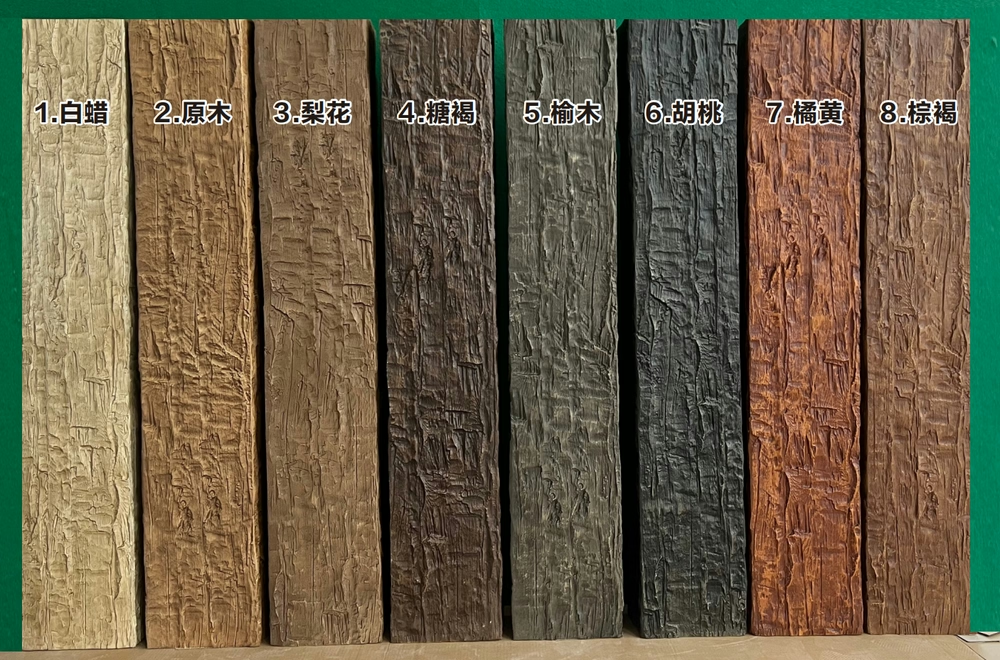
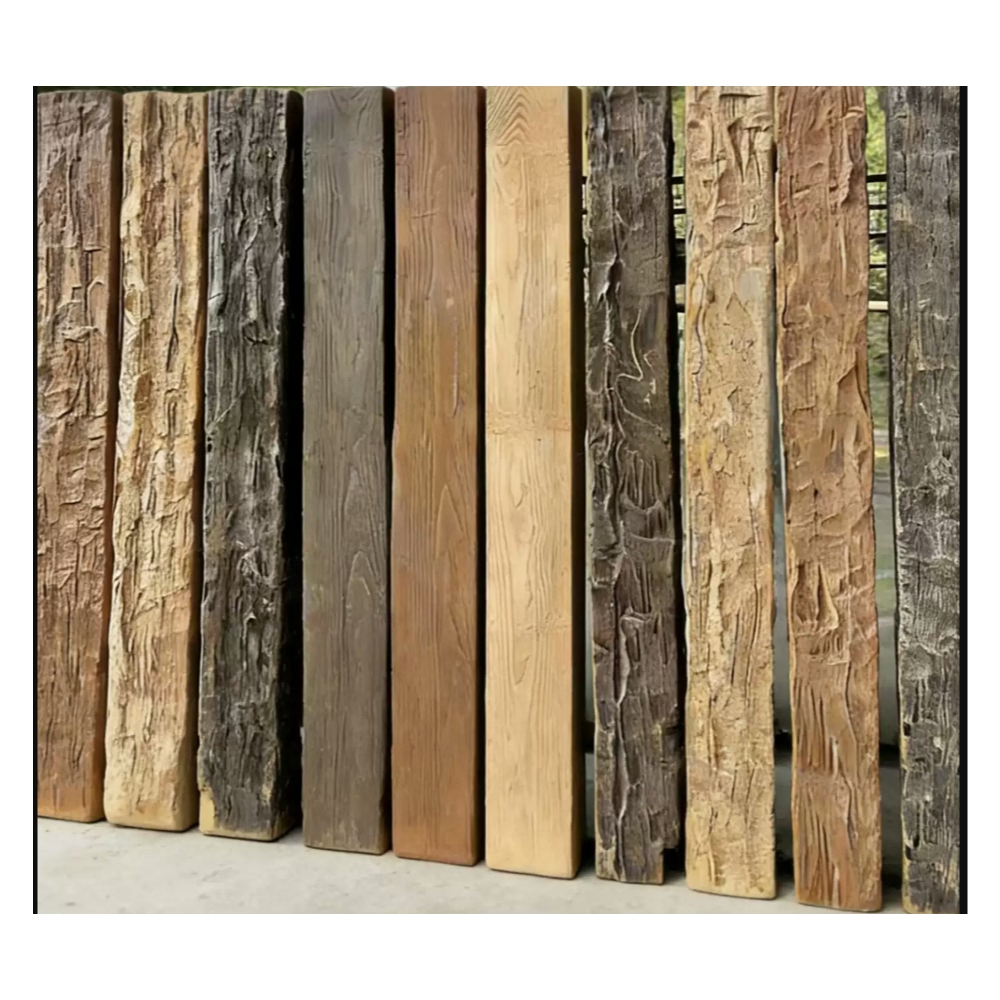
Color selection for European oak faux beams should capture the warm, honey-toned palette of properly finished heritage timber. The base color should present golden undertones without the grey weathering or brown staining that characterizes rustic barn wood applications. Layered finishing techniques create the dimensional coloration that distinguishes genuine oak from flat-painted imitations.
Grain reproduction should emphasize the refined, consistent patterns of European oak rather than the dramatic figure of species like oak or ash. The surface texture should feel smooth and refined, with subtle grain that invites touch rather than the pronounced texture of rustic applications. Quality molds capture authentic European oak grain with sufficient detail to satisfy close inspection while maintaining the refined overall character.
Joinery details deserve particular attention for European applications. Exposed tenon ends, pegged connections, and similar traditional joinery elements add authentic character when properly executed. These details should be integrated into the beam design rather than applied as superficial decoration, creating the genuine impression of traditional timber construction.
Design Applications for European Interiors
Old-world oak beams suit applications where refined elegance takes precedence over rustic character. These beams work beautifully in spaces inspired by European traditions: English manor houses, French château, German farmhouses, and the countless variations that regional European architecture has produced.
Formal living rooms benefit from the sophisticated presence that oak beams provide. The warm, refined character elevates these spaces without the heaviness that more rustic alternatives introduce. Beams can serve as the room's primary decorative element while allowing antique furnishings and refined textiles to complement rather than compete with the overhead treatment.
Dining rooms with European-inspired styling gain architectural presence from old-world oak beam installations. The substantial but refined character of these beams creates appropriate gravitas for spaces where formal entertaining occurs while maintaining the warmth that encourages lingering conversation.
Bedroom suites gain intimate warmth from oak beams scaled appropriately for private spaces. A single prominent beam or smaller secondary beams can add architectural interest without overwhelming the relaxed atmosphere appropriate for sleeping quarters.

Coordinating with European Design Elements
Successful old-world oak beam installations require coordination with other elements that define European-inspired interiors. The warm, refined character should be supported rather than competed with by surrounding materials and furnishings.
Plaster walls in period-appropriate tones complement oak beams beautifully. The warm whites, cream tones, and subtle color variations of traditional European plaster work naturally with the honey tones of oak. Contemporary flat paints in appropriate colors can achieve similar effects while offering the practical benefits of modern formulations.
Stone and tile floors in warm earth tones provide grounded warmth that supports oak overhead. Flagstone, terracotta, and similar traditional flooring materials have been used with oak timbers for centuries, creating proven combinations that feel authentic. More contemporary flooring options should be selected with attention to how their colors and textures relate to the oak palette.
Fabric and upholstery selections should draw from the refined traditional palette. Velvet in deep jewel tones, silk damask in complementary colors, and leather in warm browns all reinforce the European aesthetic. Window treatments in luxurious fabrics add finishing touches that complete the refined atmosphere.
Period-Specific Considerations
European timber design varied significantly across regions and eras, with specific characteristics defining different national and regional traditions. Understanding these variations helps select beams appropriate to the specific European style being referenced.
English timber construction from the Tudor and Stuart periods featured characteristic exposed timber frames with prominent blackened beams contrasting against white plaster walls. The oak of these periods often showed dramatic color variation as different wood sections oxidized at different rates. Reproduction beams for these applications should capture this characteristic contrast.
French oak traditions, particularly in château and manor house architecture, often featured more refined joinery with beams that were smoothed and finished rather than left rough. The oak color palette in these applications typically ran toward lighter honey tones than the darker English tradition. Reproduction beams for French applications should emphasize refinement and consistent coloring.
German and Alpine timber traditions frequently combined oak with softwoods like spruce and pine, creating mixed-beam installations with distinct color variations. These combinations offer opportunities for authentic-feeling installations that reference the practical realities of traditional construction where multiple species were employed based on availability and suitability.
Scale and Proportion for European Applications
European timber construction typically featured proportions that reflected both structural requirements and aesthetic preferences of the era. Understanding these proportions helps ensure that reproduction installations achieve appropriate period authenticity.
Beams in traditional European construction were often substantial relative to room dimensions, reflecting both structural requirements and the desire for impressive scale. Reproduction installations can reference these proportions while adjusting for modern ceiling heights and room sizes. The goal is creating presence that suggests the substantial timbers of historic construction without overwhelming spaces designed for contemporary use.
Beam spacing in European traditions varied based on structural system and aesthetic preference. Close spacing created visual richness typical of medieval and early modern construction. Wider spacing maintained openness while still providing substantial overhead structure. The choice depends on the specific period being referenced and the overall design intent.
The depth of beams relative to their width affects the impression of mass and solidity. Deep, narrow beams create different visual effects than shallow, wide beams of equivalent cross-sectional area. European traditions typically employed deeper proportions than modern construction, creating the substantial appearance that characterized historic timber frames.
Maintenance and Care
Polyurethane old-world oak faux beams require minimal maintenance to preserve their refined appearance. The material resists moisture, insects, and surface degradation, maintaining dimensional stability and color consistency indefinitely with basic care.
Regular dusting maintains the refined surface quality that distinguishes European oak aesthetics. Unlike rustic applications where some additional texture might be appropriate, European oak installations benefit from pristine surfaces that reflect the original design intent.
The warm honey finish of quality faux oak beams resists fading and yellowing that can affect genuine oak over time. This color stability ensures that installations maintain their intended appearance regardless of light exposure or aging effects that might alter genuine wood coloration.
Creating Timeless European Atmospheres
Old-world oak beams provide foundations for interiors that reference centuries of European design tradition. The refined character ensures that these spaces feel timeless rather than tied to specific historical periods, allowing accumulated furnishings and accessories to create personal narratives within the established framework.
The warm, welcoming character of European oak helps create spaces conducive to the gatherings and activities that European interiors traditionally supported. The great hall, the dining room, the library—these spaces were designed for human use and connection, with timber providing warmth and presence that supported those activities.
Modern interpretations of European oak aesthetics can incorporate contemporary elements while maintaining the essential character that makes these traditions enduringly appealing. Lighting, furniture, and accessories from any period can find appropriate context within interiors anchored by old-world oak beam installations.
Vintage old-world oak faux timber beams offer an accessible path to classic European elegance. By capturing the refined character of heritage European timber construction, these beams enable spaces of genuine sophistication and lasting appeal.
Technical References
ASTM standards cited in every specification
Test Data
Lab results from internal testing program
Updated 2026
Reviewed against current product specs


