Retro aesthetics have demonstrated remarkable staying power in bar and hospitality design. Rather than fleeting trend, the appeal of spaces that reference beloved past eras reflects genuine human desire for the comfort of familiar forms. Bars styled after specific decades or traditions create atmosphere that transcends mere decoration, evoking the social rituals and cultural contexts that gave those styles meaning.
The 1970s wood-paneled tavern, the 1950s diner with chrome accents, the Victorian pub with dark wood and brass fixtures—each of these aesthetic traditions offers templates for bar interiors that connect with customers emotionally. Retro styling leverages these templates while adapting them to contemporary expectations for comfort, functionality, and accessibility.
The Appeal of Retro Bar Aesthetics
Understanding why retro aesthetics resonate helps create bar interiors that feel authentic rather than superficial. The goal is capturing the essential character that made these styles meaningful rather than merely replicating surface appearances.
Nostalgia creates emotional connections that purely contemporary designs cannot match. People associate retro styles with memories of parents, grandparents, earlier periods of their own lives, and cultural moments that shaped their identities. Bars that evoke these associations create emotional environments that encourage the social bonding that pub culture values.
Authenticity matters in retro styling. Surfaces that appear obviously artificial, proportions that feel wrong, or details that reference the wrong era can undermine the nostalgic effect. Quality faux beams with appropriate finishes and proportions contribute to authenticity by providing visual substance that supports the overall styling.
Timelessness distinguishes successful retro interiors from dated period pieces. The best retro bars feel like they could have existed in their referenced era while satisfying contemporary expectations for comfort and functionality. This balance requires careful attention to which elements are essential to the aesthetic and which can be updated for modern sensibilities.
Retro Beam Characteristics
Retro bar aesthetics suggest specific beam characteristics that support authentic period styling. These characteristics should inform selection alongside practical requirements for commercial applications.
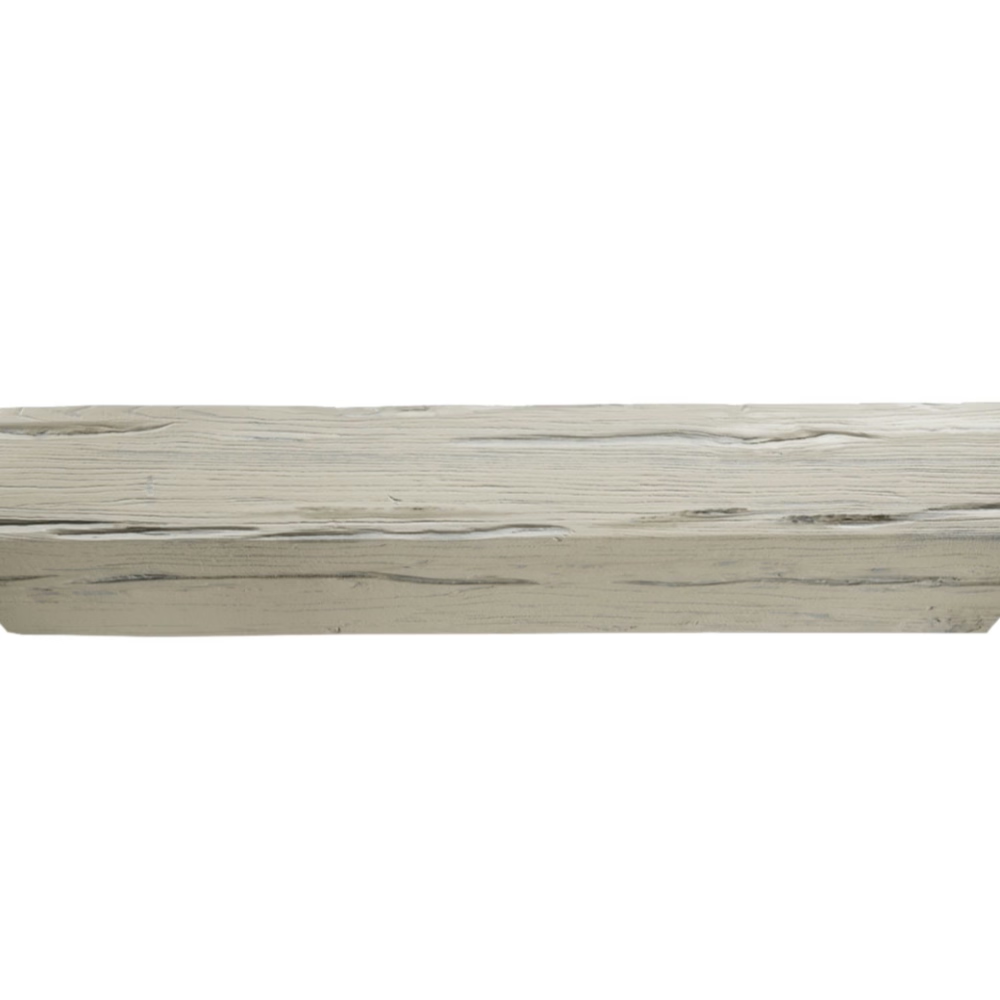
Period-appropriate finishes define the retro aesthetic more than any other characteristic. The warm amber tones of 1970s wood paneling differ markedly from the rich browns of Victorian timber or the honey colors of mid-century modern applications. Match beam finishes to the specific retro tradition being referenced rather than selecting generic rustic styling that might reference multiple eras confusingly.
Surface textures should align with period expectations. Earlier eras featured timber that was often painted or varnished rather than left raw. 1950s and 1960s applications frequently used painted beams in colors that matched or contrasted with surrounding surfaces. Later decades often featured darker stains with varying degrees of sheen. Select textures and finishes that align with the specific period.
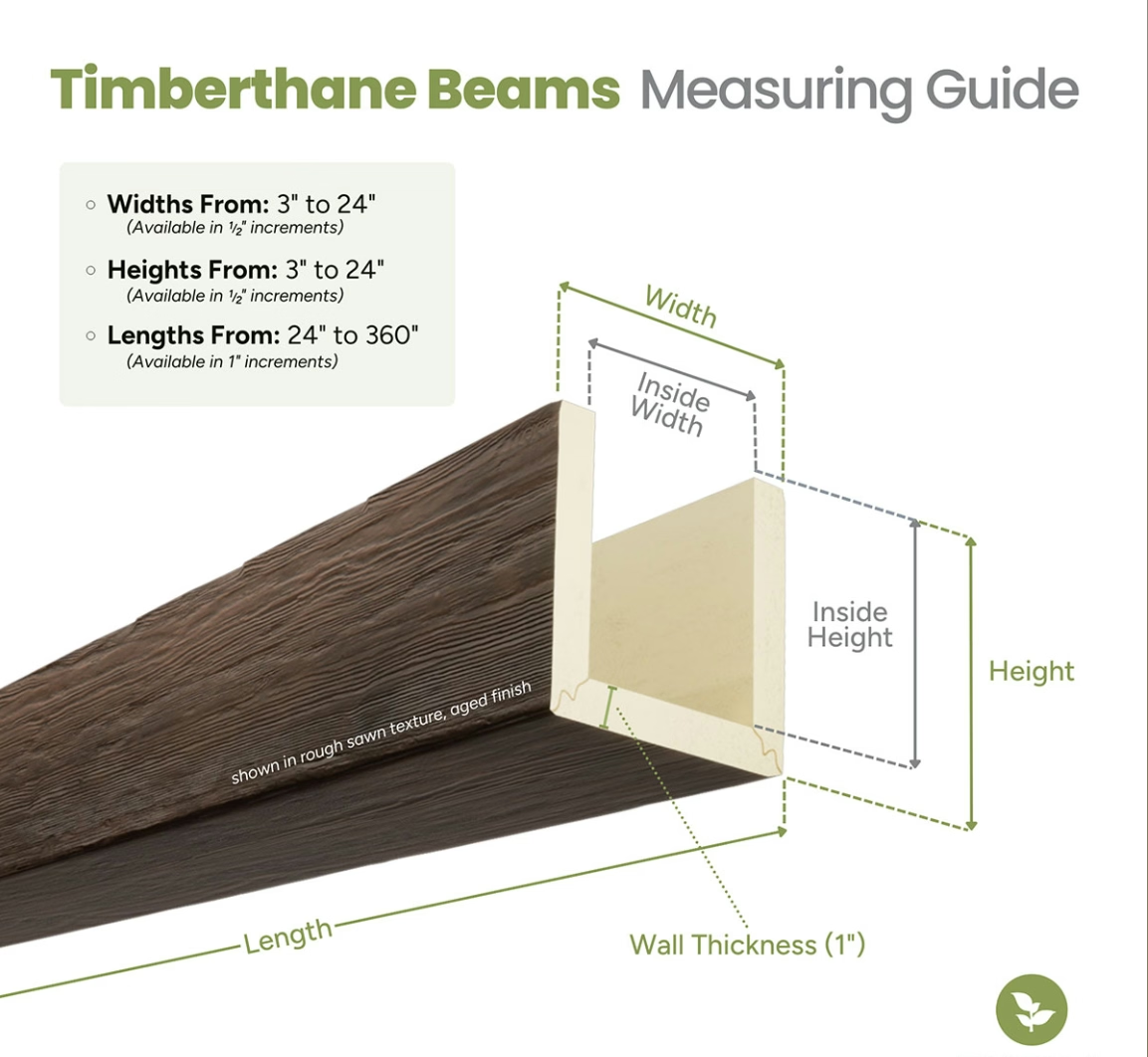
Proportions in retro bars often followed structural requirements of the original construction rather than aesthetic preferences. Victorian bars might feature substantial timber reflecting the construction methods of the era. Mid-century modern interiors favored cleaner lines with more restrained proportions. Understand the specific period's construction practices when selecting beam sizes.
Reference Periods for Bar Styling
Different retro periods offer distinct aesthetic templates, each suggesting different beam treatments and overall design approaches. Understanding these periods helps create authentic-feeling interiors that reference the intended era convincingly.
Victorian and Edwardian-era references draw on the golden age of British pub culture, featuring dark wood, brass fixtures, and ornate detail. Beams in these applications should be substantial with refined joinery details, finished in rich dark tones that suggest generations of polish and use. The overall effect should be sophisticated warmth rather than rustic casualness.
1950s and 1960s American diner aesthetics feature chrome, neon, and warm wood tones that create energetic, optimistic atmosphere. Beams in these applications might be simpler, perhaps with subtle curves or period-appropriate trim details. The wood tones should reference the honey and amber colors common to mid-century applications rather than the darker finishes of earlier periods.
1970s tavern aesthetics embrace wood paneling, earth tones, and casual comfort that created the neighborhood gathering places of that era. Beams might feature darker finishes with visible grain patterns, substantial proportions that dominated lower ceilings, and installations that created intimate zones within larger spaces.

Creating Authentic Period Atmospheres
Authentic retro interiors require attention beyond beam selection to the complete composition of materials, colors, and details that create convincing period atmosphere.
Wall treatments significantly affect how beams read in the overall composition. Period-appropriate wall finishes—wood paneling, tile, painted plaster in specific colors—establish context that beams either reinforce or undermine. Consider wall treatment selection alongside beam specification rather than treating these elements independently.
Flooring contributes to period authenticity alongside overhead structure. Checkerboard patterns, wood parquet, and classic carpet styles each suggest different eras. Beam colors and styles should complement flooring choices, creating coherent period compositions rather than conflicting references.
Lighting choices should align with the referenced era while satisfying contemporary requirements. Period fixtures might be reproduced or salvaged for authentic effect, or contemporary fixtures with period styling might provide similar atmosphere with better performance. The specific approach depends on budget constraints and availability of appropriate period fixtures.
Mixing Retro Elements
Successful retro bars often combine elements from different periods or traditions, creating hybrid aesthetics that feel curated rather than confused. This mixing requires careful attention to composition and proportion.
Select one period as the dominant reference and add secondary elements from complementary traditions. A primarily 1970s bar might incorporate Victorian dark wood elements or mid-century modern lighting fixtures, creating interest through variety while maintaining overall coherence. The key is ensuring that secondary elements support rather than contradict the primary reference.
Color coordination becomes critical in mixed-period interiors. Different eras favored different color palettes, and combining these palettes requires careful attention. Sometimes unifying through a single color family—browns, ambers, or earth tones—provides coherence. Alternatively, strong contrasts between periods can create deliberate visual tension that adds interest.
Proportion balance between different period elements helps create visual harmony. A predominantly mid-century modern interior with Victorian beam elements needs careful proportioning to prevent the heavier Victorian pieces from overwhelming the lighter mid-century aesthetic. Sometimes scaling down secondary elements helps maintain appropriate balance.
Practical Considerations for Retro Bars
Retro styling does not免除 practical requirements for commercial applications. These considerations should inform design alongside aesthetic goals.
Durability in high-traffic environments requires attention to material performance that pure aesthetics might overlook. Quality faux beams provide the durability needed for busy establishments while maintaining the appearance that retro styling requires. Specify products that satisfy both aesthetic and performance requirements.
Cleaning requirements in food service environments affect material and finish selection. Surfaces that can be cleaned easily maintain their appearance better than those requiring special care. Consider cleaning protocols during specification rather than discovering incompatibility after installation.
Code compliance cannot be sacrificed for aesthetic goals. Fire ratings, accessibility requirements, and other code provisions must be satisfied regardless of styling direction. Quality faux beam manufacturers provide products that meet commercial code requirements, allowing aesthetic goals to be pursued within regulatory constraints.
Maintaining Retro Character Over Time
Retro bars that achieve success face the challenge of maintaining authentic character as trends evolve around them. Beam installations should support long-term atmosphere rather than requiring frequent updates.
Timeless beam aesthetics that reference established periods age better than those tied to specific momentary trends. Victorian and mid-century modern references have proven durability over decades; overly stylized references to specific years may feel dated more quickly.
Material durability ensures that beam installations continue looking their best despite years of use and cleaning. Quality polyurethane beams maintain appearance indefinitely with basic care, avoiding the deterioration that might compromise authentic character.
Adaptability allows retro bars to evolve without losing essential character. Beam installations that can accommodate furniture changes, lighting updates, and color scheme refreshes provide flexibility that supports long-term success. The beams themselves should remain constant while supporting elements can change around them.
Creating Lasting Retro Atmospheres
Retro bar design succeeds when it creates spaces that feel genuinely evocative rather than superficially decorative. Beams contribute fundamentally to this authenticity, providing overhead presence that establishes atmosphere at the level of first impression.
Consider your target audience and their relationship to different retro periods. Different generations connect with different eras, and beam styling should reference periods that resonate with the customers you want to serve. A bar targeting younger customers might reference 1990s aesthetics; those serving older clientele might emphasize earlier periods.
The investment in quality retro beam installation pays dividends in lasting atmosphere that generates customer loyalty. Spaces that feel genuinely evocative create emotional connections that transcend mere functionality, transforming bars into destinations worth seeking out and returning to.
Vintage PU faux wood beams enable retro bar interiors that transport customers to cherished eras. By combining authentic period character with commercial-grade durability, these beams create spaces that honor the past while serving the present.
Technical References
ASTM standards cited in every specification
Test Data
Lab results from internal testing program
Updated 2026
Reviewed against current product specs


