Retro design has established itself as a permanent fixture in the interior design landscape, offering escape from the purely contemporary aesthetics that dominate new construction. Spaces styled after beloved past eras create emotional connections that transcend mere visual appeal, referencing memories, cultural moments, and the familiar comfort of styles that shaped generations. The reclaimed lumber aesthetic contributes fundamentally to this nostalgic atmosphere, bringing authentic aged character that defines many of the most cherished retro interior traditions.
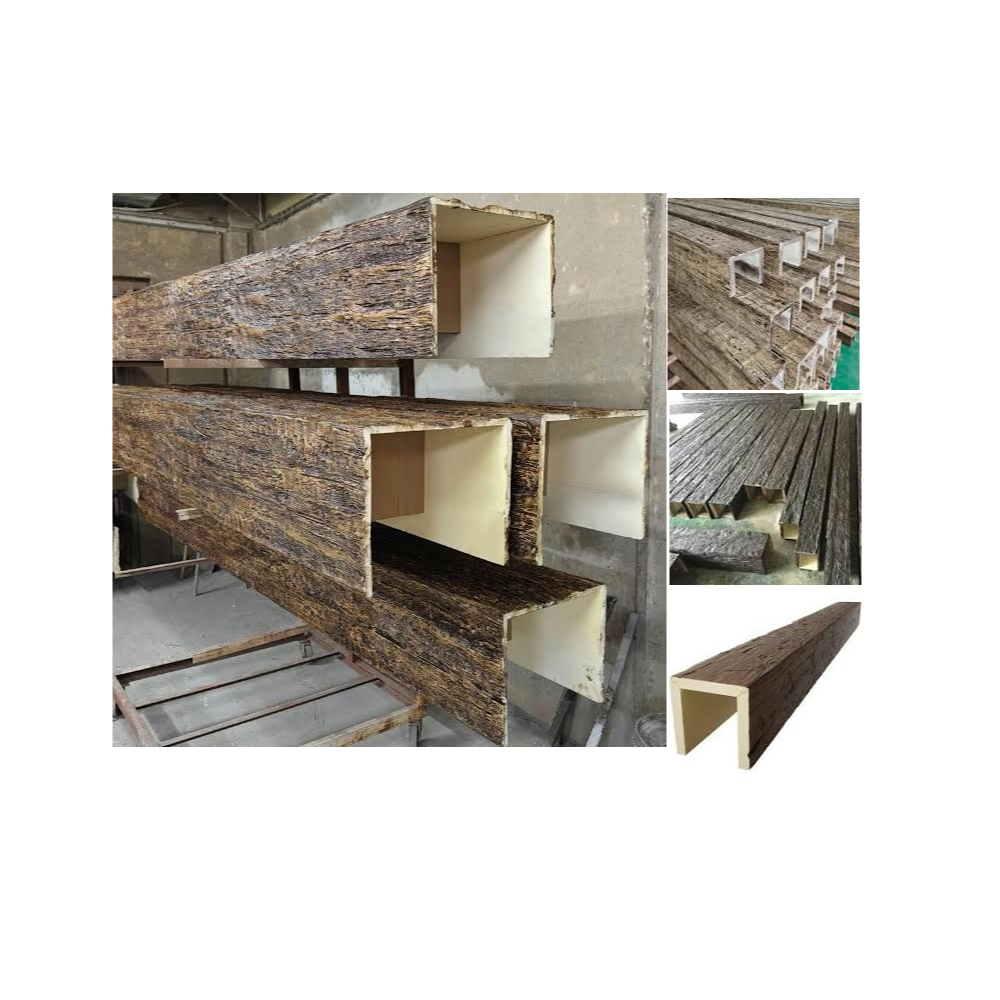
Incorporating genuine reclaimed timber into retro designs presents practical challenges that faux alternatives resolve elegantly. Availability constraints, dimensional limitations, and cost factors that escalate with specification requirements can undermine even the most carefully planned retro designs. Vintage reclaimed style faux beams capture the essential character that makes reclaimed timber irreplaceable while enabling practical implementation across diverse applications.
The Retro Aesthetic and Reclaimed Timber
Retro interior design draws on specific eras, each with distinctive characteristics that define its visual identity. Understanding these period-specific associations helps select reclaimed faux beams that support authentic retro styling.
Mid-century modern aesthetics reference the optimistic design culture of the 1950s and 1960s, featuring clean lines, organic forms, and the warm wood tones that characterized post-war American optimism. Reclaimed faux beams for these applications should present warmer, less weathered tones than rustic applications might suggest. The emphasis is on authentic wood character rather than extreme aging effects.
1970s retro styling embraces the earth tones, wood paneling, and casual comfort that defined that decade's interior culture. Reclaimed beams in these applications might show more pronounced aging, reflecting the wood paneling and exposed timber that characterized authentic 1970s construction. The overall effect should be warm and inviting rather than sophisticated or refined.
Victorian-influenced retro aesthetics reference the dark wood, brass fixtures, and ornate detailing of late nineteenth-century design. These applications call for darker reclaimed faux beam finishes with more dramatic color variation, creating the richness that Victorian interiors established as standard.
Creating Nostalgic Atmosphere
Retro interiors succeed when they create genuine emotional resonance rather than superficial period references. Reclaimed beams contribute to this authenticity by providing the material presence that makes retro styling convincing.
Material authenticity distinguishes successful retro interiors from costume decoration. Spaces that achieve genuine character feature materials that feel like they belong together, as if accumulated over time rather than assembled from disparate sources. Reclaimed faux beams provide this authenticity by presenting wood character that reads as genuine regardless of close inspection.
Layered character develops through the combination of multiple aged elements. A reclaimed beam installation combines with aged furniture, vintage accessories, and worn floor surfaces to create compositions that feel naturally evolved. Each element contributes to the overall authenticity without any single piece bearing the entire weight of creating period atmosphere.
Subtle nostalgia often works better than aggressive retro styling. Spaces that reference periods gently, with reclaimed character providing warmth rather than dominating the composition, appeal to broader audiences than those that attempt complete period recreation. This restraint allows contemporary functionality alongside nostalgic atmosphere.

Beam Selection for Retro Applications
Retro styling suggests specific beam characteristics that support authentic period atmosphere. These characteristics should inform selection alongside practical requirements and budget considerations.
Color palettes for retro applications should align with the specific period being referenced. Mid-century applications favor honey and amber tones; 1970s references embrace earth tones and golden browns; Victorian influences call for rich, dark finishes. Select beam finishes that match period expectations rather than choosing generic rustic styling.
Texture levels depend on the specific retro tradition and the overall composition. Some retro styles feature relatively smooth wood surfaces that were common in the referenced era. Others embrace more pronounced texture that developed through use and exposure. Understand the specific character being referenced before selecting texture levels.
Proportions in retro styling often reference the construction practices of the referenced era. Victorian timber was typically more substantial than modern construction; mid-century modern favored cleaner, lighter proportions. These historical precedents guide appropriate beam sizing for authentic period effect.
Integration with Retro Furnishings
Retro interiors feature distinctive furniture styles that beams must coordinate with to create cohesive compositions. This coordination requires attention to color, period, and overall aesthetic compatibility.
Mid-century modern furniture pairs naturally with reclaimed faux beams in warm, relatively smooth finishes. The clean lines of Eames-era pieces complement rather than compete with beams that present refined wood character. This combination creates sophisticated spaces that reference the period while satisfying contemporary expectations for comfort and functionality.
1970s furniture often features wood tones and textures similar to reclaimed faux beams, creating potential for either harmonious integration or overwhelming repetition. Balance reclaimed beam installations with furniture and accessories in complementary but distinct tones, preventing visual monotony while maintaining period coherence.
Victorian-influenced furniture in dark wood and upholstered styles requires careful integration with reclaimed beams to avoid creating spaces that feel oppressively heavy. Lighter wall colors, brass accents, and fabric textures provide visual relief that allows dark reclaimed elements to contribute richness without dominating.

Period-Specific Design Elements
Retro styling involves more than beam selection; authentic period interiors incorporate multiple elements that reference the chosen era. Understanding these supporting elements helps create cohesive retro compositions.
Lighting fixtures in appropriate period styles reinforce beam aesthetics while providing functional illumination. Mid-century spaces benefit from atomic starburst fixtures, globe lights, and other iconic period designs. 1970s applications feature pendant fixtures, frosted globes, and the warm ambient lighting that defined that era. Victorian references might incorporate brass fixtures with fabric shades or period-appropriate gas-style reproductions.
Wall treatments significantly affect how reclaimed beams read in the overall composition. Period-appropriate wall colors, textures, and treatments establish context that beams either reinforce or undermine. Mid-century applications favored warm neutrals and bold accent colors; 1970s spaces embraced wood paneling, harvest gold, and avocado green; Victorian interiors featured rich wallpapers and elaborate moldings.
Flooring choices contribute to overall period authenticity alongside overhead structure. Hardwood floors in appropriate finishes, period-style carpeting, or original surface treatments all support the overall retro aesthetic. Consider how flooring will coordinate with beam selection for comprehensive period coherence.
Balancing Retro and Contemporary Elements
Successful retro interiors often incorporate contemporary elements that provide functionality while retro styling establishes atmosphere. This balance requires careful attention to composition and proportion.
Functional elements that could not have existed in the referenced era require thoughtful integration. Modern HVAC systems, electrical requirements, and technology infrastructure all demand features that period interiors did not anticipate. These elements should be concealed or integrated in ways that minimize their visual impact while satisfying functional requirements.
Contemporary furniture pieces can coexist with retro styling when selected thoughtfully. Clean-lined contemporary pieces in complementary materials provide functionality without strong period commitment, allowing the overall composition to remain coherent. Avoid furniture that makes strong period claims in directions different from the primary retro reference.
Color balance between retro and contemporary elements creates visual harmony. The warm, often darker palette of retro styling might need brightening with contemporary accents in clean whites or unexpected brights. This balance prevents retro interiors from feeling oppressive or overly nostalgic while maintaining the atmosphere that makes them appealing.
Maintenance and Longevity
Retro interiors should age gracefully, developing character that enhances rather than undermines the overall aesthetic. Beam selection affects how well spaces maintain their intended appearance over time.
Quality reclaimed style faux beams maintain their appearance indefinitely with basic care, avoiding the deterioration that might compromise retro authenticity. Unlike genuine reclaimed timber that continues aging after installation, quality faux products remain stable, preserving the specific character that made them attractive at specification.
Cleaning requirements for retro interiors should be considered during planning. Spaces styled for nostalgic authenticity need surfaces that can be maintained without constant attention. Polyurethane beams tolerate appropriate cleaning without damage, supporting maintenance protocols that preserve authentic character.
The durability of quality faux beams ensures that retro aesthetics persist across the installation's useful life. Unlike decorative elements that might need replacement as they wear, architectural beams provide permanent character that justifies the investment in complementary furnishings and accessories.
Creating Lasting Retro Spaces
Retro interior design succeeds when it creates spaces that feel genuinely evocative rather than merely referencing surface appearances. Reclaimed faux beams contribute fundamentally to this authenticity, providing the material substance that makes retro styling convincing.
Consider your specific connection to the retro period being referenced. Spaces that reference eras you know from personal experience benefit from authentic detail that resonates with your memories. References to earlier periods might require more research to capture accurately, but the emotional impact can be equally powerful.
The investment in quality reclaimed faux beams pays dividends in lasting retro atmosphere. Spaces that achieve genuine nostalgic character generate emotional responses that pure contemporary design cannot match, creating environments worth living in and returning to.
Vintage reclaimed lumber style faux beams enable retro interiors that capture beloved past eras authentically. By combining genuine aged character with modern material performance, these beams create spaces that honor the past while serving present needs.
Technical References
ASTM standards cited in every specification
Test Data
Lab results from internal testing program
Updated 2026
Reviewed against current product specs


