There's something deeply satisfying about walking into a room where the ceiling tells a story. The weathered grain of aged timber, the subtle imperfections that speak of decades past—these elements transform ordinary spaces into places with genuine character. Vintage reclaimed lumber style faux wood ceiling beams offer exactly that aesthetic without demanding the structural considerations or ongoing maintenance that accompany genuine reclaimed wood.

The appeal of reclaimed lumber goes beyond mere aesthetics. Those nail holes, saw marks, and color variations represent history in physical form. When you incorporate vintage-style faux beams into your ceiling design, you're not just adding decoration—you're introducing a narrative element that grounds your space in authentic craftsmanship traditions.
The Evolution of Faux Beam Technology
Modern manufacturing has revolutionized how we approach rustic ceiling design. Polyurethane-based faux beams have emerged as the preferred choice for designers and homeowners who want the look of reclaimed timber without the associated challenges. The material allows for incredibly detailed replication of wood grain patterns, knots, and texture variations that characterize genuine reclaimed lumber.
What makes contemporary faux beams remarkable is their ability to capture subtleties that earlier synthetic alternatives missed entirely. Advanced molding techniques extract texture data from actual reclaimed wood samples, ensuring that each beam carries the authentic imperfections buyers expect from vintage materials. The result is a product that fools even experienced woodworkers at casual glance.
Weight considerations further distinguish modern faux beams from their predecessors. Genuine reclaimed beams of meaningful size require substantial structural support—additional framing, specialized mounting systems, sometimes even engineering assessments. Faux alternatives weigh a fraction of their wood counterparts, typically mounting with straightforward bracket systems that skilled do-it-yourselfers can install successfully.
Design Applications Across Living Spaces
Kitchen installations represent one of the most popular applications for vintage-style faux beams. The warmth they introduce counterbalances modern appliances and sleek surfaces, creating visual breathing room that prevents contemporary kitchens from feeling sterile. A beam running perpendicular to exposed cabinetry draws the eye across the space, establishing rhythm and visual flow.

Great rooms and open floor plans benefit tremendously from beam installations that define separate functional zones without physical barriers. A beam crossing from living area into dining space creates subtle territorial boundaries that help large, open spaces feel organized rather than cavernous. This zoning approach works particularly well in new construction where homeowners want farmhouse aesthetics in contemporary layouts.
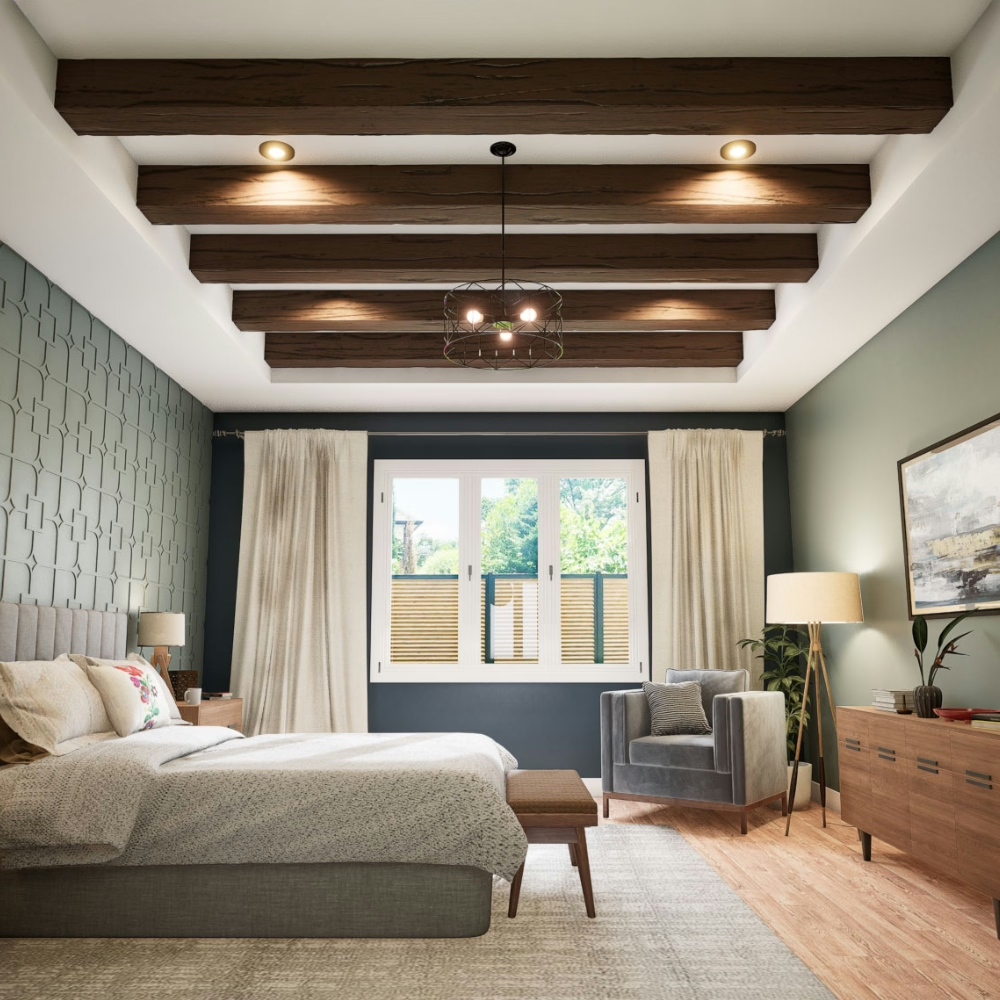
Bedroom applications offer different advantages. Vaulted ceilings that might feel expansive and impersonal gain intimacy when beam details introduce texture at the eye level. The wooden ceiling treatment makes high ceilings feel proportional, transforming potentially awkward architectural features into design assets.
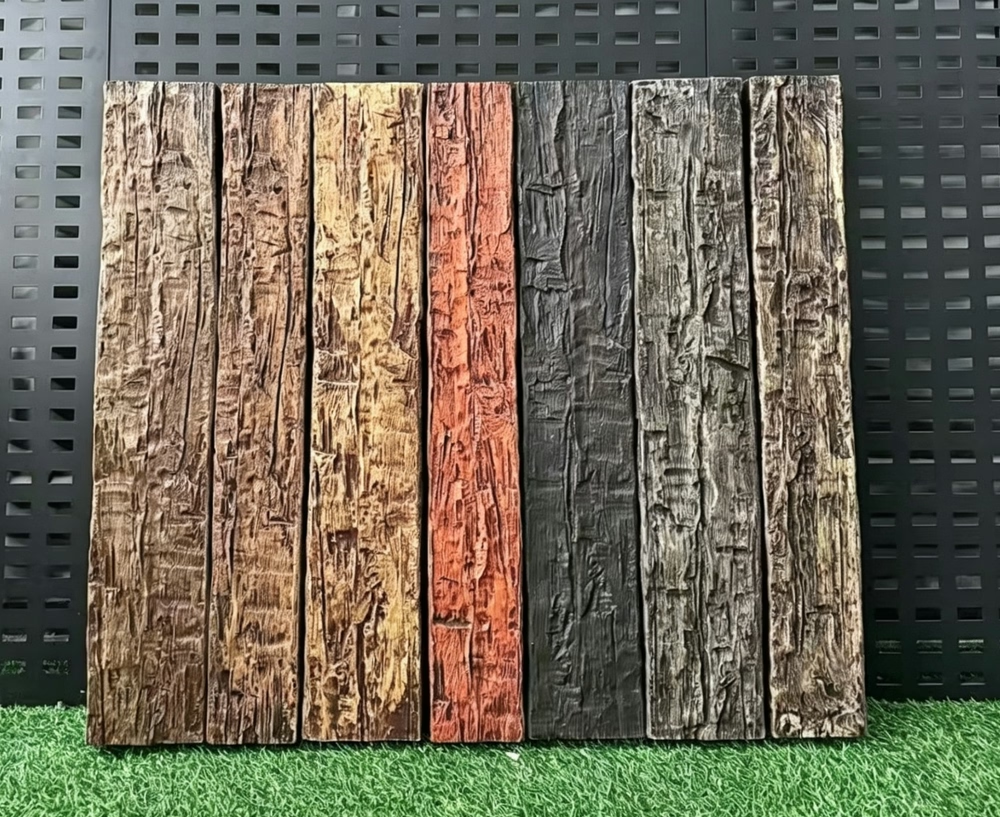
Color and Finish Selection
Achieving authentic vintage appearance depends heavily on finish selection. Lighter finishes that reveal wood grain work beautifully in sun-drenched rooms where bleaching occurs naturally over decades. These treatments complement whitewashed walls and coastal color palettes particularly well.
Darker finishes suit spaces aiming for more dramatic impact. Deep walnut and espresso tones create strong visual anchors that pull rooms together, working especially well in entertainment areas and home offices where focused atmosphere matters. The darkness of aged timber adds gravitas without heaviness.
Mid-tone finishes offer versatility for transitional spaces between open concept areas. These neutral options complement diverse wall colors and furniture styles, making them sensible choices for homeowners who appreciate flexibility in their decorating options.
Installation Fundamentals
Successful faux beam installation begins with accurate measurement. Ceiling spans, obstacle clearance, and mounting surface conditions all influence the approach. Professional installers typically recommend adding approximately two inches to measured spans for proper end plate coverage.
Structural mounting requires attention to ceiling composition. Wooden joists offer straightforward mounting points for bracket systems. Drywall installations demand anchor selection based on load calculations—heavier beams require toggle bolts or dedicated mounting rails that distribute weight appropriately.
Electrical integration often accompanies beam installations. Running low-voltage lighting through beams creates ambient illumination with rustic character. This approach eliminates the need for visible fixtures while adding architectural interest during evening hours.
Maintenance and Longevity
One significant advantage faux beams provide over genuine reclaimed lumber involves maintenance requirements. Real wood demands periodic treatment to prevent moisture damage, insect infestation, and gradual deterioration. Faux alternatives resist these concerns entirely, maintaining their appearance without intervention beyond occasional dusting.
UV stability matters for beams installed in sun-exposed locations. Quality manufacturers formulate their products to resist yellowing and surface degradation from prolonged light exposure. Investing in well-made products prevents the disappointment of beams that fade unevenly or develop surface chalkiness within years of installation.
Cost Considerations and Value
Budget planning for faux beam projects must account for more than beam costs alone. Mounting hardware, potential structural reinforcement, finishing materials, and labor (if not DIY) all factor into complete project pricing. However, when total costs are compared against genuine reclaimed timber—including acquisition, transport, and installation complexity—faux alternatives typically deliver substantial savings.
The value extends beyond initial expense. Genuine reclaimed beams occasionally harbor hidden problems: insect damage, structural weaknesses, or moisture-related issues that compromise longevity. Faux beams eliminate these uncertainties while providing predictable, consistent appearance that genuine materials cannot guarantee.
Transforming your ceiling with vintage reclaimed lumber style faux wood beams represents an investment in your space's character and comfort. The combination of authentic aesthetics, straightforward installation, and minimal maintenance requirements makes this approach increasingly popular among homeowners and design professionals seeking rustic charm without traditional material compromises.
Ready to explore vintage-style faux beam options for your project? Browse our complete collection of reclaimed lumber look beams in various sizes, finishes, and profiles to find the perfect match for your design vision.
Technical References
ASTM standards cited in every specification
Test Data
Lab results from internal testing program
Updated 2026
Reviewed against current product specs


