Oak has anchored homes for centuries, its dense grain and rich tonal range providing both structural integrity and visual warmth. When homeowners seek to incorporate this distinguished wood species into their ceiling designs without the complications of genuine aged timber, vintage reclaimed oak faux timber beams deliver authentic character with modern installation convenience.

The appeal of oak in interior design stems from its remarkable versatility. Light oak varieties brighten spaces, adding airy openness to smaller rooms. Darker oak tones ground expansive areas, providing visual weight that prevents modern open-concept layouts from feeling disconnected. Both approaches offer the timeless quality that distinguishes intentional design from passing trends.
Understanding Oak's Distinctive Characteristics
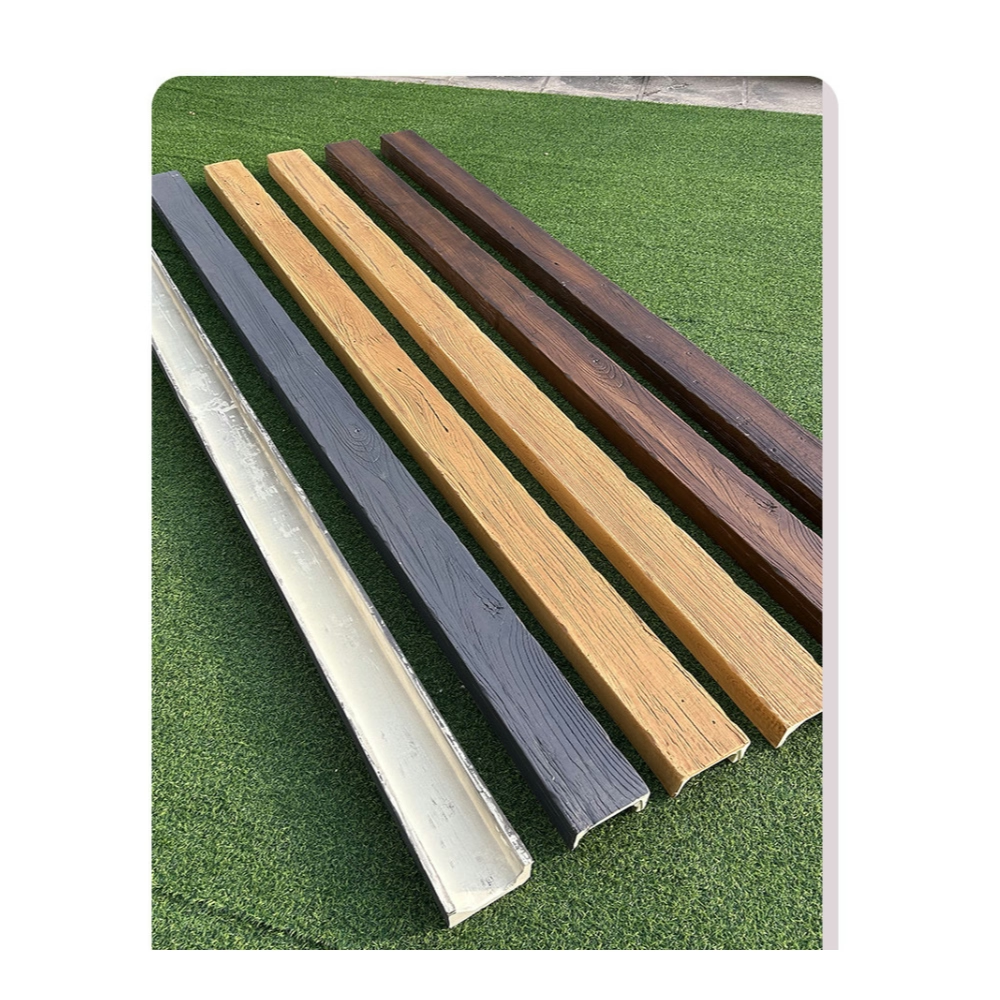
Genuine reclaimed oak carries markers of its previous life: oxidation patterns around nail holes, wear patterns on surfaces, and the distinctive color gradients that develop over decades of exposure to light and air. Quality faux beams replicate these characteristics through careful molding processes that capture even subtle surface variations.
The grain structure of oak presents particular manufacturing challenges. Its pronounced patterns—ranging from subtle cathedral peaks to dramatic swirled figures—require sophisticated texturing to reproduce convincingly. Modern polyurethane casting technology addresses this challenge by using actual oak samples as source material, ensuring that reproduced beams carry authentic grain directionality and character.
Color variation within oak species provides additional design flexibility. Red oak tends toward warmer, pinkish undertones that complement earth color palettes beautifully. White oak offers cooler, more golden hues suitable for spaces seeking neutral warmth. Both varieties respond well to staining and finishing treatments that enhance their natural characteristics.
Implementing Rustic Retro Styling
Retro styling draws inspiration from specific historical periods, typically mid-century through early seventies. This aesthetic emphasizes warmth, natural materials, and honest construction—qualities that oak's appearance naturally supports. When vintage-style faux oak beams enter the picture, they amplify these period-appropriate characteristics while providing design consistency that genuine materials struggle to achieve across large installations.
Living rooms benefit tremendously from retro-styled beam installations. The beams establish visual anchors that organize furniture groupings without requiring permanent architectural changes. A central beam crossing above a conversation seating area creates intimacy within larger spaces, defining zones that feel intentional rather than arbitrary.

Home office environments gain substantial character benefits from oak beam treatments. The warmth of wood reduces the sterile feeling that modern office design often produces. Clients and family members alike respond positively to spaces that feel inhabitable rather than purely functional, and wood ceiling details contribute significantly to this atmosphere.
Structural Considerations and Support
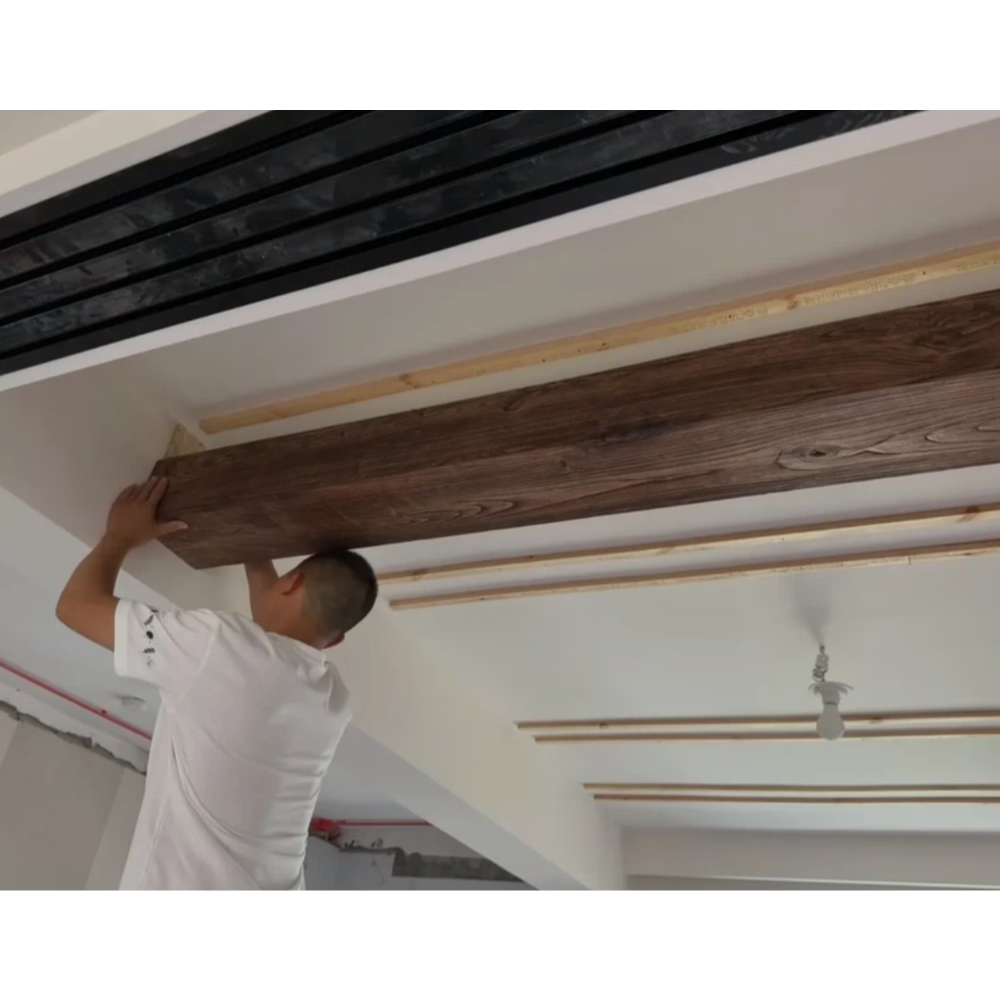
One critical advantage faux oak beams provide involves their light weight relative to genuine timber. An eight-foot section of solid oak beam might weigh sixty pounds or more, requiring substantial mounting infrastructure. Equivalent faux beams typically weigh under fifteen pounds, mounting on bracket systems that standard ceiling construction can accommodate.
This weight differential influences installation approach substantially. Homeowners comfortable with basic hand tools can successfully install faux beam systems, whereas genuine timber installations typically require professional contractors experienced with heavy material handling. The accessibility of DIY installation expands design possibilities for budget-conscious renovators.
Ceiling structure determines appropriate mounting solutions. Wooden joist systems accept lag bolts directly, providing rock-solid connections that bear beam weight comfortably. Drop ceiling grids and drywall ceilings require alternative approaches—either dedicated mounting rails attached to structural elements above, or lightweight beam options that appropriately rated anchors can support.
Finishing Techniques for Authenticity
Achieving convincing vintage appearance involves more than selecting appropriately textured beams. Finishing techniques significantly influence final results, and understanding treatment options helps homeowners make choices that align with their aesthetic goals.
Clear finishes preserve the wood's natural color while adding subtle protection against surface dust and minor scuffing. These treatments suit spaces where raw authenticity takes priority, allowing oak's inherent beauty to dominate without intervention.
Stained finishes adjust beam color to match existing woodwork or achieve specific atmospheric qualities. Gray-toned stains produce driftwood appearance ideal for coastal designs. Honey-toned stains warm neutral spaces without overwhelming existing color schemes. Custom mixing extends possibilities considerably for homeowners seeking precise tonal matches.
Climate and Environmental Performance
Faux oak beams perform admirably across diverse environmental conditions. Unlike genuine timber, polyurethane alternatives resist moisture absorption, preventing the expansion, contraction, and rot that plague real wood in humid environments. This characteristic makes faux beams particularly suitable for bathrooms, kitchens, and climate regions with significant seasonal humidity variation.
Temperature fluctuation presents minimal concern for quality faux beam products. The material accommodates temperature-induced expansion and contraction without cracking or surface degradation when properly manufactured. This stability ensures long-term appearance retention that genuine wood cannot match without ongoing maintenance intervention.
Investment Value and Project Planning
Budget allocation for faux oak beam projects should encompass more than beam purchase price. Mounting hardware, finishing materials, potential structural modifications, and labor costs (if professional installation is preferred) all contribute to complete project investment. However, comparing total faux beam project costs against genuine reclaimed oak alternatives reveals substantial savings—often forty to sixty percent less for comparable visual impact.
The durability of quality faux beams extends this value further. With minimal maintenance beyond occasional cleaning, these products maintain their appearance for decades. The absence of ongoing treatment requirements—oiling, sealing, pest prevention—that genuine wood demands adds meaningful long-term value.
Oak's enduring appeal in home design suggests that investments in oak-styled ceiling treatments will remain attractive indefinitely. Unlike trend-driven design choices that date quickly, authentic natural material aesthetics age gracefully, maintaining relevance through changing fashion cycles.
Browse our selection of vintage reclaimed oak faux timber beams in multiple lengths, finishes, and profiles. Each piece is manufactured for straightforward installation and lasting beauty in your rustic retro projects.
Technical References
ASTM standards cited in every specification
Test Data
Lab results from internal testing program
Updated 2026
Reviewed against current product specs


