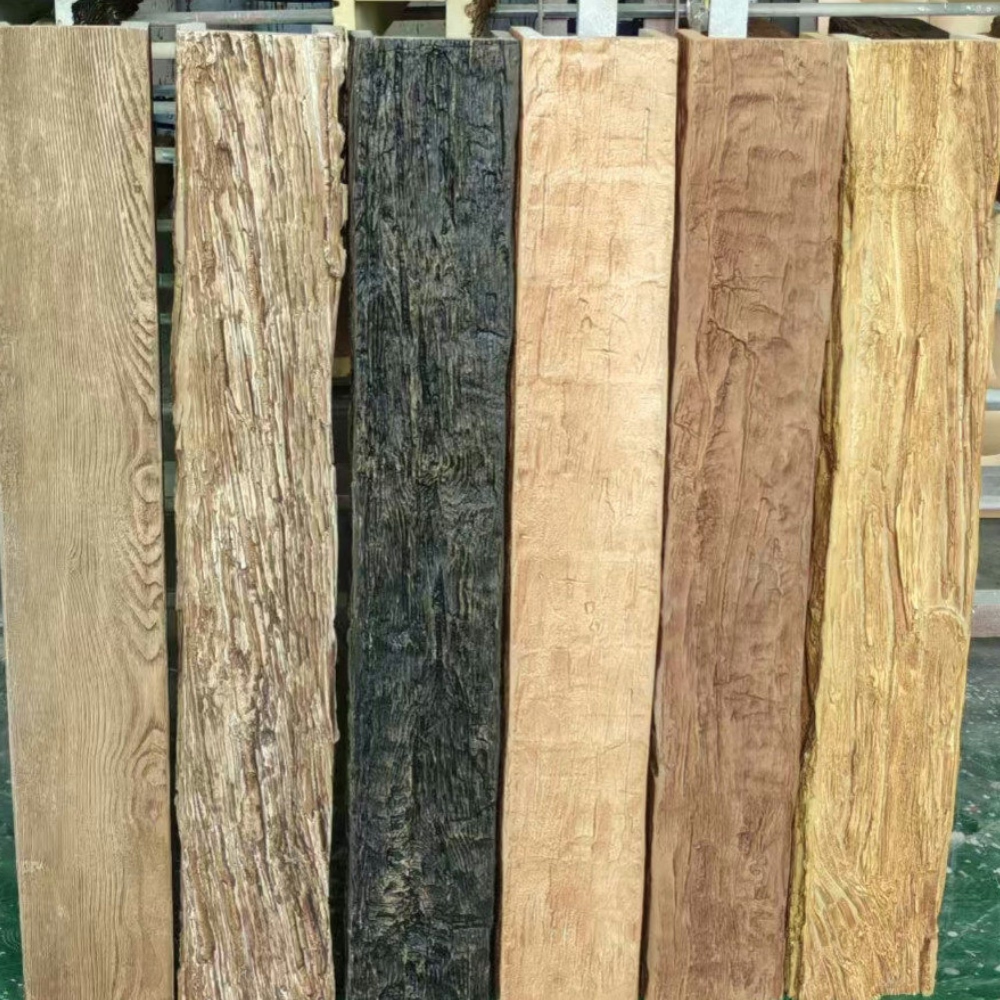
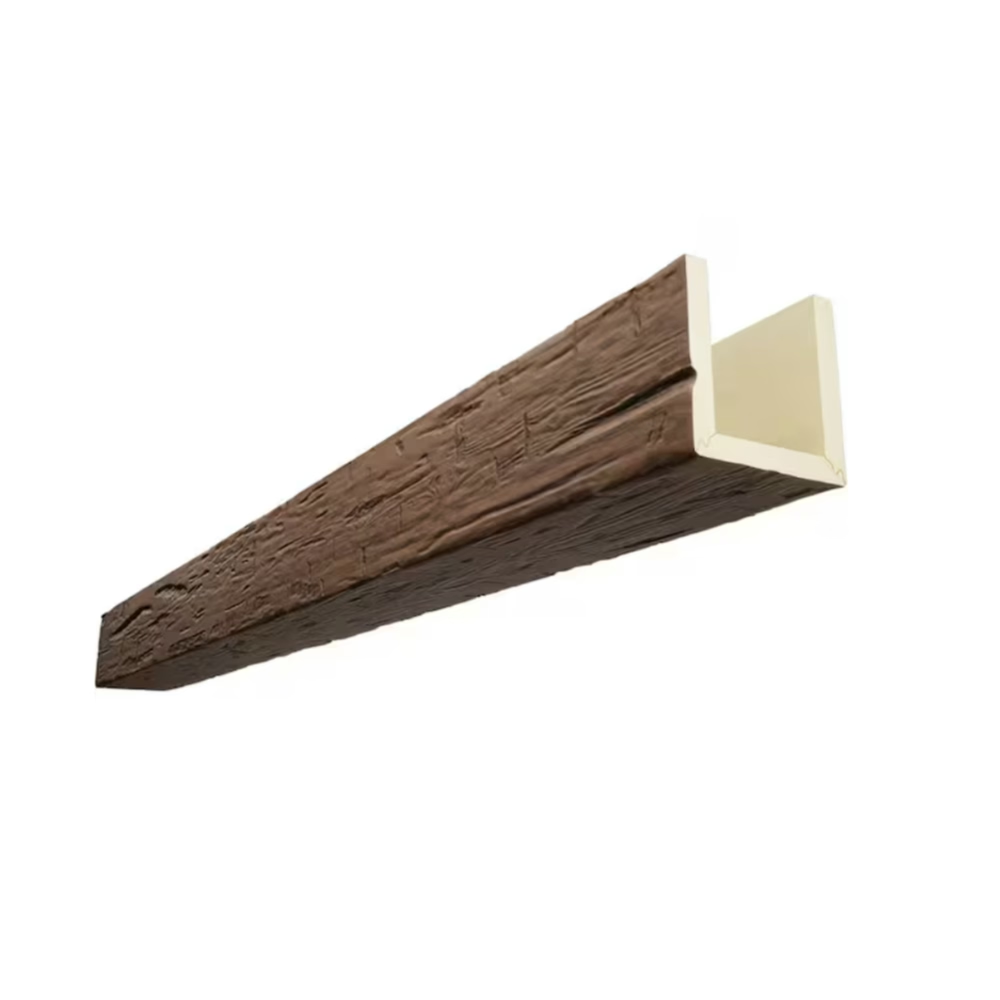
Pine has built countless American homes, its light color and fine grain providing warmth without visual heaviness. The wood's tendency to develop beautiful patina over decades of use makes aged pine particularly desirable for rustic interior applications. Vintage reclaimed pine texture PU faux beams capture these qualities while eliminating the sourcing challenges and installation complexities that accompany genuine reclaimed pine timber.

The pine aesthetic brings distinctive advantages to interior design. Its pale coloration brightens spaces naturally, reflecting light in ways that darker woods cannot match. This characteristic proves invaluable in smaller rooms, north-facing spaces, or anywhere designers seek to maximize perceived brightness without sacrificing natural material warmth.
Pine's Unique Aging Characteristics
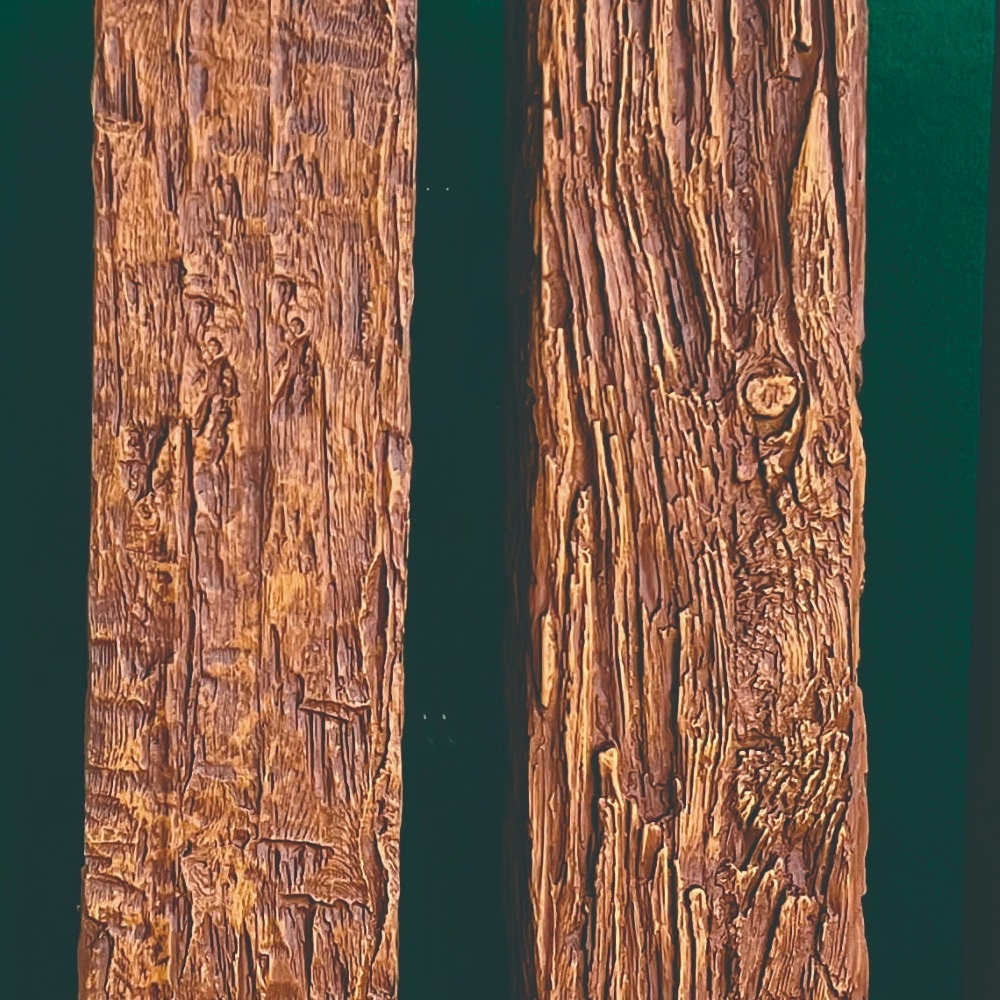
Genuine pine develops extraordinary appearance through use and exposure. Knots darken and become more pronounced as surrounding wood lightens. Grain patterns emerge more distinctly as softer earlywood wears preferentially against harder latewood. Color transitions from fresh-cut yellow toward rich amber and eventually silver-gray as oxidation processes transform the surface.
Replicating these characteristics demands sophisticated manufacturing approaches. Quality PU faux beams begin with detailed molds taken from genuinely aged pine samples, ensuring that knot placement, grain direction, and surface irregularity match authentic specimens. Surface treatments then simulate oxidation patterns and wear marks that take decades to develop naturally.
The result欺骗 even discriminating observers. Contractors installing these beams in upscale rustic projects report that clients struggle to distinguish faux from genuine without close inspection or touching the surface. This level of authenticity expands design possibilities considerably, enabling feature installations that budget or structural constraints would otherwise prohibit.
Ideal Applications Within Rustic Interiors
Cabin and lodge settings represent natural applications for vintage pine faux beams. These structures often feature exposed structural elements, and beams that carry genuine vintage character reinforce architectural authenticity. The light pine coloring complements natural stone, leather furnishings, and wildlife-themed décor without competing for attention.

Mountain homes and vacation properties benefit similarly from pine beam treatments. The aesthetic connects indoor spaces to surrounding forest environments, creating continuity between architecture and landscape. Beams installed in vaulted ceiling areas transform potentially cavernous volumes into intimate retreats that feel appropriately scaled for gathering.
Great rooms in suburban homes increasingly incorporate rustic elements to counterbalance contemporary finishes. Here, pine faux beams provide warmth anchor points that prevent open floor plans from feeling cold. A beam crossing above the main seating area establishes gathering focus, drawing family members toward shared space.
Weight and Installation Advantages
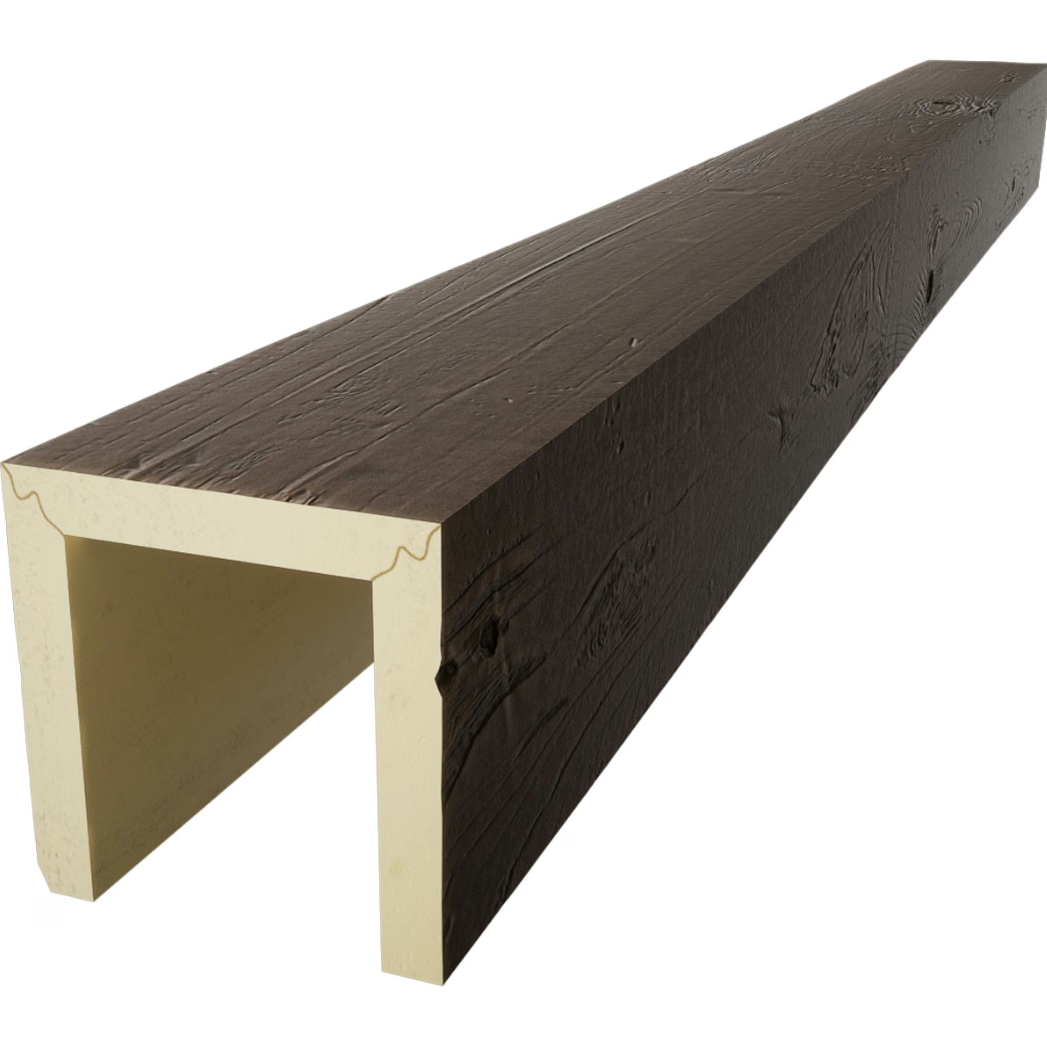
Pine's lightweight character translates directly to faux beam construction. Even substantial beam profiles weigh considerably less than equivalent wood sections, with mounting requirements that standard ceiling construction accommodates. This weight advantage expands installation possibilities to structures where genuine timber would demand structural reinforcement.
The mounting process itself proves straightforward for experienced do-it-yourselfers. Bracket systems attach to ceiling structure with standard fasteners, then receive beams that clip or bolt into place. Complete installations often require only a single assistant, whereas genuine timber beams of equivalent size might demand multiple helpers and specialized equipment.
Accessibility considerations favor faux beam installation in challenging locations. Attic access through tight openings presents no difficulty when beams arrive in manageable sections. Similarly, retrofit installations in finished spaces require only small access points for hardware mounting, minimizing construction disruption.
Finishing for Desired Atmosphere
Pine faux beams accept various finishing approaches to achieve specific aesthetic outcomes. Natural finishes preserve the light coloration that distinguishes pine, suitable for bright, airy spaces where warmth without darkness is desired. These treatments typically include subtle protective coatings that resist dust accumulation and occasional scuffing.
Darker finish options transform pine beams toward more dramatic rustic appearance. Staining toward honey or amber tones warms neutral spaces considerably. For truly vintage cabin character, gray-toned stains create appearance consistent with barns and outbuildings that have weathered for decades.
Whitewashing and liming treatments offer alternative approaches for cottage and coastal aesthetics. These lighter finishes maintain pine's brightness while adding subtle color variation that prevents surfaces from appearing painted or artificial. The technique suits beach houses and lakeside retreats particularly well.
Climate Performance and Durability
PU faux beams handle environmental challenges that compromise genuine pine regularly. The synthetic material resists moisture absorption entirely, eliminating concerns about rot, warping, and mold development that plague real wood in humid conditions. This characteristic proves especially valuable in bathroom applications, kitchen installations, and any space with significant moisture exposure.
Insect resistance provides additional assurance for homeowners concerned about structural integrity. Unlike genuine timber, polyurethane offers no nutritional value to termites, carpenter ants, or other wood-boring insects. This resistance maintains appearance and structural soundness indefinitely without chemical treatment.
Temperature stability ensures that faux beams perform reliably across climate extremes. Quality products accommodate expansion and contraction cycles without cracking, splitting, or surface degradation. This durability translates to long-term appearance retention that genuine wood cannot match without regular maintenance intervention.
Project Planning Considerations
Successful faux beam projects begin with accurate measurement and realistic assessment of ceiling conditions. Span measurements should account for end plate coverage, typically adding two to three inches beyond bare dimensional requirements. Mounting surface evaluation determines appropriate hardware selection, with joist location and material influencing attachment approach.
Finish selection should precede purchase when possible. Viewing physical samples under actual room lighting helps avoid disappointment when installed beams appear differently than computer images suggested. Many suppliers provide sample pieces at nominal cost for this purpose.
Budget allocation should encompass complete project requirements. While beam cost represents the largest single expense, mounting hardware, finishing materials, potential ceiling preparation, and labor (if professional installation is desired) all contribute meaningfully to total investment. Factoring these expenses early prevents budget surprises during implementation.
Explore our collection of vintage reclaimed pine texture PU faux beams available in various lengths, profiles, and finishing options. Each beam is manufactured for authentic appearance and straightforward installation in your rustic interior projects.
Technical References
ASTM standards cited in every specification
Test Data
Lab results from internal testing program
Updated 2026
Reviewed against current product specs