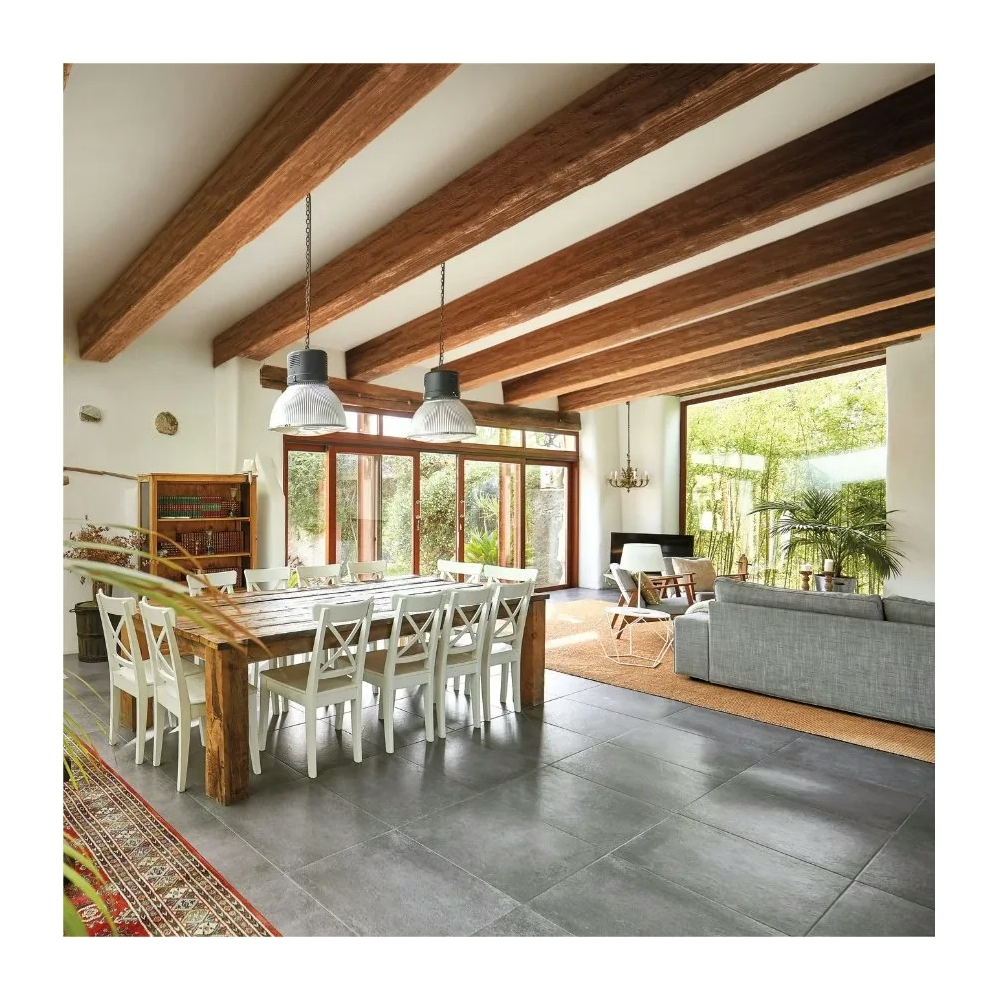
Mid-century modern design continues captivating homeowners who appreciate its marriage of organic materials, clean lines, and functional beauty. Central to this aesthetic is wood—warm, honest, and deliberately exposed rather than hidden behind plaster or composite materials. Vintage reclaimed wood look PU faux timber beams enable retro design applications that honor mid-century principles while accommodating contemporary construction realities.

The retro design movement draws inspiration from approximately 1945 to 1969, encompassing diverse expressions unified by certain shared values. Organic shapes softened strict modernism's geometry. Natural materials connected interior spaces to the physical world. Craftsmanship implied honesty in construction. Beams that evoke genuine reclaimed timber fit naturally within this design vocabulary.
Mid-Century Wood Aesthetics
Genuine mid-century architecture featured wood species chosen for both beauty and availability. Douglas fir dominated West Coast construction, its warm tones and pronounced grain defining the California modern style. Oak appeared frequently in built-in furniture and architectural millwork throughout the country. Hickory and walnut provided dramatic accent options where designers sought stronger visual presence.
Each species brings distinctive character to retro installations. Douglas fir reads as quintessentially West Coast casual, complementing stone, glass, and natural landscape integration. Oak projects dignified craftsmanship suitable for traditional and transitional settings. Walnut delivers drama that anchors eclectic spaces without overwhelming surrounding elements.
Quality faux beams replicate these species characteristics convincingly. Molding processes capture grain patterns, color gradients, and surface textures that distinguish one wood from another. The result allows designers to specify particular species aesthetics without sourcing challenges that genuine reclaimed materials present.
Implementing Retro Design Vision
Residential living rooms benefit significantly from beam installations that establish retro character. The approach works across various architectural contexts—from authentic mid-century homes seeking period-appropriate updates to contemporary constructions borrowing retro elements for atmosphere.

Home bars and entertainment areas embrace retro styling particularly enthusiastically. The nostalgic atmosphere that aged timber provides enhances the gathering space function these rooms serve. Beams spanning above home bars create architectural presence that transforms basement rooms into destinations rather than afterthought spaces.
Bedroom applications offer surprising design opportunities. Low-profile beams in children's rooms evoke lodge-like coziness appropriate for story time and imaginative play. Master suite installations create retreats that feel genuinely removed from everyday concerns—spaces that support the rest and rejuvenation that bedrooms require.
Technical Considerations for Retrofit Applications
Retrofit installations in existing homes present specific challenges that thoughtful planning addresses. Ceiling height, obstacle clearance, and mounting surface conditions all influence feasible approaches.
Rooms with eight-foot ceilings require careful beam size selection to avoid overwhelming already modest dimensions. Smaller profile beams or single accent beams rather than complete grid installations maintain appropriate scale. The goal remains adding character without making spaces feel compressed.
HVAC ductwork, recessed lighting, and ceiling-mounted fixtures create obstacles that beam installations must accommodate. In some cases, beam placement can work around existing features with minimal adjustment. Other situations demand relocation of obstacles or alternative beam placement strategies. Identifying constraints early prevents installation complications.
Finish Selection for Period Accuracy
Retro design benefits from finish choices that respect historical precedent while accommodating contemporary preferences. Mid-century finishes typically fell between natural and lightly stained—rarely the dramatic dark stains that later decades favored.
Natural finish beams that reveal wood's inherent beauty suit most retro applications. The approach honors mid-century ideals of honest materials displayed without concealment. These finishes work particularly well in bright rooms where light wood prevents spaces from feeling heavy.
Tinted finishes offer subtle variation when pure natural appearance seems too neutral for specific settings. Slight amber toning warms spaces without approaching the darkness of walnut or mahogany. This approach bridges retro inspiration and contemporary comfort preferences.

Structural Integration and Support
Beam installation must address structural considerations regardless of aesthetic goals. Understanding ceiling construction guides appropriate mounting approaches.
Wooden joist ceilings accept lag bolt attachments directly, providing substantial holding power for secure installations. The approach suits most older homes where dimensional lumber framed construction created accessible mounting points.
Modern construction with engineered I-joists or open web trusses requires alternative approaches. These systems often cannot accept lag bolts without specific engineering guidance. Mounting rails attached to bearing walls or columns provide alternative load paths that structure these systems can accommodate.
Long-Term Performance and Care
Quality faux timber beams provide decades of service with minimal maintenance requirements. Unlike genuine reclaimed wood that demands regular attention to maintain appearance, polyurethane alternatives retain their look through normal household conditions without intervention.
Dust accumulation that affects all horizontal surfaces requires occasional cleaning, typically achieved with dusting or gentle washing as part of regular household cleaning routines. The approach differs substantially from genuine wood's oiling, sealing, and refinishing requirements.
Surface scuffing and minor damage respond to repair techniques that genuine wood cannot match. Small scratches can be touched up with appropriate markers or fillers that blend with surrounding surfaces. This repairability extends useful life considerably compared to materials that require complete replacement when damaged.
Explore our vintage reclaimed wood look PU faux timber beam collection for retro design applications. Multiple wood species, finishes, and profiles available to achieve authentic mid-century character in your living spaces.
Technical References
ASTM standards cited in every specification
Test Data
Lab results from internal testing program
Updated 2026
Reviewed against current product specs

