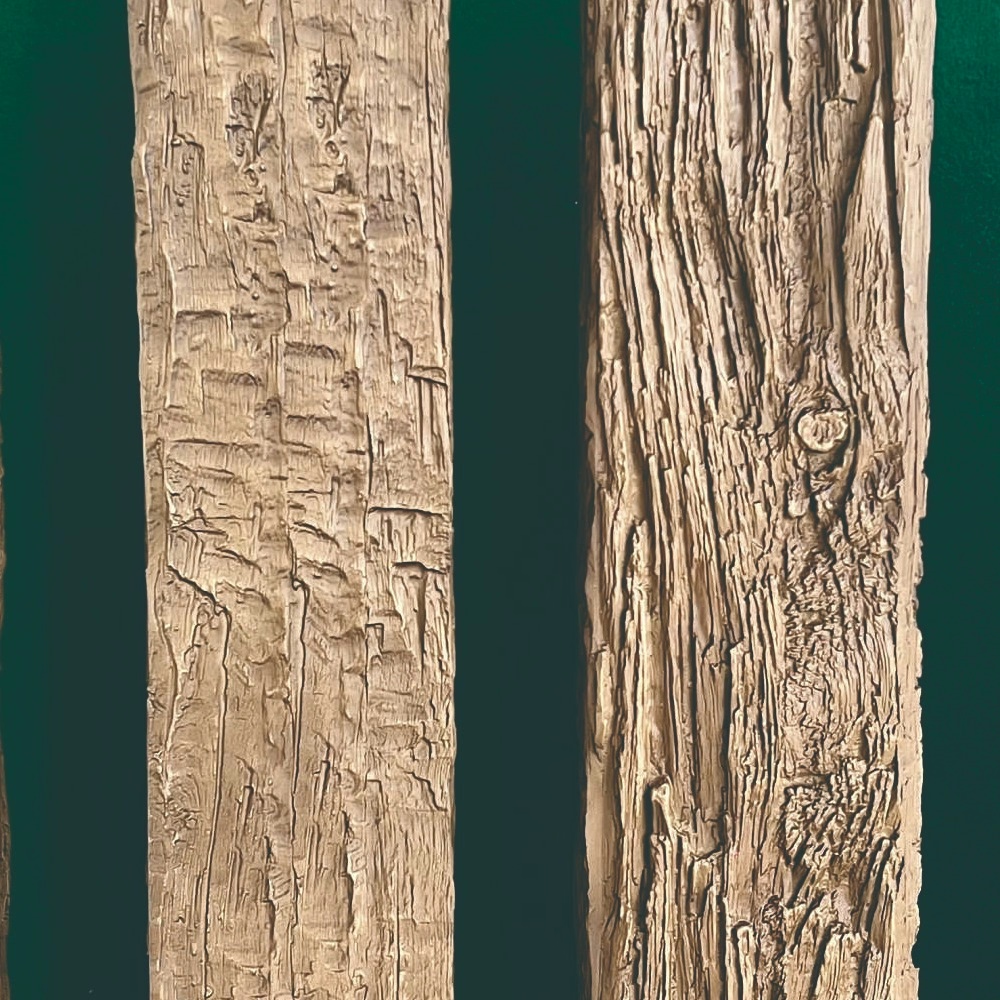
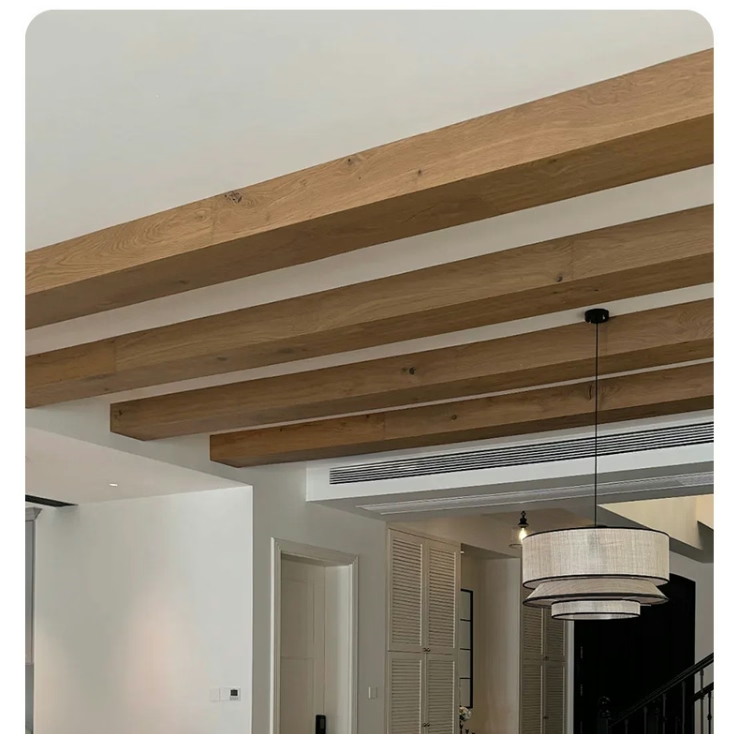
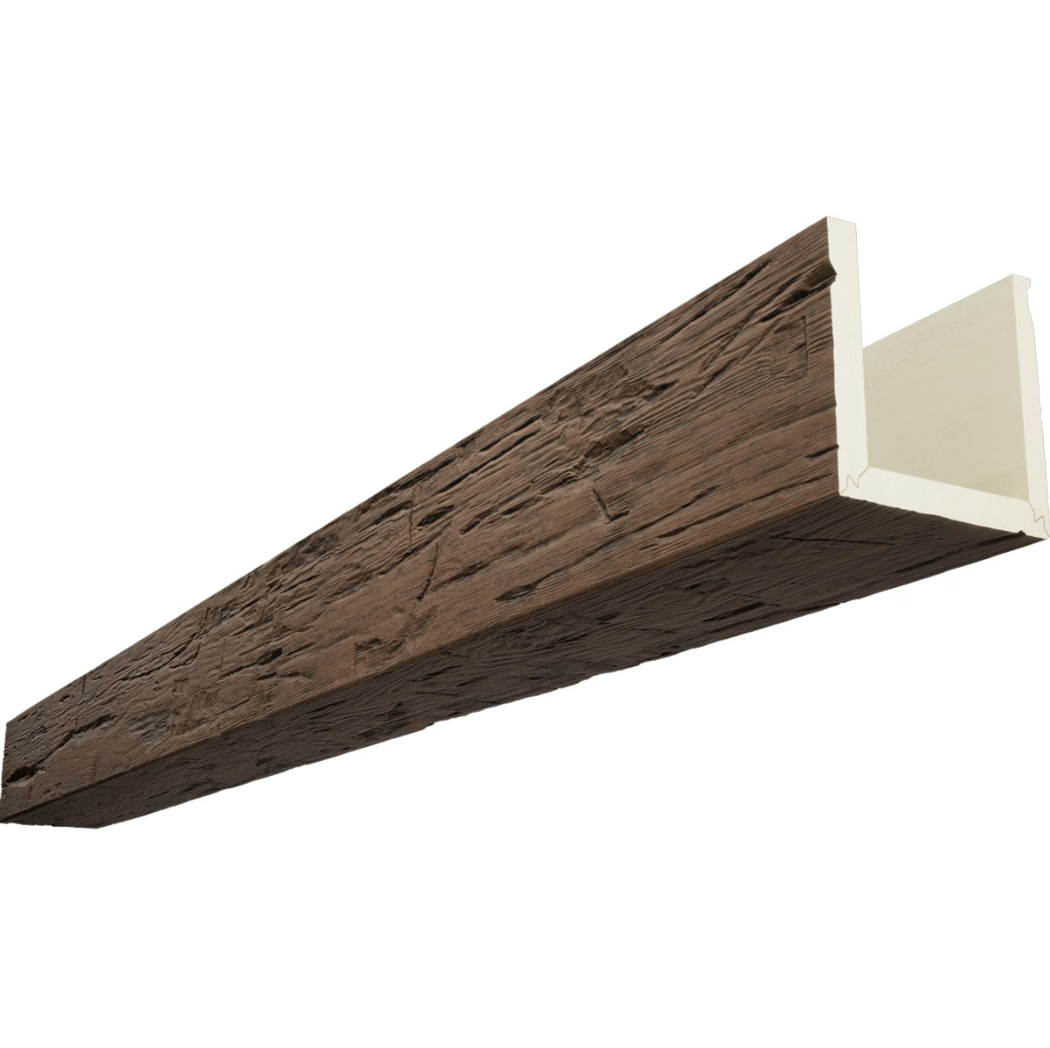
Historical buildings carry stories in their fabric—the hand-forged nails, the inconsistent plasterwork, the timber that was milled when trees grew slower and denser. Preserving this heritage demands approaches that respect original materials while addressing practical realities of ongoing use. Vintage reproduction PU faux beams offer solutions that enable authentic restoration without the structural compromises or maintenance burdens that genuine period timber often demands.

The challenge of historical restoration involves balancing authenticity against practicality. Original timbers may have deteriorated beyond safe retention. Replacement with genuine reclaimed material can introduce inconsistencies that undermine visual unity. Faux beams that convincingly replicate original appearance while providing modern structural performance resolve this tension elegantly.
Matching Historical Originals
Successful period restoration requires understanding what made original timbers distinctive. Historical wood species, milling techniques, and aging patterns all contributed to the appearance that restoration seeks to preserve. Quality faux beam manufacturers study original samples to understand these characteristics thoroughly.
Species selection matters considerably for authentic reproduction. Douglas fir dominated West Coast construction through the early twentieth century. Oak provided structural and decorative elements throughout the eastern United States. Southern properties often featured heart pine or cypress. Matching species to regional availability ensures historically appropriate results.
Milling technique influenced surface appearance significantly. Circular saws left different marks than pit saws. Adzes created distinctive textures that hand-planed surfaces lack. Router bits with period-appropriate profiles shape beam edges convincingly. These technical details distinguish quality reproduction from generic faux wood.
Applications in Heritage Properties
Ballrooms and grand halls in historic properties often featured elaborate timber ceilings that established architectural grandeur. Restoring these spaces presents particular challenges—the original timbers may have supported storage floors above or served structural functions that replacement materials must address. Faux beams that replicate original appearance while providing current code compliance serve restoration goals without compromising historical character.

Church and chapel restorations frequently involve timber ceiling elements that create contemplative atmosphere. The warm coloration and organic texture of aged wood contributes significantly to spiritual environment. Faux beams that capture these qualities enable restoration that serves congregation needs without introducing maintenance concerns that genuine period timber would require.
Commercial heritage properties—historic hotels, theaters, and municipal buildings—benefit similarly from reproduction beam installations. These spaces often face competing demands for historical accuracy, modern code compliance, and ongoing maintenance practicality. Faux beams address all three concerns when properly selected and installed.
Technical Requirements for Code Compliance
Modern building codes often conflict with historical authenticity. Fire ratings, structural requirements, and accessibility standards may demand materials or construction approaches that original designs never anticipated. Understanding these requirements early in restoration planning prevents costly mid-project changes.
Load-bearing applications require particular attention. Faux beams that appear identical to historical originals may not provide equivalent structural capacity. Engineers must evaluate whether faux alternatives can address structural needs or whether exposed faux beams should serve purely decorative functions while hidden structural elements carry actual loads.
Fire ratings present challenges for some applications. Period buildings often featured timber that contributed to fire spread in ways modern codes prohibit. Faux beams with appropriate fire ratings enable aesthetic restoration while meeting current safety requirements. Manufacturers can provide fire-rated products for applications where codes demand them.
Finish Matching and Patination
Aging produces characteristics that distinguish genuinely old wood from fresh material—color gradients, surface oxidation, and wear patterns that take decades to develop. Reproduction beams must simulate these characteristics convincingly to achieve authentic appearance.
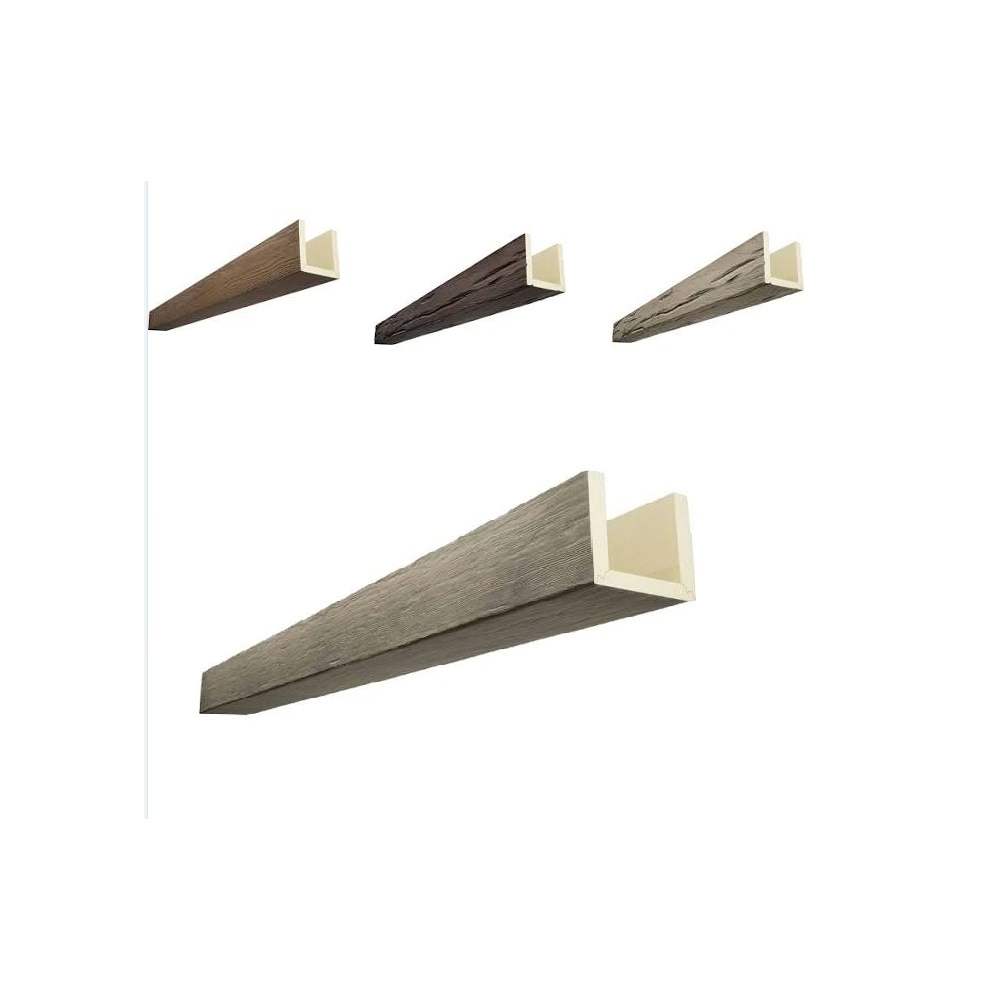
Color matching requires careful attention to the full range of tones present in aged originals. Surface color, end grain coloration, and shadow depth all influence perceived authenticity. Professional finishers can analyze original samples and create matching treatments for faux beams.
Patination simulation addresses surface characteristics that develop over decades of exposure. Dust accumulation in grain recesses, slight surface oxidation, and subtle color variation across the surface all contribute to convincing age appearance. Quality manufacturers incorporate these characteristics into beam surfaces rather than requiring post-installation treatment.

Installation Approaches for Historical Buildings
Historical buildings often present construction challenges that modern building codes did not anticipate. Irregular framing, concealed structural elements, and unknown conditions require flexible installation approaches that accommodate surprises.
Non-invasive installation methods prove particularly valuable in historical contexts. Bracket systems that attach to existing structure without requiring new penetrations preserve original fabric while providing secure mounting. This approach respects the building's history while enabling practical installation.
Coordination with preservation authorities may be required for listed or designated properties. Documentation requirements, material approvals, and inspection processes vary by jurisdiction. Early engagement with preservation officials helps navigate these requirements smoothly.
Long-Term Preservation Benefits
Faux beam materials offer preservation advantages beyond initial installation convenience. Unlike genuine wood, polyurethane does not deteriorate in ways that threaten structural integrity or require ongoing treatment. This stability protects the restoration investment over decades.
Moisture resistance prevents the expansion, contraction, and decay that plague genuine timber in humid conditions. This characteristic proves particularly valuable in buildings without modern climate control—structures where original timber survived through centuries of natural ventilation.
Insect resistance eliminates pest concerns that affect genuine wood buildings. Termites, carpenter ants, and wood-boring beetles pose no threat to polyurethane materials. This protection maintains restoration integrity without chemical treatment regimens that original construction never included.
Explore our vintage reproduction PU faux beam collection featuring period-accurate profiles, species matching, and authentic aging simulation. Custom manufacturing available for unique historical restoration requirements.
Technical References
ASTM standards cited in every specification
Test Data
Lab results from internal testing program
Updated 2026
Reviewed against current product specs