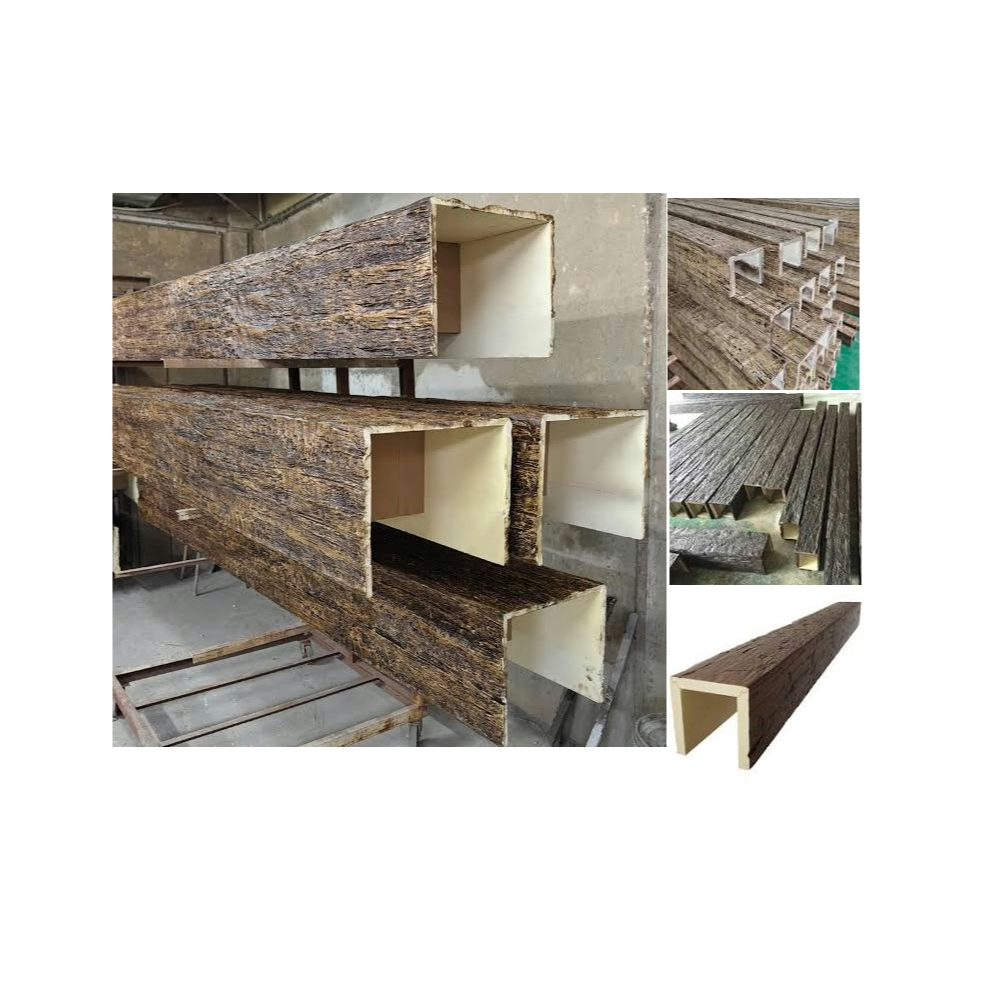
Farmhouse design continues evolving, drawing inspiration from multiple sources to create spaces that feel both timeless and fresh. The modern farmhouse movement combines vintage character with contemporary livability, achieving warmth without sacrificing function. Central to this aesthetic is wood—specifically, timber that suggests history and craftsmanship rather than machine-perfect uniformity. Vintage rough-sawn PU faux wood beams provide exactly this character, enabling farmhouse interiors that embrace retro styling without demanding impractical material choices.

The farmhouse aesthetic has always been practical at its core. Original farmhouses were built by their inhabitants using available materials, often rough-cut timber from the surrounding landscape. This honest approach to construction created buildings that reflected their construction honestly. Modern interpretations honor this tradition while accommodating contemporary expectations for comfort and convenience.
Farmhouse Design Principles
Authentic farmhouse design emphasizes function over form, though beautiful results emerge naturally when function guides material choices. Exposed structural elements—beams, joists, posts—reflect the building's construction rather than hiding it. Natural materials connect interior spaces to the agricultural landscape surrounding farmhouse properties.
Texture plays a crucial role in farmhouse aesthetics. Smooth, manufactured surfaces feel foreign to the style, while rough textures—rough sawn wood, exposed brick, natural stone—create the honest character that defines farmhouse appeal. Rough-sawn beams contribute this essential texture element, providing visual and tactile interest that completed spaces require.
Color palettes in farmhouse design typically emphasize neutrals with warm undertones. Whites, creams, and grays provide backdrop against which natural materials command attention. Wood tones should complement these neutrals rather than competing—the goal involves creating calm, welcoming atmosphere rather than visual stimulation.
Retro Influences in Modern Farmhouse
Retro farmhouse styling draws additional inspiration from earlier design periods, creating layered aesthetics that reward close observation. The approach differs from purely period reproduction, instead selecting elements from multiple sources to create cohesive new compositions.
Mid-century modern elements appear frequently in retro farmhouse interiors. Clean-lined furniture, geometric light fixtures, and thoughtful material combinations reflect this influence. Beams in retro farmhouse settings should offer vintage character without excessive rustic distress—the aesthetic balances roughness with a certain optimism that post-war design embodied.
Vintage industrial elements also influence retro farmhouse compositions. Repurposed factory elements, salvaged hardware, and utilitarian light fixtures create visual interest through unexpected combination. Beams with subtle texture and warm coloration complement industrial accents without appearing mismatched.
Kitchen Applications
Farmhouse kitchens represent perhaps the most popular application for rough-sawn beam installations. The kitchen's central role in family life demands warm, inviting atmosphere that beams provide naturally. Multiple installation approaches serve different aesthetic goals.

Island installations create gathering focus that anchors kitchen activity. Beams crossing above kitchen islands establish visual territory that encourages lingering—exactly the atmosphere that makes kitchens true family centers. The rough texture provides visual interest without requiring maintenance that genuine textured timber would demand.
Ceiling installations throughout kitchen spaces provide architectural unity that ties functional zones together. Whether covering entire ceilings or adding single accent beams, these installations create warmth that balances modern appliances and glossy surfaces. The investment transforms purely functional spaces into rooms that families genuinely enjoy occupying.
Open shelving pairs naturally with farmhouse beam installations, both elements contributing to the casual, accessible character the style seeks. Wood shelving and beams together create visual mass that prevents spaces from feeling empty despite minimal furnishing.
Living Space Applications
Living rooms, family rooms, and sitting areas benefit from rough-sawn beam treatments that establish cozy atmosphere. These spaces serve relaxation and gathering functions that benefit from the warmth and texture beams provide.
Fireplace surrounds incorporating beam elements create focal points that anchor living spaces. A beam above the mantel draws attention to the fireplace, establishing hierarchy that organizes furniture arrangement naturally. The combination of firelight and warm wood creates exactly the gathering atmosphere that farmhouse living demands.
Built-in bookcases flanking fireplaces or filling walls benefit from beam headers that tie shelving to overall room design. The combination of vertical bookcase mass and horizontal beam provides visual balance that neither element achieves alone. This integration creates purposeful design rather than accumulated furnishing.

Porch and Entry Applications
Farmhouse porches provide outdoor living spaces that benefit from beam treatments extending beyond interior walls. Covered porches with exposed beam ceilings create transitional spaces that feel sheltered without being enclosed.
Entry halls establish first impressions that influence how visitors experience entire homes. Beam installations in entries create immediate architectural presence that announces the home's character before rooms are seen. The approach works particularly well in homes with generous entry spaces that might otherwise feel merely transitional.
Mudroom and utility spaces often receive less design attention than primary rooms, though these functional spaces benefit from farmhouse character that makes repetitive daily use more pleasant. Small beam accents—perhaps a single header beam or exposed "joist" parallel to ceiling—create cohesive character without compromising function.
Installation and Maintenance
Rough-sawn faux beams install using methods appropriate to standard ceiling construction. Bracket systems attach to ceiling framing with standard fasteners, then receive beams that clip or bolt into place. The process requires minimal specialized equipment and typically completes within a day for moderate installations.
Maintenance requirements remain minimal throughout beam ownership. Unlike genuine rough-sawn timber that might require periodic refinishing or protective treatment, quality faux beams maintain appearance through normal household conditions. Dust accumulation in textured crevices requires occasional attention but integrates with regular household cleaning.
Browse our vintage rough-sawn PU faux wood beam collection featuring textured surfaces perfect for farmhouse retro interiors. Multiple profiles and finishes available to achieve authentic farmhouse character in your living spaces.
Technical References
ASTM standards cited in every specification
Test Data
Lab results from internal testing program
Updated 2026
Reviewed against current product specs


