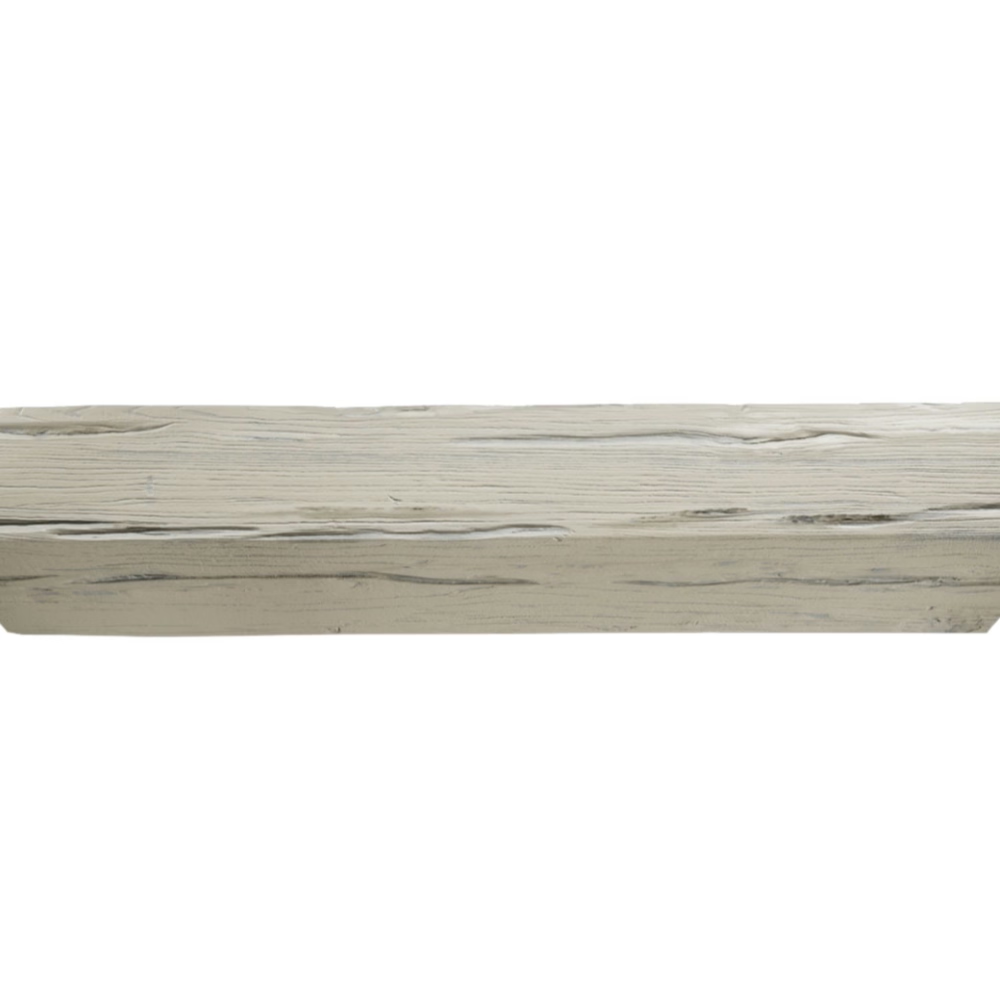
The appeal of rough sawn timber connects to something fundamental about honest craftsmanship. When wood surfaces retain the marks of their milling—circular saw blade patterns, band saw striations, or the distinctive texture of hand-hewn beams—the material speaks honestly about its origins and manufacture. Vintage rough sawn texture PU resin faux beams replicate these characteristics with remarkable fidelity, enabling rustic decor applications that celebrate the material's natural beauty and working process.

Rough sawn surfaces present design opportunities that planed lumber cannot match. The irregular texture creates visual interest across entire surfaces rather than concentrating character in grain patterns alone. Light interacts differently with textured surfaces throughout the day, creating subtle variation that keeps spaces feeling alive rather than static.
The Character of Rough Sawn Timber
Genuine rough sawn timber carries marks that tell its manufacturing story. Circular saw blades leave consistent striations that run perpendicular to grain direction. Band saws create slightly wavy patterns with characteristic "saw rash" texture. Hand-hewn beams show adze or broadaxe marks that reveal the labor-intensive process of converting logs to building material.
Quality faux beams capture these characteristics through careful manufacturing processes. Surface texturing begins with molds taken from genuinely rough sawn samples, ensuring authentic pattern directionality and intensity. Secondary treatment adds individual character marks—occasional deeper scratches, minor surface irregularities, the natural variation that distinguishes hand work from machine production.
The depth of texture matters significantly for convincing appearance. Shallow texturing reads as merely surface treatment rather than genuine material characteristic. Quality faux beams incorporate sufficient depth that shadows accumulate in recesses naturally, creating the three-dimensional appearance that makes rough sawn surfaces visually compelling.
Applications in Rustic Decor Schemes
Cabin and lodge interiors provide natural applications for rough sawn beam installations. These spaces often feature other rustic elements—stone fireplaces, leather furnishings, antler accents—and rough sawn beams contribute appropriately to the overall character. The texture provides visual weight that balances these substantial materials.

Farmhouse kitchens embrace rough sawn aesthetics particularly enthusiastically. The casual, welcoming atmosphere that farmhouse design seeks aligns perfectly with the honest character of textured timber. Beams installed above kitchen islands or across ceiling spans create gathering focus that supports the kitchen's function as family center.
Great rooms in suburban homes increasingly incorporate rustic elements to counterbalance contemporary finishes. Rough sawn beams provide exactly the textural interest these spaces need—organic character that prevents modern materials from creating cold atmosphere. The approach works particularly well in open floor plans where multiple design elements must coexist.
Scale Considerations for Impact
Successful rough sawn beam installations depend significantly on appropriate scale selection. The substantial character of textured timber demands proportional representation—undersized beams appear trivial rather than rustic, while appropriately scaled beams create genuine architectural presence.
Room dimensions guide scale selection meaningfully. Vaulted ceilings with significant height can accommodate larger beam profiles without overwhelming the space. Standard eight-foot ceilings require more modest sizing that maintains appropriate visual balance. Measuring ceiling height and planning beam dimensions together ensures harmonious results.
Span length influences appropriate profile sizing as well. Longer spans often benefit from deeper beam profiles that provide visual support for the extended distance. Disproportionately shallow beams across long spans can appear inadequate, undermining the rustic strength the design seeks.
Finishing Approaches for Rough Sawn Surfaces
Rough sawn textures interact differently with finishes than smooth surfaces. The irregular surface area absorbs more finish material, and reaching all crevices requires technique adjustments that smooth surface finishing never demands.
Natural finishes that penetrate rather than coat work best for rough sawn faux beams. These treatments maintain texture visibility while providing surface protection. Multiple thin applications build coverage gradually, ensuring that crevices receive adequate treatment without excess buildup on raised surfaces.
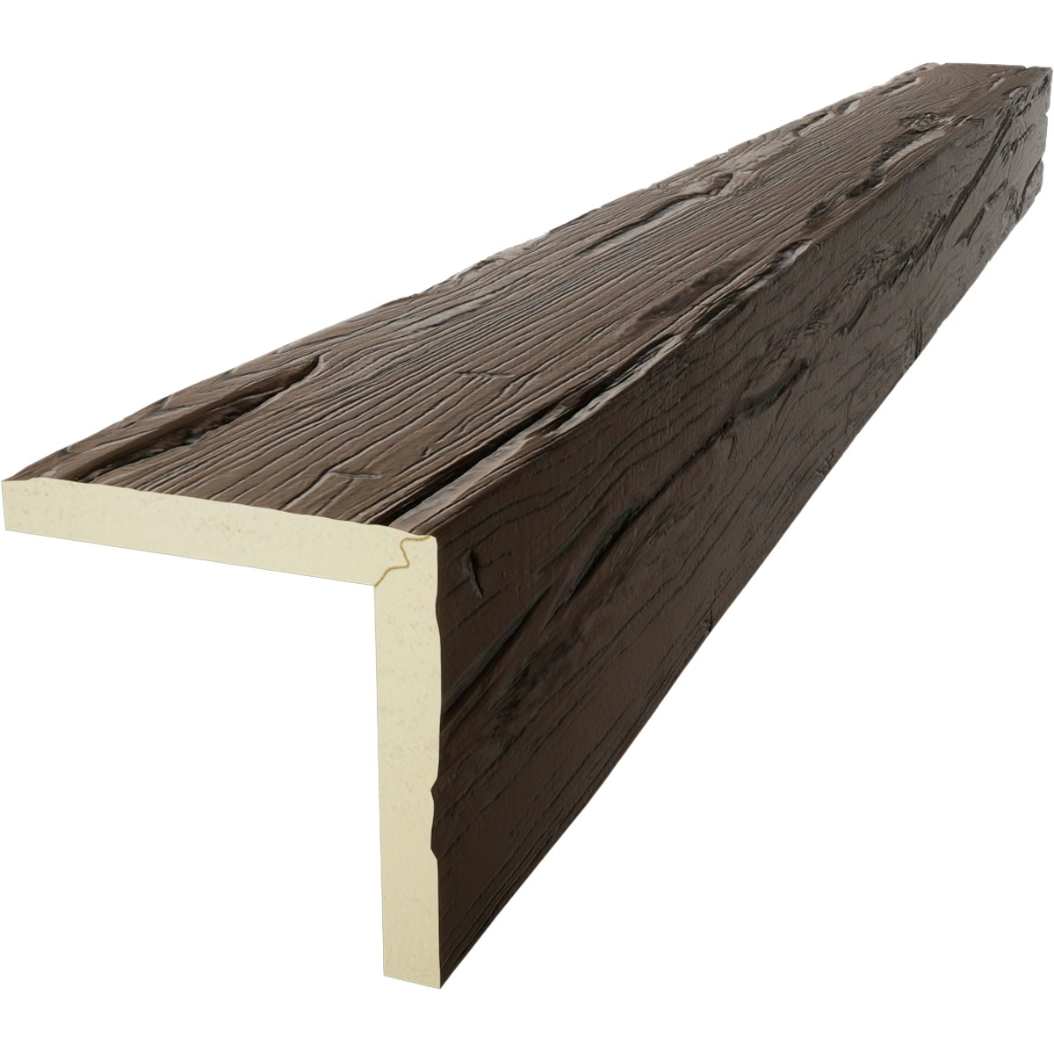
Stained finishes on rough sawn surfaces produce more dramatic effects than on smooth materials. Color accumulates differently in recesses versus peaks, creating enhanced depth that amplifies textural interest. This characteristic makes rough sawn beams excellent candidates for darker finish treatments that might appear heavy on smoother surfaces.
Whitewashing and liming treatments offer lighter alternatives that maintain texture visibility while brightening overall appearance. These approaches suit spaces seeking rustic character without strong wood coloration—coastal retreats, casual family rooms, and bright farmhouse kitchens.
Installation Advantages of Faux Construction
Weight presents perhaps the most significant advantage faux rough sawn beams provide over genuine textured timber. Real rough sawn beams of meaningful size weigh substantially, requiring structural support that standard ceiling construction might not provide. Faux alternatives weigh a fraction of wood equivalents, mounting on bracket systems that typical construction accommodates.
This weight advantage expands design possibilities considerably. Beams can span longer distances without requiring structural reinforcement. Installation remains manageable for skilled do-it-yourselfers without equipment rental or helper recruitment. The accessibility enables projects that genuine material constraints would otherwise prevent.
Handling characteristics differ as well. Wood beams can crack, split, or suffer edge damage during transport and installation. Polyurethane alternatives flex slightly rather than breaking, absorbing impacts that would damage genuine timber. This resilience reduces material loss and simplifies logistics.
Maintenance and Longevity
Faux rough sawn beams maintain their appearance through decades of use without the maintenance demands that genuine textured timber requires. Real rough sawn wood demands periodic refinishing to prevent surface degradation—moisture penetration, UV damage, and surface erosion all affect exposed wood eventually.
Dust accumulates in rough sawn crevices more readily than on smooth surfaces, requiring occasional attention to maintain clean appearance. However, this cleaning integrates with regular household dusting rather than demanding specialized treatment. The approach differs substantially from refinishing requirements that genuine timber demands.
Explore our vintage rough sawn texture PU resin faux timber beam collection featuring authentic saw marks and deep surface texture. Multiple profiles and finishes available for rustic decor applications.
Technical References
ASTM standards cited in every specification
Test Data
Lab results from internal testing program
Updated 2026
Reviewed against current product specs


